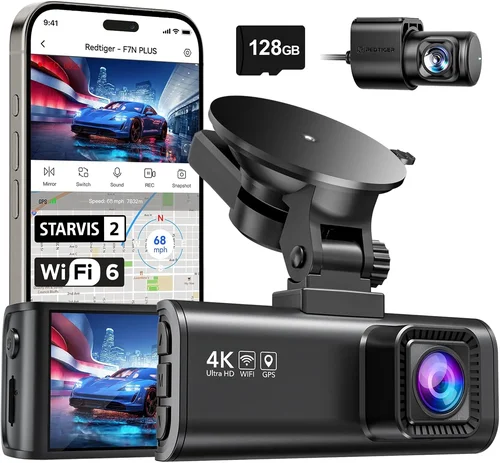
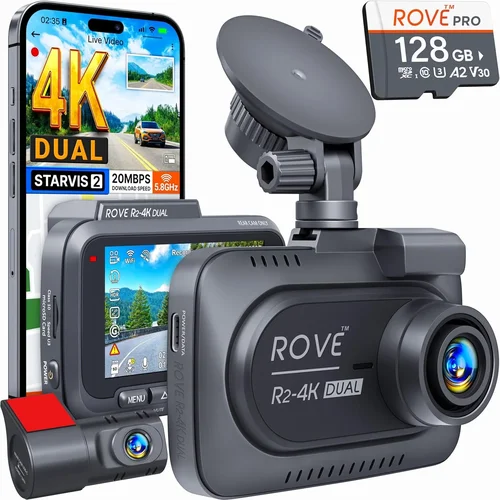
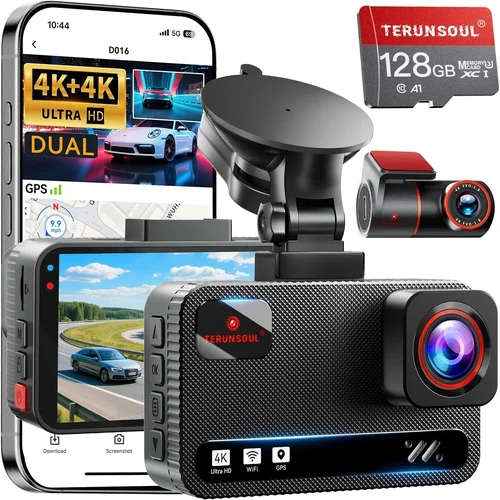
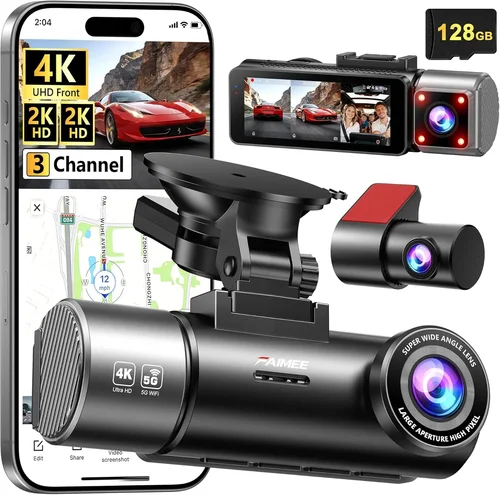
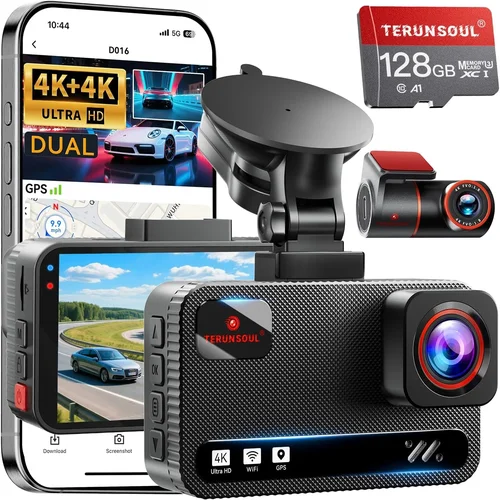
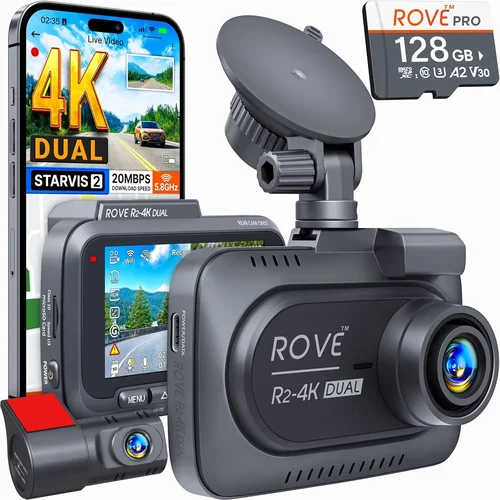
Best Dash Cam Selection Guide
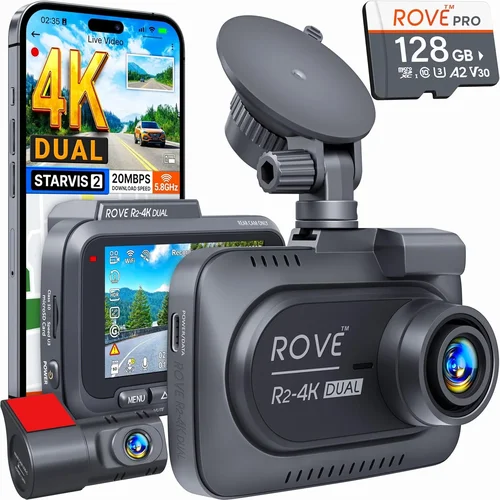
Why choosing the right dash cam for your car matters extends far beyond just capturing video footage. In today’s world, where road incidents can happen in an instant and insurance disputes are increasingly common, having reliable dash cam protection has become essential for drivers across all experience levels. Whether you’re a daily commuter navigating busy city streets, a long-distance traveler covering hundreds of miles each week, or someone who simply wants peace of mind knowing their vehicle is protected, selecting the perfect dash cam requires careful consideration of multiple factors.
This comprehensive buying guide will walk you through everything you need to know about finding the best dash cam for your specific needs and budget. You’ll learn how to evaluate critical features like resolution quality, storage capacity, parking mode capabilities, and night vision performance. We’ll also explore the differences between various types of dash cams, from single-channel setups to advanced dual-camera systems with GPS tracking and cloud connectivity. By the end of this guide, you’ll have the knowledge and confidence to make an informed decision that matches your driving habits, vehicle type, and personal preferences.
The market for automotive recording devices has evolved dramatically over the past decade, offering consumers an impressive array of options at various price points. From basic models that record 1080p video to sophisticated systems featuring 4K recording, emergency event detection, and even AI-powered accident reconstruction, today’s dash cams represent a significant technological advancement compared to earlier generations. Understanding these developments and how they translate into real-world benefits will help you navigate the overwhelming number of choices available on Amazon and other retailers.

What to Look for When Buying Dash Cams
1. Resolution Quality & Video Specifications
When evaluating dash cam resolution, it’s important to understand that higher megapixels don’t always guarantee better video quality. Most dash cams offer either 1080p (Full HD) or 4K Ultra HD recording capabilities, with some premium models pushing into 5K territory. For everyday driving scenarios, 1080p provides excellent detail and is sufficient for identifying license plates and vehicle movements clearly. However, if you frequently drive in challenging lighting conditions or need maximum detail for legal evidence, consider investing in a 4K model.
Look specifically at the camera sensor specifications rather than just resolution numbers. Modern CMOS sensors typically outperform older CCD sensors in low-light situations and dynamic range. The bitrate of the video compression also plays a crucial role—higher bitrates preserve more detail but require larger storage files. A good rule of thumb is to choose dash cams with H.265 video compression, as it offers superior quality-to-file-size ratios compared to older H.264 formats.
Field of view represents another critical specification that directly affects what you’ll capture during an incident. Typical dash cams offer anywhere from 100° to 170° viewing angles, with wider perspectives providing more peripheral coverage but potentially introducing distortion near the edges. For most vehicles, a 140°-150° field of view strikes the optimal balance between comprehensive coverage and minimal fisheye distortion.
2. Storage Capacity & Management
Understanding how dash cam storage works is fundamental to avoiding frustrating situations like missing important footage due to full memory cards. Most dash cams use microSD cards ranging from 32GB to 256GB capacities, with larger cards offering longer recording times before requiring deletion of old files. Consider your typical driving patterns when selecting storage size—frequent highway driving may require more space than city commuting.
Loop recording functionality automatically overwrites the oldest files when storage reaches capacity, ensuring continuous recording without manual intervention. However, many modern dash cams include intelligent event detection that saves critical footage separately in protected storage, preventing accidental deletion during routine loop recording cycles. Always verify whether your chosen model supports this feature if preserving evidence footage is important to you.
Formatting considerations extend beyond simple capacity calculations. Different dash cams have specific requirements for compatible card brands and speeds. Class 10 microSD cards are recommended for smooth 1080p+ recording, while UHS-I or U3 rated cards provide better performance for 4K recording. Some high-end models even support dual-card slots allowing simultaneous recording to both internal storage and external cards, creating automatic backups of critical events.
3. Night Vision & Low-Light Performance
Night driving presents unique challenges for dash cam recording, requiring specialized hardware and software solutions to capture clear footage after dark. Look for models equipped with Sony Starvis sensors, which excel in low-light environments by maximizing light sensitivity while minimizing noise and graininess. These sensors work particularly well when paired with wide aperture lenses (typically f/1.6-f/2.0) that allow more ambient light to reach the sensor.
Many manufacturers implement additional night vision enhancements including infrared LEDs for extremely dark conditions, enhanced image processing algorithms, and specialized exposure controls that prevent overexposure from headlights while maintaining detail in shadowed areas. Some advanced models even include HDR (High Dynamic Range) technology that balances bright and dark elements within the same frame—crucial for capturing both license plate details and dashboard information during nighttime incidents.
Consider testing night vision performance if possible before purchasing, as results can vary significantly between models even when using identical specifications. Real-world testing reveals that some dash cams struggle with whiteout conditions created by direct headlight exposure, while others handle these scenarios remarkably well thanks to sophisticated exposure compensation systems.
4. Parking Mode & Event Detection
Parking mode functionality transforms your dash cam from a driving recorder into a comprehensive security system that monitors your vehicle when parked. This feature is invaluable for protecting against hit-and-runs, vandalism, or theft attempts, though it comes with important power consumption considerations. Most dash cams require constant vehicle power to maintain parking surveillance, making hardwiring solutions essential for extended monitoring periods.
Motion detection algorithms vary widely between manufacturers, affecting how reliably your dash cam identifies potential threats versus false triggers from passing traffic or animals. Advanced models incorporate multiple detection zones that can be customized based on your parking environment—for example, focusing attention on the rear bumper area while ignoring activity near busy sidewalks. G-sensor technology automatically detects sudden impacts or vibrations, triggering immediate recording and saving footage as evidence.
Some premium dash cams offer battery backup systems that allow limited parking mode operation when the vehicle isn’t running, extending protection duration during overnight parking sessions. Always check compatibility between your dash cam and your vehicle’s electrical system before committing to installation, as improper wiring could damage your car’s electronics or void warranty coverage.
5. Build Quality & Weather Resistance
Durability becomes increasingly important as dash cams face harsh automotive environments including extreme temperatures, moisture exposure, and physical vibrations. High-quality models feature robust housing materials like aluminum alloy or reinforced polycarbonate that withstand both heat buildup in summer months and freezing conditions in winter. Look for IPX ratings indicating dust and water resistance levels, with IP65 or higher being ideal for automotive applications.
Lens quality significantly impacts optical performance under varying weather conditions. Multi-coated glass lenses reduce glare from raindrops, snowflakes, or direct sunlight while improving overall clarity. Anti-reflective coatings minimize unwanted reflections from interior cabin surfaces, ensuring clear visibility regardless of lighting changes throughout the day. Temperature tolerance specifications should cover the full range your vehicle might experience—from sub-zero winter mornings to scorching summer afternoons.
Installation considerations also affect build quality perception. Professional-grade mounts with vibration-dampening gaskets absorb engine noise and road vibrations that could otherwise cause image instability. Secure mounting systems prevent dislodging during sudden stops or collisions, maintaining consistent positioning for maximum coverage effectiveness. Always verify mounting hardware compatibility with your windshield type before purchasing, as different glass treatments may require special adhesives or suction cup designs.
6. Audio Recording Capabilities
Built-in microphones enable dash cams to capture both environmental sounds and driver commentary, adding valuable context to recorded incidents. While most audio recording functions adequately for general use, quality varies considerably between budget and premium models. Look for omnidirectional microphones with noise reduction algorithms that filter out wind noise and cabin background sounds while preserving speech clarity.
Legal considerations surrounding audio recording vary by jurisdiction, so research local regulations before enabling continuous audio capture. Many regions require consent notification for recording conversations, which may affect your ability to document certain interactions during traffic stops or accidents. Some advanced dash cams include privacy modes that mute audio recording while maintaining video surveillance, giving you flexibility based on your location and comfort level.
Audio synchronization with video frames ensures precise correlation between sound events and visual occurrences, crucial for accurate accident reconstruction. Check manufacturer specifications regarding sample rates and encoding formats, as higher-quality audio requires more storage space and processing power. Some models offer adjustable audio sensitivity settings that allow customization based on your preferred recording style—from capturing detailed conversations to focusing primarily on environmental sounds.
7. GPS Tracking & Location Services
GPS functionality adds geographical context to your recordings by embedding precise location data, speed measurements, and direction of travel into video files. This information proves invaluable for accident investigations, insurance claims, or simply verifying your route during long trips. Most dash cams with GPS include internal receivers that require clear sky visibility for optimal performance, which can be affected by tall buildings or dense tree cover in urban environments.
Speed logging capabilities automatically record your vehicle’s velocity throughout the journey, creating timestamped records that complement video evidence. Combined with GPS coordinates, this data helps reconstruct timelines and establish liability in disputed incidents. Some advanced models even integrate with mapping services to overlay routes onto video playback, making it easier to review specific segments of your journey.
Privacy concerns arise with GPS-enabled dash cams, as continuous location tracking creates detailed movement histories. Review manufacturer policies regarding data storage and sharing practices before purchasing, ensuring compliance with your personal privacy standards. Many users appreciate the ability to disable GPS features when traveling in sensitive locations or countries with strict surveillance laws, highlighting the importance of configurable privacy settings.
8. Connectivity & Smart Features
Modern dash cams increasingly incorporate smartphone connectivity through Wi-Fi or Bluetooth technologies that enable remote viewing, configuration adjustments, and file management via companion mobile apps. These features add convenience but also introduce cybersecurity considerations, as connected devices create potential entry points for unauthorized access. Always verify encryption protocols and authentication methods used by your chosen manufacturer to protect against data breaches.
Cloud storage integration allows automatic uploading of critical footage to secure online servers, providing offsite backup protection against theft, loss, or damage to physical storage media. Subscription-based services typically offer varying storage tiers with different retention periods, balancing accessibility needs with ongoing costs. Consider whether unlimited cloud storage plans provide adequate value compared to local storage alternatives, especially if you generate large amounts of high-resolution footage regularly.
Voice control capabilities represent another emerging smart feature, enabling hands-free operation during driving scenarios when manual interaction would be distracting or unsafe. Integration with popular virtual assistants like Alexa or Google Assistant expands functionality beyond basic recording commands, though voice recognition accuracy varies significantly between implementations. Always test voice control responsiveness in realistic driving conditions before relying on this feature extensively.
9. Ease of Use & User Interface
Intuitive operation becomes crucial once your dash cam is installed and forgotten, as you won’t want to spend time navigating complex menus during unexpected events. Look for models with clear LED indicators showing recording status, storage capacity, and error conditions without requiring screen interaction. Physical buttons or touchscreen interfaces should respond reliably under various temperature conditions, maintaining functionality even when gloves are worn during winter months.
Menu navigation deserves particular attention, as poorly organized systems can waste precious seconds during critical situations. Well-designed dash cams group related functions logically, with frequently used features accessible through simple button combinations or swipe gestures. On-screen display (OSD) customization options let you adjust information density according to your preferences—from minimal overlays that don’t obstruct view to comprehensive displays showing all available metrics simultaneously.
Setup complexity varies considerably between models, with some requiring extensive wiring harnesses while others offer plug-and-play USB connections to existing cigarette lighter ports. Professional installation services exist for hardwired setups but add significant cost, whereas simpler models suit DIY enthusiasts comfortable with basic automotive electrical work. Always factor in installation time and potential professional fees when comparing total ownership costs.
10. Brand Reputation & Customer Support
Established manufacturers typically offer better reliability and support compared to lesser-known brands, though recent years have seen improved quality across the entire industry. Research user reviews and expert ratings to identify consistent patterns of satisfaction or dissatisfaction, paying particular attention to long-term durability reports beyond initial purchase experiences. Brands with dedicated customer service teams and comprehensive warranty programs provide greater peace of mind regarding post-purchase support.
Warranty terms reveal much about manufacturer confidence in their products’ longevity, with comprehensive coverage including both parts and labor representing stronger commitments than limited return policies alone. Extended warranty options allow protection beyond standard manufacturer periods, useful for vehicles kept for several years or those subjected to demanding usage conditions. Always read fine print regarding coverage exclusions, as physical damage from accidents or improper installation often falls outside standard warranties regardless of brand reputation.
Software update availability indicates ongoing commitment to product improvement, with regular firmware releases addressing bugs, enhancing features, and improving compatibility with new devices or operating systems. Manufacturers supporting their products through multiple years demonstrate greater investment in customer satisfaction compared to companies focused solely on initial sales volume. Check update frequency and ease of implementation before purchasing, as complicated processes discourage users from benefiting from available improvements.
11. Price vs Value Analysis
Determining appropriate spending levels requires balancing desired features against actual needs rather than chasing premium specifications unnecessarily. Entry-level dash cams under $50 deliver basic functionality including 1080p recording and loop playback, suitable for occasional drivers or secondary vehicle protection. Mid-range models between $80-$150 typically include enhanced night vision, GPS tracking, and improved build quality, representing the sweet spot for most daily drivers seeking reliable performance without excessive complexity.
Premium dash cams exceeding $200 incorporate advanced features like 4K recording, dual-channel systems, cloud connectivity, and superior audio capture, appealing to enthusiasts, professionals, or those requiring maximum evidence quality for legal purposes. Luxury models approaching $500 combine industrial-grade components with specialized software algorithms, offering laboratory-tested performance that justifies substantial price premiums for serious users. Always compare feature sets across similar price ranges rather than focusing exclusively on individual specifications.
Hidden costs deserve consideration beyond initial purchase prices, including ongoing expenses for memory cards, cloud subscriptions, and potential professional installation fees. Some manufacturers bundle accessories like wireless rear cameras or additional mounting hardware, reducing total ownership costs compared to purchasing these items separately. Evaluate complete package deals carefully, as promotional pricing often includes nonessential add-ons that inflate perceived value without corresponding utility.
12. Legal Compliance & Privacy Considerations
Understanding local regulations regarding dash cam usage prevents unintended legal complications, particularly concerning audio recording laws that vary significantly between jurisdictions. Many regions require consent disclosure before recording conversations, creating ethical dilemmas during traffic stops or customer service interactions. Some countries completely prohibit audio recording devices in vehicles, necessitating alternative solutions for documenting verbal exchanges during incidents.
Data retention policies affect how long manufacturers store your footage, with privacy-conscious users preferring models offering automatic deletion after specified periods rather than indefinite cloud storage. Review manufacturer privacy statements carefully regarding third-party data sharing practices, especially if considering dash cams with integrated smart features or cloud connectivity options. Opting for locally stored recordings eliminates cloud-related privacy concerns entirely while still providing protection against physical theft or damage.
Disclosure requirements extend to insurance providers, as some companies require notification of dash cam installation for policy eligibility or premium adjustments. Documenting this disclosure in writing protects against future disputes regarding coverage decisions, particularly if claims involve footage captured by your device. Always maintain copies of relevant documentation alongside your dash cam records, creating comprehensive paper trails for insurance and legal proceedings.
Different Types of Dash Cams

Common Buying Mistakes to Avoid
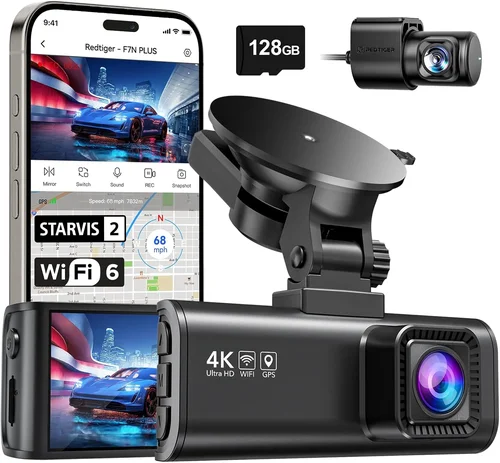
❌ Mistake: Ignoring Night Vision Capabilities
Why it’s bad: Many buyers focus exclusively on daytime recording quality while overlooking how poorly their dash cam performs after dark, resulting in blurry, useless footage during nighttime incidents when evidence matters most.
What to do instead: Prioritize models with proven low-light performance, specifically looking for Sony Starvis sensors and wide-aperture lenses. Test night vision capabilities if possible before purchasing, and consider investing in additional infrared illumination if parking mode protection is important to you.
❌ Mistake: Choosing Based Solely on Price
Why it’s bad: Selecting the cheapest available option often leads to disappointment when basic features fail or build quality proves inadequate for automotive environments, ultimately costing more in replacement purchases or lost evidence value.
What to do instead: Establish clear priorities based on your specific needs rather than simply seeking lowest-cost solutions. Compare feature sets across similar price ranges, and remember that reliable performance justifies reasonable premium investments for long-term protection.
❌ Mistake: Overlooking Storage Requirements
Why it’s bad: Underestimating storage needs results in frequent memory card swaps or accidentally deleting important footage due to insufficient space, defeating the purpose of continuous recording and evidence preservation.
What to do instead: Calculate expected storage consumption based on recording resolution and duration, factoring in additional space for event-triggered footage. Choose dash cams with flexible storage options including expandable microSD slots and cloud backup capabilities when appropriate.
❌ Mistake: Neglecting Installation Complexity
Why it’s bad: Assuming simple plug-and-play installation leads to frustration when wiring proves more complicated than anticipated, potentially damaging vehicle electronics or voiding warranties during DIY attempts.
What to do instead: Research installation requirements thoroughly before purchasing, including power source compatibility and required tools. Consider professional installation services for hardwired systems, especially if you lack automotive electrical experience.
❌ Mistake: Focusing Only on Video Resolution
Why it’s bad: Pursuing maximum megapixels without considering other critical factors like field of view, audio quality, or build durability results in purchasing over-specified equipment that fails to deliver practical benefits for everyday driving scenarios.
What to do instead: Evaluate resolution in context of other specifications, recognizing that 1080p often provides sufficient detail for legal purposes while conserving storage space. Balance technical capabilities with real-world usability and reliability requirements.
❌ Mistake: Ignoring Legal Compliance Issues
Why it’s bad: Unawareness of local recording laws creates potential legal complications, particularly regarding audio capture requirements that vary significantly between jurisdictions and can lead to evidence exclusion in court proceedings.
What to do instead: Research applicable regulations before purchasing, adjusting settings accordingly to ensure compliance. Maintain documentation of legal considerations alongside dash cam records for insurance and legal proceedings.
❌ Mistake: Overlooking Warranty Coverage Details
Why it’s bad:: Relying solely on manufacturer reputation without understanding actual warranty terms exposes buyers to unexpected repair costs when covered components fail due to manufacturing defects or normal usage patterns.
What to do instead:: Read warranty documents carefully before purchasing, noting coverage limits, exclusion clauses, and claim procedures. Consider extended warranty options for high-value systems requiring long-term protection.
Budget Guidelines: How Much Should You Spend?
Entry-Level Dash Cams ($30 – $75)
For occasional drivers or those seeking basic protection without significant investment, entry-level dash cams deliver core functionality at affordable price points. These models typically feature 1080p recording capabilities, loop playback functionality, and straightforward installation processes suitable for plug-and-play operation through cigarette lighter adapters. While lacking advanced features like GPS tracking or superior night vision, entry-level options provide reliable evidence capture for everyday driving scenarios where maximum detail isn’t essential.
Typical characteristics include compact form factors measuring under 3 inches diagonally, making them unobtrusive while mounted on windshields. Limited storage options usually restrict recording duration to 5-15 minutes per microSD card, requiring frequent file management for extended trips. Build quality focuses on essential durability rather than premium materials, though reputable brands maintain acceptable reliability standards within this price range.
Best suited for secondary vehicles, rental cars, or temporary installations where permanent hardwiring isn’t practical. Users should expect simplified interfaces with basic LED indicators showing recording status rather than comprehensive menu systems. Audio recording capabilities may be absent or limited in quality compared to mid-range alternatives, though this reflects budget constraints rather than functional necessity for basic protection purposes.
Mid-Range Dash Cams ($75 – $150)
Representing the sweet spot for most drivers seeking balanced performance and value, mid-range dash cams incorporate significant improvements over entry-level models while remaining accessible to mainstream budgets. These systems typically offer 1080p recording with enhanced night vision capabilities using improved sensors and lens configurations, along with expanded storage options supporting longer recording sessions without frequent file management interruptions.
Advanced features commonly found in this category include GPS tracking for route logging and speed verification, motion-activated parking mode protection, and smartphone connectivity for remote viewing and configuration adjustments. Build quality improves substantially with weather-resistant housings and vibration-dampening mounting systems, ensuring stable operation across diverse driving conditions and environmental exposures.
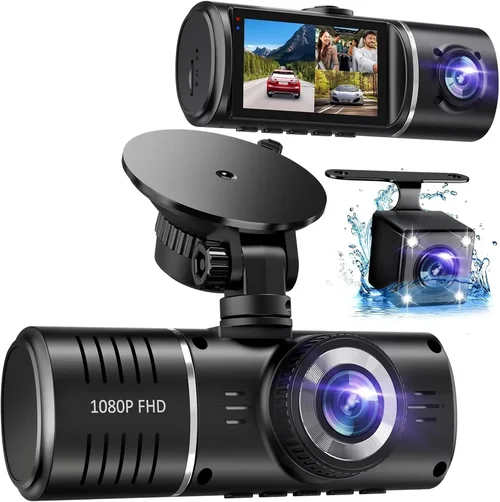
Dual-camera systems begin appearing in mid-range selections, allowing simultaneous front and rear recording capabilities without exceeding budget constraints. Audio recording quality enhances noticeably with directional microphone arrays and noise reduction algorithms, providing clearer environmental context during incident documentation. Professional installation compatibility increases with standardized wiring harnesses and secure mounting solutions suitable for permanent vehicle integration.
Premium Dash Cams ($150 – $300)
For drivers requiring maximum evidence quality and comprehensive protection features, premium dash cams deliver laboratory-tested performance with industrial-grade components designed for demanding usage scenarios. These systems typically feature 4K Ultra HD recording capabilities providing exceptional detail for legal proceedings and insurance claims, along with advanced image stabilization technologies that maintain clarity during high-speed maneuvers or bumpy road conditions.
Sophisticated sensor packages including Sony Starvis 2 technology enable outstanding low-light performance, capturing clear footage even during challenging nighttime driving scenarios or adverse weather conditions. Dual-channel systems with independent rear cameras offer complete vehicle coverage, while cloud connectivity enables automatic uploads of critical footage to secure online servers for offsite backup protection against physical theft or damage.
Enhanced audio capture incorporates studio-quality microphones with advanced noise cancellation algorithms, preserving speech clarity while filtering background distractions. GPS functionality integrates with mapping services for route visualization and speed logging, creating comprehensive digital records of journey parameters alongside visual evidence. Parking mode capabilities extend to battery backup systems allowing overnight surveillance without draining vehicle batteries.
Build quality reaches professional standards with military-grade durability certifications and precision-engineered components resistant to extreme temperatures, moisture intrusion, and physical impact forces. Software ecosystems provide regular firmware updates, customizable interface options, and integration with third-party applications for expanded functionality. While representing significant financial investments, premium systems justify costs through proven reliability and comprehensive feature sets meeting the highest expectations for automotive protection.
Luxury Dash Cams ($300+)
At the top tier of dash cam technology, luxury models combine cutting-edge innovations with specialized applications requiring maximum performance and customization capabilities. These systems typically exceed 4K resolution specifications, incorporating computational photography techniques like super-resolution algorithms that enhance perceived detail beyond native sensor capabilities. Advanced HDR processing balances extreme lighting contrasts within single frames, capturing both license plate details and dashboard information during nighttime incidents without overexposure artifacts.
Specialized sensor configurations address specific usage scenarios, including thermal imaging capabilities for detecting pedestrians in foggy conditions or enhanced spectral sensitivity for capturing ultraviolet or infrared signatures invisible to conventional cameras. Artificial intelligence integration enables predictive analytics based on driving behavior patterns, automatically adjusting recording parameters or alerting drivers to potential hazards before conventional reaction times allow intervention.
Industrial design philosophies prioritize modular architectures allowing component upgrades as technologies evolve, ensuring longevity beyond typical consumer electronic lifespans. Enterprise-focused features include fleet management platforms with centralized monitoring capabilities, automated incident reporting workflows, and integration with existing business intelligence systems for comprehensive risk analysis and operational optimization.
While targeting niche markets including professional drivers, law enforcement agencies, or high-net-worth individuals requiring ultimate protection standards, luxury dash cams demonstrate how automotive recording technology continues advancing toward specialized applications blending consumer convenience with professional-grade reliability and performance metrics unattainable through mainstream consumer products.
Expert Tips for Getting the Best Deal
Seasonal demand fluctuations significantly impact dash cam availability and pricing throughout the year, with spring and fall representing peak selling seasons due to improved weather conditions and increased driving activity. Retailers typically reduce inventory levels during winter months, creating opportunities for deeper discounts on remaining stock before annual model refreshes occur in late spring. Monitoring price history graphs on major e-commerce platforms reveals consistent seasonal patterns allowing strategic timing for optimal savings without sacrificing product quality or warranty coverage.
Bundle opportunities often emerge during promotional periods when manufacturers combine complementary accessories like wireless rear cameras, extended warranties, or premium memory cards at discounted rates compared to individual item pricing. These packages frequently include value-add components that would normally require separate purchases, effectively increasing overall savings while simplifying shopping logistics. Always verify bundle contents match your actual needs rather than accepting unnecessary add-ons that inflate perceived value without corresponding utility.
Refurbished or open-box units represent another avenue for substantial savings, particularly when sourced directly from authorized dealers rather than third-party resellers. These items undergo thorough inspection and reconditioning processes ensuring functional reliability while eliminating original packaging costs. Manufacturer-certified refurbished dash cams typically include full warranty coverage equivalent to new units, providing assurance against hidden defects or quality issues common in lower-tier refurbishment programs.
Loyalty program benefits extend beyond simple point accumulation, with electronics retailers offering exclusive member pricing, early access to sales events, or complimentary shipping that reduces total ownership costs. Signing up for email newsletters provides advance notice of upcoming promotions while enabling comparison shopping across multiple retailers before committing to specific purchases. Some programs even include price matching guarantees ensuring you receive the lowest available rates without additional negotiation efforts.
Extended warranty considerations deserve careful evaluation beyond basic manufacturer coverage periods, particularly for high-value systems requiring long-term protection against component failures or accidental damage. Third-party warranty providers sometimes offer more comprehensive coverage terms than original manufacturers at lower costs, though policy details require careful review to avoid coverage gaps or claim restrictions. Always compare total costs including potential out-of-pocket expenses during warranty periods before selecting protection plans.
Return policy flexibility serves as an important safety net during initial testing phases, allowing hands-on evaluation without financial penalty if product performance doesn’t meet expectations. Major retailers typically offer 30-day return windows with minimal restocking fees for unopened items, while electronics specialists may provide longer evaluation periods or even trial programs extending beyond standard return deadlines. Understanding return procedures including required documentation and shipping arrangements prevents unexpected complications during product assessment phases.
Compatibility verification before purchasing prevents costly mismatches between dash cam specifications and vehicle capabilities, particularly regarding power requirements, mounting options, or regulatory compliance issues. Manufacturer compatibility charts and customer support resources provide valuable guidance during selection processes, while professional installer recommendations offer practical insights unavailable through online research alone. Always confirm electrical system compatibility including fuse ratings and wiring harness requirements before committing to hardwired installations.
User review analysis requires distinguishing between genuine feedback and manipulated content, focusing on verified purchase indicators and detailed performance descriptions rather than simplistic star ratings. Technical forums and enthusiast communities provide deeper insights into real-world usage patterns beyond manufacturer specifications, while professional review sites offer objective comparisons based on standardized testing methodologies. Cross-referencing multiple sources builds comprehensive understanding of product capabilities and limitations before making final purchasing decisions.

Frequently Asked Questions
Q: Can dash cams record audio legally in my state?
A: Audio recording legality varies significantly by jurisdiction, with many regions requiring consent notification before recording conversations. Research local regulations carefully before enabling continuous audio capture, as violations can result in evidence exclusion during legal proceedings. Some areas completely prohibit audio recording devices in vehicles regardless of consent status, necessitating alternative documentation approaches for verbal exchanges during incidents.
Q: How long can dash cams record continuously before running out of storage?
A: Continuous recording duration depends primarily on storage capacity and video resolution settings, with 32GB cards typically supporting 2-4 hours of 1080p recording or 1-2 hours of 4K footage. Higher capacity cards including 64GB, 128GB, and 256GB options extend recording times proportionally, though actual durations vary based on compression efficiency and event-triggered file creation during incident detection.
Q: Do I need to hardwire my dash cam for parking mode protection?
A: Hardwiring provides constant power for extended parking surveillance but isn’t strictly necessary for basic functionality. Many dash cams support USB connections to cigarette lighter adapters allowing overnight protection without permanent vehicle modifications. Professional hardwiring eliminates reliance on auxiliary power sources while providing cleaner installations with integrated fuse protection and dedicated circuits.
Q: What’s the difference between loop recording and event detection?
A: Loop recording automatically overwrites oldest files when storage fills, ensuring continuous operation without manual intervention. Event detection uses accelerometer sensors to identify sudden impacts or vibrations, automatically saving triggered footage to protected storage preventing accidental deletion during routine loop cycles. Most modern dash cams combine both approaches for comprehensive coverage of routine driving and critical incidents alike.
Q: Can dash cam footage be used as evidence in court?
A: Legally admissible dash cam footage requires proper chain-of-custody documentation and technical validation of authenticity, though many jurisdictions accept properly maintained recordings as credible evidence supporting insurance claims or legal proceedings. Footage quality, timestamp accuracy, and absence of tampering significantly impact evidentiary weight, necessitating careful maintenance practices including regular storage backups and metadata preservation.
Q: How do I choose the right microSD card for my dash cam?
A: Select cards with Class 10 minimum speed ratings and UHS-I or U3 specifications for reliable performance at higher resolutions, prioritizing reputable brands known for consistent quality rather than generic no-name alternatives. Verify compatibility with your specific dash cam model through manufacturer documentation, as some systems require particular card formats or capacity limitations affecting available options.
Q: What maintenance does my dash cam require to remain effective?
A: Regular cleaning of lenses and sensors prevents dirt accumulation that degrades image quality, while periodic storage formatting maintains optimal performance and prevents corruption issues during extended use. Firmware updates provided by manufacturers address bugs and enhance features, while physical inspections ensure secure mounting and functional status before critical journeys or extended trips requiring reliable operation.
Q: Can I install multiple dash cams in one vehicle safely?
A: Multiple dash cam installations require careful planning regarding power distribution, storage management, and regulatory compliance, particularly when combining front and rear recording systems with independent sensors and processing units. Professional installers can design integrated solutions balancing coverage requirements with electrical system limitations, while ensuring proper heat dissipation and cable routing prevents interference between components.
Q: How do I recover deleted dash cam footage if my memory card gets formatted accidentally?
A: Recovery probability depends on how quickly you act after accidental formatting, as subsequent writes to the storage medium overwrite previously deleted data making retrieval impossible. Using specialized recovery software designed for flash memory devices increases success chances when applied promptly, though complete restoration isn’t guaranteed especially for heavily used cards with fragmented file structures.
Q: Are wireless dash cams more reliable than wired alternatives?
A: Wireless dash cams eliminate physical connection requirements but introduce potential interference issues from other electronic devices or network congestion that can disrupt signal transmission reliability. Wired systems provide consistent power delivery and data transfer unaffected by electromagnetic interference, though require more complex installation processes involving routing cables through vehicle interiors and securing connections against vibration damage.
Our Final Recommendations
Best for Budget-Conscious Buyers
For drivers seeking reliable protection without significant financial investment, the Rexing V1P delivers exceptional value with its 2K QHD recording capabilities and built-in GPS tracking, all priced comfortably below $80. This model incorporates Sony STARVIS sensor technology ensuring clear nighttime footage while maintaining compact dimensions suitable for discreet installation. Simple operation through intuitive button controls makes it accessible for users unfamiliar with advanced dash cam features, while reliable loop recording functionality preserves important evidence automatically during daily commutes.
Best Overall Value
Representing the ideal balance between performance and affordability, the Nextbase 522GW stands out with its 4K recording resolution, Alexa voice control integration, and emergency SOS features, all packaged within a user-friendly interface suitable for beginners and experienced users alike. Advanced driver assistance capabilities including collision detection and automatic incident saving provide peace of mind during demanding driving scenarios, while cloud connectivity enables seamless file transfer and remote monitoring through mobile applications. Professional-grade build quality ensures reliable operation across diverse environmental conditions without compromising image stability or audio clarity.
Best Premium Option
For those requiring maximum evidence quality and comprehensive protection features, the Garmin DriveSmart 66 offers industry-leading performance with its 4K Ultra HD recording, dual-channel capability, and advanced driver alerts that monitor blind spots and forward collision risks. Integrated voice control and smartphone connectivity simplify operation while providing access to real-time traffic updates and weather information, creating a complete driving companion ecosystem beyond basic recording functionality. Military-grade durability certifications and precision engineering ensure laboratory-tested reliability for demanding usage scenarios including professional fleets and high-performance vehicles.
Best for Beginners
New dash cam users will appreciate the simplicity and reliability of the Vantrue N4, featuring automatic loop recording, built-in WiFi for easy file transfers, and an attractive price point under $100. Its compact design minimizes visual obstruction while providing dependable performance through Sony CMOS sensor technology optimized for clear daytime and nighttime recording. Intuitive setup process and straightforward menu navigation eliminate confusion during initial configuration, while reliable mounting hardware ensures secure placement without requiring professional installation services.
Best for Advanced Users
Experienced dash cam enthusiasts seeking maximum customization and functionality will find the BlackVue DR970-2CH appealing with its dual-channel recording capabilities, cloud connectivity, and professional-grade hardware designed for demanding usage scenarios. Advanced features including GPS tracking, motion detection, and parking mode protection provide comprehensive surveillance coverage while sophisticated firmware options allow granular control over recording parameters and event detection sensitivity. Cloud-based management platforms enable remote viewing and configuration adjustments from any internet-connected device, creating powerful tools for fleet operators or security-conscious individuals requiring maximum protection flexibility.
Conclusion: Making the Right Choice
Selecting the perfect dash cam involves balancing multiple competing priorities including budget constraints, feature requirements, installation complexity, and personal preferences regarding ease of use versus advanced functionality. Rather than pursuing maximum specifications regardless of actual needs, successful buyers focus on identifying their specific pain points—whether it’s reliable nighttime recording, comprehensive parking protection, or legal-grade evidence quality—and matching those requirements to appropriate product categories within realistic spending ranges.
Remember that no single dash cam delivers perfect performance across all scenarios, so prioritize features most relevant to your driving habits and environmental conditions. Urban commuters facing heavy traffic may benefit more from wide-angle coverage and advanced audio capture, while long-distance travelers might prioritize GPS tracking and cloud storage capabilities for trip documentation. Seasonal variations in driving patterns also influence optimal feature selections, with winter users needing enhanced night vision and weather resistance more than occasional summer drivers.
Ongoing maintenance practices significantly impact long-term effectiveness, including regular cleaning schedules, firmware updates, and storage management routines that preserve evidence integrity when needed most. Building relationships with knowledgeable retailers or professional installers provides valuable guidance during selection processes while ensuring proper setup procedures prevent technical issues or safety concerns down the road. Always verify compatibility requirements before purchasing, particularly regarding power sources, mounting options, and regulatory compliance issues that vary between jurisdictions.
Ultimately, the best dash cam represents more than just a recording device—it serves as your vehicle’s vigilant guardian, providing peace of mind through reliable evidence capture while deterring potential threats through visible deterrence. By approaching selection thoughtfully and prioritizing your unique needs over marketing hype or trendy features, you’ll find equipment that delivers lasting value while protecting your interests during every mile traveled.