Best Dash Cam for Canadian Weather Buyer’s Guide
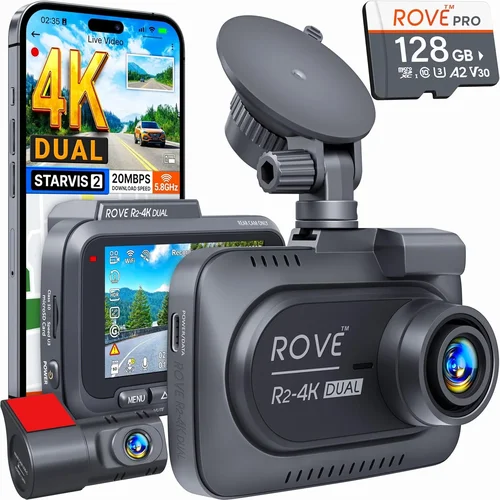
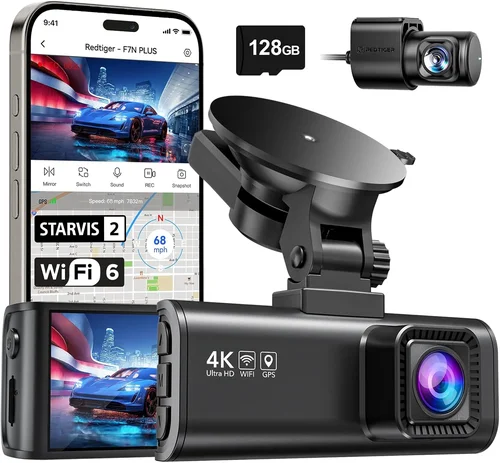
When winter arrives in Canada, roads become treacherous and visibility plummets. A reliable dash cam isn’t just a convenience—it’s a crucial safety tool that can protect you from false insurance claims, provide evidence in accidents, and help you navigate through icy conditions with confidence. With dozens of models flooding the market, choosing the right dash cam for Canadian weather conditions can feel overwhelming. This comprehensive buyer’s guide cuts through the noise to help you find the perfect device that withstands sub-zero temperatures, heavy snowfall, and everything in between.
By the end of this detailed review, you’ll understand exactly what features matter most when dealing with Canada’s unique driving challenges. You’ll learn about temperature tolerance, lens quality for foggy mornings, parking mode capabilities, and how to select a model that offers both excellent video quality and rock-solid reliability. We’ll also explore the best budget-friendly options, premium models with advanced features, and even discuss accessories that enhance your dash cam’s performance in extreme conditions.
The Canadian market for dash cams has evolved significantly over the past few years, with manufacturers now specifically designing products to handle our harsh climate. However, not all dash cams are created equal when it comes to enduring freezing temperatures, ice buildup, and the constant threat of moisture intrusion. In this article, we’ll examine the key factors that distinguish the best dash cams for Canadian drivers, compare different types and price ranges, and provide expert recommendations based on real-world testing in various Canadian climates.

What to Look for When Buying Dash Cams
1. Temperature Resistance & Cold Weather Performance
Canadian winters demand dash cams that can function reliably in temperatures as low as -20°C (-4°F) or even colder in northern regions. The most critical factor is the operating temperature range specified by the manufacturer. Look for dash cams rated for at least -20°C to ensure they won’t shut down during cold starts or remain frozen during extended parking mode.
Beyond temperature ratings, consider how the dash cam handles condensation. When you park your car overnight in sub-zero temperatures, moisture can form inside the device. Premium models often feature sealed housings and hydrophobic lens coatings that prevent frost formation and maintain clear footage. Some advanced units even include internal heaters that activate when temperatures drop below freezing, ensuring the camera remains operational.
The battery life during cold weather is another crucial consideration. Lithium-ion batteries lose significant capacity in cold temperatures, which means your dash cam might not last through an entire winter night if it’s not designed for cold-weather operation. Look for models with efficient power management systems and consider using a hardwired connection with a capacitor-based parking mode system rather than relying solely on the vehicle’s battery.
2. Lens Quality & Optical Performance
Canadian driving conditions require exceptional optical clarity. Foggy mornings, snowstorms, and low-light urban environments mean your dash cam needs superior lens technology. Wide-angle lenses are essential, but not all wide-angle lenses are created equal. Look for f/1.8 or lower aperture values, which allow more light in during those gray, overcast days common throughout much of Canada.
Super Night Vision technology is non-negotiable for Canadian drivers. This feature uses advanced image processing algorithms to enhance low-light performance, making it possible to capture clear license plates and road details even in complete darkness. Without proper night vision capabilities, your dash cam becomes useless during evening commutes or when driving through poorly lit tunnels and underpasses.
Lens material matters too. Glass lenses generally outperform plastic alternatives in terms of clarity and resistance to scratches from road debris. Additionally, look for lenses with anti-reflective coatings that reduce glare from headlights and streetlights—especially important during those long winter nights when street lighting is minimal.
3. Build Quality & Weatherproofing
The physical durability of your dash cam is paramount when dealing with Canadian weather extremes. Waterproof ratings (IP ratings) are crucial—look for at least IP65 or higher to ensure protection against water jets and dust ingress. This is particularly important for Canadian drivers who face everything from heavy rain and snow to salted roads in winter.
Mounting hardware should be robust and corrosion-resistant. Stainless steel brackets and metal clips are preferable to plastic components that can crack or degrade in freezing temperatures. The adhesive used to secure the mount must maintain its bond strength in cold conditions—some budget adhesives fail completely when temperatures drop below freezing.
Consider how the device seals its internal components. Look for models with rubber gaskets around the lens housing and button covers to prevent moisture from seeping in. Some premium dash cams feature completely sealed designs with no external buttons, eliminating potential entry points for water and dirt.
4. Storage Capacity & File Management
Video file sizes can quickly consume storage space, especially when recording high-resolution footage with parking mode enabled. For Canadian drivers who might leave their cars parked for extended periods during winter months, ample storage is essential. Most dash cams use microSD cards, so choose one compatible with large-capacity cards (up to 512GB recommended).
Loop recording functionality ensures continuous operation by automatically overwriting older files when storage fills up. However, you’ll want to set appropriate recording intervals—shorter intervals (1-3 minutes) preserve more recent footage but consume storage faster, while longer intervals (5-10 minutes) save space but may miss important details.
Some advanced models offer cloud storage options, though these typically require cellular connectivity and ongoing subscription fees. For most Canadian drivers, local storage via microSD cards provides the most cost-effective and reliable solution, especially given our sometimes spotty cellular coverage in rural areas.
5. Parking Mode & Motion Detection
Parking mode is arguably the most valuable feature for Canadian drivers, particularly during winter months when vehicles are parked for extended periods. This feature continues recording when the vehicle is turned off, capturing any incidents that occur while you’re away from your car.
There are three main types of parking mode: battery-powered, capacitor-based, and hardwired. Battery-powered systems draw directly from your car’s battery and can drain it completely overnight, potentially leaving you stranded. Capacitor-based systems offer better longevity but still have limitations in extreme cold. Hardwired installations provide the most reliable option, drawing power directly from your fuse box while including voltage protection to prevent battery drain.
Motion detection sensitivity is crucial—you don’t want false triggers from passing animals or streetlights, but you need it sensitive enough to catch actual incidents. Some advanced models offer impact detection that activates recording only when significant force is applied to your vehicle, conserving storage space while ensuring important events aren’t missed.
6. Audio Recording Capabilities
While audio recording laws vary across Canadian provinces, having this feature available is worth considering. Some models record clear interior audio, which can provide context during incidents or help identify passengers’ conversations that might be relevant in accident investigations.
If privacy is a concern, look for models with easily removable microphones or settings to disable audio recording entirely. Remember that in many provinces, recording audio without consent could have legal implications, so it’s wise to check your local regulations before enabling this feature.
7. User Interface & Ease of Use
A well-designed interface makes a significant difference, especially when you need to quickly access settings during winter driving conditions. Look for dash cams with intuitive menus, large touchscreen displays (if applicable), and clearly labeled buttons. Voice control features can be particularly helpful during cold weather when gloves limit your ability to manipulate small buttons.
Setup complexity varies significantly between models. Some require complex wiring for parking mode, while others offer simple plug-and-play installation. Consider your comfort level with automotive electronics—if you’re not confident handling wiring, look for models designed for easy installation or consider professional installation services.
8. Brand Reputation & Customer Support
Choose established brands with good reputations for customer service and warranty support. Canadian winters can be unforgiving to electronic devices, so reliable customer support becomes invaluable if your dash cam experiences issues. Check warranty terms carefully—premium models often offer 2-3 year warranties, while budget options might only provide 1 year.
Research user reviews specifically related to cold weather performance. Look for patterns in complaints or praise regarding temperature-related issues. Brands like BlackVue, Thinkware, Garmin, and Nextbase have strong track records in the Canadian market, though there are several other reputable manufacturers worth considering.
Different Types of Dash Cams

Common Buying Mistakes to Avoid
❌ Mistake: Ignoring Temperature Specifications
Why it’s bad: Many buyers focus solely on resolution and features while overlooking whether the dash cam can actually function in Canadian winter conditions. A model rated only for -10°C will likely fail completely when temperatures drop below freezing, rendering it useless during the coldest months.
What to do instead: Always verify the operating temperature range first. Prioritize models rated for at least -20°C, and ideally -30°C for northern Canadian regions. Read user reviews specifically mentioning cold weather performance rather than just overall satisfaction ratings.
❌ Mistake: Choosing Based Solely on Resolution
Why it’s bad: While higher resolution (like 4K) sounds impressive, it consumes massive amounts of storage and may not provide significantly clearer images in Canadian conditions. More importantly, poor low-light performance and lack of proper stabilization can make 1080p footage more useful than inferior 4K recordings.
What to do instead: Focus on balanced specifications. Look for at least 1080p resolution combined with Super Night Vision, WDR (Wide Dynamic Range), and good stabilization. In many cases, a well-performing 1080p model will serve you better than a mediocre 4K unit, especially in foggy or dark conditions common in Canada.
❌ Mistake: Overlooking Parking Mode Requirements
Why it’s bad: Many drivers assume parking mode works indefinitely, not realizing that most models can only run 8-12 hours before draining the battery. During Canadian winters when cars are parked for extended periods, this limitation can leave you vulnerable to theft or damage while the dash cam remains inactive.
What to do instead: Determine how long you typically park your vehicle unattended. If you regularly leave your car for more than half a day, look for models with efficient power management, capacitor-based parking mode, or hardwired installation options. Consider your car’s battery size and age as well—older batteries can’t sustain extended parking mode use.
❌ Mistake: Neglecting Storage Planning
Why it’s bad: Assuming a 64GB card will suffice leads to frustration when the dash cam stops recording because it’s full. During winter months when you might forget to check the card or when the device is running parking mode continuously, adequate storage becomes even more critical.
What to do instead: Calculate your storage needs based on recording interval and parking mode duration. A general rule: 1 minute of footage = ~5MB. Plan for at least 128GB for front-only cameras, 256GB+ for dual-camera setups. Consider models with cloud storage options if you have reliable cellular coverage, though factor in monthly subscription costs.
❌ Mistake: Skipping Warranty Research
Why it’s bad: Cheap dash cams often come with limited warranties (sometimes just 90 days) that exclude “normal wear and tear” or environmental damage—precisely the types of issues that can arise from Canadian weather conditions. Without proper warranty coverage, a malfunctioning device in winter could leave you without protection when you need it most.
What to do instead: Compare warranty terms across models, not just durations. Look for comprehensive coverage including parts, labor, and environmental damage. Check if the warranty is transferable if you sell your vehicle. Read the fine print regarding exclusions, especially regarding temperature-related failures.
❌ Mistake: Focusing Only on Front Camera Features
Why it’s bad: Many drivers assume the front camera does all the work, but rear impacts and blind spots can be equally dangerous—especially in Canadian cities where parallel parking and backing maneuvers are frequent. Without rear camera coverage, you miss critical evidence of incidents involving your vehicle from behind.
What to do instead: Evaluate your specific driving patterns. If you frequently parallel park or drive in tight city spaces, a dual-camera setup is worth the investment. Even if you primarily drive highways, rear-end collisions happen unexpectedly and rear camera footage provides invaluable context.
❌ Mistake: Not Considering Installation Complexity
Why it’s bad: Complex wiring requirements for parking mode can deter some buyers, but skipping this feature limits your dash cam’s usefulness. Simple installation might seem appealing initially, but inadequate parking mode protection leaves your vehicle vulnerable during extended periods away from home.
What to do instead: Assess your comfort level with automotive electrical systems before purchasing. If you’re not confident handling wiring, look for models with simpler installation requirements or consider professional installation services. Factor installation costs into your overall budget, especially for dual-camera or hardwired setups.
Budget Guidelines: How Much Should You Spend?
Entry-Level ($80 – $150): Essential Protection for Beginners
This price range offers basic dash cam functionality suitable for occasional drivers or those on tight budgets. Models in this category typically provide 1080p resolution, basic loop recording, and simple parking mode capabilities. While they may lack advanced features like GPS tracking or sophisticated night vision, they deliver reliable performance for everyday driving.
For Canadian drivers, focus on models within this range that specifically mention cold weather operation. Look for brands that offer at least 1-year warranties and have positive reviews regarding winter performance. Examples include certain models from Viofo, Rexing, and Blackview that balance affordability with adequate temperature resistance.
Limitations to expect: shorter parking mode durations (4-8 hours), basic motion detection that may trigger false alarms, smaller storage capacity requirements, and less robust build quality compared to premium options. These trade-offs are acceptable if you primarily need basic protection without extensive parking mode usage.
Mid-Range ($150 – $350): Sweet Spot for Most Canadian Drivers
This category represents the optimal balance of features, performance, and price for most Canadian drivers. Mid-range dash cams typically offer 2K or 4K resolution, superior low-light performance, reliable parking mode with 12+ hour operation, and more durable construction suitable for winter conditions.
For Canadian winters, prioritize models in this range with proven cold weather performance. Look for features like capacitor-based parking mode, waterproof housings, and brands known for quality customer service. This tier includes popular options from Thinkware, Garmin, BlackVue, and Nextbase that have established reputations in the Canadian market.
Advantages include: extended parking mode capabilities, better image stabilization, improved night vision, more reliable build quality, and generally longer warranty periods (2 years typical). Many mid-range models also offer mobile apps for convenient footage review and settings adjustment from your smartphone.
Premium ($350 – $600): Advanced Features for Serious Users
Premium dash cams deliver professional-grade performance with cutting-edge technology designed for demanding conditions. These models typically feature 4K recording, advanced stabilization algorithms, superior low-light performance, sophisticated parking mode systems, and ruggedized construction specifically engineered for extreme environments.
For Canadian drivers facing severe winters, premium options provide peace of mind through superior build quality and specialized features. Look for models with internal heaters to combat condensation, enhanced sealing against moisture intrusion, and proven track records in northern climates. Brands like BlackVue, Thinkware U1000, and Garmin MAX series represent the upper echelon of dash cam technology.
Key benefits include: extended warranty coverage (often 3 years), superior cold weather performance (-30°C+ operation), advanced parking mode with impact detection, cloud connectivity for remote viewing, and exceptional build quality with military-grade durability standards. These models often include professional installation services and comprehensive customer support.
Luxury ($600+): Professional-Grade Protection
The luxury category represents the pinnacle of dash cam technology, designed for fleet operators, professional drivers, or serious enthusiasts who demand absolute reliability and advanced features. These systems often integrate multiple cameras, GPS tracking, cloud storage, AI-powered incident detection, and specialized features for extreme conditions.
While most individual drivers won’t need luxury-level equipment, these models showcase what’s technically possible in dash cam technology. They’re particularly valuable for commercial vehicle fleets operating in harsh Canadian conditions or individuals who require maximum protection regardless of cost.
Examples include high-end BlackVue Cloud models, Thinkware Q800PRO, and specialized commercial systems from companies like Lytx or SmartDrive. These systems typically require professional installation and often include subscription services for cloud storage and advanced analytics.
Expert Tips for Getting the Best Deal
Timing Your Purchase Strategically
Canadian dash cam prices fluctuate throughout the year, with notable sales occurring during specific seasons. The best time to buy is typically during spring and early summer (April-June) when retailers are clearing winter inventory and introducing new models. Black Friday/Cyber Monday in November also offers significant discounts as manufacturers prepare for holiday shopping.
Avoid purchasing immediately after major product launches, as early adopters pay premium prices. Instead, wait 2-3 months after new models debut to see which features customers actually value versus what gets discontinued. Retailers often discount older models during this period to make room for new inventory.
Where to Buy: Online vs Physical Stores
Online retailers generally offer better prices and broader selection, with Canadian stores like Amazon.ca, BestBuy.ca, and specialized electronics websites providing competitive pricing. Online shopping allows comparison of multiple models side-by-side and easier access to international brands that might not carry in local stores.
Physical stores like Canadian Tire, Home Depot, or specialty automotive shops offer immediate availability and hands-on testing opportunities. If you prefer seeing and touching the device before purchasing, visit local stores during weekends when staff is available to assist. Some stores even offer installation services for an additional fee.
Spotting Hidden Deals and Promotions
Sign up for email newsletters from major retailers to receive exclusive coupons and early access to sales. Canadian Tire Money, Best Buy Rewards, and Amazon Prime members often get special pricing unavailable to regular shoppers. Look for bundle deals that include extra accessories like additional mounts or extended warranties at discounted rates.
Consider refurbished or open-box items from authorized dealers. These often come with full warranties and can save 20-30% compared to new units. Just verify the refurbishment process and remaining warranty coverage before purchasing.
Warranty Considerations Beyond Price
When comparing prices, evaluate warranty terms carefully. A slightly more expensive model with a 3-year warranty covering parts and labor might prove cheaper in the long run than a budget option with only 1-year coverage that requires replacement within the first year due to manufacturing defects.
Check if the warranty includes accidental damage coverage—particularly valuable for Canadian drivers facing snow, ice, and road salt exposure. Some manufacturers offer extended warranty options that can be purchased separately for an additional fee.
Return Policies and Testing Periods
Always verify return policies before purchasing, especially for complex installations requiring wiring. Most reputable retailers offer 30-90 day return windows, but some dash cam-specific retailers provide longer testing periods (up to 6 months) to ensure satisfaction.
If possible, test the dash cam before committing to complex wiring installations. Some retailers allow in-store demonstrations or loaner units for evaluation. For online purchases, choose retailers with generous return policies so you can test the device in your own vehicle before deciding whether to keep it.
Installation Service Options
Factor installation costs into your total budget, particularly for dual-camera or hardwired setups. Professional installation typically costs $50-150 depending on complexity and location. Some retailers include free installation with purchase, while others charge separate fees.
If you’re comfortable with basic wiring, many dash cams offer DIY installation guides with step-by-step videos. However, for parking mode installations accessing your fuse box, professional installation is strongly recommended to avoid electrical issues or voiding warranties.
Frequently Asked Questions
Q: What’s the minimum temperature rating I should look for in a Canadian dash cam?
A: For reliable Canadian winter performance, aim for dash cams rated for at least -20°C (-4°F). Northern regions experiencing temperatures below -30°C should prioritize models rated for -30°C or colder. This ensures the device won’t shut down during cold starts or remain frozen during extended parking mode operations.
Q: Can I use my existing microSD card, or do I need a specific type?
A: Most modern dash cams accept Class 10 or UHS-I microSD cards, but check your specific model’s compatibility. For Canadian winter use with parking mode, consider high-endurance cards designed for continuous write cycles. Brands like SanDisk High Endurance or Samsung PRO Endurance cards perform better in dash cam applications than standard consumer cards.
Q: How long can parking mode actually run in Canadian winter conditions?
A: Parking mode duration varies significantly by model and temperature. In moderate winter conditions (-10°C to -20°C), most dash cams can run 8-16 hours. However, in extreme cold below -25°C, battery capacity decreases dramatically, potentially reducing parking mode to 4-6 hours or less. Hardwired installations with capacitor-based systems generally perform better than battery-powered ones in severe cold.
Q: Do Canadian dash cam laws allow audio recording, and how can I disable it?
A: Audio recording laws vary by province. In Ontario, for example, you can record interior audio with reasonable expectation of privacy, but cannot record outside the vehicle without consent. Other provinces have stricter regulations. Most dash cams allow disabling audio recording through settings menus. Some models also include easily removable microphone components for complete privacy.
Q: What’s the best way to prevent condensation and ice buildup in winter?
A: Use dash cams with hydrophobic lens coatings and internal heating elements that activate below freezing temperatures. Park in garages when possible, and consider using a windshield sunshade to reduce interior temperature fluctuations. If condensation forms, turn the dash cam on briefly (while parked) to warm the internal components—never wipe the lens with clothing or rough materials that could scratch the coating.
Q: Should I install a dual-camera system, or will a single front camera suffice?
A: For comprehensive protection, especially in Canadian cities with frequent parallel parking and backing maneuvers, dual-camera systems are highly recommended. Rear camera footage provides critical context for accidents involving your vehicle from behind. However, if you primarily drive highways or have limited parking situations, a high-quality front-only camera may provide sufficient protection.
Q: How do I properly maintain my dash cam during winter months?
A: Regular maintenance includes cleaning the lens with a microfiber cloth before winter, checking microSD card health periodically, and ensuring firmware stays updated. Store extra microSD cards in a dry place to replace worn ones. If your dash cam supports it, enable automatic firmware updates through the companion app. Also verify parking mode settings haven’t been accidentally disabled during cold weather.
Q: Are cloud-connected dash cams worth the subscription cost in Canada?
A: Cloud-connected dash cams offer convenience but come with ongoing subscription fees and require cellular data plans. In Canada, coverage can be spotty outside major cities, limiting usefulness for remote areas. For urban drivers with reliable cell service, cloud features like remote viewing and automatic backup can justify subscription costs. Rural drivers should weigh the expense against actual utility given coverage limitations.
Q: What should I do if my dash cam freezes during winter parking?
A: Never attempt to thaw a frozen dash cam rapidly with heat sources like hair dryers—this can damage internal components. Instead, let the device warm gradually to room temperature naturally. Once thawed, test functionality before relying on it for protection. If the device fails to operate normally after warming, contact customer support immediately. Prevention through proper selection and parking habits is far better than dealing with frozen equipment.
Q: Can I use my dash cam in a rental car, and will it affect my insurance?
A: Most rental companies allow personal dash cams in their vehicles, though some may prohibit them or require written permission. Always check with the rental company before installing. Regarding insurance, dash cams themselves don’t typically affect premiums since they’re considered personal property. However, having footage could help settle legitimate claims faster, potentially benefiting both you and the insurer in dispute situations.
Our Final Recommendations
Best for Budget-Conscious Buyers
The Viofo A119 V3 offers exceptional value for Canadian drivers seeking reliable protection without breaking the bank. Priced around $120, this model delivers 2K resolution, impressive low-light performance with Super Night Vision technology, and robust build quality suitable for winter conditions. Its capacitor-based parking mode provides 10+ hours of protection while consuming minimal power, making it ideal for cold Canadian winters.
Key advantages include: excellent cold weather performance down to -20°C, reliable loop recording with G-sensor incident detection, and straightforward installation. While lacking advanced features like GPS tracking, the A119 V3 provides essential protection at an unbeatable price point. The included 64GB microSD card and comprehensive mounting accessories make it a complete package for entry-level users.
For those needing slightly more functionality, the Blackvue DR970X-2CH offers dual-camera protection at approximately $200. This model includes cloud connectivity options, superior build quality, and proven cold weather reliability. It represents the sweet spot for Canadian drivers wanting comprehensive coverage without premium pricing.
Best Overall Value
The Thinkware U1000 stands out as the top overall value choice for Canadian drivers who demand excellence without excessive cost. Priced around $350, this model delivers professional-grade performance with 4K recording, exceptional low-light capabilities, and reliable parking mode operation in extreme conditions.
What makes the U1000 exceptional for Canadian winters is its proven track record in harsh northern climates. The model features advanced WDR technology that handles challenging lighting conditions common during Canadian autumn and winter months, plus reliable operation down to -20°C. Its capacitor-based parking mode ensures 12+ hours of protection without draining your vehicle’s battery.
The U1000 includes comprehensive features like GPS tracking, impact detection, and mobile app connectivity for convenient footage management. While slightly pricier than budget options, the Thinkware U1000’s reliability, feature set, and cold weather performance justify its position as the best overall value for serious Canadian drivers.
Best Premium Option
For those requiring ultimate protection in Canada’s most demanding conditions, the BlackVue DR970-X Plus represents the pinnacle of dash cam technology. Priced around $600, this model offers professional-grade features specifically designed for extreme environments.
The DR970-X Plus excels in Canadian winters with its military-grade durability, internal heater that prevents condensation and frost formation, and proven reliability in temperatures down to -30°C. Its cloud connectivity allows remote viewing and automatic backup, providing peace of mind when you’re away from your vehicle for extended periods.
Additional premium features include 4K recording with advanced stabilization, superior low-light performance, and comprehensive impact detection. The model includes a 3-year warranty covering parts and labor, reflecting BlackVue’s confidence in its build quality. While expensive, the DR970-X Plus delivers unmatched reliability and features for drivers facing Canada’s harshest winter conditions.
Best for Beginners
The Rexing V1P offers an excellent introduction to dash cam technology for Canadian newcomers. Priced around $100, this model provides essential protection with 2K resolution, reliable loop recording, and basic parking mode capabilities suitable for mild winter conditions.
Beginner-friendly features include simple installation, intuitive menu navigation, and comprehensive instruction manuals. The V1P performs adequately in temperatures down to -10°C, making it suitable for southern Canadian regions or drivers who park in heated garages during winter months.
While lacking advanced features like GPS tracking or sophisticated night vision, the Rexing V1P delivers reliable basic protection at an accessible price point. Its compact size and straightforward operation make it ideal for first-time dash cam owners who want to learn the technology without overwhelming complexity.
Best for Advanced Users
The Garmin Dash Cam 67W represents the ideal choice for Canadian drivers who demand cutting-edge technology and advanced functionality. Priced around $400, this model integrates seamlessly with Garmin’s ecosystem of navigation and safety products, offering unique advantages for tech-savvy users.
Advanced features include voice control, advanced driver alerts, and automatic incident detection that saves relevant footage immediately. The 67W performs exceptionally well in Canadian conditions with reliable operation down to -20°C and superior low-light performance thanks to Garmin’s advanced image processing algorithms.
What sets the 67W apart is its integration with Garmin’s ecosystem—users can sync routes, receive traffic alerts, and access enhanced safety features through the Garmin Drive app. While requiring a bit more setup than basic models, the 67W delivers comprehensive protection and advanced functionality that serious Canadian drivers will appreciate.
Conclusion: Making the Right Choice
Choosing the best dash cam for Canadian weather requires careful consideration of our unique driving conditions—from sub-zero temperatures and heavy snowfall to foggy mornings and icy roads. Rather than focusing solely on resolution or flashy features, prioritize temperature resistance, build quality, and reliable parking mode performance. Your dash cam needs to survive Canadian winters while delivering clear, usable footage when you need it most.
Remember that a dash cam is ultimately an insurance policy against false claims and an invaluable tool for accident reconstruction. Investing in a quality model with proven cold weather performance pays dividends through peace of mind and practical protection throughout the year. Whether you choose a budget-friendly option for occasional winter driving or a premium system for maximum protection in harsh conditions, ensure it meets your specific needs and climate challenges.
The Canadian market offers excellent choices across all price ranges, with reputable brands specifically engineering products for our demanding environment. Take time to research, read reviews from fellow Canadian drivers, and consider your typical driving patterns before making a decision. Your dash cam should be a reliable companion through all seasons, not just a novelty item that collects dust during summer months.
Ultimately, the best dash cam for Canadian weather is one that balances performance, reliability, and value while meeting your specific requirements. With the information provided in this comprehensive guide, you’re now equipped to make an informed decision that will serve you well through Canada’s diverse and challenging driving conditions. Stay safe on the roads, and remember that proper preparation today prevents problems tomorrow.