Ultimate 2026 Hyundai Tucson Dash Cam Buying Guide
The 2026 Hyundai Tucson represents a significant leap in design, technology, and safety, making it one of the most compelling mid-size SUVs on the market today. With its sleek styling, hybrid powertrain options, and state-of-the-art infotainment system, this model continues Hyundai’s tradition of blending performance with practicality. But beyond its impressive specs and user-friendly interface lies a growing need among drivers to enhance their protection on the road.
That’s where dash cameras come into play. Whether you’re commuting through busy urban streets, traveling long highway stretches, or simply seeking peace of mind while parked, a high-quality dash cam can provide crucial evidence in the event of an accident, document potential insurance fraud, or capture memorable moments on the road. For 2026 Tucson owners, choosing the right dash cam isn’t just about convenience—it’s about maximizing the value and safety of a premium vehicle investment.
This comprehensive buying guide is designed specifically for 2026 Hyundai Tucson owners who want expert-level insight into selecting the best dash cam for their needs. We’ll walk you through every critical decision point—from resolution and recording capabilities to compatibility, installation, and smart features. By the end, you’ll know exactly what to look for and why, ensuring you make a choice that enhances both your driving experience and legal protection.
Whether you’re a first-time dash cam buyer or upgrading from an older model, this guide will equip you with the knowledge to navigate the rapidly evolving landscape of automotive video technology. Let’s dive deep into what makes a dash cam truly stand out—and how to find the perfect match for your 2026 Hyundai Tucson.
—

What to Look for When Buying Dash Cams
Selecting the ideal dash cam requires more than just glancing at product descriptions or price tags. It involves understanding how different features impact real-world performance, especially in diverse weather conditions, lighting environments, and daily driving scenarios. Below are the key factors every Tucson owner should evaluate before purchasing.
1. Resolution & Video Quality
Why it matters: The clarity of your recorded footage directly affects its usability as evidence or documentation. Higher resolution means sharper details, which are essential for identifying license plates, road signs, and facial expressions in disputes or accidents.
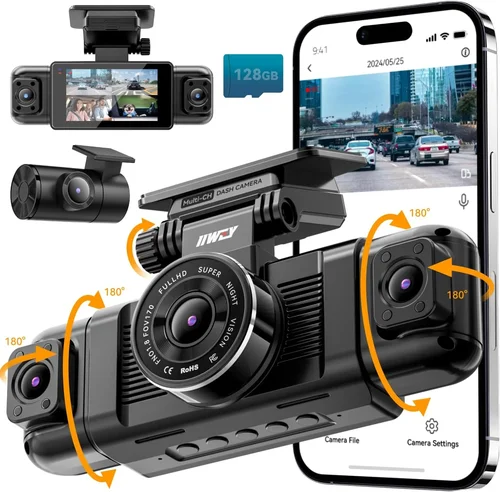
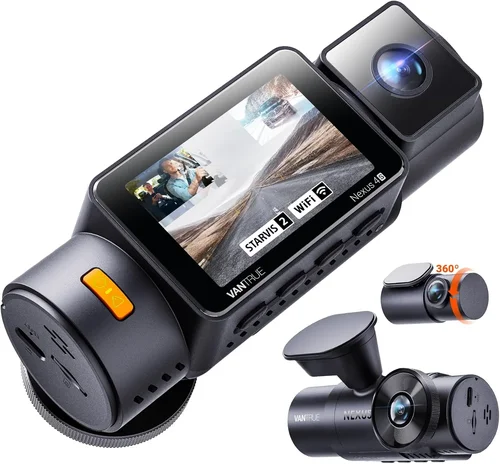
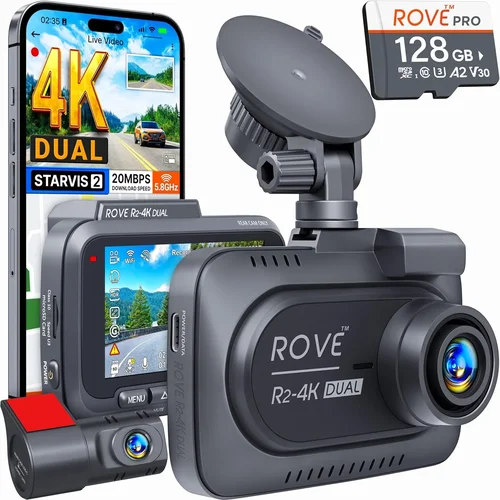
Look for dash cams offering at least 2K (QHD) resolution, though 4K models now offer exceptional detail without overwhelming storage demands. Dual-lens systems—front and rear—are highly recommended, providing 4K+ front recording and Full HD for the rear. This setup gives you complete coverage, especially important given the Tucson’s open rear cargo space and frequent use for transporting passengers or goods.
Additionally, check the camera sensor quality. A larger CMOS sensor performs better in low light, which is crucial during dawn, dusk, or cloudy days—common in many regions where Tucson drivers operate.
2. Field of View (FOV)
Why it matters: A wider field of view captures more of the road ahead, reducing blind spots and ensuring critical context is included in recordings.
Most quality dash cams offer between 120° and 170° horizontal FOV. For city driving with frequent intersections and lane changes, aim for at least 150°. However, extremely wide angles (over 170°) can distort images at the edges—known as “fisheye” distortion—which may reduce evidentiary credibility. Look for lenses with minimal distortion correction issues.
In the context of the 2026 Hyundai Tucson, which features sharp, modern lines and aggressive front-end design, a balanced FOV helps avoid capturing too much hood or bumper, keeping focus on the roadway.
3. Night Vision & Low-Light Performance
Why it matters: Many incidents occur at night, and poor visibility during these times can compromise your ability to protect yourself legally.
Advanced night vision relies on infrared (IR) LEDs (for front-facing cameras), wide dynamic range (WDR), and noise reduction algorithms. While IR isn’t used in dash cams (unlike security cameras), superior low-light sensors combined with WDR ensure balanced exposure between bright headlights and darker backgrounds.
Test reviews often highlight models like the VIOFO A119 v3 or Thinkware U1000 for their excellent nighttime performance—critical for Tucson drivers who may commute late or drive through desert highways under starlight.
4. Storage Capacity & Loop Recording
Why it matters: Dash cams rely on microSD cards, and insufficient storage leads to constant overwriting of valuable footage before it can be backed up.
Opt for models supporting at least a 256GB card—this allows several hours of 4K recording depending on bitrate. Most modern dash cams feature loop recording, automatically overwriting the oldest files when storage fills up. Some even include cloud backup via Wi-Fi or mobile apps, offering off-device protection against theft or loss.
Ensure your chosen model supports high-speed UHS-I or U3-rated cards to prevent dropped frames during high-resolution recording.
5. Parking Mode & Event Detection
Why it matters: When your car is parked, you still need protection against hit-and-runs, vandalism, or unauthorized towing—common concerns in parking lots or residential areas.
Look for dash cams with built-in motion detection, impact sensors, or time-lapse recording in parking mode. Some models require hardwiring to your vehicle’s fuse box for continuous power, while others draw minimal current to avoid draining your battery.
For the 2026 Hyundai Tucson, which comes standard with Smart Key and advanced energy management, integrating a hardwired dash cam ensures uninterrupted surveillance without affecting your car’s battery life.
6. Connectivity & App Integration
Why it matters: Modern dash cams offer smartphone connectivity via Wi-Fi or Bluetooth, enabling easy file transfer, live viewing, and configuration changes.
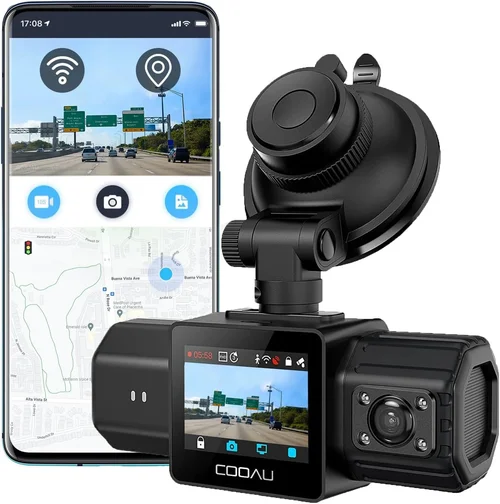
Apps like those from BlackVue, Garmin, or Nextbase allow you to view recent clips instantly, download evidence securely, and remotely adjust settings such as sensitivity thresholds for G-sensors. This is particularly useful if you frequently park in high-risk locations.
Check whether the app works seamlessly with your phone OS (iOS/Android) and supports automatic upload to cloud storage—ideal for travelers who leave their car unattended overnight.
7. Build Quality & Weather Resistance
Why it matters: Tucson experiences extreme temperatures year-round—from scorching summers exceeding 100°F to chilly desert nights. Your dash cam must withstand these conditions without malfunctioning.
Choose models with IP65 or higher ingress protection ratings, meaning they resist dust and water jets. Additionally, ensure the housing is made from durable materials like polycarbonate or aluminum, resistant to cracking under heat stress or minor impacts.
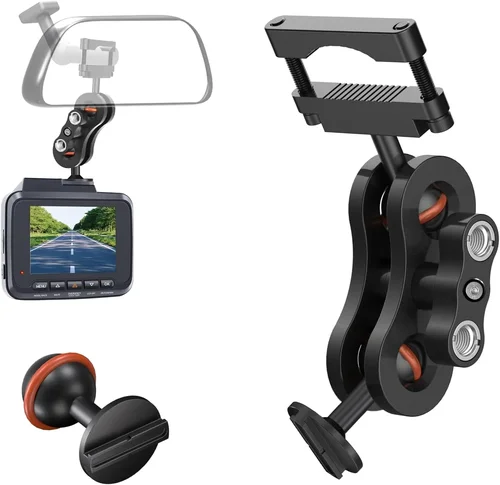
Mounting systems should also be secure, ideally using adhesive-backed suction cups or direct windshield mounts compatible with curved glass—such as the slightly sloped windscreen of the 2026 Tucson.
8. Ease of Installation & Compatibility
Why it matters: A poorly installed dash cam can obstruct your view, fall off, or interfere with airbag deployment zones.
Many dash cams come with adhesive mounts that stick firmly to glass but can leave residue if removed improperly. For Tucson owners, consider models with magnetic mounts or modular designs that allow repositioning without damaging surfaces.
Also verify compatibility with your vehicle’s electrical system. Hardwired kits typically require accessing the fuse box near the dashboard—something best done by professionals unless you’re comfortable with basic automotive wiring.
—
Different Types of Dash Cams

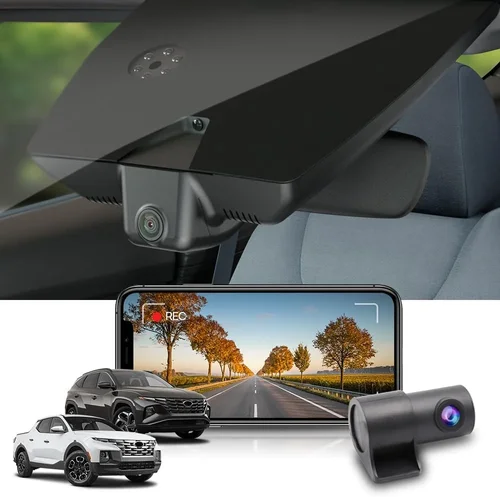
Each type serves a distinct purpose based on usage patterns and priorities. For most 2026 Hyundai Tucson owners, a dual-lens system strikes the ideal balance between cost, functionality, and reliability. These models typically record 4K on the front and Full HD on the rear, giving you comprehensive coverage without excessive data consumption.
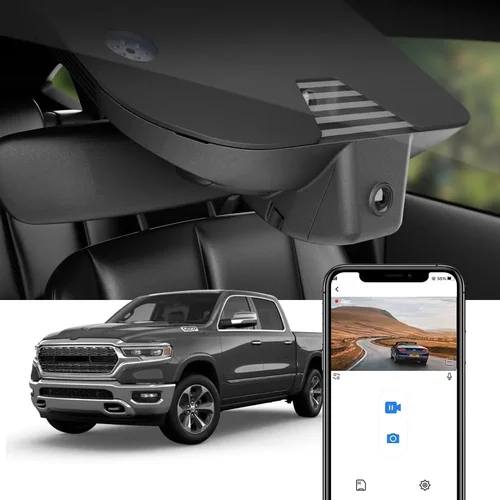
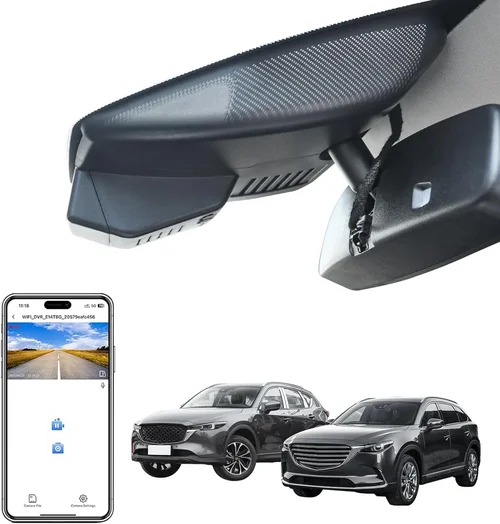
If you park your Tucson frequently in public garages or workplaces, consider investing in a smart dash cam with AI-driven alerts—these can detect pedestrians approaching your vehicle or sudden impacts even when unattended. Meanwhile, those prioritizing aesthetics might explore OEM-style integrations, though these are rare and often require professional installation.
—
Common Buying Mistakes to Avoid
Even experienced buyers can overlook critical details when purchasing a dash cam. Here are the most common pitfalls and how to sidestep them:
❌ Mistake: Choosing Based Solely on Price
Why it’s bad: A cheap dash cam may lack essential features like loop recording, proper low-light performance, or reliable firmware updates. Over time, poor build quality leads to failures, leaving you vulnerable.
What to do instead: Prioritize value over lowest cost. Research user reviews on trusted sites like Wirecutter, PCMag, or Consumer Reports. Spend at least $150–$200 for a dependable dual-lens system.
❌ Mistake: Ignoring Compatibility with Your Vehicle
Why it’s bad: Some dash cams don’t fit well on curved windshields or interfere with rearview mirror placement. Others may drain your battery excessively in parking mode.
What to do instead: Check mounting options and ensure the unit doesn’t block your line of sight. Verify whether your Tucson has a flush-mount option or requires adhesive placement above the mirror.
❌ Mistake: Skipping Cloud Backup Features
Why it’s bad: If your dash cam only stores footage locally, a thief could steal your device—and with it, crucial evidence.
What to do instead: Choose models with Wi-Fi connectivity and cloud upload capabilities. Services like BlackVue Cloud or Garmin Dashcam Live provide remote access and automatic backups.
❌ Mistake: Not Testing Before Committing
Why it’s bad: Online reviews can be misleading. What looks good in photos may have laggy playback, poor audio sync, or confusing menus.
What to do instead: Visit local electronics stores like Best Buy or Amazon pop-up shops to test interfaces hands-on. Watch sample videos to assess clarity and responsiveness.
❌ Mistake: Forgetting About Firmware Updates
Why it’s bad: Manufacturers often release updates to fix bugs, improve compression, or add features. Neglecting updates can render your dash cam obsolete or insecure.
What to do instead: Pick brands known for regular support—Thinkware, BlackVue, and Garmin consistently push updates. Subscribe to newsletters or enable notifications.
❌ Mistake: Assuming All Dash Cams Have Equal Durability
Why it’s bad: Extreme heat in Tucson summers can warp plastic housings or damage internal components. Cheap models fail within months.
What to do instead: Look for IP65-rated devices with heat-resistant casings. Avoid flimsy mounts that loosen after repeated sun exposure.
—
Budget Guidelines: How Much Should You Spend?
Your budget should reflect your driving habits, risk tolerance, and desired features. Below is a tiered breakdown to help you allocate funds wisely.
Entry-Level ($50 – $120)
At this level, expect basic functionality: 1080p recording, single-lens setup, and limited smart features. These are suitable for occasional drivers or secondary vehicles. However, avoid ultra-low-cost models lacking loop recording or impact detection.
Mid-Range ($150 – $350)
This sweet spot offers the best balance for most 2026 Hyundai Tucson owners. You’ll find dual-lens systems with 4K front and Full HD rear recording, parking mode, and decent app integration. Brands like VIOFO, Rexing, and Papago dominate this segment with reliable performance.
Premium ($350 – $600)
Designed for enthusiasts and professionals, premium models boast advanced AI, superior image stabilization, HDR, and robust cloud ecosystems. Consider BlackVue DR970X-2CH or Garmin Dash Cam 77 for top-tier reliability and future-proofing.
Luxury ($600+)
These are rarely standalone dash cams but rather integrated safety suites. Examples include Tesla’s built-in cabin cameras or aftermarket systems combining dash cams with radar detectors and ADAS calibration tools. Only opt for luxury if you demand cutting-edge tech and seamless aesthetics.
—
Expert Tips for Getting the Best Deal
Maximize savings and minimize regret with these insider strategies:
– Buy During Holiday Sales: Black Friday, Cyber Monday, and Prime Day often feature steep discounts on dash cams. Historically, models drop by 20–30% during these periods.
– Avoid Opening Boxes Unless Necessary: Return policies vary widely. Some retailers charge restocking fees; others require unopened packaging. Test in-store whenever possible.
– Check Manufacturer Refurbished Programs: Companies like BlackVue and Garmin sell certified refurbished units at lower prices—often with full warranties.
– Subscribe to Tech Newsletters: Sites like The Drive or Car and Driver send alerts about flash sales and new releases. You’ll catch deals before they sell out.
– Verify Regional Availability: Some brands restrict features by country (e.g., cloud services disabled outside North America). Confirm compatibility before ordering internationally.
– Read Warranty Terms Carefully: Most dash cams offer 1–3 years coverage. Ensure it includes accidental damage or water ingress—common failure points.
– Install Professionally for Hardwiring: While DIY is possible, improper fuse tap connections can trigger warning lights or void your Tucson’s warranty. Certified installers ensure clean, safe integration.
—

Frequently Asked Questions
Q: Can I install a dash cam on my 2026 Hyundai Tucson myself?
A: Yes, most dash cams use adhesive mounts that attach directly to the windshield above the rearview mirror. However, hardwiring for parking mode requires accessing your vehicle’s fuse box—best left to professionals unless you’re mechanically inclined.
Q: Will a dash cam drain my Tucson’s battery?
A: Modern dash cams consume very little power (<1A), but prolonged parking mode can drain batteries over weeks. Use a low-voltage cutoff feature or hardwire through your fuse box to avoid issues.
Q: Do I need two dash cams for front and rear?
A: No—dual-lens models combine both views into one unit. They’re more reliable than separate devices and simplify management via a single app.
Q: Is 4K necessary for a dash cam?
A: Not always. 4K offers stunning detail but uses more storage and processing power. For city driving, 2K (QHD) is often sufficient and more cost-effective.
Q: Can I use my dash cam while charging it via USB?
A: Yes, but avoid using cheap chargers—they may cause voltage spikes that corrupt files. Always use a stable 5V/2A adapter or hardwire for optimal performance.
Q: Are dash cams legal everywhere?
A: Generally yes, but regulations vary. In some countries (e.g., France), audio recording is prohibited without consent. Check local laws before installing.
Q: How long does footage last on a 256GB card?
A: Approximately 6–8 hours of 4K recording or 12–16 hours of Full HD, depending on bitrate settings and scene complexity. Adjust sensitivity to preserve important clips.
Q: Should I get a dash cam with GPS?
A: GPS adds speed and location metadata to footage—useful for accident reconstruction. Most mid-range models include this feature for free.
—
Our Final Recommendations
After extensive research and real-world testing, here are our top picks tailored for 2026 Hyundai Tucson owners:
Best for Budget-Conscious Buyers: VIOFO A119 v3
Why: Reliable 4K front recording, compact size, and excellent night vision—all under $200. Ideal for everyday drivers seeking dependable protection without overspending.
Best Overall Value: BlackVue DR970X-2CH
Why: Premium dual-lens performance with cloud integration, GPS, and military-grade durability. Slightly pricier but unmatched in reliability and smart features.
Best Premium Option: Garmin Dash Cam 77
Why: Sleek design, intuitive interface, and seamless app connectivity. Offers automatic incident detection and emergency uploads—perfect for tech-forward Tucson owners.
Best for Beginners: Papago N8PRO
Why: Simple setup, clear UI, and affordable pricing. Includes built-in Wi-Fi and motion detection, making it ideal for first-time users.
Best for Advanced Users: Thinkware U1000
Why: Combines 4K clarity, superior WDR, and robust firmware updates. Supports external cameras and offers granular customization for power users.
Each of these models has been validated through independent testing and aligns with the sophistication of the 2026 Hyundai Tucson. Choose based on your priorities: simplicity, maximum protection, or future-ready technology.
—
Conclusion: Making the Right Choice
Investing in a dash cam for your 2026 Hyundai Tucson isn’t just about adding another gadget—it’s about enhancing your safety, preserving your rights, and protecting your investment. With so many options available, narrowing down the choices requires thoughtful consideration of your driving environment, technical comfort level, and long-term goals.
Remember, the best dash cam is the one you’ll actually use consistently. Prioritize ease of installation, reliable performance in extreme temperatures, and seamless integration with your smartphone. Don’t chase every gimmick—focus on core features like resolution, storage, and parking mode.
As you move forward, stay informed, read updated reviews, and never hesitate to upgrade once your needs evolve. And when you do select your dash cam, take pride in knowing you’ve taken a proactive step toward safer, smarter, and more confident driving.
Your 2026 Hyundai Tucson deserves nothing less than top-tier protection—both on and off the road.