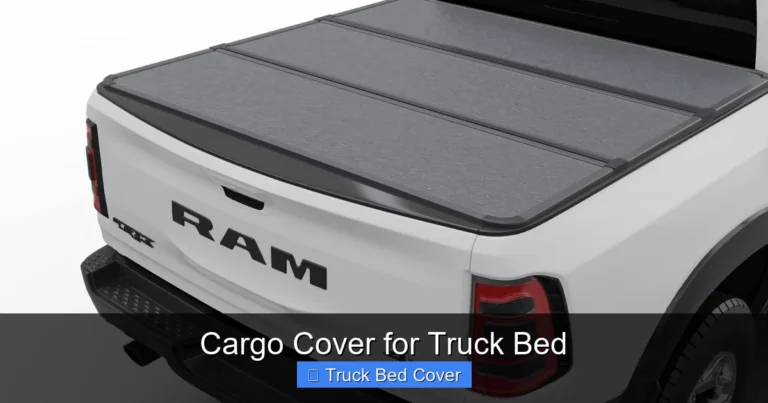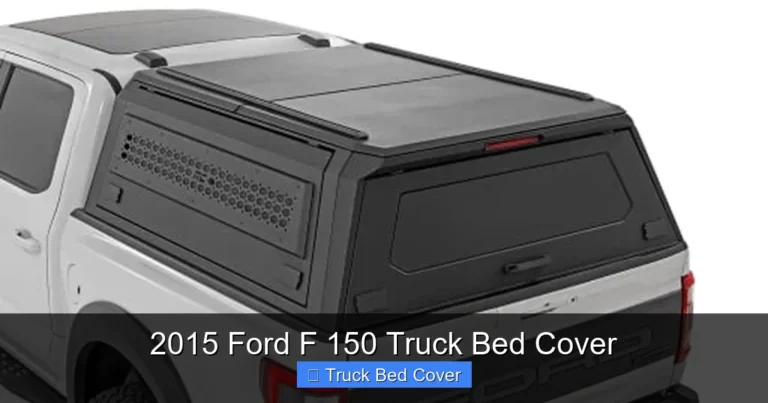
Truck Racks with Bed Cover
Truck racks with bed covers combine the best of both worlds—secure storage and full weather protection. Whether you’re hauling gear for a weekend camping trip or daily work tools, this hybrid setup maximizes your truck’s versatility without sacrificing functionality. With proper installation and the right rack type, you get maximum space, improved aerodynamics, and unmatched convenience.
# Truck Racks with Bed Cover: The Ultimate Guide to Smarter Cargo Solutions
You’ve probably seen trucks rolling down the highway with sleek, low-profile covers over their beds—those are tonneau covers, and they’re more than just style statements. They protect your cargo from rain, sun, and prying eyes. But what if you need to carry bulky items like surfboards, lumber, or camping gear? Enter the truck rack with bed cover combo—a powerhouse pairing that gives you the best of both worlds: full bed coverage when needed and overhead storage when you need it most.
This isn’t just about stacking one on top of the other. A well-designed truck rack system works *with* your bed cover, not against it. When properly installed, these setups offer superior aerodynamics, better fuel economy, and unmatched versatility. In this guide, we’ll walk you through everything you need to know—from choosing the right components to maintenance tips and real-world use cases.
## Why Combine a Truck Rack with a Bed Cover?
At first glance, adding a rack over a covered bed might seem redundant. After all, if your bed is fully sealed, why add anything on top? But here’s the truth: most bed covers aren’t designed for heavy loads or large external items. And racks alone leave your bed exposed to dirt, water, and theft.
The magic happens when you think of them as complementary systems:
– The **bed cover** protects smaller, frequently accessed items inside.
– The **rack** carries oversized or infrequently used gear securely above.
Together, they create a complete cargo ecosystem. For example, imagine loading your truck after a muddy trail ride. You toss your wet boots and gloves into the covered bed—they stay dry. Meanwhile, your bike is locked safely to the rack, untouched by mud or rain. It’s efficient, clean, and smart.
## Types of Truck Racks Compatible with Bed Covers
Not all racks play nice with bed covers. Some designs require permanent modifications or don’t allow easy cover removal. Here are the main types to consider:
### 1. Low-Profile Roof Racks
These sit flush with your truck’s roofline, minimizing wind resistance. Ideal for sedans or compact trucks where height matters. However, they usually don’t support heavy loads or bulky items like kayaks.
> **Tip:** If you have a short-bed truck, a low-profile rack lets you keep your bed cover intact while still carrying light cargo like rooftop boxes.
### 2. Overhead Crossbar Systems
Designed specifically for pickup trucks, these attach to factory roof rails or custom mounting points. Most models include removable crossbars so you can lift off your bed cover when needed. Look for systems labeled “tonneau-compatible” or “cover-friendly.”
> **Example:** The Yakima SkyLine system uses clamp-style mounts that don’t interfere with most soft and hard tonneau covers.
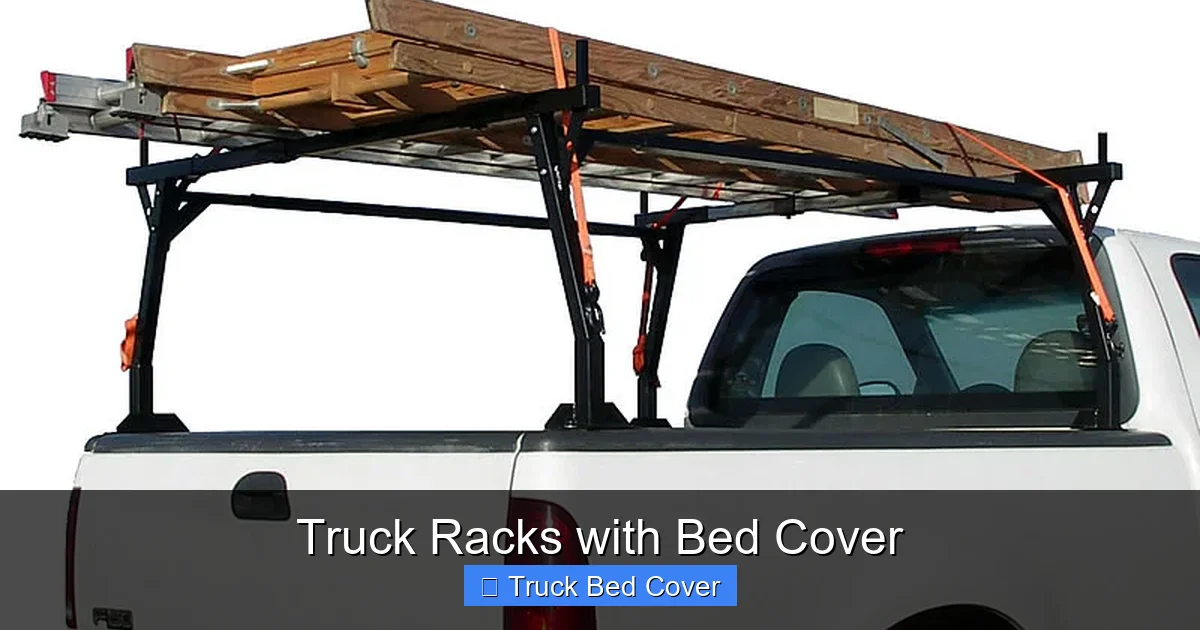
### 3. Bed-Mounted Ladder Racks
Mounted directly into the bed rails, these are great for ladders, pipes, or long planks. However, they often block access to the bed unless you remove them entirely—defeating the purpose of keeping the cover on.
> **Pro Tip:** Opt for retractable or fold-down ladder racks that tuck away when not in use, preserving bed cover functionality.
### 4. Hybrid Rack-and-Cover Kits
Some brands (like Leer or UnderCover) sell integrated solutions where the rack integrates with the cover itself. These are pricier but offer seamless operation.
> **Real-World Use Case:** A contractor using a Leer cap with built-in rack rails can easily attach toolboxes or cargo nets without drilling into the truck bed.
## Choosing the Right Bed Cover for Your Rack Setup
Your bed cover choice impacts rack compatibility more than you might think. Let’s break it down by material:
### Soft Roll-Up Covers
– **Pros:** Affordable, lightweight, easy to open/close.
– **Cons:** Less secure; may sag under rack weight.
– **Best For:** Light-duty users who prioritize quick access.
> **Compatibility Note:** Most soft covers can handle standard crossbar loads (under 100 lbs), but avoid heavy-duty racks unless specified.
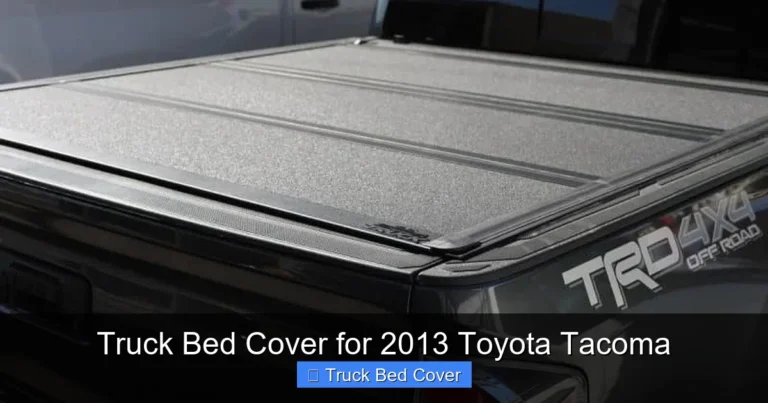
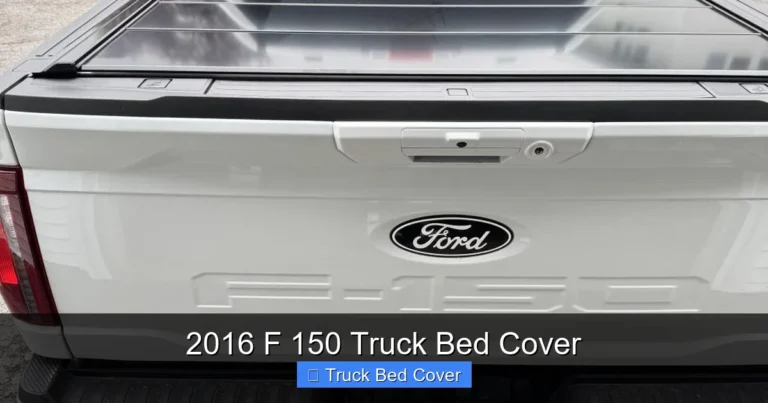
### Hard Tri-Fold or One-Piece Covers
– **Pros:** Strong, lockable, excellent weather sealing.
– **Cons:** Slightly heavier; some models restrict rack installation.
– **Best For:** Daily drivers needing security and durability.
> **Installation Hack:** Choose tri-fold covers with side-opening panels—they let you access the bed without removing the entire cover, even with a rack installed.
### Retractable Covers
– **Pros:** Full bed access when retracted; sleek appearance.
– **Cons:** Higher cost; complex mechanisms can be finicky with added weight.
– **Best For:** Tech-savvy owners wanting maximum flexibility.
> **Caution:** Retractables often require professional installation and may void warranties if modified for rack use.
## Installation Tips for a Seamless Setup
Getting this right saves headaches later. Follow these steps:
1. **Measure Twice, Install Once**
Check your truck’s bed length, rail spacing, and cover model before buying. Universal kits rarely fit perfectly.
2. **Prioritize Side Access**
Pick a rack with at least two removable crossbars so you can open your cover from the sides—no disassembly required.
3. **Use Non-Destructive Mounting**
Clamp-on or T-track systems cause less damage than drilling. Save bolt holes for emergency repairs only.
4. **Balance Weight Distribution**
Heavier items go toward the center of the rack. Overloading one side creates handling issues.
5. **Test the Cover Operation**
After installation, roll up/down your cover several times to ensure nothing interferes with its movement.
> **Common Mistake:** Installing a rack first, then trying to retrofit a cover later—often leads to poor seals or misalignment.
## Maximizing Utility: Real-World Applications
Think beyond “just a rack.” When paired with a bed cover, your truck becomes a mobile command center. Here’s how pros use this combo:
### Outdoor Enthusiasts
– **Kayakers & Campers:** Secure wet wetsuits in the covered bed while strapping kayaks to the rack. No more dripping everywhere!
– **Mountain Bikers:** Carry helmets and gloves inside (dry!) and bikes on top. Bonus: use bungee cords through rack slots for extra straps.
### Construction Workers
– **Tool Protection:** Keep hand tools dry in the bed while storing long materials like 2x4s on the rack.
– **Daily Commute:** Lock up expensive equipment overnight without worrying about vandals touching your cover.
### Delivery Drivers
– **Food Trucks / Caterers:** Store perishables safely in the covered bed while carrying grills or coolers on the rack.
– **Plumbers & Electricians:** Transport pipes horizontally on the rack to save space, with spare parts protected inside.
## Maintenance Made Simple
Both racks and covers need TLC—but together, they’re easier to care for than separate systems.
### Weekly Checks:
– Wipe down rack joints to prevent grit buildup.
– Inspect cover seals for cracks or warping.
– Tighten any loose clamps or bolts.
### Seasonal Deep Cleans:
– Winter: Clear ice and salt residue from rack feet.
– Summer: Clean UV-protective coatings on hard covers.
– Spring/Fall: Lubricate moving parts (covers, retractables).
> **Warning Sign:** If your cover starts sagging or the rack feels wobbly, don’t ignore it. Loose hardware can lead to costly damage.
## Safety Considerations You Can’t Ignore
Adding height and weight changes your truck’s dynamics. Always follow safety rules:
– **Never exceed load limits.** Check both rack and cover manuals.
– **Secure items tightly.** Wind can shake loose even small objects.
– **Check local laws.** Some areas limit roof height or require specific lighting.
– **Drive conservatively.** High racks affect braking and cornering.
> **Quick Test:** Try lifting your heaviest item onto the rack yourself. If it feels awkward, it’s too much for safe daily use.
## Cost Breakdown: Is It Worth the Investment?
Here’s a rough estimate (USD):
| Component | Entry-Level | Mid-Range | Premium |
|———|————-|———–|———|
| Bed Cover | $200–$400 | $400–$800 | $800+ |
| Basic Rack | $150–$300 | $300–$600 | $600+ |
| Total | $350–$700 | $700–$1,400 | $1,400+ |
Yes, it costs more than buying separately—but you gain integration, warranty coverage, and peace of mind. Plus, resale value increases with a complete, functional setup.
> **Money-Saving Tip:** Buy during holiday sales (Black Friday, Labor Day). Many retailers bundle discounts on compatible kits.
## Final Thoughts: Your Truck, Your Way
Truck racks with bed covers aren’t just accessories—they’re game-changers for anyone who values organization, protection, and freedom. Whether you’re a weekend warrior, a tradesperson, or a family on the move, this duo adapts to your lifestyle.
Remember: the best setup isn’t the fanciest—it’s the one that fits *your* needs, your truck, and your budget. Take time to research, read reviews, and maybe test-drive a few options at a local auto shop.
With the right combination, your pickup transforms from a simple utility vehicle into a reliable, weatherproof cargo machine. Go ahead—load it up. The road (and your cargo) will thank you.
Key Takeaways
- Compatibility is key: Not all truck racks fit every bed cover. Always check manufacturer specs and ensure your rack system is rated for use with tonneau covers.
- Aerodynamic benefits: Truck racks paired with bed covers reduce drag, improving fuel efficiency by up to 10% on long highway drives.
- Enhanced cargo security: A locked bed cover prevents theft while the rack secures larger items like kayaks, bikes, or ladders above the cab.
- Easy access matters: Choose racks with side-opening or removable crossbars so you can open your bed cover without disassembling the entire setup.
- Maintenance saves money: Regular cleaning and inspection prevent rust and extend the life of both your rack and bed cover.
- Weatherproofing synergy: A quality bed cover keeps moisture out of your truck bed, protecting stored items even when the rack holds wet gear above.
- Customization options: Many modern systems allow modular upgrades—add side rails, toolboxes, or cargo baskets without removing the cover.
Quick Answers to Common Questions
Can I install a truck rack over my existing bed cover?
It depends on the cover type and rack design. Most soft and hard covers allow compatible racks, but you’ll need removable crossbars for easy access. Avoid permanent-mount systems unless your cover is designed for it.
Will a rack reduce my truck’s fuel economy?
Yes, but minimally. A well-designed, low-profile rack adds only 10–15% drag. Combined with a streamlined bed cover, overall efficiency loss is typically under 5%, especially at highway speeds.
Do I need special tools to install the rack?
Basic tools like a wrench set and drill are usually sufficient. Clamp-on systems require no drilling, making them DIY-friendly. Professional installation costs $50–$150 but ensures alignment and safety.
How do I keep my bed cover from getting damaged by the rack?
Use rubberized pads or foam spacers between rack feet and the cover. Ensure all mounting points are padded and never overtighten bolts—this prevents cracking or warping.
Are there weight limits for items on the rack?
Yes! Typical passenger truck racks hold 100–165 lbs distributed evenly. Heavy-duty commercial racks may support 200+ lbs, but always check your vehicle’s roof rating and rack manual first.
Frequently Asked Questions
What’s the difference between a tonneau cover and a bed cover?
They’re often used interchangeably, but “tonneau” usually refers to soft roll-up covers, while “bed cover” is a broader term including hard, retractable, and folding styles. Both serve the same core function: protecting your truck bed.
Can I wash my truck with the rack and cover installed?
Yes, but be gentle. Use a handheld spray wand instead of a high-pressure hose near rack joints and cover seals. Dry thoroughly afterward to prevent moisture buildup.
Will the rack affect my truck’s warranty?
Non-permanent installations (clamp-on, T-track) usually won’t void warranties. Drilling into the frame or roof may, so consult your dealer or owner’s manual before modifying.
How do I secure items on the rack?
Use ratchet straps, bungee cords, or built-in tie-down points. Loop straps through crossbars and anchor them to the truck’s frame—never rely solely on friction.
Can I use solar panels with this setup?
Absolutely! Many racks support flat-panel solar chargers. Just ensure the panels are securely mounted and angled correctly for sunlight exposure.
Is it harder to open the bed cover with a rack installed?
Not if you chose a side-opening cover and removable crossbars. Test the operation during installation—most users report no noticeable change in ease of use.