Truck Bed Rack with Tonneau Cover
A truck bed rack with tonneau cover combines the best of both worlds: extra storage space and full bed protection. Whether you’re hauling tools, camping gear, or just want to keep your items dry and secure, this setup offers unmatched versatility and durability. It’s a smart upgrade for any pickup owner who values function and style.
Key Takeaways
- Increased Cargo Capacity: A truck bed rack allows you to stack gear above the cab while a tonneau cover keeps the bed secure and weatherproof.
- Enhanced Aerodynamics: The sleek design reduces drag, improving fuel efficiency by up to 10% on highway drives.
- Protection from Elements: Tonneau covers shield your load from rain, snow, dust, and UV rays—keeping contents dry and intact.
- Improved Security: Locking mechanisms and rugged materials deter theft and protect valuables during transit.
- Customization Options: Choose from hard or soft covers, aluminum or steel racks, and modular accessories like side rails and crossbars.
- Easy Installation: Most systems bolt directly into factory mounting points without drilling or welding.
- Versatile Use Cases: Ideal for contractors, outdoor enthusiasts, families, and anyone needing reliable, all-weather storage.
Quick Answers to Common Questions
Can a tonneau cover work with a truck bed rack?
Yes, many tonneau covers are specifically designed to be compatible with truck bed racks. Look for models with reinforced edges and pre-installed brackets to ensure a secure fit.
Will a bed rack affect my truck’s warranty?
In most cases, aftermarket racks and covers do not void your warranty as long as they are installed correctly and do not interfere with factory systems. Always consult your dealer if unsure.
How much weight can a truck bed rack hold?
Most truck bed racks are rated between 200 and 800 pounds. Check the manufacturer’s specifications for your model to ensure safe use.
Does a tonneau cover save on gas?
Yes, a properly sealed tonneau cover can improve fuel efficiency by up to 10% by reducing wind resistance and drag.
Can I install a bed rack myself?
Absolutely. Most kits come with detailed instructions and use factory mounting points. Basic tools and a bit of patience are all you need.
📑 Table of Contents
- Why Combine a Truck Bed Rack with a Tonneau Cover?
- How a Truck Bed Rack Works
- The Role of a Tonneau Cover
- Top Benefits of Combining a Truck Bed Rack with a Tonneau Cover
- Choosing the Right Combination
- Installation Tips and Maintenance
- Real-Life Examples and Use Cases
- Common Myths Debunked
- Conclusion: Your Truck, Upgraded
Why Combine a Truck Bed Rack with a Tonneau Cover?
Picture this: You’re loading up for a weekend camping trip. You’ve got your cooler, kayak, tools, and sleeping bags. But your truck bed is already packed to the brim. Without extra space, you’re forced to leave something behind—or worse, overload your vehicle. That’s where a truck bed rack with tonneau cover comes in.
A truck bed rack sits above the cab and spans the width of the truck bed, creating an elevated platform. Pair it with a tonneau cover—a protective lid that seals the bed—and you’ve got a system designed for maximum utility. The rack holds bulky or tall items, while the tonneau cover secures everything below. Together, they offer a complete solution for hauling, protecting, and organizing gear.
This combination isn’t just practical—it’s smart. It transforms your truck into a mobile workspace, adventure rig, or family-ready vehicle. Whether you’re a contractor, hunter, surfer, or weekend warrior, this setup adapts to your lifestyle.
How a Truck Bed Rack Works
Visual guide about Truck Bed Rack with Tonneau Cover
Image source: m.media-amazon.com
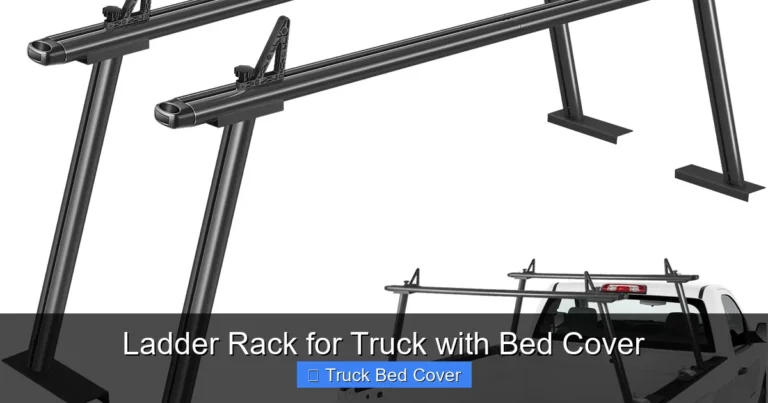
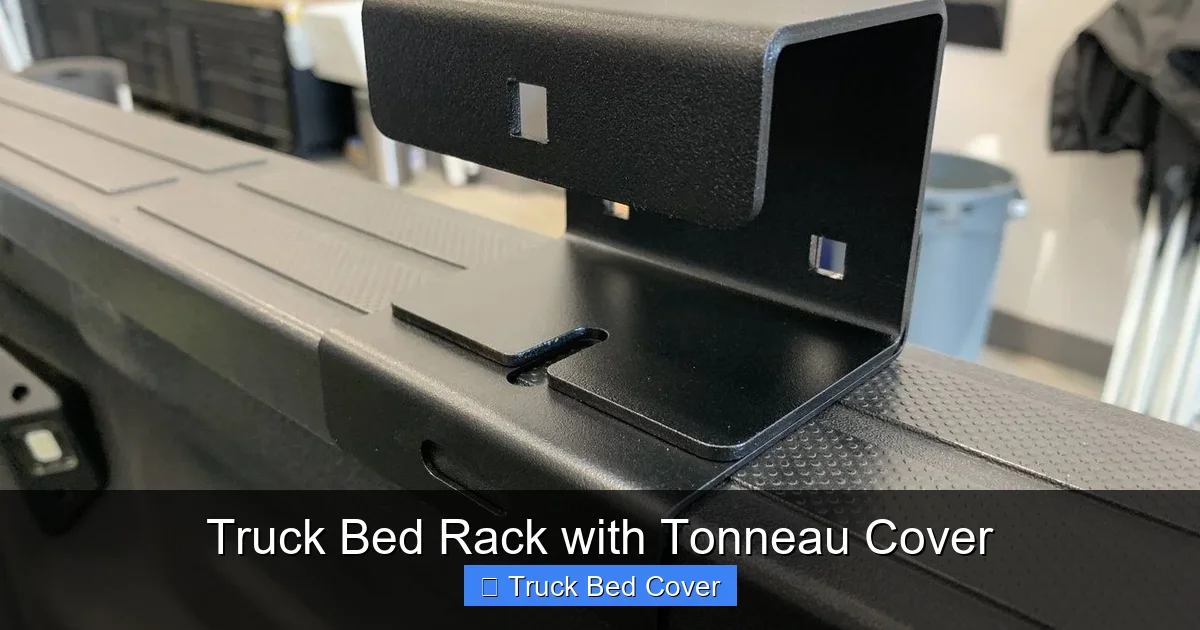
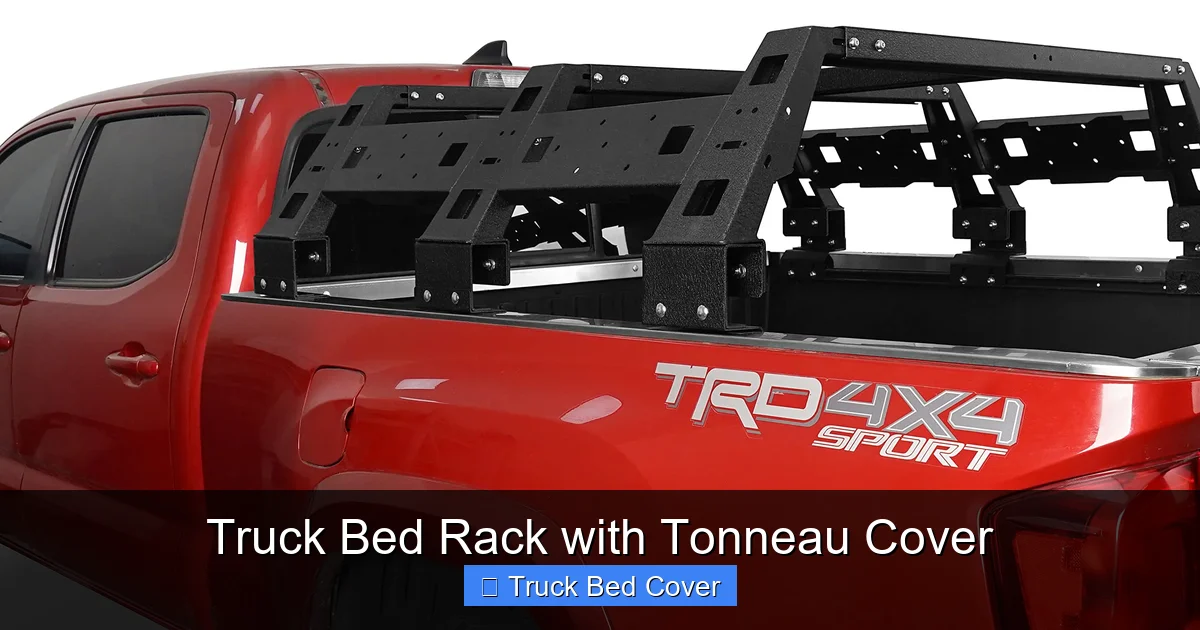
A truck bed rack typically consists of side rails bolted onto the bed’s perimeter, connected by crossbars at the top. These rails attach to factory mounting points, so no drilling is needed. The rack creates a flat surface above the cab, allowing you to place items that wouldn’t fit inside the bed.
The beauty of this system lies in its modularity. You can add accessories like tie-down points, light bars, or even a roof basket. Some racks are low-profile to maintain ground clearance, while others are taller for larger loads. Materials range from lightweight aluminum to heavy-duty steel, depending on your needs.
When paired with a tonneau cover, the rack doesn’t interfere with the cover’s operation. In fact, many modern covers are designed to work seamlessly with racks. Some even feature integrated clamps or brackets that secure the cover without damaging the rack.
Types of Truck Bed Racks
Not all racks are created equal. Here’s a quick breakdown:
- Fixed Racks: Permanent installations with welded or bolted crossbars. Great for heavy-duty use but less flexible.
- Removable Racks: Designed to be taken off when not needed. Ideal if you want a clean look or plan to tow frequently.
- Modular Racks: Allow you to add or remove components like side rails or crossbars. Perfect for customizing based on your load.
- Low-Profile Racks: Flush with the truck’s roofline, reducing wind noise and improving aerodynamics.
Each type has pros and cons. Fixed racks offer stability, while removable ones provide flexibility. Modular systems let you grow with your needs, and low-profile designs look sleek and modern.
The Role of a Tonneau Cover
A tonneau cover is more than just a lid—it’s a critical part of your truck’s security and efficiency. It seals the bed, preventing rain, dirt, and debris from ruining your cargo. Buttons, latches, and locks add another layer of protection against theft.
There are two main types: hard and soft. Hard covers, made of fiberglass or aluminum, are durable and lockable. Soft covers, usually vinyl over a canvas frame, are lighter and cheaper but less secure.
When choosing a tonneau cover, consider compatibility with your rack. Some covers are specifically designed to work with racks, featuring pre-drilled holes and reinforced edges. Others require additional adapters or may not fit at all.
Benefits of a Tonneau Cover
- Weather Protection: Keeps your gear dry in rain, snow, and sleet.
- Aerodynamic Efficiency: Smoother airflow reduces wind resistance, saving gas.
- Security: Prevents prying eyes from seeing what’s inside.
- Fuel Economy: Studies show tonneau covers can improve mpg by 5–10%.
- Aesthetic Appeal: Gives your truck a polished, finished look.
Pairing a tonneau cover with a rack means you’re not sacrificing one benefit for another. Instead, you’re gaining both—protection below and space above.
Top Benefits of Combining a Truck Bed Rack with a Tonneau Cover
Let’s break down why this duo is a game-changer for truck owners.
1. Maximized Storage Space
Ever tried to fit a ladder or surfboard in a full bed? It’s nearly impossible. With a bed rack, you can carry long, bulky items above the cab. Meanwhile, the tonneau cover keeps smaller items safe and dry underneath. This doubles your usable cargo area.
For example, a contractor can store power tools in the bed and a generator on the rack. An outdoor enthusiast can bring a bike rack on top and camping gear below. The possibilities are endless.
2. Improved Safety and Stability
Overloading the bed shifts weight dangerously. By using the rack, you distribute weight evenly across the truck’s structure. This improves handling, especially during turns or sudden stops.
Also, securing items on the rack prevents them from sliding around. Tie-downs and bungee cords keep everything in place, reducing the risk of accidents.
3. Better Fuel Efficiency
Wind resistance increases with height and irregular shapes. A poorly loaded truck bed creates drag. A well-designed rack and tonneau cover smooth out airflow.
Studies from the Department of Energy show that properly installed tonneau covers reduce drag by up to 10%. Add a streamlined rack, and you could see noticeable improvements in gas mileage—especially on long highway trips.
4. Enhanced Security
Thieves often target truck beds because they’re easy to access. A locked tonneau cover makes it harder to steal what’s inside. And since the rack is above the cab, it’s less obvious what’s being carried.
Some high-end systems include GPS trackers or alarm sensors. Others come with built-in locks for both the cover and the rack.
5. Versatility for Every Lifestyle
Whether you’re a tradesperson, adventurer, or family driver, this setup fits your needs.
- Contractors: Carry ladders, toolboxes, and materials without overloading the bed.
- Campers: Bring bikes, coolers, and gear above, with clothes and supplies below.
- Surfers: Secure boards safely without blocking visibility.
- Families: Keep luggage, strollers, and sports equipment organized.
No matter how you use your truck, this combo delivers.
Choosing the Right Combination
With so many options, picking the right truck bed rack and tonneau cover can feel overwhelming. Here’s how to make the best choice.
Match Your Truck Model
Not all racks and covers fit every truck. Measure your bed length (short, standard, long) and check compatibility charts. Brands like Bak, Truxedo, and Leer offer models tailored to specific makes and years.
For example, a Ford F-150 with a short bed won’t work with a full-size rack designed for a long bed. Always double-check before buying.
Consider Your Climate
If you live in a rainy or snowy region, prioritize a waterproof tonneau cover. Look for features like rubber seals, drain tubes, and lockable latches.
In hot climates, choose a cover that blocks UV rays to prevent fading and heat buildup. Some covers include reflective coatings for added protection.
Think About Weight Limits
Racks have weight ratings—usually between 200 and 800 pounds. Make sure yours can handle your typical load. Overloading risks damage and safety issues.
Similarly, tonneau covers should support the weight of snow or debris. Check the manufacturer’s specs.
Evaluate Ease of Use
Do you prefer roll-up, retractable, or tri-fold covers? Each has pros and cons. Roll-ups are simple but less secure. Retractables offer smooth operation but cost more. Tri-folds are balanced and popular.
For racks, consider how quickly you can install and remove them. If you tow often, a removable system saves time.
Factor in Budget
Entry-level racks start around $200, while premium models with accessories can exceed $1,000. Tonneau covers range from $300 to $1,500+.
Don’t skimp on quality. Cheap parts rust, warp, or fail quickly. Invest in durable materials like powder-coated aluminum.
Installation Tips and Maintenance
Installing a truck bed rack and tonneau cover is easier than you think—if you follow the steps.
Preparation
Clear the bed of all items. Clean the mounting surfaces with soap and water. Dry thoroughly to prevent rust.
Gather tools: socket wrench, drill (if needed), measuring tape, and a level.
Step-by-Step Installation
1. Position the rack rails along the bed sides, aligning with factory holes.
2. Insert bolts and tighten securely—but don’t over-tighten.
3. Attach crossbars and double-check alignment.
4. Install the tonneau cover according to the manual.
5. Test the cover’s operation and ensure it seals tightly.
Most kits include detailed instructions. Watch a few YouTube videos if you’re unsure.
Maintenance Tips
- Wipe down the rack monthly to prevent corrosion.
- Lubricate moving parts on the tonneau cover (like hinges and latches).
- Check for loose bolts every few months.
- Clean the cover with mild soap and water—avoid harsh chemicals.
- Inspect seals annually and replace if cracked or worn.
Proper care extends the life of both components and keeps them functioning smoothly.
Real-Life Examples and Use Cases
Let’s look at how real people use their truck bed rack and tonneau cover combos.
Case Study: The Outdoor Adventure Family
The Johnsons own a 2020 Toyota Tacoma with a short bed. They love hiking and fishing but struggled to fit all their gear. After installing a modular rack and a roll-up tonneau cover, they now bring bikes, coolers, and camping chairs on top. Inside the bed, they store dry food, first aid kits, and extra clothes.
“It’s been a lifesaver,” says Sarah Johnson. “We can go full-day trips without worrying about weather or space.”
Case Study: The Contractor’s Rig
Mike runs a small plumbing business. He needed a way to carry pipes, tools, and parts without overloading his Ford Ranger. He chose a fixed aluminum rack and a hard tri-fold cover.
“Now I can drive with confidence,” Mike says. “The tools stay dry, and I can stack materials safely. Plus, my fuel bill dropped after I installed the cover.”
Case Study: The Surfer’s Setup
Jake lives near the coast and surfs weekly. His Nissan Frontier had no way to carry boards securely. He added a low-profile rack and a retractable tonneau cover.
“My boards are safe from salt spray,” he explains. “And the cover keeps my wetsuit and towels dry. It’s worth every penny.”
These stories show how versatile and valuable this setup can be.
Common Myths Debunked
You might have heard some myths about truck bed racks and tonneau covers. Let’s clear them up.
Myth 1: “It’s too expensive.”
While quality systems cost money, they pay for themselves. Think of it as an investment in your truck’s functionality and resale value. Plus, you avoid replacing damaged gear or dealing with theft.
Myth 2: “It affects towing.”
A properly installed rack and cover do not interfere with towing. Just remove the rack if your hitch requires it. Many removable systems make this easy.
Myth 3: “It’s only for trucks with big beds.”
Short beds work great too. Compact racks and slim covers are designed for smaller trucks.
Myth 4: “It adds too much wind noise.”
Modern designs minimize noise. Low-profile racks and aerodynamic covers reduce turbulence significantly.
Myth 5: “I can do without a rack.”
Without a rack, you lose vertical space. Even with a cover, you can’t stack tall items safely. The rack solves this limitation.
These systems are more useful—and affordable—than most realize.
Conclusion: Your Truck, Upgraded
A truck bed rack with tonneau cover isn’t just an accessory—it’s a transformation. It turns your pickup into a capable, secure, and efficient vehicle ready for anything.
From increased cargo space to better fuel economy and enhanced security, the benefits are clear. Whether you’re hauling work tools, camping gear, or family essentials, this combo delivers.
Take the time to research, choose quality products, and install them correctly. Your future self will thank you—on the road, in the garage, and on every adventure.
Invest in a system that grows with your needs. Because your truck does more than drive. It works, plays, and protects. Make the most of it.
Frequently Asked Questions
Are truck bed racks difficult to install?
No, most truck bed racks are designed for DIY installation using common tools. They typically bolt into existing factory mounting points without drilling or welding.
Will a tonneau cover keep my gear completely dry?
Yes, a high-quality tonneau cover with proper sealing and drain tubes will keep your gear dry in light to moderate rain. However, heavy downpours may cause minor seepage over time.
Can I use a bed rack if I tow frequently?
Yes, but consider a removable rack system. This allows you to take it off when you need full rear visibility or hitch access for towing.
What’s the difference between a hard and soft tonneau cover?
Hard covers are made of rigid materials like aluminum or fiberglass, offering better security and durability. Soft covers use fabric over a frame, are lighter, and less expensive but less weather-resistant.
Do I need special tools to install a tonneau cover?
Most installations require basic tools like a socket wrench, screwdriver, and possibly a drill. The exact tools depend on the brand and model.
How often should I maintain my truck bed rack and tonneau cover?
Check and clean your rack and cover every 1–2 months. Lubricate moving parts, inspect for rust or wear, and tighten bolts as needed. Annual deep cleaning is recommended.