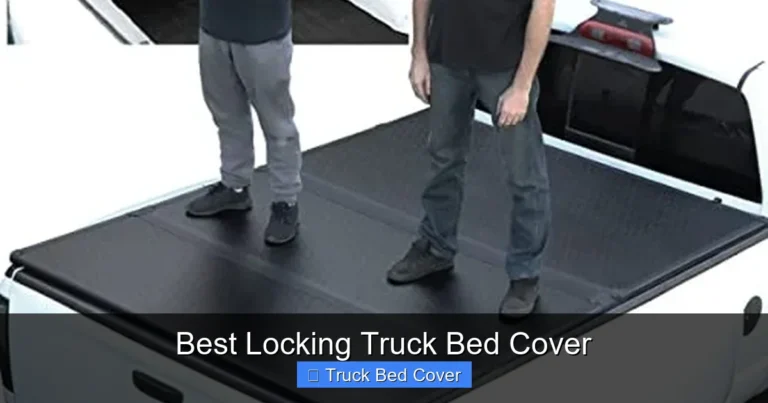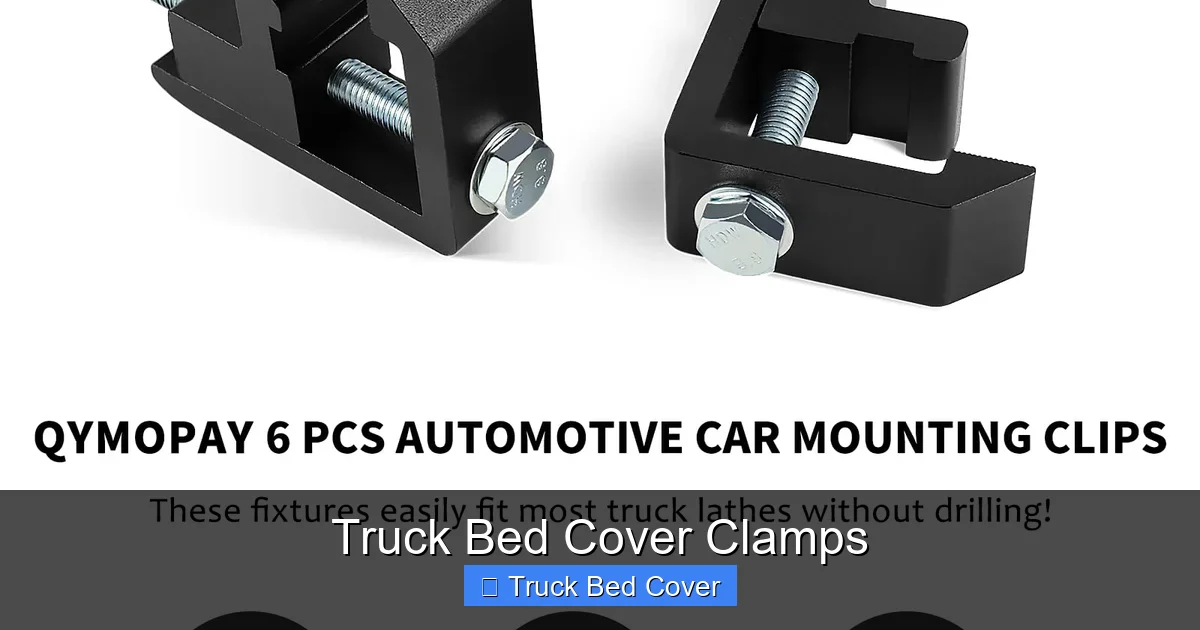
Truck Bed Cover Clamps
Truck bed cover clamps are small but mighty accessories that keep your tonneau cover tightly secured, preventing water intrusion and theft. Whether you’re hauling gear or protecting cargo, choosing the right clamps ensures durability, ease of use, and long-term performance. In this guide, we’ll walk you through everything you need to know about truck bed cover clamps—from types and materials to installation tips and maintenance.
Key Takeaways
- Truck bed cover clamps prevent water leakage and secure tonneau covers in place during travel.
- Available in aluminum, steel, and plastic, each material offers different levels of strength and corrosion resistance.
- Quick-release clamps offer convenience for frequent access to the truck bed.
- Proper installation ensures a tight seal and prevents rattling or shifting.
- Regular cleaning and lubrication extend clamp lifespan and maintain smooth operation.
- Top brands like Tonno Pro, Lund, and UnderCover offer reliable, high-quality options.
- Clamp compatibility depends on your truck model and cover type—always verify fitment before purchasing.
If you’ve ever struggled with your truck bed cover slipping off during a drive, letting in rain, or just not staying put when you hit bumps, you’re not alone. Truck bed cover clamps might seem like a minor detail, but they play a crucial role in keeping your cargo dry, safe, and secure. Whether you drive an extended cab, crew cab, or standard bed truck, the right clamps can make all the difference.
A well-fitted tonneau cover protects your belongings from weather, improves aerodynamics, and enhances your truck’s fuel efficiency. But without reliable clamps, even the best cover can fail. That’s where truck bed cover clamps come into play—small accessories with big responsibilities. They hold your cover in place, seal it tightly against the bed rails, and ensure peace of mind whether you’re commuting, camping, or running errands across town.
In this comprehensive guide, we’ll dive deep into what makes these clamps essential, how to choose the right ones, and how to install and maintain them for maximum performance. From understanding different types to comparing top brands, you’ll be equipped with all the knowledge you need to protect your investment.
Key Takeaways
- Understanding truck bed cover clamps: Provides essential knowledge
Quick Answers to Common Questions
What are truck bed cover clamps used for?
Truck bed cover clamps secure your tonneau cover in place, creating a tight seal that prevents water, dust, and debris from entering the truck bed.
Are all truck bed cover clamps compatible with every tonneau cover?
No, compatibility depends on your truck model, bed size, and cover type. Always check the manufacturer’s fitment guide before purchasing.
Can I install truck bed cover clamps myself?
Yes, most clamps are designed for DIY installation. With basic tools and clear instructions, you can install them in under an hour.
How often should I lubricate my truck bed cover clamps?
Lubricate moving parts every 3–6 months using silicone-based spray to ensure smooth operation and prevent stiffness.
Do truck bed cover clamps prevent theft?
Yes, secure clamps make it much harder for thieves to access your truck bed, especially when combined with a high-quality tonneau cover.
📑 Table of Contents
- Why Are Truck Bed Cover Clamps Important?
- Types of Truck Bed Cover Clamps
- Materials Used in Truck Bed Cover Clamps
- How to Choose the Right Truck Bed Cover Clamps
- Installation Tips for Truck Bed Cover Clamps
- Maintenance and Care
- Top Brands for Truck Bed Cover Clamps
- Common Mistakes to Avoid
- Conclusion
Why Are Truck Bed Cover Clamps Important?
Imagine loading your truck with a new set of tires, tools, or camping gear—everything you need for a weekend getaway. You secure the tonneau cover, hop in, and start driving. But halfway there, you hear a loud clunk. Your cover has shifted, leaving a gap that starts letting in rain. Now your expensive cargo is soaked. Sounds frustrating, right?
That’s exactly why truck bed cover clamps matter. These simple devices create a watertight seal between the cover and the truck bed. Without proper clamping pressure, moisture, dust, and debris can sneak in. Over time, this can damage your belongings and even affect the integrity of the cover itself.
Beyond weather protection, clamps also prevent theft. A loose cover gives thieves an easy way to access your truck bed. Secure clamps make unauthorized removal much harder. Plus, they reduce wind noise and improve the overall look of your truck by keeping the cover flush and aligned.
The Hidden Role of Clamps in Cover Performance
Most people focus on the material and design of their tonneau cover—vinyl, hard folding, roll-up, etc.—but few think about the clamps. Yet, clamps directly influence how well your cover performs day after day. Poorly designed or loose clamps lead to:
- Rattling and noise during highway drives
- Water infiltration during rainstorms
- Loose or shifting covers that damage latches or tracks
- Reduced fuel economy due to poor aerodynamics
High-quality clamps distribute pressure evenly across the cover’s edges, ensuring a tight fit. They’re engineered to handle road vibrations, temperature changes, and heavy loads—without bending or breaking.
Types of Truck Bed Cover Clamps
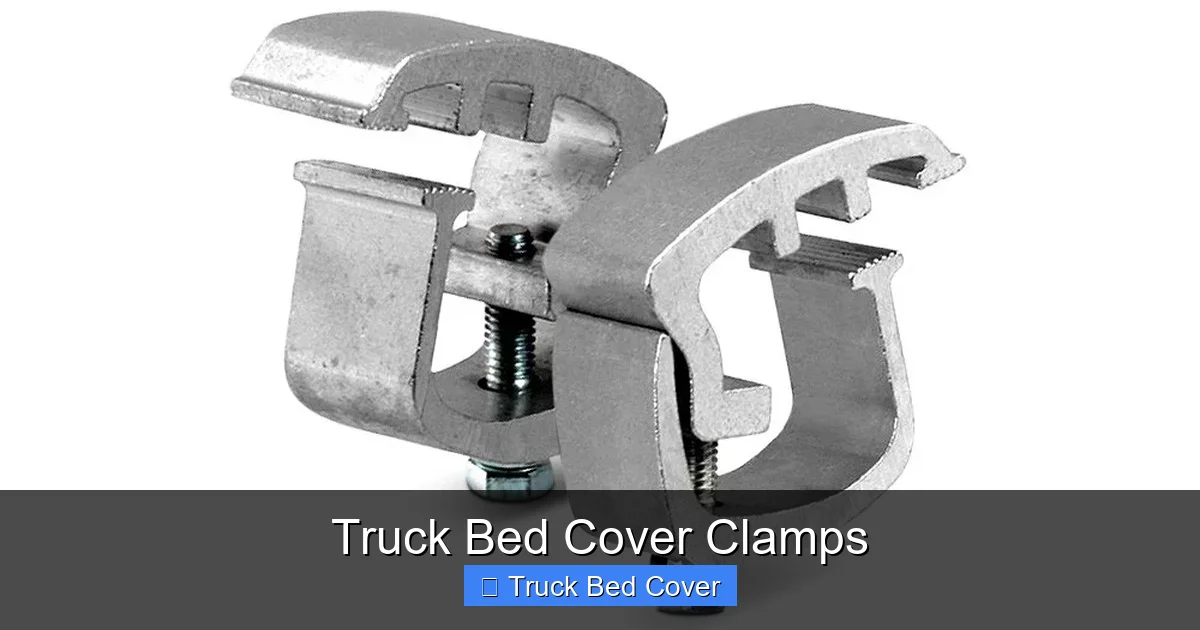
Visual guide about Truck Bed Cover Clamps
Image source: carid.com
Not all clamps are created equal. Depending on your cover type, truck model, and personal preferences, you may need different kinds of clamps. Let’s break down the most common types available today.
Fixed Clamps vs. Quick-Release Clamps
The two main categories are fixed clamps and quick-release clamps. Fixed clamps require you to remove the entire cover to open the tailgate, while quick-release clamps allow you to unlatch individual panels or the whole cover without full disassembly.
Fixed clamps are typically found on hard covers and are bolted or screwed directly into the bed rail. They provide maximum security and durability but aren’t ideal if you need frequent access.
Quick-release clamps, on the other hand, feature a spring-loaded or lever mechanism. With one hand, you can lift the lever and slide the clamp away from the rail. This is especially useful for roll-up covers or tri-fold designs where you want to access the bed quickly.
For example, if you’re a contractor who stops at multiple job sites, quick-release clamps save time and hassle. If you prioritize security and don’t mind removing the cover to open the tailgate, fixed clamps may be better.
Side Rail Clamps vs. Rear Cross Bar Clamps
Most clamps attach to the side rails of your truck bed. These are the standard clamps that run along both sides of the bed, holding the cover in place front to back.
However, some advanced systems include rear cross bar clamps. These attach near the tailgate and work in conjunction with side clamps to create a three-point locking system. They’re often used on premium tonneau covers and add extra stability, especially on larger beds.
Universal vs. OEM-Specific Clamps
Universal clamps are designed to fit a wide range of truck models, while OEM-specific clamps are made for exact bed dimensions and bolt patterns. Universal clamps are great for DIYers and those with older trucks, but they may require adapters or custom mounting.
OEM clamps, offered by manufacturers like Ford, Chevy, and Ram, guarantee perfect fitment. They’re usually more expensive but eliminate guesswork and reduce installation time.
Materials Used in Truck Bed Cover Clamps
The material of your clamps affects durability, weight, and resistance to rust and wear. Here are the most common materials used:
Aluminum Clamps
Lightweight and corrosion-resistant, aluminum clamps are popular among truck owners who want a balance of strength and ease of handling. They won’t rust in wet conditions and are often powder-coated for added protection.
However, aluminum is softer than steel, so it’s not ideal for extremely heavy-duty applications. Still, for most passenger trucks and light commercial use, aluminum clamps perform exceptionally well.
Stainless Steel Clamps
If you live in a coastal area or frequently drive through salt-treated roads, stainless steel clamps are the gold standard. They resist rust and corrosion better than any other material and can handle heavy loads without bending.
Stainless steel clamps are heavier than aluminum, but that extra weight adds stability. They’re often used in professional-grade tonneau systems and are built to last decades.
Plastic or Polymer Clamps
Some lower-cost covers come with plastic clamps. While they’re lightweight and inexpensive, they’re prone to cracking under stress or fading in sunlight. Plastic clamps are best avoided unless you have a very light cover and plan to replace them soon.
That said, some modern polymers are reinforced with fiberglass or carbon for better strength. Always check the product description before buying.
Rubberized vs. Bare Metal Surfaces
Many clamps feature rubber inserts or coatings to protect the truck’s paint and prevent scratches. These rubberized surfaces also improve grip, reducing slippage over time.
Look for clamps with UV-resistant, non-marking rubber. This ensures they won’t leave black streaks on your truck bed and will stay flexible in cold weather.
How to Choose the Right Truck Bed Cover Clamps
With so many options out there, picking the right clamps can feel overwhelming. Here’s a step-by-step guide to help you make the best choice.
Step 1: Know Your Truck Model and Bed Size
Truck bed lengths vary—short (5.5 ft), standard (6.5 ft), and long (8 ft). Some trucks have different rail styles (smooth, grooved, or no rails). Measure your bed and check your truck’s year, make, and model.
Most clamp kits list compatible vehicles. For example, a clamp designed for a 2019 Ford F-150 Crew Cab won’t fit a 2015 Toyota Tacoma Double Cab unless specified.
Step 2: Match Clamps to Your Cover Type
Different covers use different clamping systems:
- Roll-up covers: Usually use side-mounted quick-release clamps.
- Tri-fold covers: Often have clamps at the front corners and rear cross bar.
- Hard folding covers: May use fixed clamps at the front and rear.
- Retractable covers: Typically rely on track-mounted clamps.
Make sure your clamps are compatible with your cover’s mounting style.
Step 3: Consider Your Climate
If you live in a rainy or snowy region, prioritize clamps with excellent sealing properties. Look for rubber gaskets or silicone seals that expand and contract with temperature changes.
In hot climates, avoid plastic clamps that can warp under prolonged sun exposure.
Step 4: Think About Ease of Use
Ask yourself: How often do I need to access my truck bed? If you’re constantly loading and unloading, quick-release clamps are worth the extra cost. If you rarely open the tailgate, fixed clamps are fine.
Also consider left-handed vs. right-handed operation. Some clamps are easier to operate with one hand, which matters when you’re carrying items.
Step 5: Check Reviews and Brand Reputation
Don’t just go for the cheapest option. Read customer reviews on Amazon, TireRack, or manufacturer websites. Look for complaints about loosening over time, rust, or difficult installation.
Top brands like Tonno Pro, UnderCover, and BAK Industries consistently earn high marks for clamp performance.
Installation Tips for Truck Bed Cover Clamps
Installing clamps correctly is just as important as choosing the right ones. Follow these tips for a secure, long-lasting setup.
Prepare Your Truck Bed
Start by cleaning the bed rails thoroughly. Dirt, grease, or old adhesive can interfere with the clamp’s grip. Use soap and water, then dry completely.
Check for rust or damage on the rails. If you find spots, sand them down and apply touch-up paint to prevent future corrosion.
Align the Cover Before Securing
Place the cover on the bed and position it evenly. Make sure it sits flush with the rails and doesn’t overhang. Misalignment can cause stress points and uneven clamping.
Use masking tape to mark where the clamps will go—this helps visualize spacing.
Install Clamps in Stages
Don’t tighten all clamps at once. Start by snugly securing the front clamps, then the rear, then the sides. This ensures even pressure and prevents warping.
Use a torque wrench if recommended by the manufacturer. Over-tightening can strip threads or crack plastic components.
Lubricate Moving Parts
Apply a thin layer of silicone-based lubricant to hinges and moving parts. Avoid petroleum-based products—they attract dirt and degrade rubber seals.
This step is especially important for quick-release mechanisms.
Test the Seal
After installation, spray water over the cover and check for leaks. Walk around the bed and gently press on the cover to ensure it’s firm and doesn’t flex.
If you notice gaps, adjust the clamp tension or reposition the cover slightly.
Maintenance and Care
Even the best clamps wear out over time. Regular maintenance keeps them functioning smoothly.
CLEANING
Wipe clamps monthly with a damp cloth and mild detergent. Remove salt, mud, or tree sap promptly to prevent corrosion.
Avoid abrasive cleaners or steel wool—they can scratch the finish and compromise paint protection.
LUBRICATION
Every 3–6 months, apply silicone spray to hinges and pivot points. This prevents stiffness and squeaking.
Do not use WD-40—it’s a temporary fix and can damage rubber components.
CHECK FOR WEAR
Inspect clamps seasonally for cracks, bends, or loose bolts. Pay attention to rubber gaskets—if they’re hardened or cracked, replace them immediately.
A worn gasket means your seal is compromised, leading to leaks and reduced security.
STORAGE TIPS
If you store your truck uncovered during winter, remove the clamps and store them indoors. Exposure to extreme cold can make rubber brittle.
Also, avoid parking under trees with heavy sap or bird droppings—they can stain and degrade materials.
Top Brands for Truck Bed Cover Clamps
Not all clamps are made equal. Here are some of the most trusted brands in the market:
Tonno Pro
Known for affordable yet durable clamps, Tonno Pro offers both fixed and quick-release options. Their aluminum clamps are lightweight and corrosion-resistant, making them a favorite among DIYers.
UnderCover
UnderCover produces high-end retractable and roll-up covers with precision-engineered clamps. Their quick-release system is smooth and reliable, even after thousands of uses.
BAK Industries
BAK is a leader in hard tonneau covers. Their clamps are built for heavy-duty use and feature reinforced steel construction with rubberized grips.
Lund
Lund offers universal clamp kits that fit a wide range of trucks. Their stainless steel clamps are praised for lasting through harsh conditions.
Rough Country
Popular in the off-road community, Rough Country clamps are rugged and designed for extreme environments. They’re often used in lifted trucks with oversized tires.
When choosing a brand, consider warranty length, customer support, and availability of replacement parts.
Common Mistakes to Avoid
Even experienced truck owners make these mistakes when installing or using clamps.
Over-Tightening
Tightening clamps too much can warp the cover or damage the truck bed. Always follow the manufacturer’s torque specifications.
Ignoring Fitment
Buying clamps without checking compatibility is a recipe for frustration. Always verify fitment using a VIN lookup tool or consulting the product manual.
Skipping Lubrication
Neglecting to lubricate moving parts leads to stiff operation and premature wear. Make it part of your seasonal maintenance routine.
Using the Wrong Material
Choosing plastic clamps for a heavy-duty cover is like using a paperclip to hold up a roof. Match the clamp strength to your cover’s weight and usage.
Not Testing the Seal
Installing and forgetting is a common error. Always test for leaks and adjust as needed.
Conclusion
Truck bed cover clamps are far more than just fasteners—they’re the unsung heroes of tonneau cover performance. Whether you’re protecting valuable tools, keeping groceries dry, or simply improving your truck’s aerodynamics, the right clamps deliver peace of mind.
By understanding the types, materials, and installation methods, you can make informed decisions that enhance safety, durability, and convenience. Take the time to choose quality clamps, install them properly, and maintain them regularly. Your truck bed cover—and your cargo—will thank you.
Remember, a small investment in high-quality clamps now can save you from costly repairs, damaged goods, and constant frustration later. So next time you’re shopping for a tonneau cover, don’t overlook the clamps. They’re the key to a secure, weatherproof, and stylish truck bed.
Frequently Asked Questions
What is the best material for truck bed cover clamps?
Stainless steel is the most durable and rust-resistant option, ideal for harsh environments. Aluminum is lighter and sufficient for moderate use.
Can I use truck bed cover clamps on a soft tonneau cover?
Yes, but make sure the clamps are designed for soft covers and won’t tear the fabric. Side-mounted clamps are usually safe.
How do I know if my clamps are too loose?
If your cover shifts, rattles, or lets in water, the clamps may be loose. Check for proper tension and re-tighten if necessary.
Are quick-release clamps worth the extra cost?
They’re worth it if you frequently access your truck bed. They save time and reduce wear on the cover’s latches.
Can I replace only the clamps on my existing cover?
Yes, many manufacturers sell replacement clamp kits. Ensure the new clamps match your cover’s mounting style.
Do truck bed cover clamps require special tools to install?
Most installations use basic tools like a socket wrench or screwdriver. Some may need a torque wrench for precise tightening.