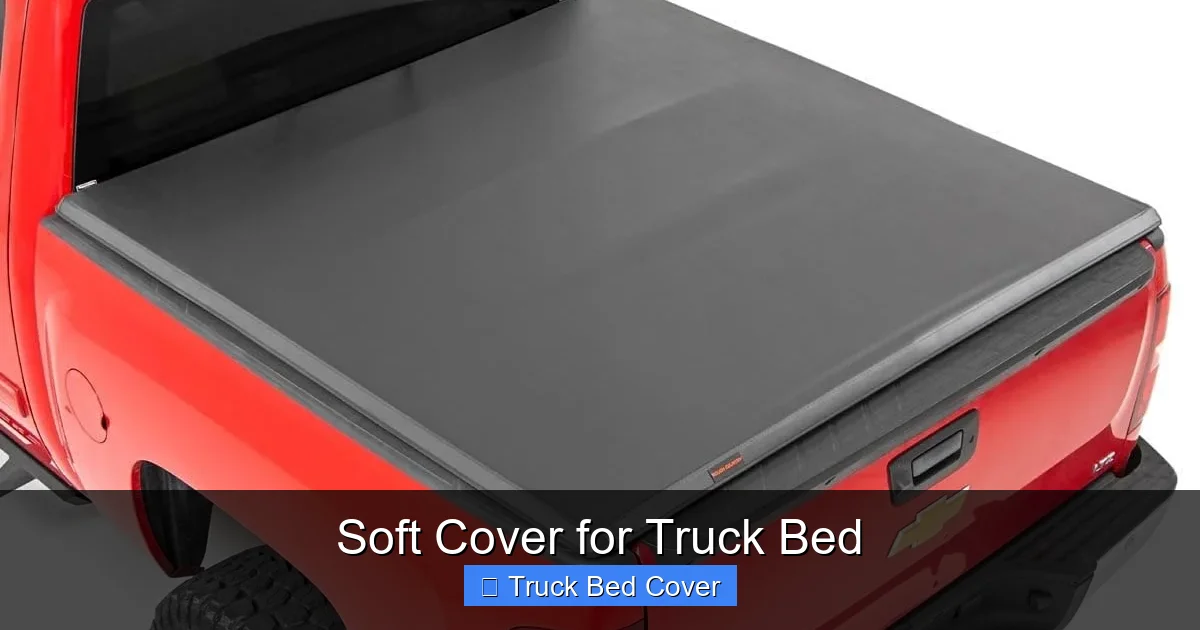
Soft Cover for Truck Bed
Soft covers for truck beds are affordable, lightweight solutions that protect your cargo from rain, snow, sun, and theft. Whether you’re hauling gear, tools, or groceries, a soft truck bed cover keeps everything safe and secure without the bulk of hard shells. Easy to roll up when not in use, these covers offer flexibility and peace of mind for everyday drivers.
Imagine loading your truck bed with fresh produce, camping gear, or work tools—only to have a sudden downpour soak everything. Or worse, returning to find your cargo gone. That’s where a soft cover for truck bed becomes a game-changer. It’s not just about keeping things dry; it’s about protecting your investment, securing your load, and giving you peace of mind every time you hit the road.
Soft covers for truck beds are among the most versatile and practical accessories available for pickup trucks. Unlike bulky hard shells, these fabric-based solutions are lightweight, easy to install, and can be rolled back in seconds when you need full access to your bed. Whether you’re commuting to work, heading out for a weekend adventure, or running errands around town, a quality soft cover offers unmatched convenience and protection.
In this guide, we’ll walk you through everything you need to know about soft truck bed covers—how they work, what to look for, the best types on the market, and how to choose the right one for your vehicle. We’ll also share real-world tips from truck owners who rely on their covers daily. By the end, you’ll feel confident picking the perfect soft cover for your truck bed.
Key Takeaways
- Affordable Protection: Soft truck bed covers cost significantly less than hard tonneau covers while still offering excellent weather resistance.
- Easy Installation & Removal: Most models use simple clamp-on systems or Velcro straps, allowing quick setup and storage.
- Enhanced Security: A locked tailgate provides theft deterrence, especially when combined with a high-quality cover and tie-down points.
- Improved Aerodynamics: Many soft covers reduce wind drag, helping improve fuel economy during highway driving.
- Weather Resistance: Waterproof or water-resistant fabrics keep cargo dry in rain, snow, and sleet.
- Custom Fit Options: Covers come in universal and model-specific styles to match different truck makes and bed lengths.
- Low Maintenance: Cleaning is as simple as wiping down or hosing off—no special products needed.
Quick Answers to Common Questions
Can a soft cover keep my truck bed completely dry?
Yes, most high-quality soft covers are fully waterproof and designed to shed rain effectively. Just ensure the tailgate is closed and the cover is properly tensioned for maximum protection.
Will a soft cover damage my truck’s finish?
No, reputable soft covers use non-abrasive clamps or rubber-coated straps that won’t scratch paint or bed liners. Always follow installation instructions to avoid excessive pressure.
Are soft covers good for winter driving?
Absolutely. Snow and ice slide off smooth vinyl surfaces easily. Just make sure the cover isn’t too tight, as expansion and contraction can cause stress on fabric over time.
Do I need a separate liner if I have a spray-in bed liner?
Not necessarily. Most soft covers are compatible with spray-in liners since they sit on top. However, check fitment details—some ultra-low-profile designs may interfere with deep liner edges.
Can I lock my truck with a soft cover installed?
Yes! The tailgate locks as usual, and many covers include secondary locking mechanisms or reinforced flaps that add another layer of security against theft.
📑 Table of Contents
What Is a Soft Cover for Truck Bed?
At its core, a soft cover for truck bed is a flexible, fabric-based tarpaulin stretched tightly over the open cargo area of a pickup truck. It’s typically made from heavy-duty materials like vinyl-coated polyester or canvas, designed to withstand harsh weather conditions. The cover attaches securely at the front (often using clamps or straps) and extends over the bed, folding down near the tailgate.
Unlike rigid hard covers that require drilling into the truck bed rails, soft covers sit flush on top and don’t alter your truck’s structure. They’re usually secured with side rails or tension bars that run along the sides of the bed. Some models feature built-in buckles or straps that wrap around the cab and connect at the tailgate.
The beauty of soft covers lies in their simplicity and adaptability. You can quickly unroll them when loading cargo, then pull them back and latch them shut—sometimes even locking the tailgate for extra security. When not in use, they fold neatly into a compact roll stored under the bed or in your cab.
How Do Soft Truck Bed Covers Work?
Most soft covers operate on a rolling mechanism. As you pull the cover forward, it unfurls smoothly across the bed surface. Once fully extended, the tailgate folds down to create a tight seal. Many modern designs include integrated straps or bungee cords that help hold the fabric taut, preventing flapping in the wind.
Some premium models come with a rear zipper or roll-up flap, allowing partial access without removing the entire cover. Others feature reinforced edges and grommets for added durability. High-end versions may include UV inhibitors, waterproof coatings, and reflective strips for nighttime visibility.
Installation varies by brand but generally takes less than 15 minutes. No tools are usually required—just follow the included instructions to attach the side rails or clamps to your truck’s bed rails. Once installed, the cover slides on and off like a curtain.
Types of Soft Covers for Truck Beds
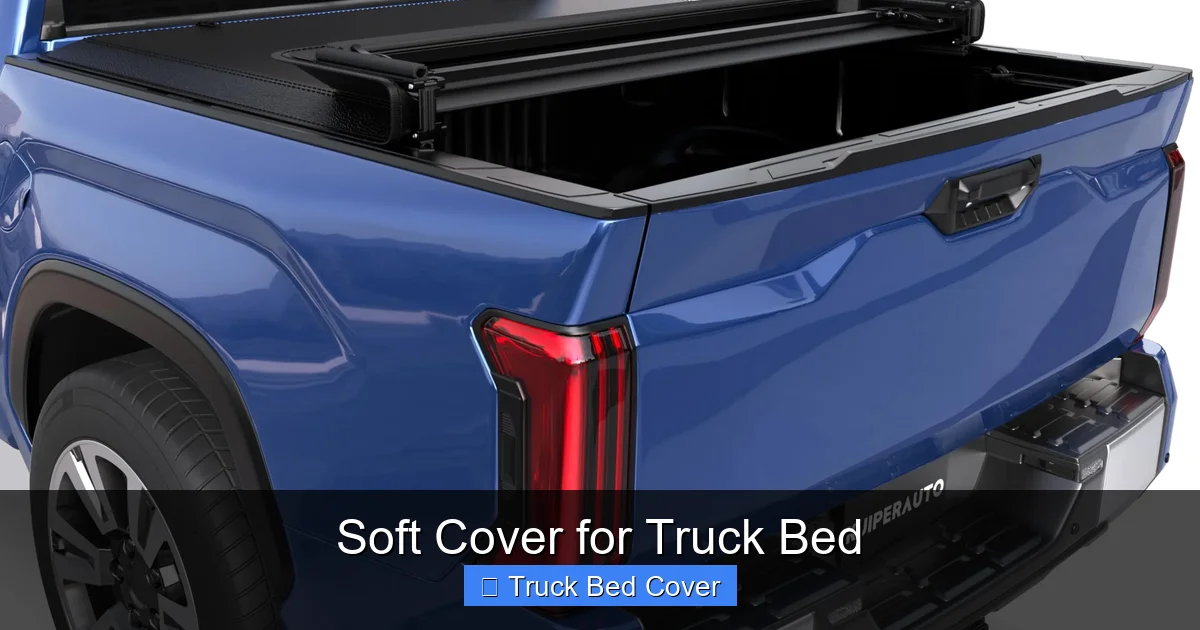
Visual guide about Soft Cover for Truck Bed
Image source: images-na.ssl-images-amazon.com
Not all soft covers are created equal. There are several styles, each suited to different needs and budgets. Understanding the differences helps you pick the best fit for your truck and lifestyle.
Tri-Fold vs. Roll-Up vs. Over-the-Rail
The tri-fold design is the most popular. It divides the cover into three sections—two side panels and a center panel—that fold neatly behind the cab. This style offers excellent coverage and stability, especially on larger trucks.
Roll-up covers, as the name suggests, simply roll backward toward the cab. They’re ideal for smaller beds or those who prefer minimalist aesthetics. However, they may expose more of the bed when rolled back.
Over-the-rail models slide over the sides of the bed and fasten at the tailgate. These are great for trucks with low bed rails or custom interiors but offer slightly less wind resistance than folded designs.
Each type has pros and cons depending on your cargo size, driving habits, and personal preference.
Material Matters: Vinyl vs. Canvas vs. Polyester
The fabric used determines how well your cover resists water, UV rays, and wear:
– Vinyl-coated polyester: Lightweight, waterproof, and affordable. Great for daily use in moderate climates.
– Canvas: Heavier but more breathable. Resists mold and mildew better than vinyl and offers a classic look.
– Polyethylene (PE): Often found in economy models. Durable but less flexible in cold weather.
Higher-end options combine multiple layers for enhanced strength and longevity.
Hard vs. Soft: Why Choose Soft?
While hard tonneau covers provide maximum security and sleek styling, soft covers win in affordability, ease of access, and portability. If you frequently need full bed access—like unloading large items—a soft cover lets you do so instantly without removing hardware.
Hard covers require permanent installation and can be cumbersome to remove. Soft covers, by contrast, allow you to store them away when not needed, reducing clutter and potential damage.
For many drivers, the trade-off between style and function favors the soft cover—especially if you prioritize usability over aesthetics.
Benefits of Using a Soft Cover for Truck Bed
Investing in a quality soft cover pays off in multiple ways. Here’s why thousands of truck owners swear by them:
Weather Protection
Rain, snow, and hail can ruin sensitive cargo. A waterproof soft cover creates a tight barrier that keeps moisture out. Even in heavy storms, your belongings stay dry. Plus, UV-resistant fabrics prevent fading and degradation from prolonged sun exposure.
Cargo Security
Thieves often target unattended trucks with exposed beds. A locked tailgate plus a fitted cover makes your cargo much harder to access. Combined with tie-down anchors, your gear stays put—even on bumpy roads.
Fuel Efficiency Gains
Ever notice how open-bed trucks create significant wind drag? Soft covers streamline airflow, reducing turbulence behind the cab. Studies show even modest aerodynamic improvements can save 2–5% on fuel consumption over long trips.
Easy Access & Convenience
Need to grab something mid-commute? Just roll back the cover and go. No tools, no fuss. This is especially useful for contractors, landscapers, or anyone who loads/unloads frequently.
Aesthetic Appeal Without Compromise
While not as polished as hard shells, modern soft covers come in sleek black or gray tones that complement most truck colors. They maintain a clean, professional look without the hefty price tag.
Lightweight & Portable
Weighing just 20–40 pounds, soft covers are easy to carry and store. Throw one in your passenger seat during emergencies or take it camping to shield firewood from dew.
How to Choose the Right Soft Cover for Your Truck Bed
With dozens of models on the market, narrowing down your options requires knowing key factors:
Measure Your Bed Accurately
Truck bed lengths vary—short, standard, and long. Measure from the inside wall of the bed rail to the tailgate latch. Also note whether your truck has a toolbox, spray-in liner, or bed caps. These affect compatibility.
Check Compatibility Before Buying
Not all covers fit every truck model. Brands like Tonno Pro, UnderCover, and TruXedo offer model-specific kits. Always verify fitment using your VIN or truck year/make/model before purchasing.
Consider Climate Needs
If you live in rainy or snowy regions, prioritize waterproof ratings and reinforced seams. In hot climates, look for UV-blocking materials to prevent fabric breakdown.
Evaluate Ease of Use
Test how quickly the cover opens and closes. Does it stay taut without constant adjustment? Are buckles and latches user-friendly? Read customer reviews for real feedback on daily usability.
Budget Wisely
Entry-level soft covers start around $100, while premium models exceed $400. For occasional use, a budget option suffices. Daily drivers benefit from heavier-duty construction that resists wear.
Look for Added Features
Top-tier covers include:
– Dual-lock tailgate system
– Built-in LED lighting
– Integrated tie-down points
– Anti-slip bottom layer
– Quick-release side rails
These extras enhance safety and convenience but add cost.
Installation Tips for Soft Truck Bed Covers
Proper installation ensures performance and longevity. Follow these steps:
Step 1: Clean the Bed Rails
Remove dirt, rust, or debris from the bed rails. Any obstruction prevents a tight seal and may damage the cover over time.
Step 2: Attach Side Rails or Clamps
Slide the rails onto your truck’s bed rails or secure clamps according to the manufacturer’s diagram. Ensure they’re level and snug but not overtightened.
Step 3: Slide On the Cover
Unroll the fabric and align it evenly across the bed. Make sure the front edge rests firmly against the cab wall.
Step 4: Secure the Tailgate
Fold down the tailgate and latch it shut. Use any included straps or buckles to tighten the cover taut from side to side.
Step 5: Test the Seal
Give the cover a gentle tug. It should resist movement. Check for gaps at the sides or front. Adjust as needed.
Most installations take under 15 minutes with basic tools. Watch a tutorial video if you’re unsure—many brands post helpful clips online.
Maintenance and Care for Longevity
Like any outdoor equipment, soft covers need occasional care:
Clean After Heavy Use
After hauling muddy tools or salted roads, rinse the cover with fresh water. Let it air dry completely before storing.
Avoid Sharp Objects
Even small rocks or metal edges can puncture fabric. Be mindful when loading cargo.
Store Properly
Never leave the cover rolled up wet. Fold it loosely and store in a cool, dry place. Use a protective bag if possible.
Inspect Regularly
Check for frayed threads, loose buckles, or worn-out grommets. Replace parts immediately to avoid bigger issues.
With proper care, a quality soft cover lasts 3–7 years—well worth the investment.
Frequently Asked Questions
What’s the difference between a soft cover and a tonneau cover?
A soft cover uses flexible fabric, while a tonneau cover is usually rigid (hard shell). Soft covers are cheaper, easier to remove, and offer full bed access; hard covers provide better aerodynamics and security but are more expensive and permanent.
How do I clean my soft truck bed cover?
Simply hose it down with water and let it air dry. Avoid harsh chemicals or scrubbing brushes. For stubborn stains, use mild soap and a soft cloth.
Can I drive with the soft cover partially rolled back?
It’s not recommended for high speeds. Loose fabric can flap dangerously or detach entirely. If you must access cargo, fully roll or fold the cover instead.
Do soft covers work on extended or crew cab trucks?
Yes, but always verify bed length and model compatibility. Some manufacturers offer extended-bed-specific kits with longer fabrics and reinforced anchors.
Will a soft cover improve my gas mileage?
Modestly—yes. Reducing wind resistance from an open bed can improve fuel efficiency by 2–5%, especially on highways or long drives.
Are soft covers worth the money compared to leaving the bed open?
Definitely. Theft, weather damage, and cargo shift are real risks. A soft cover costs far less than replacing ruined goods and offers immediate, hassle-free protection.