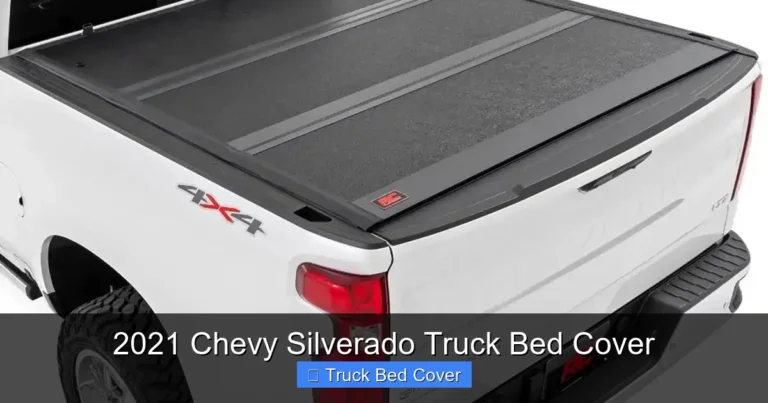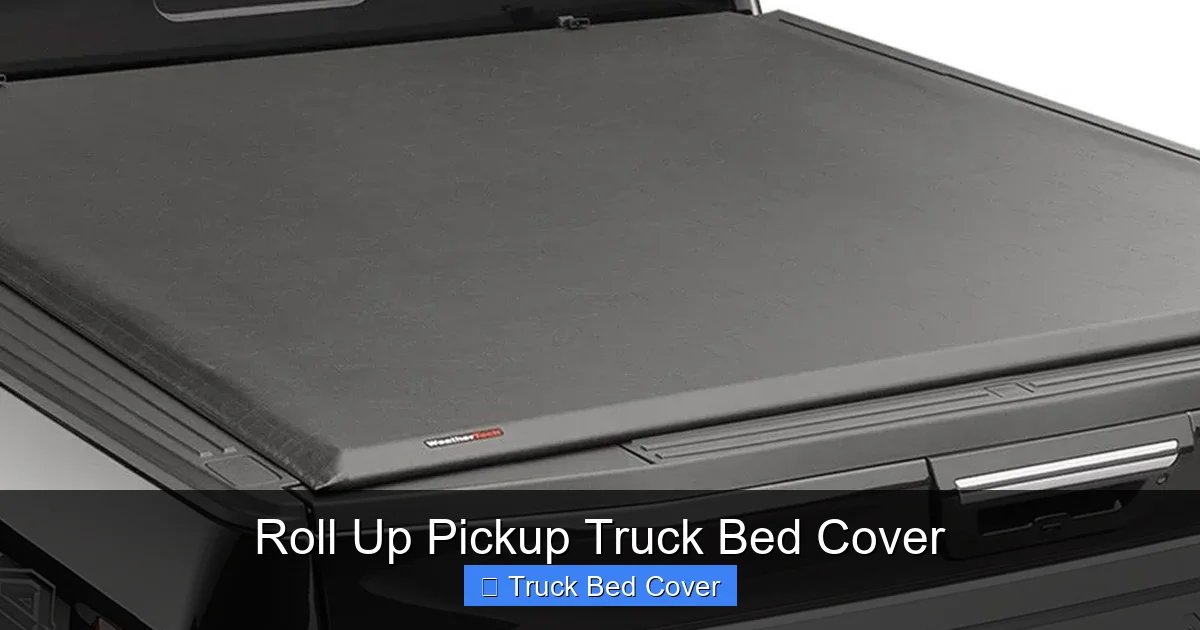
Roll Up Pickup Truck Bed Cover
A roll up pickup truck bed cover offers the perfect blend of convenience and protection for your truck bed. It’s easy to open and close, shields your gear from weather and theft, and fits most standard beds. Whether you’re hauling tools or heading off-road, this cover keeps everything safe without slowing you down.
# Roll Up Pickup Truck Bed Cover: The Ultimate Guide to Convenience & Security
You’ve got a pickup truck—maybe it’s your weekend warrior, your workhorse, or your daily driver. And whether you’re loading up lumber, moving furniture, or just carrying groceries, your truck bed is your workspace, storage, and sometimes even your backyard. But let’s be honest: without protection, that space gets messy fast.
That’s where a **roll up pickup truck bed cover** comes in. It’s not just another accessory—it’s a game-changer. Think of it as a retractable shield for your truck bed. Easy to use, tough enough for rough roads, and stylish enough to turn heads. In this guide, we’ll walk you through everything you need to know about roll-up bed covers—why they’re worth it, how they work, what to look for, and how to pick the right one for your ride.
Whether you’re a contractor, outdoor enthusiast, or someone who just wants to keep their stuff dry, this article will help you make an informed decision. Let’s roll!
—
## What Is a Roll Up Pickup Truck Bed Cover?
At its core, a roll-up pickup truck bed cover is a flexible, fabric-based tarp that rolls up along a side-mounted rail system. When you need access, you simply unlatch it and pull it back—like rolling up a window shade. When you’re done, you roll it back up and secure it with a strap or latch.
Unlike rigid covers, roll-ups are lightweight, affordable, and incredibly convenient. They don’t require drilling into your truck frame, and they can be removed entirely if needed. Most models are made from heavy-duty vinyl or polyester fabric, reinforced with UV-resistant coatings and tear-resistant stitching.
Popular brands include TruXedo, UnderCover, Tonno Pro, and BAK. These covers come in various sizes to fit different truck bed lengths—short (5.5 ft), standard (6.5 ft), and long (8 ft). Some even offer custom-fit options for specific models like the Ford Ranger or Honda Ridgeline.
—
## Why Choose a Roll Up Over Other Types?
There are three main types of truck bed covers: soft roll-up, hard tri-fold, and retractable hardtop. Each has pros and cons, but roll-ups stand out for their balance of price, function, and ease of use.
### Soft Roll-Up vs. Hard Tri-Fold
| Feature | Roll Up Cover | Hard Tri-Fold |
|———————–|————————|———————-|
| Price | $150–$400 | $500–$1,200 |
| Ease of Use | Very easy | Moderate |
| Security | Good | Excellent |
| Weather Protection | Good (with seals) | Excellent |
| Access Speed | Seconds | 30–60 seconds |
| Durability | 5–7 years | 10+ years |
Roll-up covers win when you want quick access and don’t mind slightly less rigidity. They’re perfect for people who frequently load and unload gear.
### Roll-Up vs. Retractable Hardtop
Retractable hardtops (like the Extang Solid Fold or BAKFlip) offer maximum durability and security, but they’re heavier, more expensive, and harder to operate. If you’re on a budget or need frequent access, a roll-up is smarter.
So why choose a roll-up? Because it gives you the best of both worlds: affordability, speed, and decent protection—without sacrificing style or functionality.
—
## Key Features to Look For
Not all roll-up covers are created equal. Here’s what to check before buying:
### 1. **Material Quality**
Look for high-grade, double-ply vinyl or polyester. UV inhibitors prevent fading and cracking. Reinforced edges and grommets add longevity.
### 2. **Rail System**
The rails hold the cover in place and guide it smoothly. Aluminum rails are lightweight and rust-proof. Make sure they’re pre-drilled for easy installation—or choose a no-drill model.
### 3. **Tension System**
A good tension system keeps the cover tight and wrinkle-free. Spring-loaded or ratchet-based systems are common. Avoid loose covers that flap in the wind.
### 4. **Security Locks**
Some models have integrated locks or latches at the cab end. This prevents unauthorized access when parked.
### 5. **Weather Seals**
Look for foam or rubber seals along the sides and tailgate. They keep water out during light rain or snow.
### 6. **Compatibility**
Always verify fitment for your exact truck year, make, and model. Universal covers may not seal properly.
—
## Benefits of a Roll Up Pickup Truck Bed Cover
Let’s break down the real-world advantages.
### 1. **Protection from the Elements**
Rain, snow, and sun can ruin tools, electronics, and furniture. A roll-up cover creates a waterproof barrier when fully extended. Even on a windy day, the tensioned fabric stays secure.
Example: You’re driving home after a long day of roofing work. Instead of worrying about wet tools, your cover keeps everything dry.
### 2. **Enhanced Security**
Thieves often target truck beds because they’re open and visible. A closed cover hides your belongings and makes it harder to grab items quickly.
Tip: Pair your cover with a tailgate lock for extra peace of mind.
### 3. **Improved Fuel Economy**
Did you know a covered bed reduces drag? Studies show a properly installed cover can improve gas mileage by 5–10%. That’s especially helpful on long highway drives.
### 4. **Better Cargo Visibility**
Unlike solid hardtops, roll-ups allow you to see your cargo when partially rolled back. No more guessing what’s inside—great for deliveries or shared vehicles.
### 5. **Easy Installation**
Most roll-up covers take under an hour to install. No welding, drilling, or special tools needed. Just attach the rails, slide in the cover, and zip it up.
Pro Tip: Watch installation videos on YouTube for your specific model. It saves time and prevents mistakes.
—
## How to Install a Roll Up Pickup Truck Bed Cover
Here’s a step-by-step guide using a typical mid-size truck (e.g., Ford Ranger):
### Step 1: Unbox and Inspect
Lay out all parts: rails, fabric cover, clamps, bolts, and hardware. Check for damage during shipping.
### Step 2: Attach the Side Rails
Position the rails along the top edges of the truck bed. Use the included clamps to secure them to the bed caps. Tighten bolts evenly.
### Step 3: Mount the Roller Bar
Install the roller bar at the front of the bed. This is where the cover rolls onto. Make sure it’s level.
### Step 4: Slide in the Cover
Unroll the fabric and insert the leading edge into the roller bar. It should slide in smoothly.
### Step 5: Secure the Back End
Attach the rear latch or strap to the tailgate. Adjust tension so the cover lies flat.
### Step 6: Test the Roll
Pull the cover back and release it slowly. It should roll up evenly and snap back into place.
Total time: 30–60 minutes.
—
## Maintenance Tips for Longevity
Even the best cover needs a little TLC.
– **Wipe Down Monthly:** Use mild soap and water to clean dirt and grime.
– **Check for Tears:** Inspect seams and corners regularly.
– **Lubricate Rails (Optional):** Apply silicone spray once a year to reduce friction.
– **Avoid Sharp Objects:** Don’t drag metal tools across the cover.
– **Store Properly:** If removable, keep it in a cool, dry place.
With care, your cover can last 5–10 years.
—
## Top Brands Compared
| Brand | Best For | Starting Price | Pros | Cons |
|————|——————————|—————-|——————————-|——————————|
| TruXedo | Daily drivers, light duty | $250 | Smooth roll, quiet operation | Slightly less rugged |
| UnderCover | Heavy-duty use | $350 | Strong build, easy access | Heavier weight |
| BAKFlip | Off-road enthusiasts | $450 | High security, great fit | More expensive |
| Tonno Pro | Budget-conscious buyers | $180 | Affordable, durable | Less refined finish |
Each brand has strengths. TruXedo is known for smooth operation; BAK for ruggedness.
—
## Common Misconceptions
Let’s clear up some myths.
**Myth 1: “Roll-ups aren’t strong enough.”**
Truth: Modern materials can handle hail, wind, and minor impacts. They’re tougher than you think.
**Myth 2: “They trap moisture.”**
Truth: Proper sealing and ventilation prevent condensation. Just leave it partially open occasionally.
**Myth 3: “Only big trucks need covers.”**
Truth: Small trucks benefit just as much—especially in rainy climates.
—
## Real-World Use Cases
Where do people actually use roll-up covers?
– **Construction Sites:** Keep tools and equipment safe overnight.
– **Camping Trips:** Store coolers, gear, and firewood securely.
– **Farm Work:** Protect fertilizer or seeds from rain.
– **Delivery Services:** Hide packages during transit.
– **Everyday Commutes:** Carry groceries or sports gear without spillage.
It’s not just for pros—it’s for anyone who values convenience and protection.
—
## Final Thoughts
A roll-up pickup truck bed cover isn’t just a nice-to-have—it’s a practical upgrade that pays for itself over time. It protects your investment, boosts efficiency, and adds peace of mind every time you hit the road.
Whether you’re hauling lumber, camping gear, or just want to keep your truck looking sharp, a roll-up cover delivers unmatched flexibility. And the best part? You don’t have to choose between style, function, and affordability—because you can have all three.
Ready to roll? Head to your local auto shop or order online today. Your truck bed (and your sanity) will thank you.
—
Key Takeaways
- Easy Operation: Simply unlatch and roll up the cover in seconds—no tools required.
- Weather Protection: Keeps rain, snow, and UV rays out while preventing rust and mold.
- Theft Deterrent: Adds a layer of security by hiding valuables from view.
- Versatile Use: Great for construction sites, camping trips, daily errands, and more.
- Fits Most Trucks: Compatible with popular models like Ford F-150, Chevy Silverado, and Toyota Tacoma.
- Low Maintenance: Requires minimal cleaning and lasts 5–10 years with proper care.
- Affordable Upgrade: More cost-effective than hard covers and more flexible than tonneau caps.
Quick Answers to Common Questions
How does a roll up truck bed cover work?
A roll-up cover uses a side-mounted rail system and a roller bar to allow the fabric to roll back smoothly. You unlatch the cover and pull it toward the cab, then secure it with a strap or latch when not in use.
Can I drive with the cover rolled back?
Yes, most roll-up covers can stay partially or fully retracted during driving. Just ensure it’s secured to prevent flapping. Always check local regulations—some areas limit exposed cargo.
Do roll-up covers fit all truck models?
No, they must match your truck’s bed length and cab style. Most brands offer fit guides. Universal covers exist but may not seal properly. Always confirm compatibility before purchasing.
Are roll-up covers waterproof?
They’re highly water-resistant but not 100% waterproof. High-pressure water might seep in at the edges. For full waterproofing, pair with a tailgate seal or consider a hard cover.
Can I install one myself?
Yes! Most roll-up covers are designed for DIY installation in under an hour. Just follow the instructions and use basic tools. No drilling or welding required for many models.
Frequently Asked Questions
What is the difference between a roll-up cover and a tri-fold cover?
A roll-up cover unfolds like a window shade, offering instant access. A tri-fold folds into three sections, which takes longer to open but provides a more rigid structure. Roll-ups are faster and cheaper; tri-folds are more secure.
How do I clean my roll-up bed cover?
Use mild soap, water, and a soft cloth. Avoid harsh chemicals or pressure washers. Rinse gently and let it air dry completely before rolling back up.
Will a roll-up cover damage my truck bed?
No, when installed correctly, it doesn’t scratch or dent your bed. The included clamps and rails are designed to protect the paint. Just avoid dragging sharp objects across the surface.
Can I leave the cover on in winter?
Yes! Roll-up covers protect against snow and ice. However, heavy snow buildup may strain the roller mechanism. Remove excess snow periodically to maintain smooth operation.
Are there any downsides to roll-up covers?
They’re less rigid than hard covers and may not handle extreme off-road abuse. Also, prolonged exposure to direct sunlight without UV protection can cause fading. Regular maintenance minimizes these issues.
How long do roll-up truck bed covers last?
With proper care, most last 5–10 years. Factors like material quality, climate, and usage frequency affect lifespan. Brands like TruXedo and BAK offer warranties up to 3–5 years.