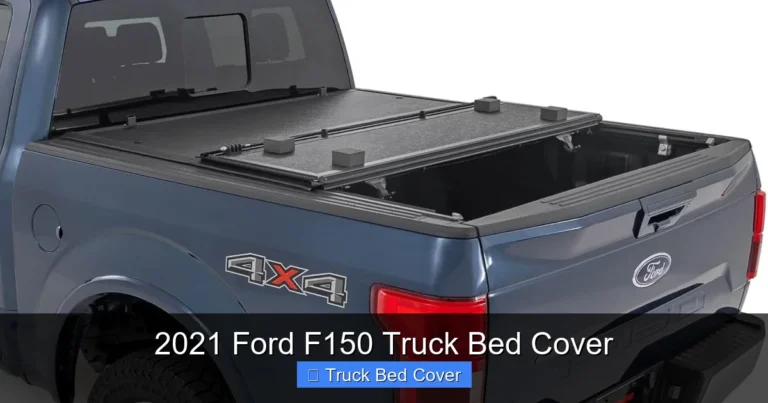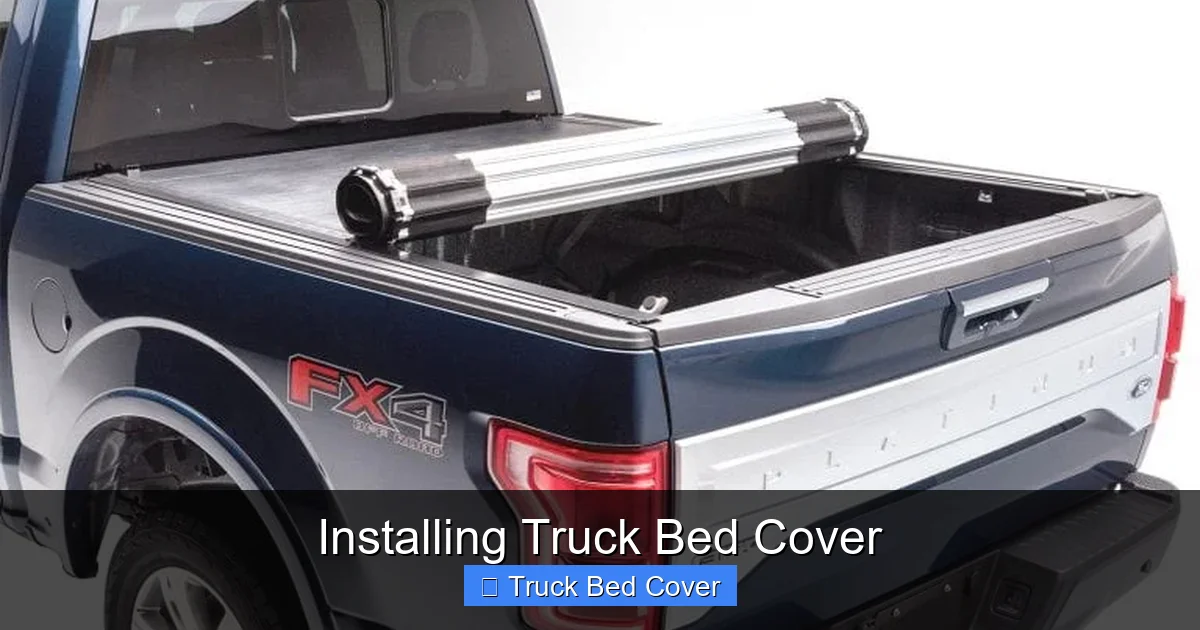
Installing Truck Bed Cover
Installing a truck bed cover is a smart upgrade that boosts cargo protection, improves aerodynamics, and enhances your truck’s appearance. Whether you choose a roll-up, retractable, or hard-fold cover, the process is straightforward with the right tools and preparation. This guide walks you through everything from measuring your bed to securing the final latches—making it simple to DIY or hire a pro.
Key Takeaways
- Choose the Right Cover: Select a truck bed cover type (roll-up, retractable, etc.) based on your needs for security, weather protection, and ease of use.
- Gather Tools & Materials: Before starting, collect essential items like a tape measure, socket wrench, screwdriver set, and the manufacturer’s hardware kit.
- Prepare Your Truck Bed: Clean the bed rails, remove old hardware, and ensure the surface is dry and free of debris for a secure fit.
- Follow Manufacturer Instructions: Always refer to the specific installation manual—each truck bed cover model has unique requirements.
- Test the Functionality: After installation, open and close the cover multiple times to check smooth operation and adjust if needed.
- Maintain Regularly: Wipe down the cover weekly and inspect bolts and seals to extend its lifespan and performance.
Installing a truck bed cover might seem intimidating at first, but with the right approach, it’s a project any truck owner can tackle in a few hours. Whether you’re upgrading from an open bed to a sleek tonneau design or simply want better protection for your gear, this guide will walk you through every step—from choosing the right cover to securing it tightly and safely. We’ll also share pro tips to avoid common mistakes and make your installation smoother than a freshly paved highway.
A truck bed cover does more than just look good. It shields your belongings from rain, snow, dust, and sun damage. It also reduces wind resistance, which can improve gas mileage by up to 10%. Plus, it deters theft by making your cargo less visible. With so many styles available—roll-up, tri-fold, retractable, and soft/hard tonneau covers—you can pick one that matches your lifestyle. The key is understanding how each works and what tools you’ll need before you begin.
Before you grab your wrench and head to the garage, take a moment to plan. Measure your truck bed carefully, double-check compatibility with your year/make/model, and gather all parts listed in the instruction manual. A little prep goes a long way toward preventing frustration later. And don’t worry—we’ll break down each phase of the installation so you feel confident every step of the way.
Key Takeaways
- Understanding installing truck bed cover: Provides essential knowledge
Quick Answers to Common Questions
How long does it take to install a truck bed cover?
Most DIY installations take 1–3 hours depending on the cover type and experience level. Retractable models may require 4+ hours due to track alignment.
Can I install a truck bed cover myself?
Yes, most covers are designed for DIY installation. Clamp-on and bolt-on models are especially beginner-friendly with basic tools.
Do I need special tools to install a tonneau cover?
Standard tools like screwdrivers, wrenches, and a tape measure suffice. Some heavy-duty models may require a drill or impact driver.
Will a truck bed cover affect my gas mileage?
Yes—aerodynamic covers can improve fuel efficiency by reducing drag, especially at highway speeds.
Can I remove and reinstall my cover easily?
Absolutely. Most covers allow full removal within 15–30 minutes for cleaning or seasonal storage.
📑 Table of Contents
Understanding Different Types of Truck Bed Covers
Not all truck bed covers are created equal. Choosing the wrong type could mean poor fit, reduced functionality, or even damage to your truck. Let’s explore the most popular options so you can pick the best one for your needs.
Roll-Up Covers
These are among the most popular choices due to their affordability and ease of use. Made from durable vinyl or canvas, they roll up toward the cab and are secured with side straps or buckles. Roll-up covers are ideal for those who need quick access to the full bed without removing the entire cover. They offer decent weather protection and are lightweight, making them easy to handle during installation.
Tonneau Covers (Soft & Hard)
Tonneau covers come in two main varieties: soft and hard. Soft tonneaus use fabric stretched over aluminum or fiberglass frames and are usually clamp-on or bolt-on designs. Hard tonneaus, like aluminum or fiberglass models, provide maximum security and durability. Both protect against UV rays and moisture, but hard covers often include locking mechanisms for added safety.
Retractable Covers
Retractable covers slide along built-in tracks and can be locked at any point along the bed. They’re sleek, modern, and offer full bed access when retracted. These are heavier and more expensive but deliver top-tier performance and aesthetics. Installation requires precise alignment, so professional help may be recommended.
Toolbox-Compatible Covers
If you have an under-the-rail toolbox, you’ll need a cover designed specifically to work with it. These sit above the box and use special mounting brackets. Be sure to verify compatibility before purchasing—some models won’t fit certain truck configurations.
Each type has pros and cons depending on your priorities: security, cost, convenience, or aesthetics. Knowing these differences helps you select the perfect truck bed cover for your vehicle and daily use.
Tools and Materials You’ll Need
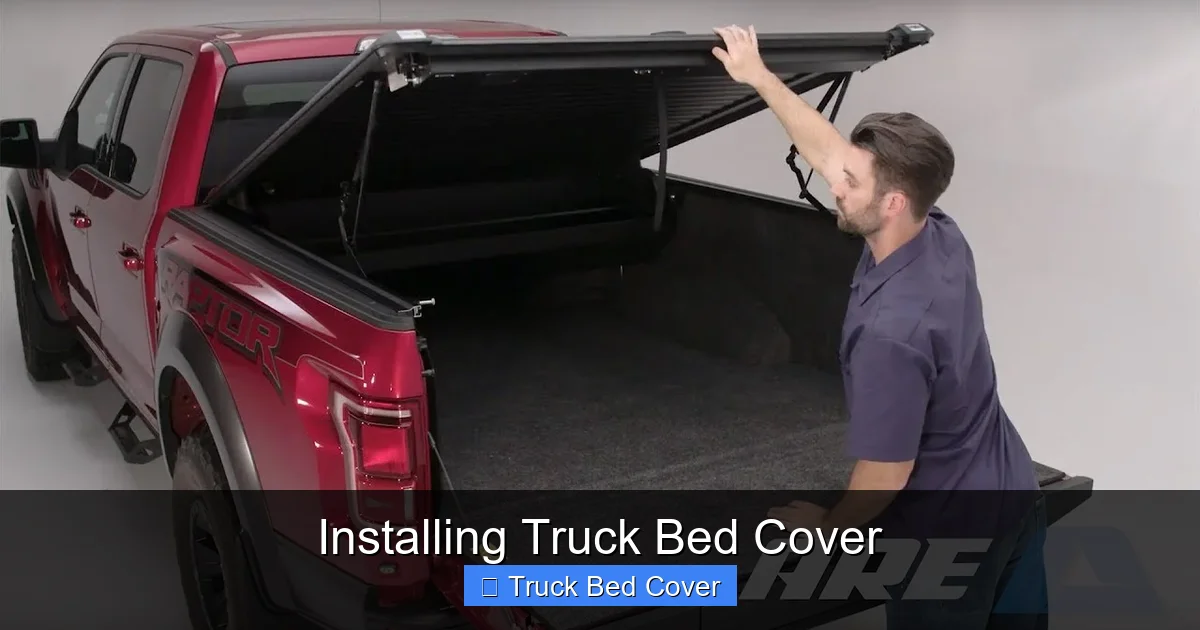
Visual guide about Installing Truck Bed Cover
Image source: i.ytimg.com
Before you start unboxing anything, make sure you have all the necessary tools and materials ready. Missing a single item can delay your progress or require a last-minute trip to the hardware store. Here’s a checklist tailored to most truck bed cover installations:
- Screwdriver Set: Both Phillips and flathead drivers will likely come in handy during assembly.
- Socket Wrench & Ratchet: Most covers require 8mm, 10mm, or 13mm sockets. A ratchet saves time versus hand tightening.
- Tape Measure: To confirm bed dimensions match your cover specs.
- Rubber Mallet or Hammer: For gently tapping brackets into place without damaging paint.
- Lubricant (Silicone-Based): Helps smooth sliding mechanisms on retractable or roll-up models.
- Cleaning Supplies: Isopropyl alcohol and microfiber cloths remove grease and prepare surfaces.
- Work Gloves: Protect your hands from sharp edges and dirt.
Don’t forget the hardware kit included with your truck bed cover. It should contain washers, bolts, clips, and rubber gaskets specific to your model. Losing or misplacing even one part can halt installation. Lay everything out on a clean workspace before beginning—this keeps components organized and reduces confusion.
Preparing Your Truck Bed
The secret to a successful truck bed cover installation starts with preparation. A clean, level bed ensures proper fit and prevents future leaks or sagging. Follow these steps to get your truck ready:
Start by removing any existing accessories like tie-down rings, license plate brackets, or old cover hardware. Use a socket wrench to loosen bolts—save them in labeled bags so you know which came from where. Next, wash the bed rails thoroughly with soap and water, then wipe with isopropyl alcohol to eliminate oils and grime. Any residue can prevent sealants from bonding correctly.
Check for dents, rust spots, or uneven surfaces along the bed rails. Minor dents can usually be popped out with a hammer, but severe damage may require body filler or professional repair. Ensure the bed is completely dry before proceeding. If you’re installing over a painted surface, consider applying automotive-grade adhesive primer to improve grip for bracket mounts.
Finally, lay down a protective mat or cardboard to shield your truck bed from scratches while working. This simple step protects both your vehicle and the cover during installation. Once your bed is prepped, you’re ready to move on to mounting hardware—the real foundation of your new truck bed cover.
Step-by-Step Installation Process
Now comes the exciting part—actually putting together your truck bed cover. While exact steps vary slightly by brand, most follow a similar pattern. We’ll outline a general sequence that applies to clamp-on, bolt-on, and rail-mounted systems.
Begin by laying the cover flat on a soft surface near your truck. Unroll or unfold it according to the instructions. For roll-up models, attach the front rail using the provided clamps or brackets. Position it flush with the edge of the bed—measure twice, align once! Then secure it with bolts or screws, but don’t fully tighten yet. This allows minor adjustments later.
Next, install the side rails or support bars. Slide them into position along both sides of the bed. Some kits include adjustable feet that rest on the bed floor; others use U-bolts around the existing bed rails. Tighten bolts evenly across both sides to maintain symmetry. Over-tightening can warp metal frames, so use a torque wrench if possible.
For hard covers, you’ll typically mount crossbars first, then attach the panel sections. Make sure all seams line up neatly and there’s no gap between panels. Use rubber gaskets or weatherstripping as recommended to block water intrusion. On retractable models, install the track system before rolling out the cover fabric.
Once everything is aligned, go back and fully tighten all fasteners. Check for play by gently shaking the cover—it should feel solid. Finally, test the opening/closing mechanism several times. Adjust tension knobs or strap positions if movement feels stiff or loose.
Throughout this process, refer constantly to your manufacturer’s diagram. Skipping a step or guessing can lead to misalignment or premature wear. When in doubt, pause and review—rushing increases the risk of mistakes.
Securing and Testing Your New Cover
After mounting the frame and panels, securing the cover properly is crucial for long-term performance. Improper sealing invites moisture, reduces aerodynamic benefits, and compromises security. Follow these best practices to lock everything in place:
Start by reinstalling any removed accessories like tailgate locks or tie-downs. Ensure they don’t interfere with cover movement. Then apply a bead of silicone-based weatherstrip along exposed edges where the cover meets the bed rails. Avoid petroleum-based products—they can degrade vinyl over time.
For roll-up covers, adjust the tension straps so the fabric lies flat without wrinkles. Too loose, and it flaps in the wind; too tight, and it strains the rollers. Most kits include ratchet-style buckles that make fine-tuning easy. Test by rolling the cover back and forth—it should glide smoothly without catching.
On hard covers, double-check that all latches engage fully and align with the tailgate. Some models feature integrated locks that require a key. Verify these work before loading valuable cargo. If gaps appear near the tailgate, add foam tape or draft stoppers to seal them.
Finally, perform a full-range test drive. Drive at highway speeds for 15–20 minutes and listen for unusual noises. Park under light rain (if possible) to check for leaks around seals. Address any issues immediately—small fixes now prevent big problems later.
Remember: a well-secured truck bed cover not only looks great but also performs reliably mile after mile. Taking extra care during this phase pays off in peace of mind and extended cover life.
Common Mistakes to Avoid During Installation
Even experienced DIYers run into snags when installing a truck bed cover. Being aware of common pitfalls helps you steer clear of costly errors. Here are five frequent mistakes and how to fix them:
1. Not Measuring Twice
Skipping measurements leads to ill-fitting covers that leak or sag. Always measure your bed length, width, and rail height. Compare these numbers to the product specifications before buying.
2. Overlooking Bed Condition
Installing over rust, dents, or wet surfaces ruins adhesion and creates weak points. Clean and dry thoroughly beforehand.
3. Ignoring Manufacturer Instructions
Every cover brand has unique requirements. Relying on YouTube videos instead of the manual causes misalignment and voided warranties.
4. Tightening Bolts Too Early
Fully torquing hardware before final alignment results in warped frames. Loosen temporarily, adjust position, then secure.
5. Skipping Weather Sealing
Leaving gaps invites water and debris. Apply sealant generously at joints and edges.
Avoiding these errors ensures your truck bed cover installs smoothly and functions perfectly from day one.
Maintenance Tips for Long-Term Performance
An installed cover isn’t maintenance-free—but regular care keeps it looking new and working efficiently. Follow these simple habits to maximize lifespan:
Wipe down your cover weekly with a damp microfiber cloth and mild soap. Harsh chemicals strip protective coatings from vinyl or fabric. Rinse occasionally with fresh water to remove salt, mud, or bird droppings.
Inspect bolts, latches, and seals monthly. Tighten any loose fasteners and replace worn gaskets immediately. Lubricate moving parts like rollers or hinges with silicone spray—never oil, which attracts dirt.
Store roll-up covers in their original bag away from direct sunlight when not in use. Prolonged UV exposure fades colors and weakens material. For hard covers, keep them clean and dry to prevent corrosion on metal frames.
If your cover includes a locking mechanism, test it quarterly to ensure it engages smoothly. Replace batteries in electronic locks as needed. Following these steps keeps your truck bed cover performing like new for years.
Frequently Asked Questions
What type of truck bed cover is best for heavy rain?
A hard tonneau cover with rubber seals offers superior water resistance compared to soft roll-ups, which may allow minor seepage in extreme conditions.
Can I install a cover over an existing toolbox?
Only if the cover is specifically designed to be toolbox-compatible. Verify dimensions and mounting requirements before purchasing.
Is professional installation worth the cost?
For complex models like retractables, yes—professional installers ensure proper alignment and warranty compliance. DIY saves money on simpler covers.
How do I clean my truck bed cover without damaging it?
Use a soft sponge, mild soap, and lukewarm water. Avoid abrasive scrubbers or chemical solvents that degrade vinyl or fabric.
Will a bed cover prevent my cargo from getting wet in the rain?
Most high-quality covers provide excellent water resistance, but prolonged storms may still allow some moisture penetration through seals or vents.
Can I paint my truck bed cover?
Only on certain hard covers made from unpainted aluminum or fiberglass. Fabric and pre-finished hard panels should not be repainted.