How to Install a Truck Bed Cover
Installing a truck bed cover is easier than you think and can transform your truck’s functionality. Whether you’re protecting cargo, improving fuel efficiency, or enhancing curb appeal, this guide walks you through the entire process with clear steps and expert tips. From choosing the right cover to securing it properly, we’ve got you covered—literally.
Key Takeaways
- Choose the right cover type: Roll-up, folding, retractable, and tonneau covers each offer unique benefits depending on your needs.
- Measure your truck bed accurately: A proper fit ensures a secure installation and prevents leaks or damage.
- Gather essential tools: You’ll need basic hand tools like a screwdriver, wrench, and tape measure—no special equipment required.
- Follow manufacturer instructions: Always refer to the specific manual for your cover model to avoid mistakes.
- Test for water resistance: After installation, check for leaks during light rain to ensure a watertight seal.
- Regular maintenance extends lifespan: Clean and lubricate moving parts annually to keep your cover functioning smoothly.
If you’ve ever struggled with rainwater soaking into your truck bed, or if you’re tired of tools, equipment, or gear getting stolen or damaged, then installing a truck bed cover might just be the solution you’ve been looking for. Not only does a quality cover protect your belongings from the elements, but it also enhances your truck’s aerodynamics, improves gas mileage, and gives your vehicle a sleek, custom look. Whether you’re hauling lumber, camping gear, or simply want to keep your truck bed dry and secure, learning how to install a truck bed cover is a smart upgrade for any truck owner.
In this comprehensive guide, we’ll walk you through everything you need to know—from selecting the right cover for your truck to the actual installation process. We’ll explain different types of covers, how to prepare your truck bed, what tools you’ll need, and common pitfalls to avoid. By the end, you’ll feel confident tackling this DIY project yourself, saving money and gaining a better understanding of your truck’s capabilities.
Key Takeaways
- Understanding how to install a truck bed cover: Provides essential knowledge
Quick Answers to Common Questions
Can I install a truck bed cover myself?
Yes, most truck bed covers are designed for DIY installation and require only basic tools. Follow the manufacturer’s instructions closely for best results.
Do I need to drill holes to install a cover?
It depends on the type. Many modern covers use clamp-on systems that don’t require drilling. Check your kit’s specifications before beginning.
How long does installation take?
Typically 1–3 hours, depending on complexity. Folding and roll-up covers are faster than retractables or hard shells.
Will a bed cover improve my gas mileage?
Yes, a properly installed cover reduces wind resistance, which can improve fuel economy by 5–10%.
Can I remove the cover completely?
Most soft and folding covers can be removed entirely. Retractables usually stay mounted but slide open.
📑 Table of Contents
- Choosing the Right Truck Bed Cover
- Preparing Your Truck Bed
- Gathering Tools and Materials
- Step-by-Step Installation Process
- Common Installation Mistakes to Avoid
- Maintenance Tips for Long-Lasting Performance
- Upgrading vs. Replacing: When It Makes Sense
- Conclusion: Enjoying the Benefits of Your New Cover
Choosing the Right Truck Bed Cover
Before diving into installation, it’s important to pick the correct type of cover for your needs and truck model. There are several popular styles, each with its own advantages:
Roll-Up Covers
These are among the most popular choices due to their affordability and ease of use. Roll-up covers unroll from a rear-mounted roller and tuck under the front bulkhead when not in use. They’re lightweight, allow full access to the bed, and often come with waterproof seals. Brands like TruXedo and UnderCover offer reliable roll-up models that are straightforward to install.
Folding Covers (Tri-Fold or Dual-Fold)
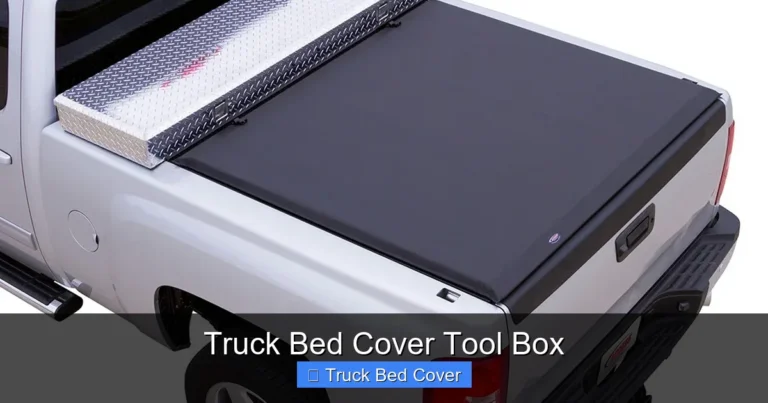
Folding covers consist of multiple panels hinged together. When unfolded, they lay flat over the bed. These are ideal for occasional access—you can fold them back in sections without removing them entirely. They provide excellent security and are great for trucks used in construction or outdoor work. Popular options include the BAKFlip MX4 and Extang Solid Fold.
Retractable Covers
Retractable covers slide open using a side-mounted mechanism, similar to a garage door. They offer smooth operation and a clean, low-profile appearance. Though more expensive, they’re durable and provide superior protection against moisture and theft. The BakBox and Access Tonneau Pro series are well-regarded in this category.
Soft Top Covers
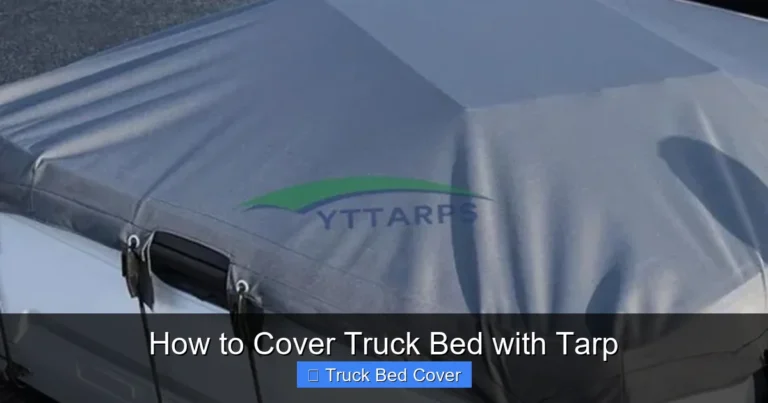
Made from vinyl or fabric, soft tops are budget-friendly and easy to remove completely. However, they don’t offer the same level of security or weather resistance as hard covers. They’re best suited for mild climates and occasional use.
Hard Shell Covers
These include fiberglass, aluminum, or composite materials and provide maximum security and durability. Hard shells lock securely and resist impacts better than soft covers. While pricier, they’re ideal for high-theft areas or extreme weather conditions.
When choosing your cover, consider factors like climate, usage frequency, budget, and whether you need full bed access. Most importantly, ensure the model you select is compatible with your specific truck make, model, and bed length.
Preparing Your Truck Bed
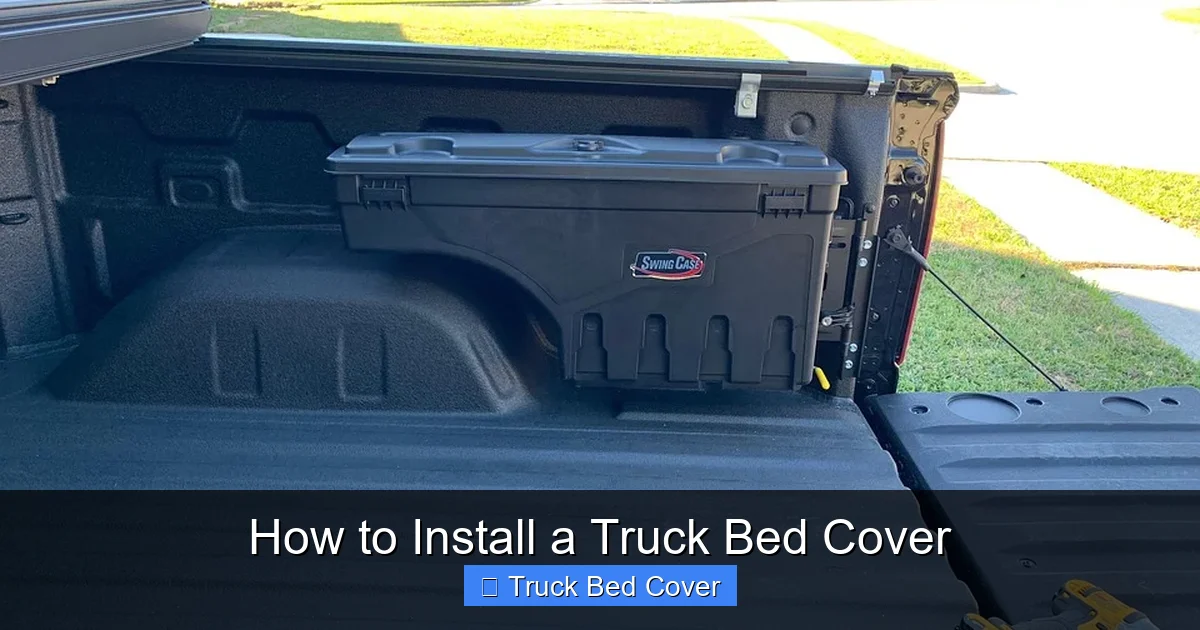
Visual guide about How to Install a Truck Bed Cover
Image source: jeepzine.com
A successful installation starts with a clean, prepared truck bed. Any debris, rust, or uneven surfaces can interfere with the seal and stability of your cover.
Begin by washing the entire bed area thoroughly. Use soap and water to remove dirt, grime, and old adhesive residue. For stubborn spots, a pressure washer can help. Once clean, let the bed dry completely—moisture underneath the cover can lead to mold or warping.
Next, inspect the bed rails and tailgate. Make sure they’re free of dents or misalignments. If the rails are bent or rusted, consider repairing or replacing them before installation. A level surface ensures the cover sits evenly and functions properly.
Check the condition of your tailgate hardware. The bolts holding the tailgate should be tight and secure. Loose bolts can cause the cover to shift or leak. Also, verify that the tailgate latch aligns correctly with the cover’s locking mechanism if applicable.
Finally, gather all necessary tools and accessories. Most kits include brackets, clamps, screws, and weather stripping. Double-check the contents list against your purchase to avoid missing pieces later.
Gathering Tools and Materials
You won’t need a professional garage full of power tools to install a truck bed cover. In fact, most installations require only basic hand tools and common items found around the house.
Here’s what you’ll typically need:
- Screwdriver set (Phillips and flathead)
- Adjustable wrench or socket set
- Tape measure
- Ladder or step stool
- Caulking gun (if included adhesive is provided)
- Clean cloths and mild detergent
- Lubricating spray (optional, for sliding mechanisms)
Some advanced systems may require drills, but many modern designs use clamp-based installations that eliminate drilling. Always read the manual first—some covers are designed to be bolt-on without modification.
Pro tip: Lay out all components on a clean surface before starting. This helps prevent confusion and ensures you have everything within reach.
Step-by-Step Installation Process
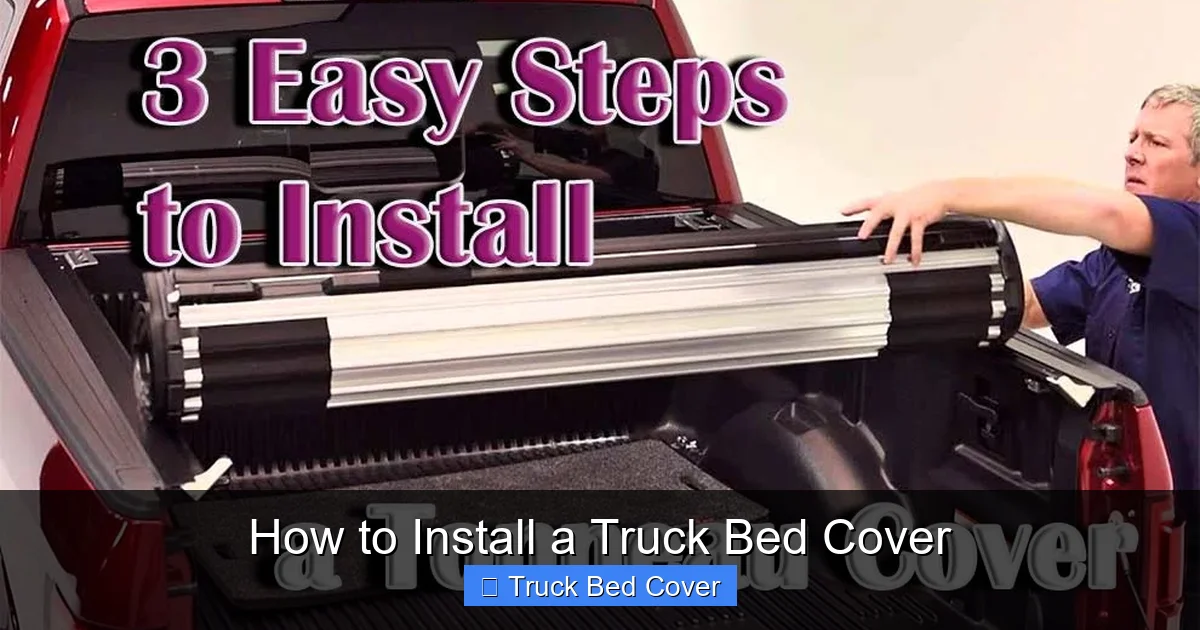
Now comes the exciting part—actually putting the cover on! While exact steps vary slightly between models, here’s a general guide that applies to most roll-up and folding covers.
Step 1: Position the Cover
Unroll or unfold the cover and place it over the truck bed. Center it so there’s equal overhang on both sides. Adjust as needed before securing anything permanently.
Step 2: Attach the Side Rails
Slide the side rails along the top edges of the bed. Most kits include rubber gaskets to create a weatherproof seal. Tighten the clamps or bolts just enough to hold the rail in place—don’t overtighten yet.
Step 3: Secure the Front Rail
Attach the front rail at the cab end. This piece often connects to the bed frame or uses suction cups for non-permanent installation. Ensure it sits flush and doesn’t interfere with the tailgate movement.
Step 4: Fasten the Rear Roller Assembly
For roll-up covers, mount the rear roller near the tailgate. Use the provided brackets and hardware. Make sure it rotates freely and doesn’t bind.
Step 5: Test the Movement
Gently pull the cover forward to test smooth operation. If it drags or sticks, recheck alignment and tighten only where necessary. Lubricate moving parts with silicone spray if recommended.
Step 6: Final Adjustments
Once everything moves smoothly, fully tighten all bolts and clamps. Use a torque wrench if specified in the manual to avoid stripping threads. Check that the cover lays flat and seals tightly at all edges.
Step 7: Seal Gaps (If Needed)
Apply weather stripping or foam tape to areas prone to leakage, especially at the tailgate and bed corners. Some kits include pre-applied strips—make sure they’re pressed firmly into place.
After installation, perform a quick test by spraying water over the cover. Look for drips or pooling inside the bed. Fix any leaks by adjusting seals or adding extra tape.
Common Installation Mistakes to Avoid
Even experienced DIYers sometimes run into issues during installation. Here are some frequent errors and how to fix them:
Misaligned Rails
If the side rails aren’t parallel, the cover won’t roll smoothly. Re-measure and reposition before tightening bolts. Use a level tool to confirm alignment.
Overtightened Bolts
Over-tightening can warp metal rails or crack plastic components. Apply firm pressure but stop short of forcing. Most clamps only need hand-tightening plus half a turn with pliers.
Ignoring Weather Stripping
Skipping sealant invites water intrusion. Always compress rubber gaskets slightly when installing—they expand to fill gaps naturally.
Not Testing Before Finalizing
Always test the cover’s movement and fit before making final adjustments. Waiting until everything is locked down makes corrections harder.
Using Wrong Hardware
Never substitute screws or bolts. Manufacturer-specified fasteners ensure proper load distribution and longevity.
By paying attention to these details, you’ll avoid frustration and ensure a long-lasting, functional setup.
Maintenance Tips for Long-Lasting Performance
Your investment deserves care. Proper maintenance keeps your truck bed cover looking great and performing reliably year after year.
Start by cleaning the cover monthly with mild soap and water. Avoid harsh chemicals or abrasive scrubbers that can degrade vinyl or fabric. Rinse thoroughly and air-dry away from direct sunlight.
Inspect seals and hinges quarterly. Replace worn rubber gaskets immediately to prevent moisture buildup. For retractable systems, apply silicone lubricant to tracks every six months to maintain smooth operation.
Store the cover loosely if not in use—never leave it rolled up tightly for extended periods. Extreme heat can warp materials, while cold temps may stiffen moving parts.
If your cover has locks or latches, keep them clean and lightly oiled. Dust and dirt can jam mechanisms over time.
Finally, park in shade or use a windshield sun protector during summer months. UV exposure fades colors and weakens synthetic fabrics faster.
With routine care, most truck bed covers last 5–10 years or more.
Upgrading vs. Replacing: When It Makes Sense
Sometimes, an old or damaged cover isn’t worth fixing. But before replacing, ask yourself: Is it structurally sound? Does it still function as intended? Minor scratches or loose seals might be repairable.
However, if the cover is cracked, rusted, or no longer seals properly, replacement is the smarter choice. Modern covers integrate better aerodynamics and security features than older models.
Consider upgrading if:
- Your current cover limits bed access
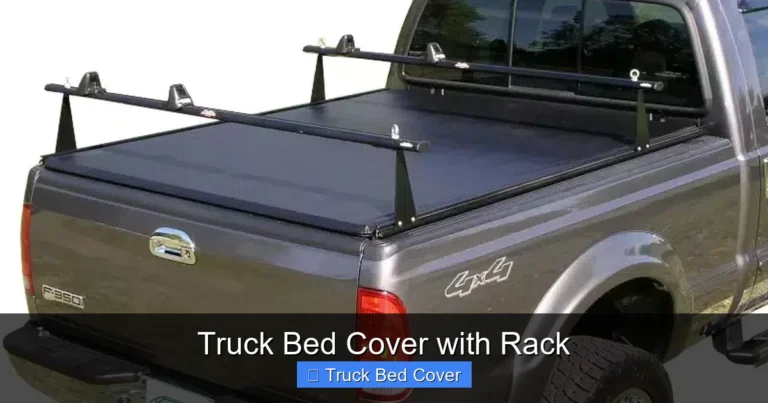
- You’ve added accessories like bike racks or toolboxes
- Fuel efficiency has noticeably decreased
- The cover is outdated and lacks modern safety features
Newer models often include enhanced locking systems, improved materials, and better UV resistance. Research current reviews before investing in an upgrade.
Conclusion: Enjoying the Benefits of Your New Cover
Installing a truck bed cover isn’t just about aesthetics—it’s a practical upgrade that pays off in convenience, security, and protection. Whether you chose a simple roll-up or a high-end retractable system, taking the time to install it correctly ensures years of reliable service.
Remember, preparation is key. Choose the right cover, clean your bed, follow instructions carefully, and don’t rush the process. With patience and attention to detail, even beginners can achieve a professional-looking result.
Once installed, enjoy peace of mind knowing your gear stays dry, safe, and out of sight. Plus, your truck will look sharper and perform better on the road. And best of all, you did it yourself—saving money and building confidence in your DIY skills.
So grab those tools, roll up your sleeves, and get ready to transform your truck bed into a secure, stylish, and functional space.
Frequently Asked Questions
What’s the difference between a tonneau cover and a truck bed cover?
A tonneau cover is a type of truck bed cover that specifically refers to soft or hard lids covering the bed. All tonneau covers are bed covers, but not all bed covers are called tonneaus—some people use “bed cover” as a broader term.
Should I choose a hard or soft cover?
Hard covers offer better security and weather resistance but cost more. Soft covers are lighter, cheaper, and easier to remove. Choose based on your budget and needs.
Can I install a cover on a wet truck bed?
No. Always install on a dry surface. Moisture trapped under the cover can lead to mold, rust, or poor sealing.
How do I fix a leaking bed cover?
Check seals and gaskets first. Reapply weather stripping if needed, and ensure the cover sits flush against the bed rails. Avoid over-tightening clamps.
Are bed covers legal everywhere?
In most states, as long as the cover doesn’t block taillights or obstruct view, it’s legal. Always check local regulations before installing.
Can I wash my truck with the bed cover on?
Yes, but avoid high-pressure spray directly onto seams. Use low pressure and direct aim at the cover itself rather than gaps.