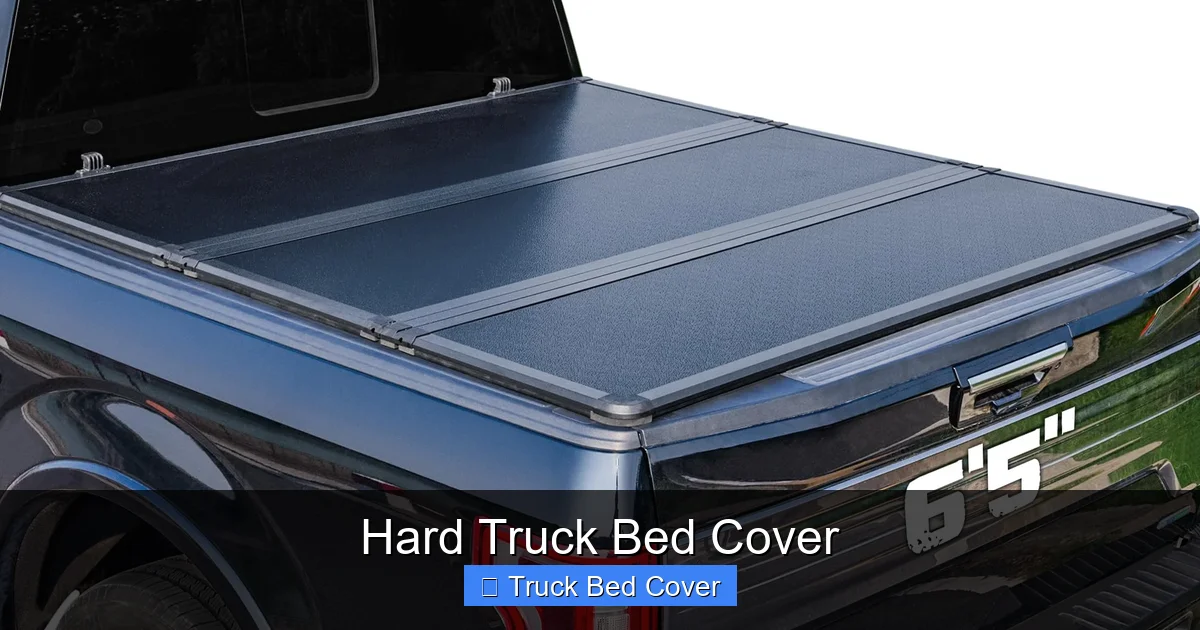
Hard Truck Bed Cover
A hard truck bed cover is the ultimate solution for protecting your truck bed from weather, theft, and wear. Unlike soft covers, hard covers provide a rigid, secure lid that keeps rain out and valuables safe. Whether you’re hauling gear, tools, or just want a sleek look, a hard cover boosts your truck’s value and functionality.
If you own a pickup truck, you know how valuable that open bed can be—whether you’re using it to carry lumber, sports equipment, camping gear, or just groceries home from the store. But with great utility comes great vulnerability. Rain can soak your belongings, wind can whip loose items around, and curious eyes might spot something worth stealing.
Enter the hard truck bed cover. This isn’t just another accessory; it’s a game-changer for anyone who wants to protect their investment and keep their cargo secure. Unlike flimsy plastic tarps or roll-up fabric covers, a hard cover provides a rigid, weatherproof barrier that blends durability with style.
In this guide, we’ll walk you through everything you need to know about hard truck bed covers—what they are, why they matter, how to choose the right one, and even how to install it yourself. By the end, you’ll be ready to make an informed decision that protects your truck and your peace of mind.
Key Takeaways
- Durability: Hard covers are made from tough materials like aluminum or fiberglass, resisting dents, scratches, and harsh weather.
- Security: The solid construction makes it much harder for thieves to access your cargo compared to open beds or soft tonneau covers.
- Weather Protection: Sealed designs block rain, snow, and UV rays, keeping your items dry and protected year-round.
- Aerodynamics: Many hard covers improve fuel efficiency by reducing wind drag at highway speeds.
- Easy Access: Most models feature full or partial rear-opening panels for quick loading and unloading.
- Custom Fit: Designed specifically for your truck model, ensuring a snug, professional appearance.
- Resale Value: A quality hard cover enhances your truck’s curb appeal and market value.
Quick Answers to Common Questions
Is a hard truck bed cover worth the investment?
Absolutely. A hard cover protects your cargo, improves fuel economy, boosts security, and enhances your truck’s appearance and resale value. For most drivers, the benefits far exceed the upfront cost.
Can I install a hard cover myself?
Yes, most hard covers are designed for DIY installation using basic tools. Follow the instructions carefully, and allow time to test the fit and function before final tightening.
Will a hard cover fit my specific truck?
Only if it’s listed as compatible with your exact truck make, model, year, and bed size. Always double-check specifications before purchasing.
Do hard covers reduce gas mileage?
No—they actually improve it! By smoothing airflow over the bed, hard covers reduce wind drag, leading to better fuel efficiency on highways.
Are hard covers waterproof?
Most high-quality hard covers are highly water-resistant and effectively shed rain and snow. However, no cover is 100% leak-proof if improperly installed or damaged.
📑 Table of Contents
What Is a Hard Truck Bed Cover?
At its core, a hard truck bed cover is a protective lid installed over the open area of a pickup truck bed. It sits flush with the truck bed rails and locks securely into place. The “hard” part refers to the material used—typically aluminum, fiberglass, or reinforced polymer—which gives it strength and rigidity unmatched by soft tonneau covers.
These covers come in several styles: tri-fold, dual-lift tailgate, retractable (also called rolling), and one-piece solid designs. Each has unique features tailored to different needs, but all share one goal: to shield your cargo from the elements while maintaining easy access when needed.
The key difference between a hard cover and other options lies in construction. Soft covers use fabric stretched over a frame, which can sag, tear, or fail under heavy loads. A hard cover, on the other hand, distributes weight evenly across its surface and resists bending or warping—even in extreme temperatures.
Types of Hard Truck Bed Covers
Not all hard covers are created equal. Here’s a breakdown of the most popular types:
Tri-Fold Covers: These are among the most common and affordable hard covers. They fold in thirds toward the cab, exposing the entire bed as needed. Made from durable ABS plastic or aluminum, they offer good security and decent weather resistance.
Dual-Lift Tailgate Covers: As the name suggests, these lift up along with your tailgate. When you lower the gate, the cover rests flat and flush against the bed rails. They’re ideal for frequent access and often include built-in tie-downs.
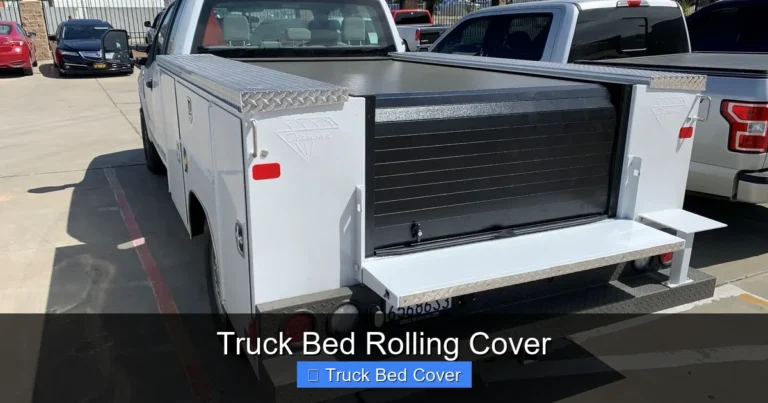
Retractable (Rolling) Covers: Think of a garage door mechanism for your truck bed. These unroll from a drum near the cab and lock into place at any point along the bed. They’re sleek, aerodynamic, and offer full access without folding back.
One-Piece Solid Covers: Also known as “lid-style” covers, these are molded as a single piece and sit completely over the bed. They’re extremely secure and wind-resistant but may require professional installation.
Each type has pros and cons depending on your driving habits, climate, and budget. For example, if you frequently load large items, a dual-lift or retractable might be better than a tri-fold.
Benefits of Installing a Hard Truck Bed Cover
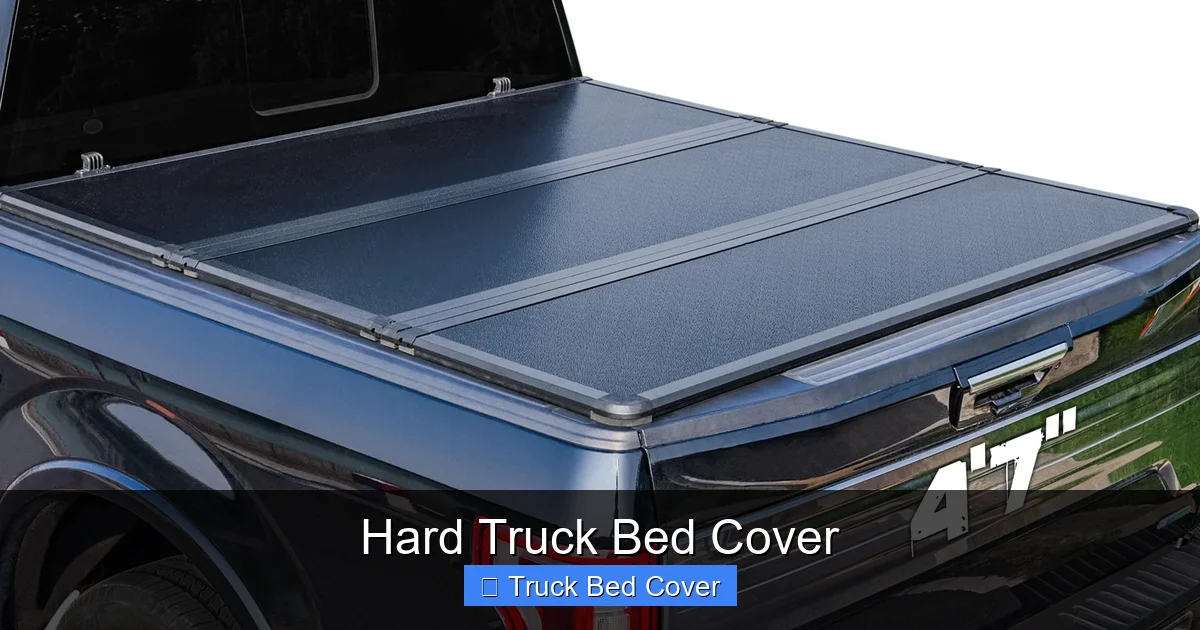
Visual guide about Hard Truck Bed Cover
Image source: m.media-amazon.com
Why go through the trouble of buying and installing a hard cover? Let’s break down the real-world advantages.
Enhanced Security
One of the biggest reasons people switch to hard covers is security. An open bed invites opportunistic thieves. With a solid lid, your tools, electronics, or personal items are hidden from view. Plus, many hard covers come with locking mechanisms—some even integrate with your truck’s existing key system.
Imagine leaving your laptop or power tools in the bed overnight. With a soft cover, someone could cut it open. Not so easy with a hard cover that requires a physical key or combination.
Weather Protection
Rain, snow, and sleet don’t stand a chance against a well-sealed hard cover. Water rolls right off the sloped surface instead of pooling inside. This means no soggy clothes, wet camping gear, or rust-inducing moisture buildup in your truck bed.
Even in sunny climates, UV rays can fade paint and damage interiors. A hard cover blocks those rays too, helping preserve both your truck’s finish and your belongings.
Improved Fuel Efficiency
Did you know your truck bed contributes to wind resistance? That’s why trucks with open beds often see reduced gas mileage on long highway trips. A hard cover smooths airflow over the bed, cutting drag and improving aerodynamics.
Studies show that adding a quality hard cover can increase fuel economy by up to 10% during extended highway driving. That’s not just good for the environment—it adds up fast at the pump.
Better Appearance & Resale Value
Let’s be honest: a clean, covered truck looks more put-together than one with a tarp or bare metal. Hard covers give your rig a polished, factory-finished look. And when it’s time to sell, buyers notice. According to Kelley Blue Book, trucks with high-quality accessories like hard covers tend to sell faster and for higher prices.
Protection from Wear and Tear
Constant exposure to dirt, gravel, and road debris wears down your truck bed over time. A hard cover acts as a shield, preventing scratches, dings, and corrosion. This extends the life of your truck bed and keeps it looking newer longer.
Choosing the Right Hard Truck Bed Cover
With so many options on the market, picking the right hard cover can feel overwhelming. Here’s what to consider before you buy.
Compatibility with Your Truck Model
Hard covers aren’t universal. You must match the exact year, make, and model of your truck—and sometimes even the bed size (short, standard, or long). Check the manufacturer’s website or retailer listings to confirm compatibility. Misaligned covers can rattle, leak, or fall off entirely.
Pro tip: Measure your bed length from bulkhead to tailgate. Even small differences matter.
Material Matters
Common materials include:
– Aluminum: Lightweight yet strong. Resists rust and handles heavy loads well.
– Fiberglass: Offers a glossy finish and excellent impact resistance but can crack under severe stress.
– ABS Plastic: Budget-friendly and lightweight, though less rigid than metal.
Choose based on your priorities: weight vs. strength, aesthetics vs. cost.
Ease of Installation
Most hard covers claim to be “tool-free” or “bolt-on,” but read reviews carefully. Some require drilling into bed rails or using specialized hardware. If you’re not handy, factor in professional installation costs ($50–$150).
Look for covers with pre-drilled holes and included mounting brackets. Brands like Tonno Pro, Undercover, and BakBox are known for user-friendly designs.
Locking Mechanism
Security starts with the lock. Avoid models with flimsy latches or no locking at all. Good options include:
– Key-operated locks
– Combination dials
– Push-button systems
Some premium covers even sync with your truck’s alarm or remote entry.
Climate Considerations
If you live where temperatures swing wildly—from scorching summers to freezing winters—choose a cover with thermal expansion features. Aluminum expands and contracts differently than plastic, so ensure your cover accommodates this without warping or cracking.
In snowy regions, look for models with raised edges to prevent snow from piling up and weighing the cover down.
Installation Tips & Best Practices
Installing a hard truck bed cover doesn’t have to be intimidating. Follow these steps for a smooth process:
Prepare Your Truck Bed
Clean the entire bed thoroughly—remove dirt, grease, and old sealant. Dry it completely before starting. Any debris underneath will cause leaks later.
Gather Tools
Usually just a socket wrench and screwdriver. Some kits include everything you need. Read the manual first!
Follow Manufacturer Instructions
Even if two covers look similar, installation varies by brand. Skipping steps risks misalignment or damage.
Check Alignment Before Finalizing
Once mounted, open and close the cover a few times to test fit. Adjust clamps or brackets if it wobbles or doesn’t seal properly.
Seal Gaps (If Needed)
For extra weatherproofing, apply automotive-grade silicone along the edges where the cover meets the bed rails.
Test the Lock
Make sure the locking mechanism engages smoothly and secures the cover tightly. Nothing defeats a cover faster than a faulty latch.
Pro tip: Install during mild weather. Extreme heat or cold can affect plastic flexibility during setup.
Maintenance and Longevity
A hard cover is built to last, but proper care ensures it stays functional for years.
Regular Cleaning
Wash with mild soap and water every few months. Avoid harsh chemicals that can degrade seals or fade paint. Use a microfiber cloth to prevent scratches.
Inspect Seals Annually
Check rubber gaskets around hinges and edges for cracks or compression loss. Replace if worn—leaky seals ruin the whole purpose.
Lubricate Moving Parts
For retractable or folding covers, apply silicone spray to rollers and hinges twice a year to prevent sticking.
Store Indoors When Possible
If you leave your truck parked outside long-term, consider removing the cover during winter or storing it in a garage. UV exposure weakens plastics over time.
Avoid Overloading
Even strong covers have limits. Never pile snow, ice, or heavy objects directly on top unless specified by the manufacturer.
With routine maintenance, a quality hard cover can easily serve you for 10+ years.
Top Brands to Consider
Not all hard covers are equal. Here are some trusted brands known for reliability and customer satisfaction:
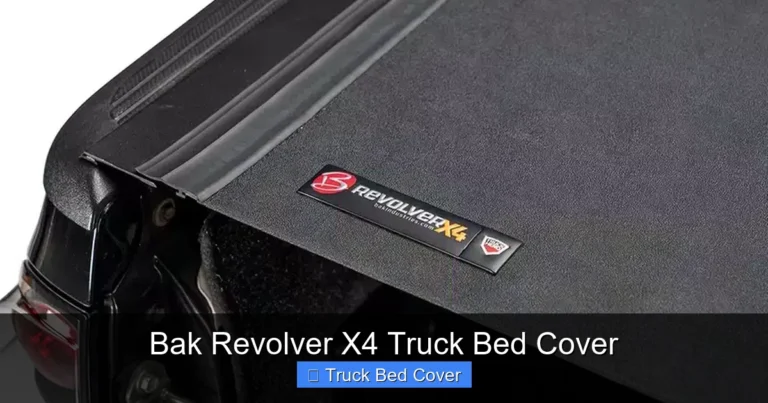
Bak Industries: Famous for their BakFlip fiberglass series—durable, stylish, and backed by strong warranties.
Undercover: Offers both rolling and tri-fold models with sleek designs and advanced sealing technology.
Tonno Pro: Known for affordable aluminum covers with excellent build quality and easy installation.
Extang: Popular among DIYers for their Encore and Solid Fold models, which balance price and performance.
Leer: High-end option offering OEM-like finishes and integration with truck interiors.
When researching, prioritize customer reviews over marketing claims. Real-world feedback reveals durability, ease of use, and hidden flaws.
Cost Breakdown: What to Expect
Prices vary widely based on material, style, and features. Here’s a general range:
– Basic tri-fold (ABS plastic): $200–$400
– Mid-range aluminum tri-fold: $400–$700
– Premium retractable/rolling: $800–$1,500
– One-piece solid covers: $1,000+
Remember: cheaper isn’t always better. A $150 cover might save money upfront but fail within a year. Invest in a reputable brand with a solid warranty (usually 2–5 years).
Factor in installation costs if you’re not doing it yourself. Professional labor typically runs $75–$150.
Over time, the savings from improved fuel economy, reduced cargo damage, and higher resale value far outweigh the initial investment.
Real-World Scenarios: Why People Choose Hard Covers
Let’s look at how everyday drivers use their hard covers:
The Weekend Warrior: John owns a Ford F-150 and uses it for hunting trips. He installed a BakFlip Pro to protect his bow case and camping gear from rain. The lock gives him peace of mind when he parks at remote trailheads.
The Handyman: Maria works in construction and carries tools daily. Her retractable cover lets her access her drill set quickly without unfolding anything. The aerodynamics help her truck get better gas mileage on commutes.
The Family Driver: David has young kids and worries about them climbing into the bed unsupervised. His hard cover prevents accidents while still allowing him to toss soccer balls or coolers inside safely.
These stories highlight how a simple upgrade solves real problems.
Frequently Asked Questions
How do I know if a hard truck bed cover is compatible with my vehicle?
Check the product description or manufacturer website for compatibility details. You’ll need to match your truck’s year, make, model, and bed length. Using an incompatible cover can lead to poor fit, rattling, or leaks.
Can I wash my hard truck bed cover with a pressure washer?
Yes, but use low pressure and avoid spraying directly into seams or locking mechanisms. High-pressure jets can force water inside and damage internal components.
Do hard covers require special maintenance?
Minimal maintenance is needed. Regularly clean with soap and water, inspect seals annually, and lubricate moving parts as recommended. Avoid abrasive cleaners or excessive heat exposure.
Will a hard cover scratch my truck bed?
Properly installed covers won’t scratch your bed. However, poorly fitted or cheap models with sharp edges can cause damage. Always follow installation guidelines and avoid dragging heavy objects over the cover.
Can I add a hard cover to a truck with a camper shell?
Generally, no—a camper shell already covers the bed, making a hard tonneau cover unnecessary and incompatible. Consult your camper manufacturer for approved modifications.
Are there hard covers that work with toolboxes in the bed?
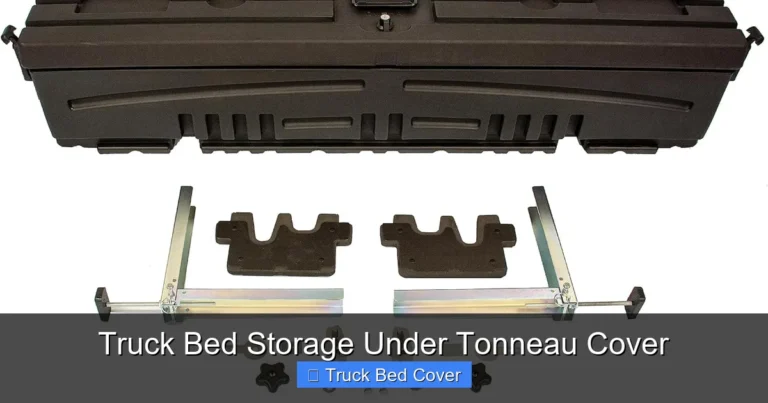
Some models are designed to accommodate under-bed toolboxes. Look for “box-compatible” or “with cutout” features in the product specs. Otherwise, the cover may interfere with storage.