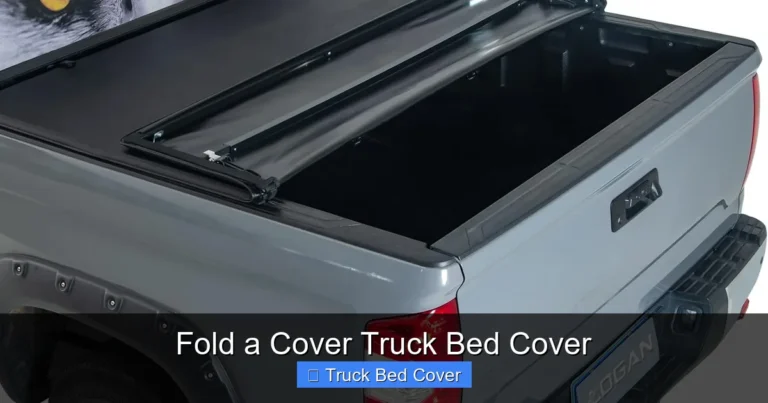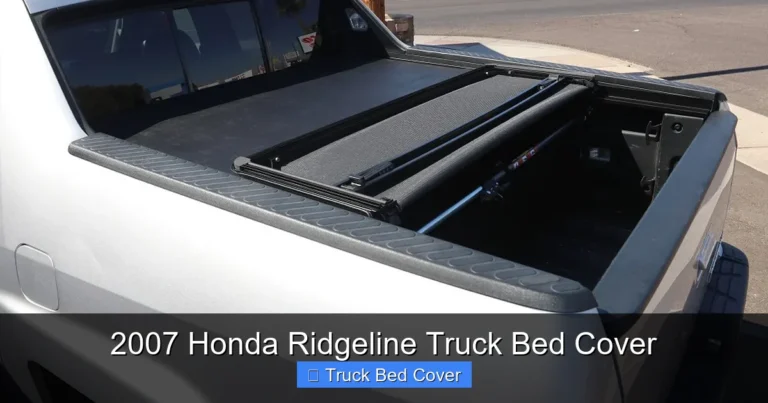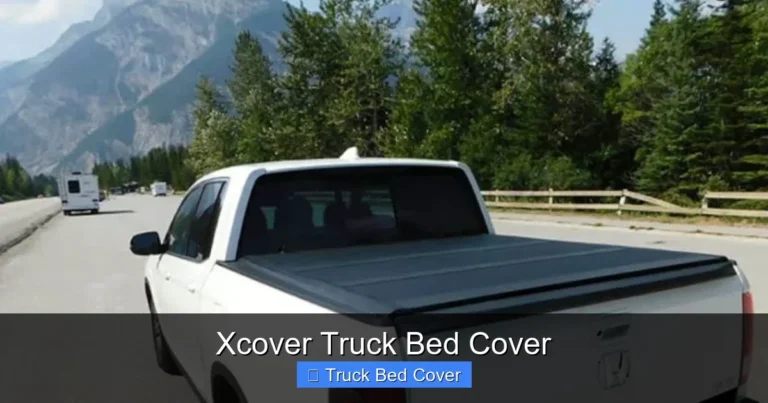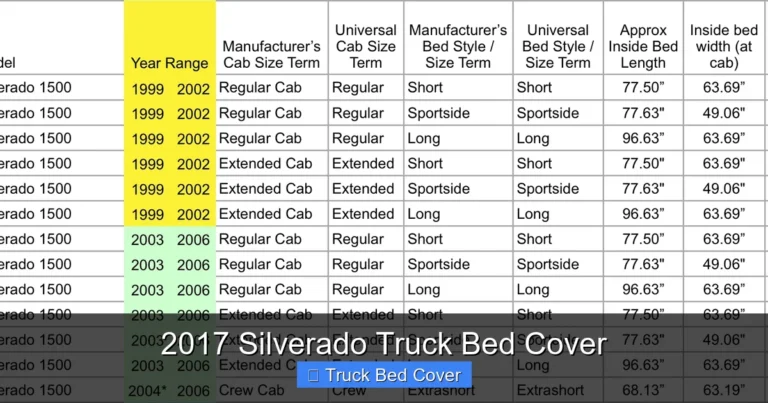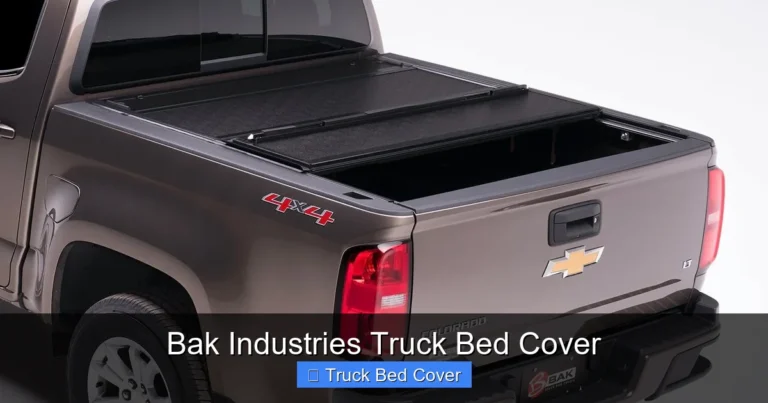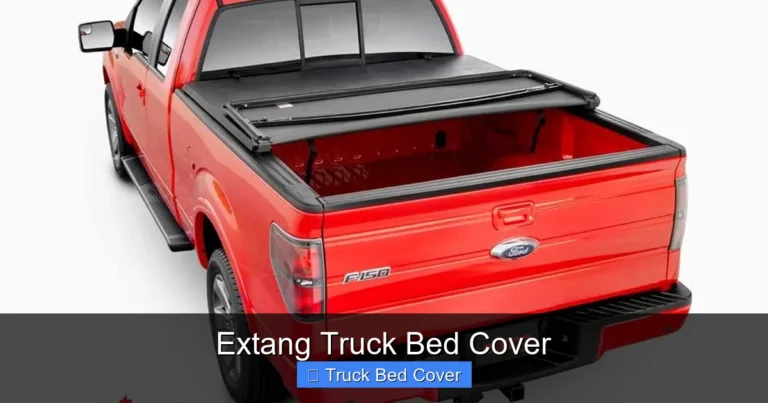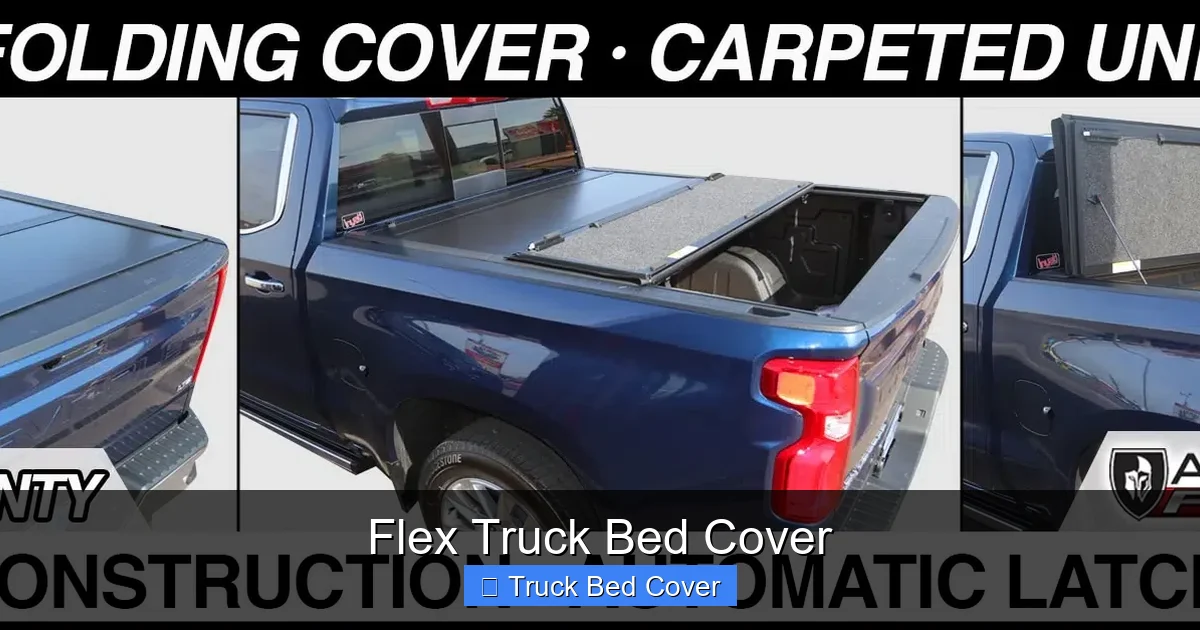
Flex Truck Bed Cover
A Flex Truck Bed Cover is a lightweight, roll-up tarp-style accessory designed to protect your truck bed from rain, dirt, and theft while offering easy access to cargo. Whether you’re hauling tools, groceries, or gear, this versatile cover provides quick deployment, UV resistance, and all-weather durability. It’s the perfect blend of convenience and protection for everyday truck owners.
Key Takeaways
- Flexibility & Portability: Unlike hard covers, flex truck bed covers roll up easily and store compactly, making them ideal for frequent use.
- Weather Protection: Designed with waterproof materials, they shield your cargo from rain, snow, and dust without trapping moisture.
- Security Boost: Adds an extra layer of protection against theft by covering valuable items and reducing visibility inside the bed.
- Fuel Efficiency: A well-secured cover reduces wind drag, improving aerodynamics and potentially increasing gas mileage.
- Easy Installation: Most models install in under 30 minutes with no drilling or permanent modifications to your truck.
- UV & Abrasion Resistant: High-quality fabrics resist sun damage and wear, ensuring long-term performance.
- Universal Fit: Available in multiple sizes to fit most pickup trucks, including popular models like Ford F-150, Chevy Silverado, and Toyota Tacoma.
If you’re a truck owner who values both function and convenience, you’ve probably considered upgrading your truck bed protection. Whether you’re using your vehicle for work, recreation, or daily errands, keeping your cargo safe and dry is essential. Enter the flex truck bed cover—a modern, adaptable solution that’s quickly becoming a favorite among drivers nationwide. This isn’t just another tarp or basic tonneau cover. The flex design offers a unique combination of flexibility, ease of use, and robust protection that stands out in a crowded market.
Unlike rigid hardtop covers, the flex truck bed cover uses a roll-up system made from heavy-duty, tear-resistant fabric. It unfolds smoothly across the entire bed width, securing tightly with side rails and tailgate clamps. When not in use, it rolls back into a compact storage tube mounted at the front of the bed. This design means you can access your cargo instantly—whether you’re dropping off supplies, unloading gear, or just checking on your tools. And because it doesn’t require drilling or permanent installation, you can remove it when needed and reinstall it in minutes.
What truly sets the flex truck bed cover apart is its balance of practicality and performance. It’s built to handle real-world conditions—ranging from scorching summer heat to freezing winter storms. With features like UV inhibitors, reinforced stitching, and water-repellent coatings, these covers don’t just promise protection—they deliver it day after day. Plus, they look great. Sleek lines, matte finishes, and available colors make them a stylish addition to any truck.
Key Takeaways
- Understanding flex truck bed cover: Provides essential knowledge
Quick Answers to Common Questions
What is a flex truck bed cover?
A flex truck bed cover is a roll-up tonneau cover made of flexible, durable fabric that protects the truck bed from weather and theft while allowing easy access to cargo.
How do I install a flex truck bed cover?
Installation usually involves attaching side rails, mounting a roller tube, and securing the fabric across the bed. Most kits take 30–60 minutes and require no drilling.
Can a flex cover fit all truck models?
Most flex covers are designed to fit common truck bed sizes, but always check the manufacturer’s fit guide for your specific make and model.
Is a flex cover waterproof?
Yes, premium flex covers are designed with waterproof materials and sealed seams to keep rain and snow out of the truck bed.
Will a flex cover improve my gas mileage?
Yes, by reducing aerodynamic drag, a flex cover can improve fuel efficiency by several percent, especially on highway drives.
📑 Table of Contents
What Is a Flex Truck Bed Cover?
At its core, a flex truck bed cover is a soft, roll-up tonneau cover designed to fit over the open bed of a pickup truck. Unlike hard shells or folding panel systems, the “flex” aspect refers to the material and mechanism—typically a vinyl or canvas-like fabric that stretches and moves with the bed, then locks securely into place.
These covers are engineered to be lightweight yet strong. Most are constructed from high-density polyethylene (HDPE) fabric, which resists tearing, abrasion, and UV degradation. The roll-up mechanism consists of a sturdy aluminum or steel frame that mounts along the bed rail, with a spring-assisted roller at the front. When you unroll the cover, it extends across the entire bed, and tension holds it flat and secure.
One of the biggest advantages of the flex design is its adaptability. Because it doesn’t have fixed panels or hinges, it can accommodate different bed lengths, widths, and even slight variations in bed height. This makes it a universal fit for many truck models, especially popular ones like the Ford F-150, Ram 1500, GMC Sierra, and Honda Ridgeline.
How Does It Work?
The operation of a flex truck bed cover is simple but effective. Once installed, the cover rolls up and down like a window shade. To open it, you pull the fabric toward the cab end of the bed, allowing it to roll onto the storage tube. The cover remains taut thanks to internal springs and side rails that grip the fabric. When closed, the tailgate acts as a natural anchor point, and the cover secures with latches or magnetic strips at the cab end.
This design allows full access to the entire bed area. You don’t need to remove any parts or struggle with awkward folding mechanisms. For someone who frequently loads and unloads tools, equipment, or outdoor gear, this convenience is a game-changer.
Materials Used in Flex Covers
The quality of materials directly impacts the longevity and performance of your flex truck bed cover. Premium models use multi-layered fabrics such as:
– Vinyl-coated polyester: Offers excellent water resistance and durability.
– Canvas with PVC backing: Provides breathability while maintaining strength.
– Aluminum frames: Lightweight, rust-proof, and resistant to bending.
– Heavy-duty buckles and straps: Ensure the cover stays secure during driving.
Cheaper versions may use thinner fabrics or plastic components, which can degrade faster under sun exposure or heavy loads. Always check reviews and specifications before purchasing.
Benefits of Choosing a Flex Truck Bed Cover
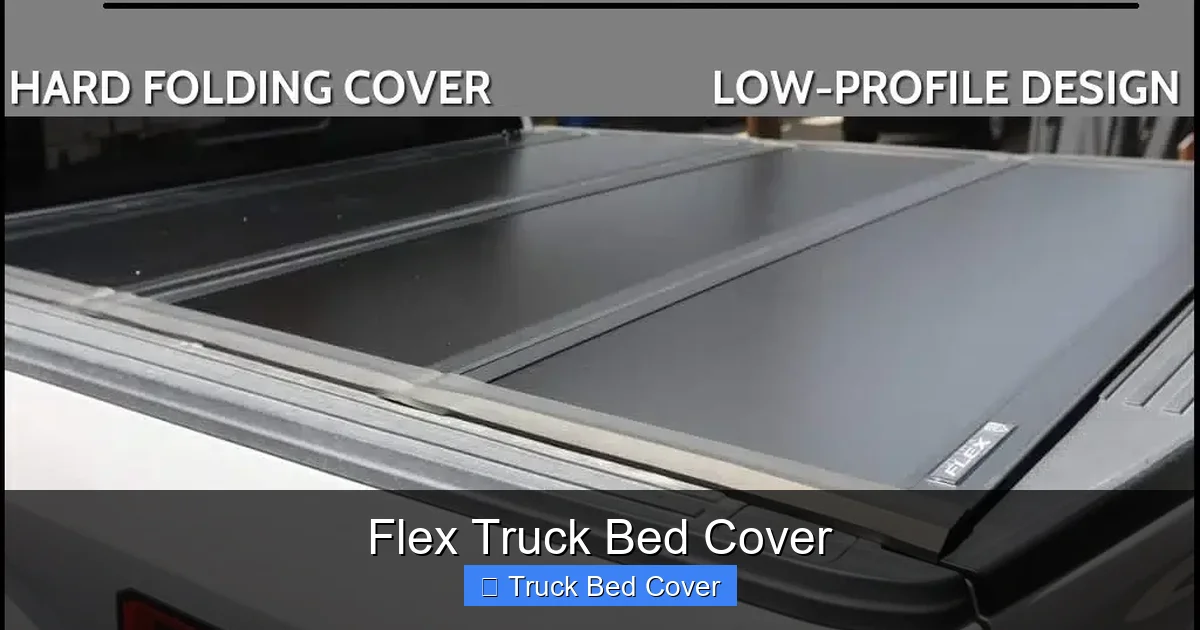
Visual guide about Flex Truck Bed Cover
Image source: truckaccessplus.com
Investing in a flex truck bed cover isn’t just about aesthetics—it’s about enhancing your truck’s functionality. Here’s why thousands of drivers swear by this type of cover:
1. Superior Weather Protection
Rain, snow, and sleet are no match for a well-designed flex cover. The tight seal created by the side rails and tailgate prevents water from seeping into the bed. This keeps your belongings dry, whether you’re carrying electronics, furniture, or camping gear.
In snowy climates, the smooth surface sheds snow more easily than textured hard covers, reducing the risk of ice buildup. And because the cover doesn’t trap moisture underneath, you avoid mold or mildew—even after prolonged exposure.
2. Enhanced Security
Thieves often target open truck beds because they offer easy access to unattended cargo. A flex cover adds a physical barrier, making it harder for opportunistic thieves to see what’s inside. Even if someone tries to cut through, high-grade materials and reinforced edges provide added resistance.
For contractors or delivery drivers who leave tools or equipment in their trucks overnight, this extra layer of security can save you from costly losses.
3. Improved Fuel Economy
Did you know that an open truck bed increases aerodynamic drag? According to studies, uncovered beds can reduce fuel efficiency by up to 10%. A flex cover smooths the airflow over the bed, lowering wind resistance and helping your engine work less hard.
Over time, even a small improvement in fuel economy adds up. For drivers who put 15,000+ miles per year on their trucks, that’s hundreds of dollars saved annually.
4. Easy Access and Storage
One of the biggest complaints about hard covers is limited access. With a flex cover, you can roll it back in seconds and access any part of the bed—front, center, or rear. No lifting panels or removing bolts.
When not in use, the rolled-up cover takes up minimal space and doesn’t interfere with bed liners or toolboxes. This makes it ideal for drivers who need quick access for frequent stops or last-minute loads.
5. Non-Invasive Installation
Many truck owners worry about damaging their vehicle during installation. Flex covers are designed to be bolt-on or clamp-in systems that don’t require drilling or welding. Most kits include everything you need: brackets, clamps, seals, and instructions.
Installation typically takes 30–60 minutes, and you can usually complete it with basic tools. Best of all, you can remove the cover and reinstall it whenever you want—perfect for seasonal changes or temporary needs.
6. Cost-Effective Protection
Compared to hard shell or retractable covers, flex truck bed covers are generally more affordable. They offer similar levels of protection at a fraction of the price. And because they’re less complex mechanically, there’s less that can go wrong—meaning lower maintenance costs over time.
Choosing the Right Flex Truck Bed Cover
With so many options available, picking the right flex cover can feel overwhelming. But by focusing on a few key factors, you’ll find one that fits your needs perfectly.
Measure Your Truck Bed
Start by measuring the length, width, and depth of your truck bed. Most manufacturers provide detailed sizing charts based on make and model. Be sure to account for any bed liners, toolboxes, or tailgate handles that might affect fitment.
Pro tip: If you’re unsure, take photos of your bed and compare them to product images online. Some brands even offer virtual fit guides or customer support to help you choose.
Consider Climate and Usage
If you live in a rainy or snowy region, prioritize waterproofing and UV resistance. Look for covers with sealed seams and reflective coatings to reduce heat buildup in hot climates.
For off-road enthusiasts, choose a model with reinforced corners and puncture-resistant fabric. These can withstand branches, rocks, and rough terrain without tearing.
Evaluate Ease of Use
Test the roll-up mechanism before buying. It should move smoothly without sticking or sagging. Some models include gas struts for effortless opening, while others rely on manual tension.
Also, check how the cover secures at the front. Magnetic strips, buckle systems, or latch mechanisms all have pros and cons depending on your needs.
Check for Compatibility with Accessories
Do you use a bed liner, spray-on bed protector, or a tailgate lift? Make sure the flex cover you choose won’t interfere with these accessories. Some models are specifically designed to work with spray-on liners, while others require removal during installation.
Read Reviews and Ratings
Customer feedback is one of the best ways to gauge real-world performance. Look for reviews that mention durability, ease of installation, and customer service. Pay attention to complaints about warping, fading, or poor sealing over time.
Top-rated brands include TonnoPro, BAK, UnderCover, and TruXedo—though many lesser-known manufacturers also produce reliable options at lower prices.
Budget Wisely
Prices range from $150 to $600+. While cheaper models may suffice for light use, mid-range options ($250–$400) often offer the best balance of quality and value. Avoid ultra-cheap covers that use thin fabric and flimsy hardware—they won’t last.
Remember: a flex truck bed cover is an investment in your truck’s utility. Choose wisely, and it will serve you for years.
Installation Tips and Maintenance
Even the best flex truck bed cover requires proper installation and care to perform optimally. Follow these tips to get the most out of your purchase.
Step-by-Step Installation Guide
1. **Clear the bed** – Remove any debris, dirt, or sharp objects that could damage the fabric during installation.
2. **Attach the side rails** – Slide the mounting brackets onto the bed rails and secure them with bolts or clamps. Ensure they’re level and aligned.
3. **Install the roller tube** – Mount the front roller at the cab end of the bed. Make sure it’s centered and secure.
4. **Unroll the cover** – Lay the fabric across the bed, ensuring it reaches the tailgate.
5. **Secure the rear** – Attach the rear clamps or latches to the tailgate. Tighten evenly to prevent sagging.
6. **Test the roll-up** – Pull the cover back to ensure it moves smoothly and doesn’t bind.
Always follow the manufacturer’s instructions—different brands have unique requirements.
Maintenance Best Practices
– **Clean regularly** – Use mild soap and water to remove dirt and grime. Avoid harsh chemicals that can degrade the fabric.
– **Inspect for wear** – Check seams, buckles, and rails monthly for signs of damage or looseness.
– **Lubricate moving parts** – Apply silicone spray to rollers and hinges once a year to keep them operating smoothly.
– **Store properly** – Roll the cover completely when not in use to prevent creases and prolong lifespan.
– **Avoid dragging** – Never let the cover drag on the ground when rolling it up or down.
With proper care, a high-quality flex truck bed cover can last 5–10 years or more.
Flex Truck Bed Covers vs. Other Types
To truly appreciate the flex cover, it helps to compare it with alternatives. Here’s how it stacks up against hard tonneau covers, tri-fold panels, and soft roll-up covers from other brands.
Soft Roll-Up vs. Hard Shell
Soft roll-ups (like the flex cover) win in terms of cost, weight, and accessibility. Hard shells are heavier, more expensive, and block access to the entire bed unless you remove them. However, hard covers offer better security and a flush appearance.
Tri-Fold vs. Flex Roll-Up
Tri-fold covers consist of three rigid panels hinged together. While they’re stable and secure, they limit access to only one panel at a time. Flex roll-ups give you full bed access instantly—making them ideal for frequent loading.
Retractable vs. Flex
Retractable covers slide into a box at the front of the bed. They’re sleek and offer full access, but they’re expensive and prone to mechanical issues. Flex covers are simpler, more reliable, and easier to repair.
Conclusion: Why Flex Covers Are the Future
The flex truck bed cover represents a smart evolution in truck accessory design. It combines the affordability and simplicity of soft covers with the durability and functionality needed for real-world use. Whether you’re a tradesperson, weekend warrior, or daily commuter, this type of cover delivers on every front: protection, convenience, security, and style.
As truck owners demand more versatility from their vehicles, innovations like the flex cover continue to set new standards. They’re not just a trend—they’re a practical solution backed by engineering and user experience.
If you haven’t considered upgrading your truck bed protection lately, now is the time. With so many reliable options available, finding the right flex truck bed cover has never been easier. Do your research, read reviews, and choose a model that fits your truck—and your lifestyle. Your cargo (and your wallet) will thank you.
Frequently Asked Questions
Are flex truck bed covers easy to remove?
Yes, most flex covers can be removed and reinstalled quickly without tools. They’re designed for convenience and flexibility.
Can I drive with the flex cover open?
Absolutely. The cover rolls back smoothly, giving you full access to the entire truck bed while driving.
Do flex covers work with bed liners?
Some models are compatible with spray-on or drop-in bed liners. Check the product description or contact the manufacturer for compatibility details.
How long do flex truck bed covers last?
With proper care, high-quality flex covers can last 5 to 10 years. Factors like UV exposure, cleaning frequency, and usage affect lifespan.
Can I wash the cover myself?
Yes, use mild soap and water to clean the fabric. Avoid abrasive scrubbers or harsh chemicals that could damage the material.
Are flex covers noisy at high speeds?
Modern flex covers are designed to minimize wind noise. However, some budget models may flap or create noise in strong winds—opt for a well-sealed design.