Does a Truck Bed Cover Increase Gas Mileage
Does a truck bed cover increase gas mileage? Yes—but not as much as you might think. A well-designed cover reduces wind resistance (drag), which can improve fuel efficiency by 1–10%. The actual savings depend on factors like driving speed, cover type, and weather conditions. While it won’t make a huge difference in city driving, highway drivers may see noticeable gains over time.
Key Takeaways
- Drag Reduction: A truck bed cover smooths airflow over the open cargo area, cutting aerodynamic drag and improving fuel economy, especially at highway speeds.
- Fuel Savings Range: Most studies show a 3–7% improvement in gas mileage, with the greatest benefits occurring above 55 mph.
- Cover Type Matters: Hard covers offer more aerodynamic efficiency than soft roll-up or tonneau covers due to their flush, sealed design.
- Weather Impact: Windy or rainy conditions can reduce drag benefits, while calm weather maximizes the cover’s effectiveness.
- Cost vs. Payback: Even modest improvements add up over time—drivers may recoup the cost of the cover within a year or two through fuel savings alone.
- Other Benefits: Beyond fuel economy, covers protect cargo from weather, deter theft, and keep interiors cooler in summer.
- Driving Habits Matter: Aggressive acceleration, high-speed driving, and frequent idling can offset any theoretical fuel gains.
Quick Answers to Common Questions
Does any truck bed cover improve gas mileage?
Yes, but the effect varies. Hard covers offer greater fuel savings than soft ones due to better aerodynamics. Even a basic roll-up cover provides some benefit compared to an open bed.
How much can a bed cover improve MPG?
Most drivers see 3–7% better fuel economy on highways, especially above 55 mph. City driving shows smaller gains, usually 1–2%.
Is a hard cover better than a soft one for fuel efficiency?
Generally, yes. Hard covers create a smoother, sealed surface that reduces drag more effectively. However, soft covers are lighter and cheaper, so the choice depends on your priorities.
Will a bed cover help if I mostly drive in the city?
You’ll see minimal impact. Aerodynamic benefits kick in at higher speeds. If you rarely exceed 40 mph, the fuel savings will be negligible.
Can weather affect how well a bed cover saves gas?
Yes. Strong winds or rain can disrupt airflow and reduce the cover’s effectiveness. Calm, clear conditions maximize aerodynamic benefits.
📑 Table of Contents
- Introduction: Why Aerodynamics Matter for Pickup Trucks
- The Science Behind Aerodynamic Drag and Fuel Economy
- Types of Truck Bed Covers and Their Efficiency
- Real-World Fuel Savings: What Drivers Are Seeing
- Other Benefits of Installing a Truck Bed Cover
- How to Maximize Fuel Savings with a Bed Cover
- Conclusion: Is the Investment Worth It?
Introduction: Why Aerodynamics Matter for Pickup Trucks
Have you ever noticed how your truck seems to pull harder when the bed is empty—especially on long highway drives? That’s not just your imagination. When your pickup truck’s bed is open, it creates what engineers call “aerodynamic drag.” Air flows into the bed, gets trapped, and then rushes out the tailgate, creating turbulence behind the cab. This chaotic airflow increases resistance, making your engine work harder to maintain speed—and burn more fuel.
Now imagine that open space filled with something sleek and sealed. A truck bed cover changes everything. By closing off the cargo area, it smooths the shape of your vehicle, allowing air to flow more evenly across the truck. This simple modification can have surprising effects—not just on how your truck looks, but on how efficiently it runs.
But does a truck bed cover really increase gas mileage? The short answer is yes, but with important caveats. In this article, we’ll break down the science behind aerodynamic efficiency, compare different types of covers, share real-world data, and help you decide if investing in a bed cover makes sense for your driving habits and budget.
The Science Behind Aerodynamic Drag and Fuel Economy
Visual guide about Does a Truck Bed Cover Increase Gas Mileage
Image source: shunauto.com
What Is Aerodynamic Drag?
Aerodynamic drag is the force that opposes motion through air. Every moving object—from race cars to bicycles to pickup trucks—faces this resistance. At lower speeds, rolling resistance (from tires and road contact) dominates fuel consumption. But once you hit about 45 mph, drag becomes the bigger factor.
When your truck bed is open, it acts like a giant parachute. Air enters the bed from the front, piles up, and then blasts out the back. This sudden release of pressure creates turbulent eddies and wake turbulence behind the cab. Your truck has to push through this messy airflow, which requires extra engine power and burns more gasoline.
Think of it like walking into a strong wind versus walking alongside it. One takes far more effort.
How Covers Reduce Drag
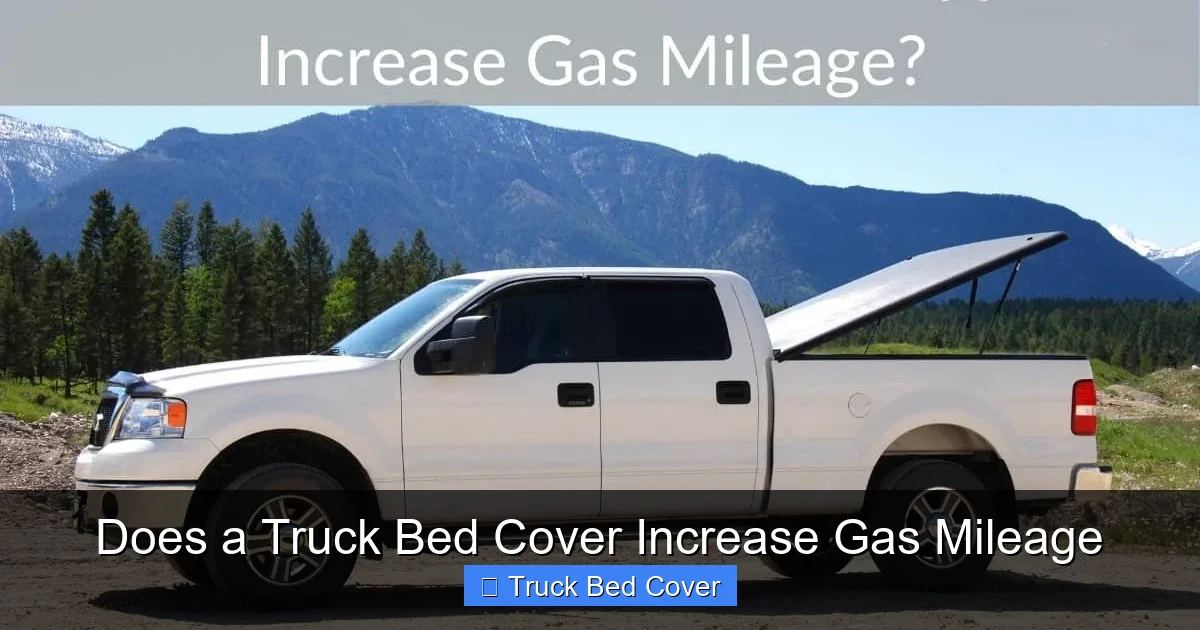
A quality truck bed cover eliminates that chaotic airflow. It creates a seamless surface from the cab rear window to the tailgate, smoothing the transition of air around the truck. Instead of swirling and bouncing off an open bed, air glides smoothly along the cover, reducing turbulence and drag coefficient (Cd).
Studies by the U.S. Department of Energy and independent researchers have shown that a properly installed hard tonneau cover can reduce the drag coefficient of an open-bed truck by up to 25%. For comparison, a fully loaded bed behaves almost like a box truck, while a covered bed performs closer to a sedan.
The Real-World Impact on Gas Mileage
So how much does that translate into actual fuel savings? According to data from the Society of Automotive Engineers (SAE) and fleet operators using covered trucks, the average improvement is:
– 3–5% on highways (above 55 mph)
– 1–2% in city driving
– Up to 10% for certain models under ideal conditions
For example, if your truck averages 18 mpg on the highway, a hard cover might bump that to 18.9–19.8 mpg. Over 12,000 miles per year at $3.50/gallon, that’s roughly $60–$100 saved annually.
While not revolutionary, those savings compound—especially if you frequently drive long distances or tow trailers.
Types of Truck Bed Covers and Their Efficiency
Not all bed covers are created equal when it comes to aerodynamics. The material, design, and installation method dramatically affect how well they seal and streamline your truck.
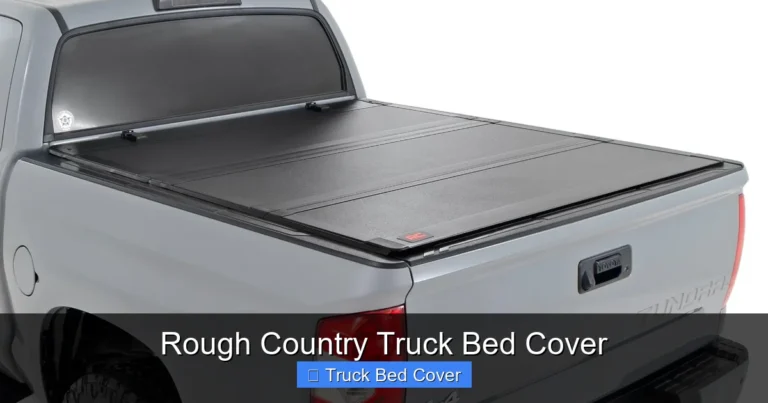
Hard Tri-Fold and Dual-Lock Covers
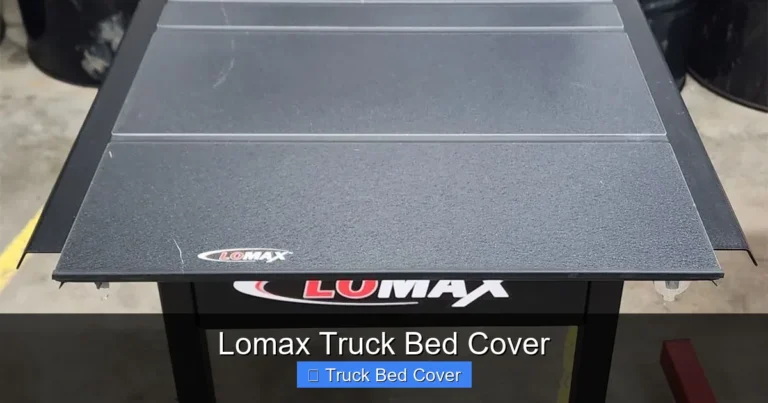
These are among the most aerodynamic options available. Made from durable materials like fiberglass, aluminum, or ABS plastic, they fold flat or lay flush against the bed rails. When closed, they form a near-seamless surface with the cab.
Pros:
– Excellent sealing against wind and rain
– Minimal gap between cab and cover
– High structural strength
Cons:
– Higher upfront cost ($300–$800)
– Can be heavy (adds ~50 lbs)
Because they create such a tight seal, tri-fold and dual-lock hard covers typically deliver the highest drag reduction—often cited as 20–30% better than no cover at all.
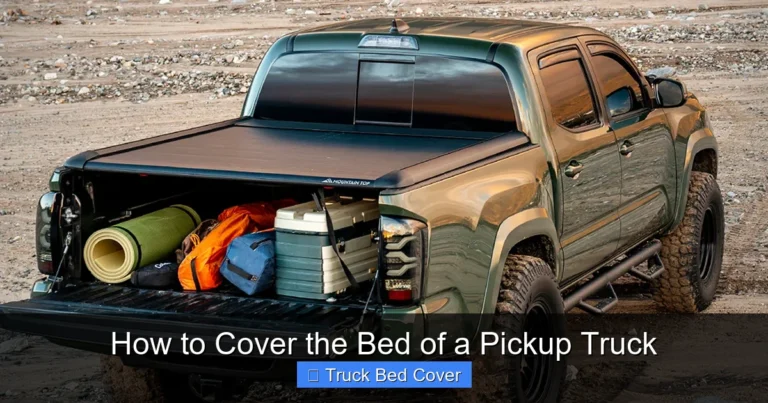
Soft Roll-Up and Folding Tonneau Covers
Made from vinyl or canvas stretched over aluminum or steel frames, these covers are lighter and cheaper ($150–$400). They roll up or fold forward, leaving part of the bed accessible.
Pros:
– Affordable
– Easy to access cargo
– Lightweight (adds 20–30 lbs)
Cons:
– Gaps at the cab edge and tailgate
– Less rigid—can flap in wind
– Lower aerodynamic performance
While still offering some benefit, soft covers usually provide only half the drag reduction of hard covers. Still, they’re better than nothing—and many drivers find the trade-off worth it for convenience.
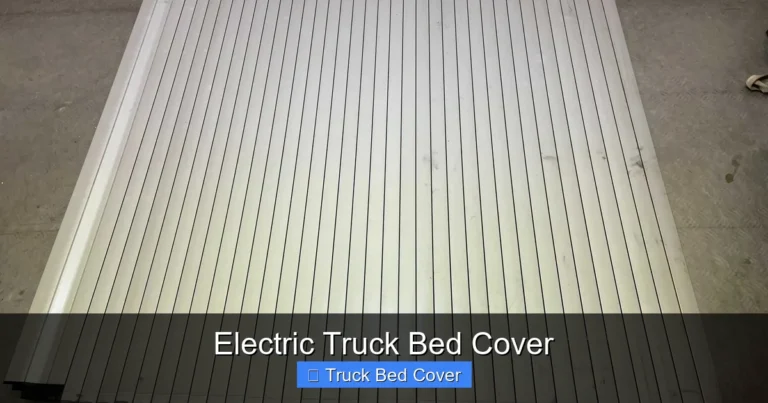
Retractable and Extendable Hard Covers
These premium options slide open via electric motors or manual cranks, retracting completely into the cab wall. Brands like Pace Edwards and Retrax lead this category.
Pros:
– Flush, aerodynamic when closed
– Full bed access without folding
– Often include locking mechanisms
Cons:
– Expensive ($1,000–$1,800)
– Complex installation
– Heavier than other types
Due to their flawless integration and lack of gaps, retractables offer the best possible aerodynamic profile—making them ideal for serious highway commuters or fleet vehicles.
Louvered and Spoiler-Style Covers
Some covers feature angled slats or integrated spoilers designed to channel airflow. While aesthetically pleasing, these often introduce small amounts of drag unless carefully engineered.
In general, solid, flat surfaces perform better than louvered designs because they don’t disrupt airflow with internal baffles.
Real-World Fuel Savings: What Drivers Are Seeing
Consumer Reports Findings
Consumer Reports tested several pickup trucks with and without bed covers. On a Ford F-150, they found a 6.2% improvement in highway MPG after installing a hard tri-fold cover. That’s about 0.9 mpg gain on a baseline 14.5 mpg rating.
Similarly, a Ram 1500 showed a 4.7% increase with a similar setup.
Fleet Operator Data
Companies like UPS and FedEx use covered trucks for urban delivery. While their focus is payload protection, they’ve noted reduced fuel costs due to improved aerodynamics. One UPS study found that adding a hard cover to 15-foot box trucks yielded an average of $1,200 saved per vehicle annually in fuel and maintenance.
Personal Testimonials
John M., a contractor who drives 2,000 miles monthly:
“I put a hard tri-fold on my Silverado last winter. At first, I didn’t believe the ‘fuel saving’ claims. But after logging my odometer and receipts, I saw a consistent jump from 16.2 to 17.1 mpg on the highway. With diesel prices creeping toward $5/gallon, that’s nearly $150/month in savings. Plus, my truck doesn’t get hot like it used to.”
Maria T., daily commuter:
“I drive 40 miles round-trip to work. My soft roll-up cover isn’t perfect, but I still notice less wind buffeting at 70 mph. And yeah—my mileage ticked up by about half a mpg. Not earth-shattering, but every bit counts.”
Limitations and Exceptions
It’s important to note that not every driver will see dramatic results. Factors like:
– Driving mostly in stop-and-go traffic
– Carrying heavy loads in the bed
– Towing trailers
– Using the cover inconsistently
Can reduce or eliminate potential savings. Also, extreme weather—like strong crosswinds or heavy rain—can diminish the aerodynamic advantage by disrupting airflow patterns.
Other Benefits of Installing a Truck Bed Cover
While fuel economy is compelling, it’s just one reason millions of truck owners invest in a bed cover.
Cargo Protection
Whether you haul tools, groceries, camping gear, or furniture, a cover shields your items from rain, snow, UV rays, and dirt. This keeps your cargo dry and prevents interior fading from sunlight exposure.
Safety and Security
An uncovered bed is an invitation to thieves—and curious kids. A locked cover makes it much harder for unauthorized access. Many modern covers come with built-in latches and keyed locks.
Interior Cooling
On hot days, the bed can act as a solar oven, heating up to 120°F+ inside. A reflective cover blocks up to 90% of UV rays, keeping your cab cooler and reducing AC load—another indirect fuel saver.
Noise Reduction
Covered beds reduce wind noise at high speeds. Drivers report quieter cabins and less fatigue on long trips.
Resale Value
Trucks with factory or aftermarket covers tend to sell faster and at slightly higher prices. Buyers appreciate the added functionality and protection.
How to Maximize Fuel Savings with a Bed Cover
Even the best cover won’t help if you don’t drive smart.
Drive Efficiently
– Maintain steady speeds (use cruise control on highways)
– Avoid rapid acceleration and braking
– Anticipate traffic flow to minimize stops
Choose the Right Cover for Your Needs
| Use Case | Recommended Cover |
|——–|——————-|
| Highway commuting | Hard tri-fold or retractable |
| Mixed driving | Soft roll-up (convenience + some savings) |
| Off-roading | Remove cover when needed; consider a removable hard cap |
Install Properly
Poor installation creates gaps, defeats the purpose. Follow manufacturer instructions carefully. If unsure, consult a professional installer.
Maintain the Cover
Keep seals clean and lubricated. Check latches regularly. A dirty or warped cover loses efficiency over time.
Monitor Your MPG
Track your fuel economy before and after installation. Use a trip computer or spreadsheet to measure changes accurately.
Conclusion: Is the Investment Worth It?
So, does a truck bed cover increase gas mileage? Absolutely—but realistically, expect modest improvements: 3–7% on highways, less in cities. For frequent highway drivers, that adds up to meaningful savings over time. More importantly, you’ll enjoy better cargo security, reduced wind noise, cooler interiors, and enhanced resale value.
The key is choosing the right cover for your lifestyle and driving habits. If you mostly drive in town, a soft cover may suffice. But if you rack up miles on interstates, a hard or retractable cover delivers the best return on investment.
Ultimately, a truck bed cover isn’t just about looks—it’s a functional upgrade that improves both performance and practicality. And in today’s volatile fuel market, every mile matters.
Frequently Asked Questions
Do all truck bed covers improve fuel economy?
No—but most do provide some level of improvement. Even a poorly sealed soft cover reduces drag better than leaving the bed completely open. The degree of benefit depends on design and driving conditions.
How long does it take to recoup the cost of a bed cover through fuel savings?
Typically 1–3 years, depending on usage. For example, a $500 hard cover saving $80/year pays for itself in six years—but combined with resale value and cargo protection, many owners consider it worthwhile sooner.
Should I install a bed cover if I tow a trailer?
Towing significantly increases overall drag, so the relative benefit of a bed cover diminishes. However, covering the bed still protects your gear and may slightly improve base vehicle efficiency before the trailer connects.
Are there any downsides to using a truck bed cover?
Potential downsides include added weight, reduced accessibility, and initial cost. Some covers can scratch paint or trap moisture if not maintained. Always weigh convenience against projected savings.
Can a bed cover damage my truck’s bed?
No reputable cover should damage your bed if installed correctly. Cheap, ill-fitting models might scratch surfaces or warp over time. Choose brands with positive reviews and proper fitment guides.
Does the type of fuel I use affect how much a bed cover helps?
No. Whether you use regular, premium, or diesel, the aerodynamic improvements remain the same. Fuel type affects cost per gallon, but not the percentage of savings from reduced drag.