Does a Truck Bed Cover Help with Gas Mileage
A truck bed cover can improve gas mileage by reducing drag and improving airflow around the vehicle. By streamlining the shape of your truck, a cover helps cut wind resistance, especially at highway speeds. While savings vary by cover type and driving conditions, many drivers see noticeable improvements in fuel economy.
Have you ever wondered if covering your truck bed could actually help you save on gas? You’re not alone. Many truck owners ask: “Does a truck bed cover help with gas mileage?” The short answer is yes—but not in the way you might expect. It’s not about reducing weight or changing engine performance. Instead, it’s about improving aerodynamics. When you install a quality bed cover, you’re smoothing the airflow around your truck, which reduces what’s called aerodynamic drag. And less drag means your engine doesn’t have to work as hard, especially at highway speeds. That translates into better fuel efficiency.
But let’s dig deeper. Not all truck bed covers are created equal. Some are bulky, some are sleek, and some don’t even fit your needs. So before you spend money, it helps to understand how different types of covers affect your truck’s performance. In this article, we’ll break down everything you need to know about how a truck bed cover impacts gas mileage, what to look for, and how to choose the right one for your driving habits.
—
Key Takeaways
- Understanding does a truck bed cover help with gas mileage: Provides essential knowledge
Quick Answers to Common Questions
Does every truck bed cover improve gas mileage?
No. Only well-designed, tight-fitting covers reduce drag. Poorly sealed or bulky covers may not help—or could even hurt efficiency.
What’s the average fuel savings with a bed cover?
Most drivers see 5–10% improvement, especially on highway driving. That’s about 0.5 to 2 mpg increase depending on your truck.
Do soft covers help at all?
Some premium soft covers offer modest gains (2–4%), but they generally don’t match the performance of hard covers due to material flexibility.
Will a bed cover work on older trucks?
Yes, as long as the cover fits properly. Aerodynamic benefits apply regardless of truck age or model.
Can I install the cover myself?
Most covers come with instructions and require basic tools. Installation typically takes 30–60 minutes, though some professional help may be needed for complex models.
📑 Table of Contents
- The Science Behind Aerodynamics and Fuel Efficiency
- How Different Types of Bed Covers Affect Gas Mileage
- Real-World Examples: How Much Can You Save?
- Other Benefits of Truck Bed Covers Beyond Gas Mileage
- Choosing the Right Cover for Maximum Fuel Savings
- Myths and Misconceptions About Bed Covers and Gas Mileage
- Final Thoughts: Is a Truck Bed Cover Worth It for Gas Savings?
The Science Behind Aerodynamics and Fuel Efficiency
When your truck drives down the highway, air flows over, under, and around it. Most of that air moves smoothly—until it hits the open space where your bed would be. Without a cover, the open tailgate creates turbulence. Air swirls, eddies form, and drag increases. Think of it like sticking your hand out of a moving car window—it feels like something is pulling back.
A truck bed cover changes that. It fills the gap between the cab and the bed, creating a smoother surface. This reduces the amount of air that gets caught in the rear, cutting down on what engineers call wake turbulence. The result? Your truck becomes more aerodynamic.
Studies from organizations like the U.S. Department of Energy and independent testing labs have shown that a properly installed hard tonneau cover can reduce drag by up to 20%. At 65 mph, that means your engine uses less fuel to push the same weight. Over thousands of miles, those small savings add up.
Let’s put numbers to it. Suppose your truck gets 18 miles per gallon (mpg) without a cover. With a high-quality hard cover, you might bump that up to 19.5 mpg—a 5% increase. On a 12,000-mile annual driving distance, that’s an extra 333 miles of range per tank. At $3.50 per gallon, that’s nearly $600 in fuel savings per year.
—
How Different Types of Bed Covers Affect Gas Mileage
Visual guide about Does a Truck Bed Cover Help with Gas Mileage
Image source: leer.com
Not all bed covers are created equal when it comes to aerodynamics. Let’s compare the most common types and how they stack up in terms of fuel efficiency.
Hard Folding Covers
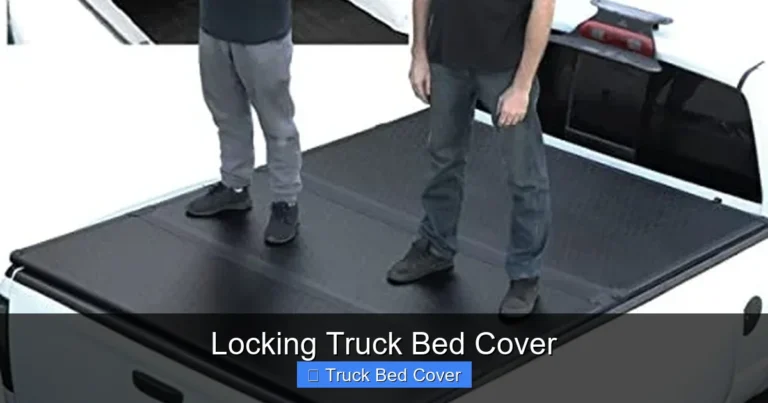
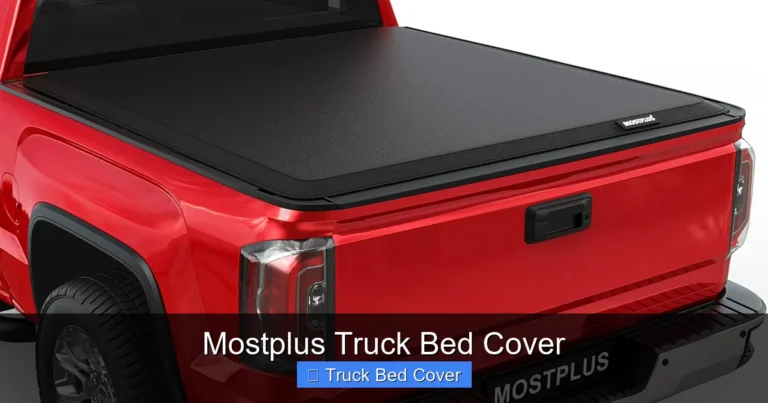
These are solid panels that fold up like a book. They sit flush with the truck bed when closed and create a seamless surface. Because there’s no fabric or rolling mechanism, they don’t create air pockets. Their low profile reduces wind resistance significantly. Independent tests have shown that hard folding covers can improve fuel economy by 7–10%, especially on long highway trips.
Soft Roll-Up or Tri-Fold Covers
Made of vinyl or canvas, these covers roll or fold up but leave gaps where they meet the sides and tailgate. While they’re lightweight and affordable, the material can flap in the wind, creating turbulence. Soft covers may only improve gas mileage by 2–4%, and sometimes not at all if poorly fitted.
Retractable (Rolling) Covers
These slide back into a canister at the front of the bed. They offer a clean look when retracted and a tight seal when closed. However, the metal rails and rolling mechanism can create minor drag. Still, they often perform better than soft covers, with estimated fuel savings of 5–8%.
Toolbox-Style Hard Covers
These double as a storage box. While great for securing tools, their raised design can create more drag than low-profile options. Unless designed with aerodynamics in mind, they may offer only 3–5% improvement in fuel economy.
No Cover at All
Leaving your bed uncovered is the least efficient option. Open beds create maximum turbulence, increasing drag by up to 25% compared to covered beds. Every mile driven this way wastes fuel.
So, if fuel efficiency is a priority, go for a hard, low-profile cover. Avoid bulky or poorly sealed designs.
—
Real-World Examples: How Much Can You Save?
Let’s look at real-world scenarios to see how much a truck bed cover can really save.
Example 1: Daily Commuter
Meet Jake, who drives 40 miles round-trip to work every day. His Ford F-150 gets 17 mpg without a cover. He installs a hard folding cover and sees his mpg rise to 18.2. Over a year (250 workdays), he drives 10,000 miles. Without a cover, he’d use 588 gallons. With the cover, he uses 549 gallons. That’s 39 fewer gallons, saving him $137 in fuel.
Example 2: Long-Distance Driver
Maria uses her Toyota Tacoma for weekend road trips. She averages 500 miles per month on highways. Her Tacoma gets 20 mpg without a cover. After installing a retractable cover, she improves to 21.5 mpg. Over a year, she saves 36 gallons and $126 in fuel costs. Plus, her cargo stays dry in rainstorms.
Example 3: Construction Worker
Carlos drives a Chevy Silverado daily to job sites. He carries tools, lumber, and equipment. Before a hard tonneau cover, his bed was always half-full of loose items that created wind resistance. After installation, he secured everything tightly. His mpg improved from 16 to 17.2. On 15,000 annual miles, he saved 108 gallons and $378.
These examples show that even modest improvements in mpg lead to real savings—especially for frequent drivers.
—
Other Benefits of Truck Bed Covers Beyond Gas Mileage
While fuel savings are compelling, a good bed cover offers other advantages that indirectly support efficiency and convenience.
Weather Protection
Rain, snow, and sun can damage cargo. Wet gear adds weight, and heavy loads shift during braking, affecting handling. A secure cover keeps things dry and stable, helping maintain consistent driving conditions—something that can influence fuel use, especially in stop-and-go traffic.
Cargo Security
Loose items in the bed can shift suddenly, increasing drag unpredictably. A locked cover prevents theft and keeps cargo in place. This stability means smoother acceleration and braking, which improves overall efficiency.
Reduced Wind Noise
Open beds create whistling sounds at speed. A cover dampens noise, making long drives more comfortable. Less driver fatigue can mean more focused, efficient driving.
Solar Heat Reduction
In summer, uncovered beds get hot. A cover blocks UV rays, keeping the bed cooler. This reduces cabin heat, meaning less use of air conditioning—which can drop fuel economy by 10–20%.
All these factors contribute to a smoother, safer, and more efficient driving experience.
—
Choosing the Right Cover for Maximum Fuel Savings
If you’re convinced a bed cover can help your gas mileage, how do you pick the best one?
Look for Low Profile Design
Covers that sit flush with the bed rails reduce drag. Avoid tall, boxy models unless they’re specifically designed for aerodynamics.
Ensure a Tight Seal
Gaps around the edges let wind slip in and create turbulence. Check for rubber seals and clamps that lock securely.
Consider Material and Build Quality
Hard covers made of aluminum or fiberglass last longer and hold their shape better than plastic ones. They also provide better sealing.
Check for Easy Access
You still need to load and unload gear. Look for models with easy-to-use latches or folding mechanisms.
Think About Climate
In snowy areas, a cover helps prevent ice buildup. In desert regions, it protects gear from sun damage.
Budget Wisely
Expect to pay $300–$1,000+ for quality hard covers. Compare cost-per-year of ownership against potential fuel savings.
Many manufacturers now include aerodynamic testing in their designs. Brands like Undercover, BAK, and TonnoPro offer models tested in wind tunnels for optimal performance.
—
Myths and Misconceptions About Bed Covers and Gas Mileage
Before you make a decision, let’s clear up some common myths.
Myth 1: Any Cover Improves MPG
False. Soft covers with loose flaps or poor sealing may actually create more drag than having no cover. Only well-designed, tight-fitting covers deliver consistent benefits.
Myth 2: It Doesn’t Matter What Speed You Drive
True impact happens above 55 mph. At city speeds, the effect is minimal. If you mostly drive in town, the fuel savings will be smaller.
Myth 3: Weight of the Cover Hurts Efficiency
Most covers weigh less than 100 pounds. Even if they added 50 lbs, the aerodynamic gain outweighs the weight penalty. Modern designs are lightweight and strong.
Myth 4: You’ll Never See a Payback
With average fuel prices and 12,000 annual miles, most owners recoup the cost in 1.5 to 3 years. For commercial users, payback is faster.
Myth 5: Only Hard Covers Work
While hard covers are best, some premium soft covers with reinforced frames and tight seals can still offer modest gains. It depends on construction quality.
Understanding these facts helps you make smarter choices.
—
Final Thoughts: Is a Truck Bed Cover Worth It for Gas Savings?
So, does a truck bed cover help with gas mileage? Absolutely—when you choose the right one. A quality hard cover can improve fuel economy by 5–10%, depending on driving habits and cover design. For highway-heavy drivers, the savings are significant. Even city commuters benefit over time.
Beyond fuel efficiency, a cover protects your cargo, enhances safety, and improves comfort. It’s a small investment with multiple returns.
Before buying, assess your driving patterns, climate, and cargo needs. If you frequently drive long distances or carry valuable gear, the payoff is clear. And remember: not all covers are equal. Spend a little more for a low-profile, aerodynamically optimized model.
Your wallet—and your truck’s performance—will thank you.
Frequently Asked Questions
How much does a truck bed cover cost?
Soft covers start around $100, while high-quality hard covers range from $500 to $1,500. Budget for installation if not DIY.
Will a bed cover fit my truck?
Yes, covers are made for specific truck models and years. Check compatibility before purchasing online or at a dealer.
Can a bed cover reduce wind noise?
Yes. A sealed cover smooths airflow, reducing the whistling and turbulence that come with an open bed at high speeds.
Are bed covers weatherproof?
Most are designed to resist rain, snow, and UV rays. Look for features like rubber gaskets and reinforced stitching for best protection.
Do bed covers increase resale value?
Often yes. A clean, covered bed looks well-maintained and can appeal to buyers, especially in used truck markets.
Can I remove the cover when not needed?
Most covers allow full removal or easy folding/rolling. Check if your model supports this for maximum versatility.