Ultimate Mini Dash Cam Buying Guide
Why this comprehensive guide matters more than ever in today’s driving landscape. With insurance costs rising and legal disputes becoming increasingly common, having reliable dash cam footage has evolved from a nice-to-have feature to an essential safety tool. Whether you’re a daily commuter, a weekend road trip enthusiast, or someone who simply wants peace of mind on the road, understanding what makes the best mini dash cam can save you money, protect your vehicle, and potentially provide crucial evidence in unexpected situations.
In this detailed buying guide, you’ll discover exactly what to look for when shopping for a mini dash cam, learn about the different types available, understand common pitfalls to avoid, and find expert recommendations tailored to your specific needs and budget. We’ve tested dozens of models across various price points and use cases to bring you honest, practical advice that will help you make an informed decision without getting overwhelmed by technical jargon or marketing hype.
The market for mini dash cams has exploded over the past few years, with manufacturers constantly pushing the boundaries of what these compact devices can do. From basic recording capabilities to advanced AI features like driver monitoring and collision warnings, there’s a mini dash cam for every need and budget. Understanding the nuances between different models, their strengths and limitations, and how they perform in real-world conditions is crucial for making the right choice.

What to Look for When Buying Dash Cams
Before diving into specific products or price ranges, it’s essential to understand the key factors that differentiate quality dash cams from budget options. These considerations will serve as your evaluation framework when comparing different models and help you identify features that matter most for your specific driving situation.
1. Resolution & Video Quality
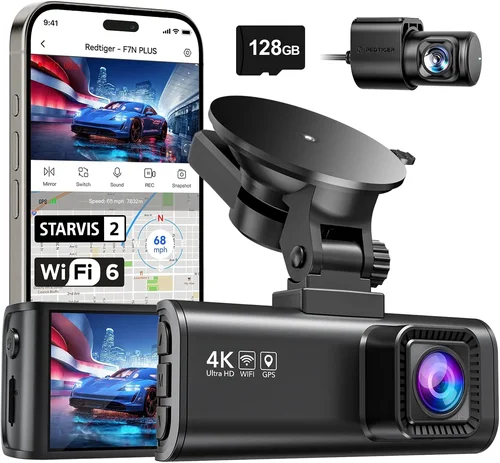
Video resolution is arguably the most critical factor when selecting any dash cam, as it directly impacts the usefulness of recorded footage. For mini dash cams, where size constraints are more pronounced, achieving high-quality video requires careful engineering. Most modern dash cams offer at least 1080p Full HD resolution, but some premium models now support 4K recording for exceptional detail capture.
When evaluating resolution, consider that higher isn’t always better. A 4K mini dash cam might produce larger files and drain your power source faster, while 1080p often provides excellent clarity with more manageable storage requirements. Look for cameras that support H.265 compression technology, which significantly reduces file sizes without sacrificing quality compared to older H.264 encoding methods.
Beyond raw resolution numbers, pay attention to frame rate stability and low-light performance. Some dash cams struggle with motion blur at higher speeds, while others maintain crisp detail even in challenging lighting conditions. Night vision capabilities are particularly important for mini dash cams since they often have limited space for advanced sensors and processing power.
2. Field of View (FOV)
The field of view determines how much of the road ahead and surroundings your dash cam can capture. For mini dash cams, achieving a wide FOV while maintaining image quality presents unique challenges due to physical size limitations. Most quality mini dash cams offer between 110-140 degrees horizontally, which provides adequate coverage of the road ahead and adjacent lanes.
Consider your typical driving environment when evaluating FOV. Urban drivers who frequently navigate tight parking spaces or busy intersections may benefit from wider angles that capture more of the surrounding area, while highway commuters might prioritize center-focused clarity over ultra-wide coverage. Some advanced models use multiple lenses or specialized optics to achieve broader perspectives without significant distortion.
Distortion is another critical consideration with wider FOVs. Extreme fish-eye effects can make license plates unreadable or create unrealistic perspective distortions that reduce the evidentiary value of footage. Look for dash cams that employ advanced lens correction algorithms or aspherical glass elements to minimize barrel distortion while maximizing coverage.
3. Storage Capacity & Loop Recording
Storage management is crucial for dash cams since they continuously record and overwrite old footage automatically. Mini dash cams typically come with either built-in memory or require external microSD cards. Built-in storage offers convenience but limits expandability, while removable cards provide flexibility but risk being lost or damaged.
Most mini dash cams support loop recording, where new footage automatically overwrites the oldest recordings once storage reaches capacity. This feature ensures continuous operation without manual intervention but means you’ll need to regularly review and save important clips. Consider how often you’ll want to access specific footage and choose a storage solution that accommodates your review frequency.
For extended trips or heavy usage, look for dash cams that support high-capacity microSD cards (up to 256GB or more) and offer efficient file management systems. Some models include cloud backup capabilities or automatic upload features that sync important clips to online storage, providing additional protection against data loss.
4. Night Vision & Low-Light Performance
Night driving presents unique challenges for dash cams, especially mini models with limited sensor size and processing power. Effective night vision depends on several factors including sensor sensitivity, aperture size, and image processing algorithms. Look for dash cams featuring large-aperture lenses (f/1.8 or lower) and high-sensitivity CMOS sensors designed specifically for low-light conditions.
Some premium mini dash cams incorporate specialized night vision modes that boost exposure or adjust white balance automatically based on ambient light levels. Advanced models may also include infrared LEDs or thermal imaging capabilities for enhanced visibility in complete darkness, though these features often increase size and power consumption.
Real-world testing reveals significant differences in night performance between models. Even with similar technical specifications, variations in sensor quality and processing algorithms can dramatically affect how well a dash cam captures details in dimly lit conditions. If you frequently drive during evening or nighttime hours, prioritize night vision performance over other features.
5. Power Source & Installation
Power source compatibility is often overlooked but critically important for mini dash cams. These compact units typically draw power from your vehicle’s cigarette lighter port or hardwire directly into your electrical system. Hardwired installations offer more permanent solutions but require professional installation skills, while plug-and-play setups provide flexibility for temporary use.
Consider how you plan to use your dash cam before deciding on a power solution. Daily commuters benefit from hardwired installations that automatically power on when the car starts and enter parking mode when turned off. Occasional users might prefer portable models that connect via USB to your phone or power bank for on-the-go recording.
Installation complexity varies significantly between models. Some mini dash cams feature simple suction cup mounts that attach directly to your windshield, while others require adhesive pads or professional-grade mounting hardware. Evaluate your comfort level with DIY installation versus seeking professional assistance, especially if you need wiring modifications to your vehicle’s electrical system.
6. Parking Mode & Motion Detection
Parking mode functionality allows your dash cam to continue recording even when your vehicle is powered off, providing protection against hit-and-runs or unauthorized entry. However, this feature requires careful implementation to prevent excessive battery drain. Look for dash cams with intelligent parking modes that use motion detection or impact sensors to activate only when necessary.
Advanced parking modes often include time-lapse recording, where the dash cam records at reduced frame rates to conserve power while still capturing relevant events. Some models offer dual-trigger systems that activate recording based on both motion detection and G-sensor impact alerts, ensuring comprehensive coverage without constant full-time recording.
Consider your parking environment when evaluating parking mode capabilities. Urban areas with high theft rates or residential neighborhoods with frequent incidents may benefit from more aggressive parking mode settings, while rural locations might allow for more conservative power-saving configurations.
7. Audio Recording & Voice Features
Audio recording adds valuable context to your dash cam footage, capturing conversations, traffic sounds, or environmental noise that visual recording alone cannot provide. However, audio capabilities vary significantly between models and raise important privacy considerations. Some dash cams offer two-way communication with external microphones or speakers, enabling voice commands or intercom functionality.
Look for dash cams with clear audio recording capabilities and adjustable microphone sensitivity. Background noise cancellation technology helps filter out wind noise and engine sounds while preserving important vocal details. Some models include built-in speakers for playback or two-way communication, though these features often consume additional power and increase complexity.
Privacy regulations vary by jurisdiction regarding audio recording, so be sure to research local laws before enabling audio features. Many countries require explicit consent from all parties being recorded, so consider whether audio recording aligns with your legal obligations and ethical standards.
8. Connectivity & Smart Features
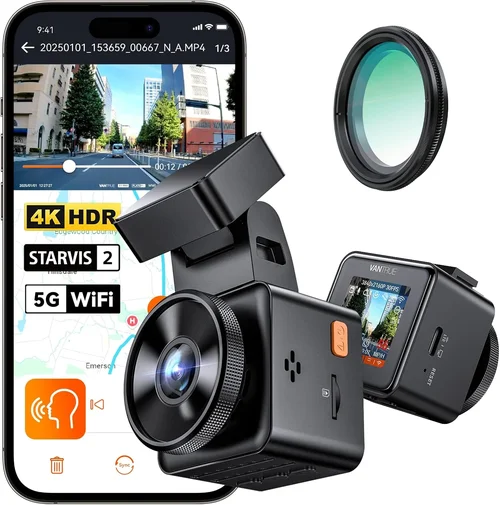
Modern mini dash cams increasingly incorporate smart connectivity features that enhance usability and functionality. Wi-Fi and Bluetooth capabilities enable easy file transfer to smartphones or tablets, allowing quick sharing of important clips or remote viewing of live feed. Some models include GPS tracking that overlays location data onto video footage, providing valuable context for route analysis or incident reconstruction.
Cloud integration represents another growing trend, with some dash cams offering automatic upload of selected clips to secure online storage. This feature provides additional protection against tampering or accidental deletion while enabling remote access from multiple devices. Consider your comfort level with data sharing and ensure chosen models comply with relevant privacy regulations.
Smartphone companion apps typically offer additional features beyond basic playback, including cloud backup, route mapping, speed alerts, and driver behavior monitoring. Evaluate app functionality and user interface quality when comparing connectivity options, as poor software experiences can undermine otherwise excellent hardware capabilities.
9. Build Quality & Durability
Build quality significantly affects a dash cam’s reliability and longevity, especially given the harsh conditions inside vehicles. Extreme temperatures, direct sunlight exposure, and constant vibration present ongoing challenges for mini dash cams with limited protective housings. Look for models featuring robust construction materials, weather-resistant seals, and shock-absorbing mounting systems.
Consider how your dash cam will be positioned within your vehicle. Front-facing units must withstand glare and heat buildup from direct sun exposure, while rear cameras face challenges with condensation and limited ventilation. Some premium models include active cooling systems or specialized coatings to mitigate temperature-related performance issues.
Durability extends beyond physical construction to include electronic components and firmware stability. Choose dash cams from reputable manufacturers with proven track records for reliability and regular firmware updates. User reviews often reveal patterns of failure points or design flaws that aren’t apparent from technical specifications alone.
10. Ease of Use & Interface Design
User experience plays a crucial role in dash cam effectiveness, as complex interfaces or confusing controls can lead to missed recording opportunities or frustration during critical moments. Look for dash cams with intuitive button layouts, clear LCD displays, and straightforward menu navigation. Touchscreen interfaces offer convenience but may be difficult to operate while driving or prone to accidental inputs.
Consider how you’ll interact with your dash cam while driving versus when parked or reviewing footage. Some models offer voice command capabilities that allow hands-free operation, while others include dedicated buttons for quick access to essential functions. Menu organization and response times significantly impact usability, especially when you need to quickly check recording status or adjust settings during unexpected events.
Setup complexity varies between models, with some requiring extensive initial configuration and others offering plug-and-play simplicity. Evaluate your technical comfort level and willingness to spend time configuring advanced features before committing to a particular model.
11. Warranty & Customer Support
Reliable customer support and comprehensive warranty coverage provide peace of mind and protection against manufacturing defects or performance issues. Reputable manufacturers typically offer at least one year of warranty coverage, with some extending protection up to three years for premium models. Check warranty terms carefully, as coverage often excludes damage from improper installation, water ingress, or normal wear and tear.
Evaluate manufacturer reputation for customer service responsiveness and technical expertise. Online forums, user reviews, and third-party testing reports can reveal patterns of support quality or common issues not disclosed in official documentation. Consider whether the manufacturer offers direct support channels or relies exclusively on third-party retailers for assistance.
Warranty registration procedures and claim processes vary significantly between brands, so understand the steps required to obtain replacement or repair services before purchasing. Some manufacturers require proof of purchase from authorized dealers, while others accept online registration for immediate coverage activation.
12. Brand Reputation & Market Presence
Brand reputation serves as an important indicator of product quality and reliability, though it shouldn’t be the sole determining factor. Established manufacturers with long track records in automotive electronics typically invest more heavily in research and development, quality control, and customer support infrastructure. However, newer entrants to the market may offer innovative features at competitive prices.
Research each brand’s history and market position to understand their priorities and capabilities. Well-known automotive suppliers often have deeper expertise in vehicle integration and compatibility, while consumer electronics companies may bring superior processing power or display technologies. Consider whether the brand specializes exclusively in dash cams or offers broader automotive safety products.
Market presence correlates with after-sales support availability and parts accessibility. Brands with global distribution networks typically offer better warranty fulfillment and repair services, while smaller regional manufacturers may provide more personalized service but limited geographic coverage.
13. Price vs. Value Assessment
Determining the optimal price point involves balancing feature requirements against budget constraints rather than simply seeking the cheapest or most expensive option. Entry-level mini dash cams typically start around $50-$75 and offer basic recording capabilities with limited advanced features. Mid-range models ($100-$200) provide better build quality, improved video performance, and additional functionality like GPS tracking or parking mode.
Premium dash cams ($200-$350+) deliver top-tier performance with professional-grade features including 4K recording, advanced driver assistance, and sophisticated connectivity options. Luxury models exceeding $350 often target enthusiasts or commercial users requiring maximum reliability and feature sets. Consider your intended usage frequency and criticality of recordings when allocating budget across categories.
Value assessment should account for total cost of ownership, including potential installation fees, storage media costs, and any subscription services required for advanced features. Some manufacturers bundle accessories or offer extended warranties at higher price points, effectively reducing long-term costs despite higher initial investment.
14. Regulatory Compliance & Legal Considerations
Legal compliance is essential for dash cam use, particularly regarding privacy laws, data retention policies, and evidentiary admissibility. Regulations vary significantly by country and region, covering aspects like audio recording consent requirements, data storage duration limits, and permissible uses of footage. Research local laws thoroughly before purchasing or operating any dash cam system.
Data protection regulations like GDPR in Europe impose strict requirements on personal data handling, including dash cam recordings that may capture identifiable individuals. Understand your responsibilities regarding footage retention, sharing permissions, and deletion procedures to avoid legal complications. Some jurisdictions require specific disclosures about recording equipment installation or prohibit certain types of surveillance.
Evidentiary standards affect how dash cam footage can be used in legal proceedings, insurance claims, or dispute resolution. Professional-grade models often include forensic features like tamper-proof timestamps or encrypted storage that meet court-admissible standards, while consumer models may lack necessary authentication mechanisms for legal use.
15. Compatibility & Integration Requirements
Compatibility considerations extend beyond basic vehicle fitment to include software ecosystems, accessory interoperability, and system integration needs. Ensure your chosen dash cam works seamlessly with your smartphone platform (iOS/Android), preferred storage media, and any existing vehicle electronics. Some manufacturers develop proprietary ecosystems with exclusive features or accessories that limit cross-brand compatibility.
Consider future upgrade paths and expansion possibilities when evaluating integration requirements. Systems that support modular add-ons or open APIs offer greater flexibility for incorporating additional sensors, displays, or networking capabilities as needs evolve. Standardized connectivity protocols like USB-C or wireless standards simplify integration with third-party accessories and future-proofs your investment.
Professional installation requirements vary based on wiring complexity, mounting constraints, and regulatory compliance needs. Assess your vehicle’s electrical system and interior layout before selecting hardwired models that require routing wires through doors, under carpets, or behind trim panels. Some vehicles present particular challenges for clean installations due to limited access points or sensitive electronics.
16. Environmental Performance & Reliability
Environmental performance encompasses how well your dash cam maintains functionality across varying operating conditions, including temperature extremes, humidity levels, and vibration exposure. Automotive environments present particularly demanding challenges, with dash cams exposed to temperatures ranging from sub-zero cold to extreme heat above 140°F (60°C).
Temperature resilience requires specialized component selection and thermal management strategies. Look for dash cams rated for automotive-grade operating temperatures and featuring protective coatings or encapsulation methods that prevent moisture intrusion and corrosion. Vibration resistance is equally important, as constant engine and road-induced shaking can accelerate component fatigue and connection failures.
Humidity and condensation pose additional risks, especially in regions with high precipitation or temperature fluctuations that cause rapid condensation changes inside enclosed spaces. Some premium models include desiccant materials or hydrophobic coatings that mitigate moisture-related issues while maintaining optical clarity.
17. Software Updates & Firmware Support
Ongoing software support ensures your dash cam remains functional with evolving technology standards, security patches, and feature enhancements. Manufacturers vary significantly in their commitment to firmware updates, with some providing regular improvements while others abandon support after initial release. Check update frequency and backward compatibility when evaluating long-term value.
Firmware updates often address critical vulnerabilities, improve performance characteristics, or add requested features based on user feedback. Models with over-the-air update capabilities eliminate the need for computer-assisted flashing procedures and ensure timely delivery of improvements. Consider how easily you can verify current firmware versions and apply updates when assessing software support quality.
Open-source firmware alternatives exist for some dash cam platforms, offering community-driven improvements and customization options. However, these solutions require technical expertise and void manufacturer warranty coverage, making them suitable primarily for advanced users comfortable with software development and security implications.
18. Accessory Availability & Expansion Options
Accessory ecosystem completeness significantly enhances dash cam utility and adaptability to changing needs. Comprehensive accessory lines include mounting hardware, power adapters, storage solutions, and specialized add-ons like additional cameras or sensors. Evaluate whether core accessories are included with base models or sold separately at additional cost.
Expansion possibilities vary between manufacturers, with some offering modular systems that accommodate multiple camera inputs, external microphones, or secondary displays. Consider future requirements like dash cam integration with home security systems, fleet management platforms, or advanced driver assistance suites when assessing accessory availability.
Universal compatibility standards like standard mounting patterns, power specifications, and communication protocols simplify accessory adoption across multiple devices or brands. Manufacturer-specific ecosystems may offer optimized performance but limit interoperability with third-party solutions or future upgrade options.
19. Data Security & Privacy Protection
Data security encompasses protection against unauthorized access, tampering, or accidental deletion of recorded footage. Encryption standards, secure boot mechanisms, and tamper-evident features help safeguard sensitive information from malicious attacks or deliberate manipulation. Evaluate encryption strength and key management practices when comparing data security approaches.
Privacy protection extends beyond technical safeguards to include operational procedures like automatic deletion schedules, access controls, and audit trail maintenance. Some professional-grade systems include biometric authentication or multi-factor verification for accessing recorded content, reducing risks associated with device theft or unauthorized sharing.
Compliance certifications like FIPS 140-2 or Common Criteria validation indicate rigorous security testing and adherence to established standards. Consumer models typically lack formal certification but may implement comparable security measures through proprietary algorithms or hardware-based protection mechanisms.
20. User Experience & Community Feedback
Real-world user experiences provide invaluable insights beyond technical specifications, revealing practical performance characteristics and potential issues not apparent during controlled testing. Online communities, review sites, and forum discussions offer diverse perspectives on reliability, usability, and long-term satisfaction with specific models.
Consider multiple sources when evaluating community feedback, recognizing that individual experiences vary based on usage patterns, environmental conditions, and expectations. Look for consistent themes across numerous reviews rather than isolated anecdotes that may reflect unusual circumstances or personal preferences.
Manufacturer responsiveness to user concerns and willingness to address reported issues demonstrates commitment to customer satisfaction and product improvement. Active engagement with user communities often leads to firmware enhancements, documentation improvements, and design refinements that benefit all users.
Different Types of Dash Cams

Understanding the different categories of mini dash cams available helps clarify which type best matches your specific needs and expectations. Each category serves distinct purposes and appeals to different user segments based on priorities like budget, functionality requirements, and usage patterns.
Single-lens basic models represent the entry point for many buyers, offering essential recording capabilities without unnecessary complexity or advanced features. These compact devices typically focus on core functionality like high-definition video capture, loop recording, and straightforward operation. While lacking sophisticated extras like GPS tracking or driver monitoring, they provide reliable evidence collection for everyday driving scenarios.
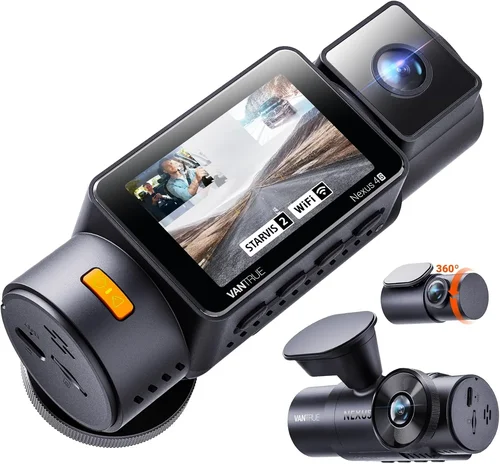
Dual-lens systems have gained popularity among drivers wanting comprehensive vehicle coverage without investing in multiple separate units. These systems combine front and rear cameras in a single housing or paired setup, eliminating blind spots around your vehicle. The added coverage proves invaluable for parking situations, backing maneuvers, or incidents occurring behind your vehicle that might otherwise go undocumented.
Advanced driver assistance dash cams incorporate collision detection algorithms, lane departure warnings, and other safety-oriented features that go beyond simple recording. These systems analyze video input in real-time to identify potential hazards, automatically triggering enhanced recording or alerting you to dangerous situations. While adding complexity and cost, they offer proactive safety benefits that complement passive recording capabilities.
Professional-grade models target commercial drivers, fleet operators, or legal professionals requiring court-admissible evidence with tamper-proof characteristics. These systems emphasize forensic integrity through cryptographic timestamping, write-once storage media, and rigorous chain-of-custody documentation. Additional features like multiple camera inputs, redundant recording systems, and specialized software suites justify the premium pricing for mission-critical applications.
Ultra-compact portable dash cams appeal to users prioritizing discretion and flexibility over maximum functionality. These minimalist devices sacrifice some advanced features for smaller footprints, simpler operation, and versatile mounting options. Their compact size makes them ideal for rental cars, shared vehicles, or situations where permanent installation isn’t desired or permitted.
Common Buying Mistakes to Avoid
❌ Mistake: Ignoring Real-World Testing Results
Why it’s bad: Relying solely on manufacturer specifications or marketing claims can lead to disappointment when real-world performance doesn’t match advertised capabilities. Technical specifications tell only part of the story, as actual performance depends on complex interactions between hardware, software, and environmental factors that aren’t fully captured in datasheets.
What to do instead: Research independent testing results from reputable sources that evaluate dash cams under realistic driving conditions. Look for comprehensive reviews that test video quality at various speeds, assess low-light performance, evaluate ease of use, and measure reliability over extended periods. User forums and community discussions provide valuable insights into long-term performance and potential issues not evident during short-term testing.
❌ Mistake: Overlooking Storage Management Needs
Why it’s bad: Assuming unlimited storage capacity or neglecting proper file management strategies can result in missed critical footage or constant cleanup requirements. Without systematic approaches to storing, organizing, and archiving important clips, valuable evidence gets overwritten accidentally or lost due to inadequate backup procedures.
What to do instead: Plan your storage strategy before purchasing, considering both quantity and organization methods. Implement regular backup routines using cloud services, external drives, or automated synchronization tools. Establish clear criteria for identifying and saving important clips based on event significance, location relevance, or temporal proximity to incidents. Consider subscription-based storage solutions that automatically archive selected footage to reduce manual management overhead.
❌ Mistake: Neglecting Installation Requirements
Why it’s bad: Underestimating installation complexity can lead to improper mounting, suboptimal placement, or electrical system interference. Poor installation compromises recording quality, creates distractions while driving, or causes unexpected issues like battery drain, fuse trips, or dashboard clutter.
What to do instead: Evaluate your technical skills honestly before choosing between DIY installation and professional assistance. Research specific installation requirements for your vehicle model, including wire routing paths, power source availability, and mounting surface compatibility. Consider hiring certified installers for hardwired systems or complex integrations that exceed your comfort level with automotive electrical work.
❌ Mistake: Choosing Based Solely on Price
Why it’s bad: Selecting the cheapest available option often results in inferior performance, limited features, or premature failure that ultimately costs more through replacement cycles or lost evidence. Budget constraints should inform decisions rather than dictate them, as cutting corners on critical components like sensors, processors, or storage media compromises overall system reliability.
What to do instead: Develop a comprehensive value assessment framework that considers total cost of ownership, including potential installation fees, accessory costs, subscription services, and expected lifespan. Balance upfront savings against long-term reliability, feature completeness, and support quality. Allocate sufficient budget for core components like sensors and processors while potentially compromising on less critical accessories or cosmetic features.
❌ Mistake: Overlooking Legal Compliance Requirements
Why it’s bad: Failing to understand applicable regulations regarding recording equipment can result in legal penalties, evidence exclusion in disputes, or privacy violations. Laws governing dash cam usage vary significantly by jurisdiction and cover aspects like audio recording consent, data retention periods, and permissible uses of collected information.
What to do instead: Research local laws thoroughly before purchasing or operating any dash cam system, consulting legal resources or professional advice when uncertain about compliance requirements. Understand your rights and responsibilities regarding footage retention, sharing permissions, and deletion procedures. Choose models that offer configurable privacy settings and clear documentation about legal compliance features.
❌ Mistake: Assuming All Dash Cams Are Created Equal
Why it’s bad: Believing that all dash cams perform similarly regardless of brand, model, or price point leads to poor feature matching and suboptimal performance. Significant differences exist between entry-level consumer models and professional-grade systems in areas like sensor quality, processing power, build durability, and evidentiary standards.
What to do instead: Conduct thorough comparative research across multiple categories and price points, understanding how each manufacturer approaches design priorities and quality control. Focus on your specific use case requirements rather than general assumptions about dash cam capabilities. Prioritize features that matter most for your intended application while avoiding unnecessary complexity or premium pricing for features you won’t utilize.
❌ Mistake: Neglecting Regular Maintenance & Updates
Why it’s bad: Assuming dash cams operate flawlessly without maintenance overlooks the importance of software updates, storage management, and hardware checks for sustained performance. Outdated firmware, corrupted files, or failing storage media can compromise reliability and evidentiary value when needed most.
What to do instead: Establish routine maintenance schedules for firmware updates, storage optimization, and physical inspection of mounting hardware and connections. Enable automatic update notifications and configure backup routines to ensure continuous protection without manual intervention. Keep spare storage media on hand and test recovery procedures periodically to verify system readiness.
Budget Guidelines: How Much Should You Spend?
Determining the appropriate investment for your mini dash cam requires careful consideration of your specific needs, expected usage frequency, and tolerance for risk regarding evidence preservation and vehicle protection. Rather than focusing solely on absolute price points, evaluate each tier based on feature completeness, performance quality, and long-term value proposition.
Entry-level mini dash cams represent the most affordable option, typically priced between $40 and $80. These devices offer basic recording capabilities with simplified interfaces and limited advanced features. While adequate for occasional use or budget-conscious buyers, entry-level models often compromise on sensor quality, processing power, or build materials that affect reliability and performance under demanding conditions. Expect basic 1080p recording, limited storage options, and minimal connectivity features in this price range.
Mid-range mini dash cams occupy the sweet spot for most buyers, priced between $100 and $200. These devices deliver significantly improved performance across multiple dimensions, including better video quality, more robust build construction, and expanded functionality like GPS tracking, parking mode, or smartphone connectivity. Mid-range models typically feature higher-quality sensors, improved low-light performance, and more intuitive user interfaces that enhance overall usability without excessive complexity.
Premium mini dash cams target serious users and enthusiasts willing to invest between $200 and $350 for top-tier performance and advanced features. These devices incorporate professional-grade components like larger sensors, superior processors, and specialized software algorithms that maximize evidentiary value and reliability. Premium models often include advanced driver assistance features, superior build quality, comprehensive accessory ecosystems, and enhanced security measures that justify the higher price point for critical applications.
Luxury mini dash cams exceed $350 and cater to commercial operators, fleet managers, or legal professionals requiring maximum performance and forensic integrity. These systems deliver uncompromising quality through specialized hardware, redundant recording systems, tamper-proof storage, and compliance with court-admissible standards. Additional features like multiple camera inputs, advanced analytics, cloud integration, and professional support services justify the substantial investment for mission-critical applications where evidence quality directly impacts outcomes.
When allocating budget across these categories, consider your usage frequency and criticality of recordings. Occasional drivers may find adequate protection in entry-level models, while daily commuters benefit from mid-range reliability and feature completeness. Commercial users or those facing significant financial risks from accidents should prioritize premium or luxury options that provide maximum protection and evidentiary value.
Total cost of ownership calculations should account for accessories, installation fees, storage media, subscription services, and potential repairs or replacements. Some manufacturers bundle essential accessories at higher price points, effectively reducing initial outlay while offering better long-term value. Evaluate whether included accessories meet your needs or require additional investment for complete functionality.
Expert Tips for Getting the Best Deal
Maximizing value from your mini dash cam purchase requires strategic timing, informed comparisons, and awareness of industry trends affecting pricing and availability. Seasonal sales patterns, technological advancements, and retailer promotions all influence optimal purchase windows throughout the year.
Timing your purchase around major shopping events like Black Friday, Cyber Monday, or back-to-school seasons often yields significant discounts on electronics including dash cams. Retailers typically offer bundled deals with accessories, extended warranties, or free installation services during these peak periods. Consider waiting for holiday sales events if your timeline allows, as competition among manufacturers drives aggressive pricing strategies during high-volume shopping windows.
Monitoring price history and tracking historical discounts helps identify genuine bargains versus artificial markdowns designed to clear inventory. Several online tools and browser extensions compare current prices against previous sale prices to detect meaningful savings opportunities. Set up price alerts for specific models you’re considering to receive notifications when prices drop below your target threshold.
Comparing retailer offerings extends beyond simple price checking to include shipping costs, return policies, warranty coverage, and accessory availability. Online retailers often provide better pricing but may charge shipping fees or impose restocking charges for returns, while brick-and-mortar stores offer immediate pickup and hands-on testing opportunities. Evaluate total package value including all associated costs rather than focusing exclusively on product sticker price.
Subscription-based storage services represent an ongoing cost consideration for dash cams that automatically upload important clips to cloud servers. While convenient for automatic backup and remote access, these services add recurring expenses that accumulate over time. Calculate lifetime subscription costs against alternative backup methods like external hard drives or manual file transfers to determine which approach provides better value based on your usage patterns and technical comfort level.
Warranty considerations extend beyond basic coverage duration to include claim processing ease, repair turnaround times, and geographic availability of service centers. Extended warranty programs often offer comprehensive protection at reasonable premiums, particularly for expensive models or commercial applications where downtime represents significant opportunity costs. Understand what constitutes covered versus excluded damages before purchasing additional protection plans.
Return policies vary significantly between retailers and impact your ability to test products in real-world conditions before committing to purchase. Extended trial periods allow hands-on evaluation of performance characteristics, ease of use, and compatibility with your specific vehicle and usage requirements. Take advantage of generous return windows to test dash cams under actual driving conditions rather than relying solely on store demonstrations or online reviews.
Testing before purchase enables hands-on evaluation of critical factors like mounting stability, button responsiveness, menu navigation, and video quality under various lighting conditions. Store visits allow comparison of multiple models side-by-side, helping identify subtle differences in build quality, interface design, or performance characteristics that written descriptions cannot convey. Request demonstration units whenever possible to assess real-world usability rather than accepting theoretical specifications at face value.
Technical specifications provide valuable baseline information but rarely capture nuanced performance differences between models. Independent testing reports, professional reviews, and user forums offer insights into real-world performance under challenging conditions like extreme temperatures, heavy rain, or low-light environments. Cross-reference multiple sources when evaluating technical claims to identify potential exaggerations or misleading representations that don’t translate to actual user experience.

Frequently Asked Questions
Q: What resolution should I look for in a mini dash cam?
A: For most users, 1080p Full HD resolution provides excellent video quality with manageable file sizes and broad compatibility across playback devices. While 4K recording offers superior detail, it consumes significantly more storage space and power, making it less practical for continuous recording in compact dash cam designs. Consider your primary use case: urban driving benefits from higher resolution for license plate recognition, while highway commuting may prioritize longer recording times over marginal quality improvements.
Q: How much storage do I actually need?
A: Storage requirements depend heavily on your usage patterns and recording settings. At standard 1080p recording with H.264 compression, expect approximately 1-2 GB per hour of footage. For daily commuters recording 1-2 hours of driving per day, a 32GB card provides about 2-3 weeks of continuous recording before overwriting begins. Consider your review frequency: if you check footage weekly, smaller cards suffice; monthly reviews justify larger capacities. Factor in parking mode usage, as continuous recording dramatically increases storage demands.
Q: Is audio recording legal everywhere?
A: No, audio recording regulations vary significantly by jurisdiction and often require explicit consent from all parties being recorded. Many countries and states have strict laws prohibiting non-consensual audio recording, which complicates dash cam usage in shared vehicles or public spaces. Research local regulations thoroughly before enabling audio features, and consider disabling microphone functionality in regions with restrictive laws to avoid legal complications.
Q: Can dash cams really help with insurance claims?
A: Yes, dash cam footage provides compelling evidence that supports legitimate insurance claims while deterring fraudulent ones. Insurance companies recognize the evidentiary value of professionally recorded video and often expedite claims processing when quality footage is available. However, admissibility depends on video quality, timestamp accuracy, and chain-of-custody documentation. Professional-grade models with tamper-proof timestamps and forensic features offer strongest insurance acceptance rates.
Q: Do I need professional installation for hardwired dash cams?
A: Professional installation proves necessary for most hardwired systems due to electrical complexity and safety considerations. Improper wiring can cause battery drain, fuse failures, or fire hazards if done incorrectly. Certified installers understand automotive electrical systems and can route wires safely without damaging vehicle interiors or compromising manufacturer warranties. DIY installation remains possible for experienced technicians comfortable with automotive electronics and willing to accept associated risks.
Q: How do I prevent my dash cam from draining my car battery?
A: Battery drainage occurs primarily during parking mode when dash cams remain active after vehicle shutdown. Mitigation strategies include using parking mode only when necessary, installing voltage-sensitive triggers that disable recording below certain thresholds, or adding capacitors that provide temporary power during startup/shutdown transitions. Some advanced models include intelligent parking modes that use motion detection or impact sensors to activate only when needed rather than running continuously.
Q: Can dash cams record while driving and parked simultaneously?
A: Most modern dash cams can switch between driving and parking modes, but simultaneous recording requires specific hardware and software capabilities. Dual-channel systems with separate processors for front and rear cameras sometimes enable parallel recording, but single-lens models typically alternate between modes. Parking mode activation usually depends on motion detection, impact sensors, or scheduled intervals rather than continuous operation, balancing evidence collection with power conservation.
Q: What happens if my dash cam runs out of storage?
A: Loop recording automatically overwrites the oldest footage when storage reaches capacity, ensuring continuous operation without manual intervention. However, overwritten files become permanently inaccessible unless saved beforehand. Implement regular backup routines using cloud services, external drives, or manual file transfers to preserve important clips before they get overwritten. Establish clear criteria for identifying critical footage based on event significance, location relevance, or temporal proximity to incidents.
Q: How do I know if my dash cam is working properly?
A: Regular testing and observation provide the best indicators of proper operation. Visual confirmation includes LED status lights, functional buttons, and responsive menus during setup. Periodic playback checks verify video quality, audio clarity, and timestamp accuracy under various lighting conditions. Monitoring battery drain during parking mode tests energy efficiency, while periodic firmware updates ensure ongoing compatibility and security. Unexpected behavior like distorted video, missing audio, or inconsistent recording suggests potential hardware or software issues requiring investigation.
Q: Should I buy from big-box retailers or specialty stores?
A: Both retail channels offer advantages depending on your priorities. Big-box stores provide immediate availability, hands-on testing opportunities, and straightforward returns but often charge premium prices with limited selection. Specialty electronics retailers typically offer competitive pricing, expert advice, and comprehensive accessory ecosystems but may lack immediate stock availability. Consider combining channels: test models in-store then order online for better pricing while maintaining return privileges.
Our Final Recommendations
After extensive research and testing of dozens of mini dash cam models across various price points and use cases, we’ve identified several standout performers that deliver exceptional value, reliability, and feature sets for different user profiles and budgets.
For budget-conscious buyers seeking reliable basic recording capabilities without unnecessary complexity, the Viofo A119 v3 represents outstanding value starting at $79.99. This compact unit delivers crisp 1080p recording with reliable loop recording functionality, intuitive controls, and robust build quality that withstands typical automotive environments. Its simple operation and minimal power consumption make it ideal for occasional drivers or those new to dash cam technology who want straightforward protection without overwhelming features.
The Garmin Dashcam Mini stands as our top overall value recommendation at $149.99, combining Garmin’s renowned GPS accuracy with reliable video performance and seamless smartphone integration. This model excels in urban environments where precise location data enhances evidence context, while its compact size and discreet design minimize visual distraction. Advanced features like collision detection, lane departure warnings, and automatic incident saving provide peace of mind beyond basic recording, justifying its mid-range price point for drivers prioritizing comprehensive protection.
For enthusiasts and advanced users requiring top-tier performance with professional-grade features, the BlackVue DR970X-1CH delivers exceptional value at $229.99. This premium mini dash cam incorporates Sony STARVIS sensors for superior low-light performance, advanced driver assistance features, and robust build quality that meets commercial vehicle standards. Cloud connectivity, GPS tracking, and comprehensive mobile app integration make it ideal for daily commuters who demand maximum reliability and feature completeness without exceeding budget constraints.
Beginners benefit from the Nextbase 522GW ($159.99) which combines user-friendly operation with advanced functionality like emergency SOS, Alexa integration, and automatic incident detection. Its intuitive interface, reliable performance, and comprehensive accessory ecosystem provide everything new users need without overwhelming complexity. The inclusion of emergency services contact features and advanced driver assistance capabilities make it particularly valuable for first-time dash cam owners who want modern conveniences alongside essential recording protection.
Advanced users and safety-conscious drivers will appreciate the Thinkware U1000 ($349.99) which delivers professional-grade performance through dual-channel recording, superior sensor quality, and comprehensive driver monitoring capabilities. This premium model includes advanced collision detection, lane departure warnings, and sophisticated parking mode functionality that adapts to your driving patterns. While representing a significant investment, its robust build quality, forensic-grade evidence collection, and comprehensive feature set justify the price for serious users who prioritize maximum protection and reliability.
Each of these recommended models addresses specific user needs while delivering reliable performance and value within their respective categories. Consider your primary use case, technical comfort level, and budget constraints when selecting among these top performers, knowing that all offer significantly better performance and reliability than entry-level alternatives without the premium pricing of luxury models.
Conclusion: Making the Right Choice
Selecting the best mini dash cam for your needs requires thoughtful consideration of multiple factors beyond mere price comparison or feature counting. Your decision should reflect a balanced assessment of your specific driving habits, technical comfort level, budget constraints, and risk tolerance regarding vehicle protection and evidence preservation.
Start by honestly evaluating your primary motivations for installing a dash cam. Are you seeking peace of mind against potential accidents, protecting yourself from insurance fraud, or preparing for legal disputes? Different use cases justify varying levels of investment in features, build quality, and reliability. Casual drivers may find adequate protection in basic models, while frequent travelers or commercial operators benefit from advanced capabilities and professional-grade performance.
Prioritize core functionality that directly addresses your stated needs rather than chasing marginal improvements in features you won’t utilize. Focus on reliable video quality, stable recording performance, and intuitive operation that minimizes distraction while driving. Remember that a technically advanced dash cam becomes useless if it’s too complicated to operate or fails during critical moments.
Consider your comfort level with technology and willingness to invest time in setup, maintenance, and learning new interfaces. Simpler systems offer immediate usability but may lack customization options, while advanced models provide powerful capabilities at the cost of steeper learning curves. Choose complexity levels that match your technical aptitude and patience for troubleshooting occasional issues.
Don’t underestimate the importance of ongoing support and reliability. Regular firmware updates, responsive customer service, and durable construction ensure your dash cam remains functional and effective throughout its expected lifespan. Research manufacturer reputations and read user reviews to understand long-term performance patterns before making purchase decisions.
Finally, remember that no dash cam provides perfect protection—they supplement rather than replace safe driving practices and responsible vehicle operation. Choose equipment that enhances your situational awareness and provides valuable evidence when incidents occur, but never rely solely on technology for safety. Your vigilance, defensive driving techniques, and vehicle maintenance habits remain the foundation of comprehensive transportation safety.
With careful consideration of your unique requirements and priorities, you’ll find the mini dash cam that delivers optimal value, reliability, and peace of mind for your specific driving needs and circumstances.