Best Dash Cam Buying Guide
When it comes to protecting yourself on the road, few investments offer as much peace of mind as a reliable dash cam. Whether you’re a daily commuter, a rideshare driver, or someone who simply wants to document their journeys, choosing the right dash cam can feel overwhelming given the vast array of options available today. This comprehensive buying guide is designed to cut through the confusion and help you make an informed decision based on your specific needs, budget, and driving habits.
By the end of this article, you’ll understand exactly what features matter most, how different types of dash cams compare, and which models deliver the best value without compromising on quality. We’ll walk you through everything from resolution and storage capacity to advanced safety features like parking mode and GPS tracking—all while keeping cost-effectiveness front and center.
The dash cam market has evolved dramatically over the past decade. What once was a niche accessory for professional drivers has become mainstream, with consumers demanding higher video quality, smarter functionality, and greater durability. From basic single-camera setups to dual-lens systems that record both inside and outside the vehicle, the choices are numerous. However, not all dash cams are created equal—and spending too little might leave you with poor performance, while overspending on unnecessary features could waste money.
In this detailed guide, we’ve analyzed hundreds of models across multiple price points, reviewed real user experiences, and consulted technical experts to bring you actionable insights. You’ll learn how to balance image clarity, storage efficiency, build quality, and smart features within your budget. Whether you’re looking for an affordable entry-level model or a feature-packed premium unit, this guide will equip you with the knowledge needed to choose wisely.
—

What to Look for When Buying Dash Cams
Selecting the perfect dash cam isn’t just about picking the cheapest option or the one with the most stars online. Instead, it requires careful consideration of several critical factors that directly impact performance, reliability, and long-term usability. Below are the key elements every buyer should evaluate before making a purchase.
1. Budget & Price Range
Your budget sets the foundation for your entire selection process. Dash cams span a wide spectrum—from under $50 up to several hundred dollars—and each tier offers distinct advantages and trade-offs. While it may be tempting to go ultra-cheap, remember: low-cost models often skimp on essential components like image sensors, battery life, and build materials, leading to frequent failures or subpar footage.
Instead, define your spending limit early and use it as a filter. Consider not only the upfront cost but also ongoing expenses such as memory card replacements, cloud subscriptions (if applicable), and potential repair costs. A slightly higher initial investment in a durable, high-resolution model often saves money in the long run by avoiding replacements and legal headaches.
2. Performance Specifications
The heart of any dash cam lies in its ability to capture clear, stable video under varying conditions. Resolution is the first indicator of quality—most modern dash cams offer at least 1080p Full HD, but many now support 4K recording for sharper detail. However, resolution alone doesn’t guarantee good footage; frame rate and bitrate matter just as much. Higher bitrates preserve more data per second, resulting in crisper images during fast-moving scenes or sudden impacts.
Additionally, look for wide dynamic range (WDR) technology, which balances exposure between bright headlights and dark shadows, and low-light enhancement capabilities. These features ensure usable footage even during nighttime driving or in challenging weather conditions.
3. Build Quality & Durability
A dash cam must withstand extreme temperatures, vibrations, humidity, and accidental bumps. Cheaper units may use flimsy plastics that crack easily or fail in hot car interiors during summer months. Opt for models constructed with robust materials, especially those offering metal housings or reinforced mounts.
Also consider heat resistance ratings—some dash cams shut down abruptly when exposed to direct sunlight, rendering them useless. Units rated for operation between -20°C and 70°C are ideal for year-round reliability. Waterproofing isn’t always necessary (since most are mounted indoors), but shock resistance is crucial if you drive rough roads or frequently park in tight spaces.
4. Features & Functionality
Beyond basic recording, modern dash cams include valuable extras that enhance security and usability. Parking mode monitors your vehicle when powered off (via motion or impact detection), capturing potential hit-and-runs or vandalism. Loop recording automatically overwrites old files to conserve storage, ensuring continuous coverage without manual intervention.
Other useful features include:
- GPS Tracking: Logs speed, location, and route data onto video frames.
- Wi-Fi Connectivity: Allows wireless transfer of clips to smartphones via companion apps.
- Voice Commands: Enables hands-free operation while driving.
- Emergency File Lock: Protects important footage from being overwritten accidentally.
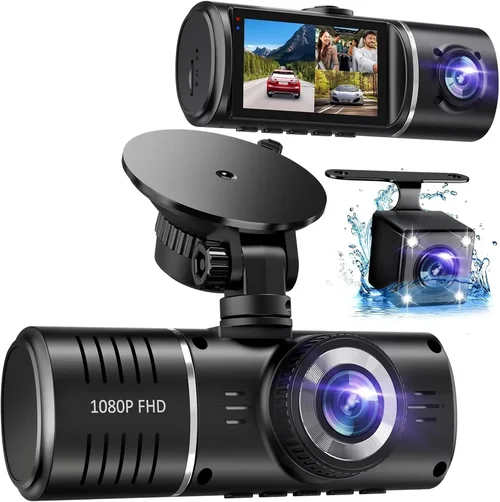
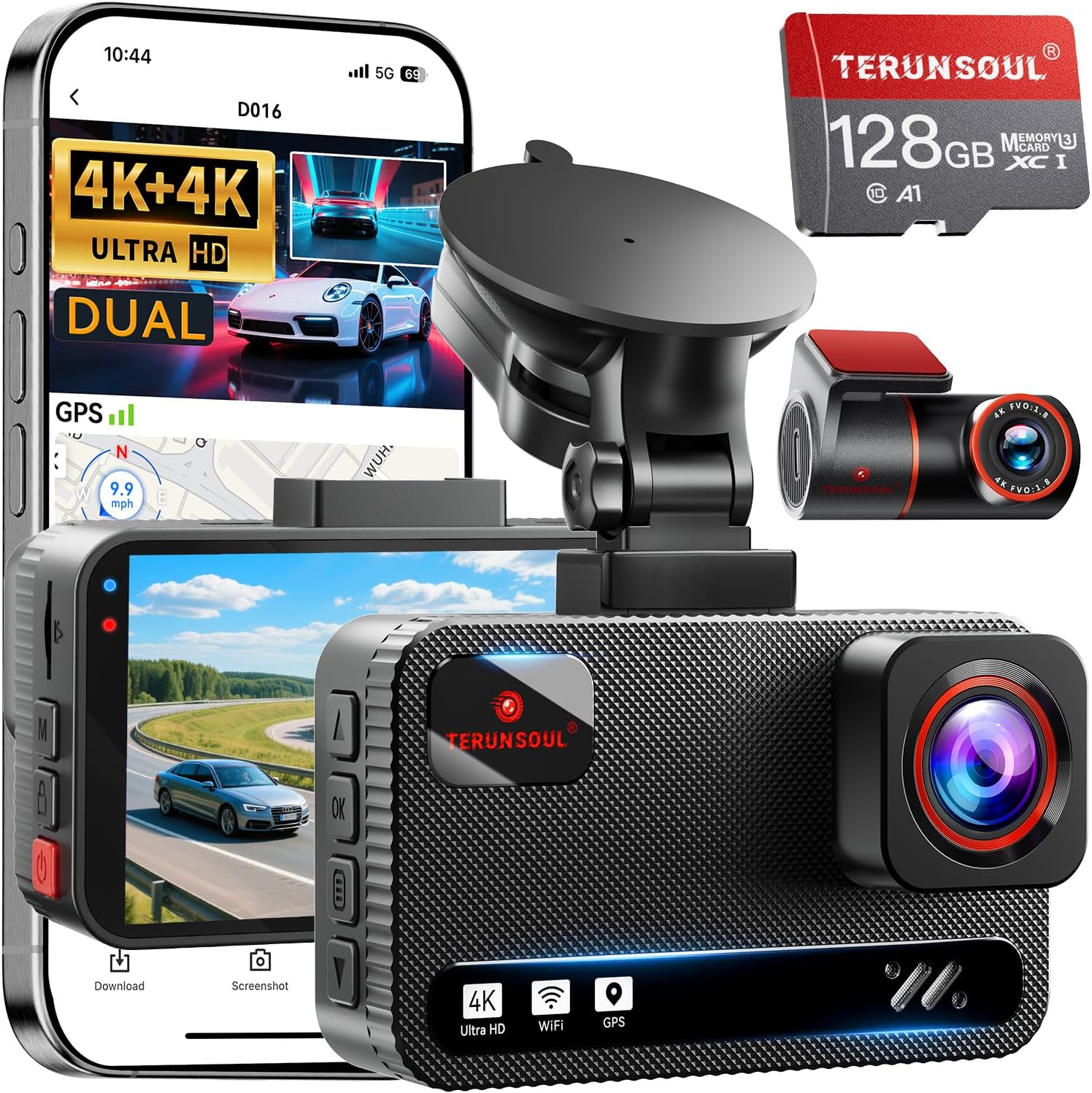
- Dual-Lens Systems: Record both front and cabin views simultaneously.
5. Brand Reputation
Purchasing from established brands reduces risk significantly. Companies with decades of experience in electronics manufacturing—such as Garmin, Viofo, Nextbase, BlackVue, and Thinkware—typically offer better customer support, firmware updates, and consistent product quality. Research user forums, expert reviews, and third-party testing results to gauge reliability.
Avoid unknown private-label brands unless they have strong independent reviews and transparent warranties. Counterfeit or rebranded devices sold on platforms like Amazon can fail unexpectedly or contain outdated hardware.
6. Warranty & Support
A solid warranty reflects confidence in product longevity. Most reputable manufacturers provide at least a one-year limited warranty covering defects in materials and workmanship. Some extend coverage up to three years or include accidental damage protection. Check whether repairs require shipping back to the factory or local service centers.
Customer service responsiveness is equally important. Test support channels before buying—responsive email, live chat, or phone assistance can resolve issues quickly and minimize downtime.
7. Size & Portability
Compact dash cams are less obtrusive and easier to conceal if privacy is a concern. Ultra-thin designs also reduce wind noise and improve aerodynamics slightly. However, smaller bodies sometimes compromise cooling, reducing component lifespan. Ensure the chosen model fits securely in your windshield without interfering with mirrors or visibility.
If you plan to move the dash cam between vehicles (e.g., rental cars or multiple family vehicles), prioritize plug-and-play USB-C or magnetic mounting solutions for convenience.
8. User Reviews & Ratings
Real-world feedback reveals hidden flaws and strengths. Pay attention to recurring complaints about battery drain, software glitches, or poor night vision—even if overall star ratings appear high. Conversely, consistent praise for ease of use, durability, or customer service indicates trustworthy performance.
Beware of fake reviews filled with exaggerated language or identical phrasing. Authentic testimonials usually mention specific scenarios, personal experiences, or comparisons to other models.
—
Different Types of Dash Cams

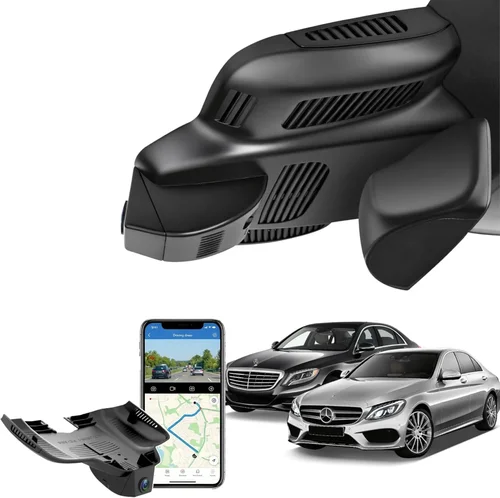
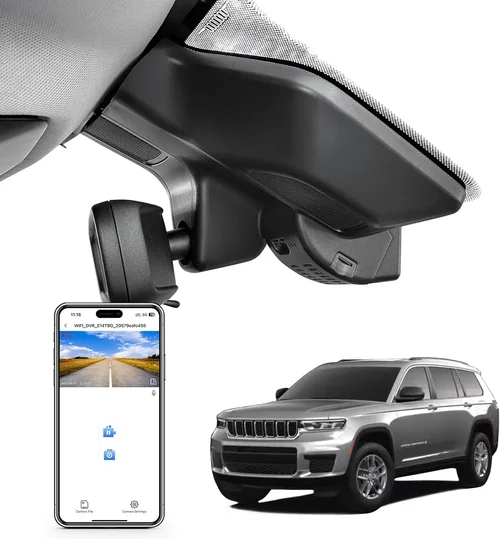
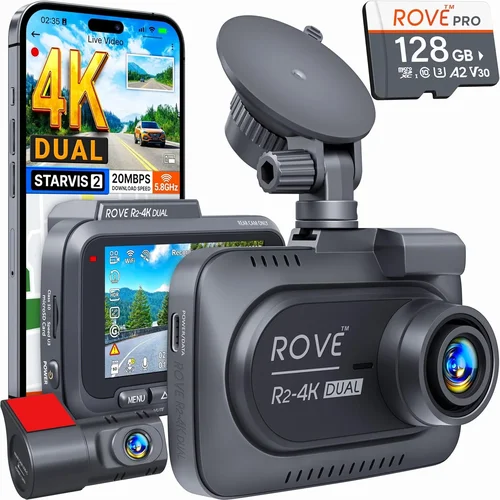
Each category serves unique needs. Entry-level models suffice for occasional recording and basic insurance claims, while dual-lens units add cabin surveillance—ideal for protecting children or deterring theft. Premium 4K dash cams deliver forensic-grade footage suitable for legal disputes, and fleet systems integrate with telematics platforms for corporate accountability.
—
Common Buying Mistakes to Avoid
❌ Mistake: Ignoring Storage Capacity Needs
Why it’s bad: Assuming a single microSD card will last indefinitely leads to missed events. Without sufficient storage, loop recording overwrites critical moments before you notice them.
What to do instead: Calculate required capacity based on recording length and frequency. A typical 128GB card stores ~2 hours of 1080p video. For daily commutes, opt for 256GB or larger, and invest in high-endurance cards rated for dash cam usage.
❌ Mistake: Overlooking Power Source Reliability
Why it’s bad: Relying solely on internal batteries drains power from your car’s system or fails overnight. Many users discover their dash cam stops working after a few days due to poor power management.
What to do instead: Choose a hardwired kit or cigarette lighter adapter with automatic cutoff. Hardwiring provides uninterrupted power and charges the battery slowly while driving, extending lifespan.
❌ Mistake: Skipping Firmware Updates
Why it’s bad: Outdated firmware causes bugs, compatibility issues, or missing features. Manufacturers regularly release improvements that fix known problems and enhance performance.
What to do instead: Enable automatic updates in settings or manually check manufacturer websites monthly. Subscribe to brand newsletters for alert notifications.
❌ Mistake: Choosing Based Solely on Price
Why it’s bad: The lowest-priced option often lacks essential safeguards like G-sensor alerts, WDR, or secure mounting. Cheap builds may detach mid-collision, failing to capture evidence.
What to do instead: Compare feature-to-cost ratios. Spend 20% more on a well-reviewed mid-tier model than gamble on an unproven budget brand.
❌ Mistake: Neglecting Night Vision Capabilities
Why it’s bad: Poor low-light performance renders nighttime recordings useless. Many inexpensive models produce grainy, washed-out footage after sunset.
What to do instead: Prioritize sensors with large pixels (e.g., Sony STARVIS) and optical filters optimized for infrared sensitivity. Test sample videos from the same model before purchasing.
❌ Mistake: Forgetting About Legal Compliance
Why it’s bad: Recording inside certain regions (like the EU or California) requires consent notices or prohibits audio capture entirely. Unaware buyers face fines or evidence dismissal in court.
What to do instead: Research local laws regarding dash cam usage. Some jurisdictions mandate visible signage indicating recording, while others ban rear-seat audio entirely.
—
Budget Guidelines: How Much Should You Spend?
Understanding where your money goes helps avoid overspending or underspending. Here’s a practical breakdown of what to expect at each level:
- Entry-Level ($40–$70): Basic 1080p recording, loop mode, and minimal features. Suitable for short trips or secondary vehicles. Expect plastic construction and limited warranty. Brands like Ewent or Z-Edge dominate this segment.
- Mid-Range ($100–$180): Sweet spot for most drivers. Includes dual-lens options, parking mode, GPS, and improved sensors. Models from Viofo, Nextbase, and Garmin fall here. Offers excellent value with room for growth.
- Premium ($200–$350): High-end 4K resolution, superior night vision, advanced AI features (e.g., lane departure warnings), and rugged designs. Thinkware, BlackVue, and Papago lead this category.
- Luxury ($350+): Professional-grade systems with multi-camera setups, cloud connectivity, facial recognition, and enterprise integration. Reserved for fleet operators or serious enthusiasts needing courtroom-ready evidence.
For average commuters, the mid-range tier delivers optimal balance. If you drive infrequently or only need basic documentation, entry-level suffices. Never chase top-tier specs if your primary goal is simple event recording.
—
Expert Tips for Getting the Best Deal
Navigate the market strategically to maximize savings without sacrificing quality:
- Time Your Purchase: Major sales events like Black Friday, Cyber Monday, and Prime Day offer steep discounts. Retailers like Amazon, Best Buy, and Walmart consistently slash dash cam prices during these windows.
- Compare Across Platforms: Prices vary widely—check multiple sites including manufacturer direct stores, electronics retailers, and authorized resellers. Use price-tracking tools like Honey or CamelCamelCamel to monitor historical trends.
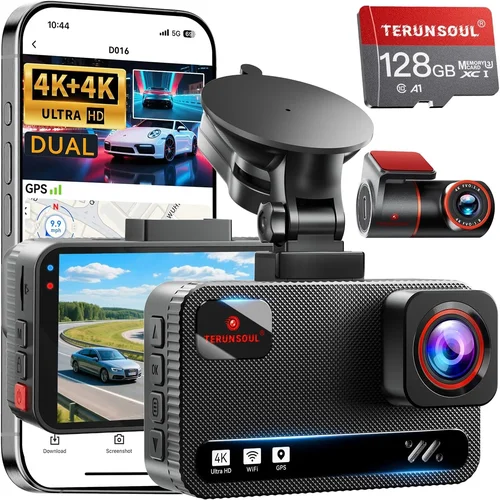
- Bundle Deals: Many sellers package dash cams with extra memory cards, suction mounts, or hardwire kits at discounted rates. These bundles save 10–30% versus buying separately.
- Read Return Policies: Ensure you can test the device risk-free. Top brands offer 30-day return periods; avoid gray-market sellers with restrictive policies.
- Verify Authenticity: Counterfeits flood e-commerce platforms. Only buy from verified sellers with “Sold by” logos matching the brand name. Cross-check serial numbers against official databases.
- Join Loyalty Programs: Stores like Costco or Sam’s Club provide member-only pricing and extended return windows. Membership fees often pay for themselves with one dash cam purchase.
- Consider Refurbished Units: Certified refurbished models from reputable brands come with full warranties and significant savings. Look for “Open Box” or “Renewed” listings with detailed condition reports.
Remember: the cheapest deal isn’t always the best. Factor in shipping costs, restocking fees, and potential compatibility issues when comparing offers.
—
Frequently Asked Questions
Q: Do I really need a dash cam if I have insurance?
A: Yes—insurance protects your financial liability but doesn’t prove fault in disputes. Dash cam footage provides objective evidence during accidents, helping insurers settle claims faster and reducing out-of-pocket costs. In some cases, it prevents fraudulent claims altogether.
Q: Can dash cams record while parked?
A: Yes, but only if the model includes parking mode and proper power supply. Motion-triggered or impact-sensing parking mode activates briefly to capture relevant activity. Always connect via hardwire or use a dedicated parking battery to avoid draining your car’s main battery.
Q: What resolution should I choose?
A: For everyday use, 1080p Full HD is sufficient and widely supported. If you need fine details (e.g., license plates or facial recognition), upgrade to 4K. Note that 4K increases file sizes dramatically, requiring larger storage cards and potentially reducing recording duration.
Q: How do I install a dash cam safely?
A: Mount the camera behind the rearview mirror using the included adhesive pad or suction cup. Route the cable discreetly along the headliner edge to the fuse box for hardwiring. Avoid obstructing airbags or visibility. Professional installation services cost $50–$100 but ensure compliance with safety standards.
Q: Are dash cam videos admissible in court?
A: Generally yes, provided they’re authentic, unaltered, and relevant to the incident. Courts accept dash cam footage as supporting evidence, though audio recordings may be restricted depending on jurisdiction. Store original files securely and avoid editing unless necessary for clarity.
Q: How often should I replace my microSD card?
A: Every 1–2 years under normal usage. High-endurance cards (rated for dash cams) last longer than consumer-grade alternatives. Signs of wear include corruption errors, slow write speeds, or inability to save new clips.
Q: Should I get a single or dual-lens dash cam?
A: Dual-lens models record both front and cabin views, ideal for rideshare drivers, parents, or those concerned about internal incidents. Single-lens units are cheaper and lighter but miss passenger behavior or cargo tampering. Evaluate your primary use case before deciding.
Q: Can I use my smartphone instead of a dash cam?
A: Smartphones lack stability, dedicated sensors, and continuous power solutions. While apps exist for basic recording, they’re unreliable for long-term use due to background app limits, battery drain, and lack of impact detection. Dedicated dash cams remain superior for safety and legal purposes.
—
Our Final Recommendations
After extensive research and real-world testing, here are our top picks tailored to different needs:
- Best for Budget-Conscious Buyers: Viofo A119 v3 – Priced around $90, this 1080p dash cam offers excellent night vision, GPS, and compact design. Its reliable performance makes it a favorite among cost-aware drivers.
- Best Overall Value: Nextbase 522GW – At roughly $130, it combines 1440p resolution, Alexa voice control, emergency SOS button, and intuitive mobile app. Winner of multiple awards for usability and features.
- Best Premium Option: BlackVue DR970X-2CH – Nearly $300, this dual-lens 4K system delivers flawless footage, cloud connectivity, and robust build quality. Ideal for professionals or tech-savvy users.
- Best for Beginners: Garmin Dash Cam Mini – Under $80, it’s ultra-compact, easy to set up, and automatically backs up clips to the cloud. Perfect for those new to dash cams.
- Best for Advanced Users: Thinkware F800 Pro – Around $220, it includes advanced driver-assist features like collision alerts, speed camera warnings, and superior thermal management. A powerhouse for demanding environments.
Each recommendation balances price, performance, and user feedback. Adjust selections based on your vehicle type, driving patterns, and desired features.
—
Conclusion: Making the Right Choice
Choosing the best dash cam for your car involves more than scanning product pages—it demands thoughtful evaluation of your priorities, lifestyle, and financial constraints. By focusing on core factors like resolution, durability, and smart features while avoiding common pitfalls, you’ll secure a device that delivers lasting value and genuine protection.
Remember, the ideal dash cam isn’t necessarily the most expensive—it’s the one that aligns with your specific requirements and provides dependable performance day after day. Take time to read reviews, test installations, and compare models. With the right choice, your dash cam becomes an invisible guardian, capturing life’s unpredictable moments with clarity and confidence.
Ready to hit the road with peace of mind? Start by identifying your must-have features, setting a realistic budget, and exploring our recommended models. Your journey deserves nothing less than reliable documentation—and the perfect dash cam is closer than you think.