Best Dash Cam for C7 Corvette Selection Guide
Installing a dash cam in your C7 Corvette isn’t just about capturing the thrill of the drive; it’s about peace of mind, protection, and preserving memories. The C7 Corvette, with its powerful performance and distinctive design, deserves a security system that matches its stature. This guide is designed for Corvette enthusiasts who demand the best, whether you’re a daily driver, a weekend warrior, or a track day regular. You’ll learn exactly what to look for, how to match features to your needs, and why certain models stand out in the crowded dash cam market. We’ll cut through the marketing hype to deliver honest, expert advice that will help you make an informed decision and protect your investment.
The market for dash cams is vast, offering everything from basic single-lens recorders to advanced multi-camera systems with parking mode, cloud connectivity, and AI-powered features. Finding the “best” one means understanding that there is no single perfect solution—only the right solution for your specific driving habits, budget, and vehicle integration requirements. This article will systematically break down all the critical factors, compare different types and price ranges, and provide clear, actionable recommendations so you can confidently select a dash cam that not only fits your C7 Corvette perfectly but also delivers the performance and reliability you expect.

What to Look for When Buying Dash Cams
1. Budget & Price Range
Your budget is the first and most important filter for any purchase. Dash cams range dramatically in price, and while it’s tempting to chase the highest-end features, it’s crucial to balance cost with your actual needs. A $200 model might offer everything you require, while a $500+ system could include redundant features you’ll never use. For most C7 owners, a mid-range investment ($100-$300) provides an excellent blend of quality, functionality, and value. Consider the dash cam not as a standalone purchase but as part of your overall vehicle security and entertainment setup. Remember, a cheaper lens or sensor will degrade image quality over time, making a higher initial investment more cost-effective in the long run.
2. Performance Specifications
This is arguably the most critical category, encompassing resolution, frame rate, low-light performance, and video compression. Resolution is measured in pixels (e.g., 1080p, 4K), but this number alone doesn’t tell the whole story. A true 1080p recording at a high frame rate (60fps) is far superior to a standard 1080p at 30fps for capturing fast-moving details like license plates or traffic signs. For C7 Corvettes, where speeds are often higher, the ability to capture sharp, clear footage of passing vehicles is paramount. Look for sensors with good low-light sensitivity, as dusk, dawn, and night driving will be common. H.265 video compression is a modern standard that saves significant storage space compared to older H.264 formats without sacrificing quality.
3. Build Quality & Durability
A dash cam is exposed to extreme conditions: direct sunlight, temperature swings, dust, and potential impacts. Its build quality must be robust. The housing should be made of high-grade plastic or metal to resist warping and cracking. The lens itself is a critical component—it should be made of high-quality glass, not plastic, to prevent scratches and maintain optical clarity. Consider the cable routing and the ease of installation, especially for a vehicle like the C7 Corvette with its sleek interior. A poorly installed unit can rattle, fall off, or create a messy interior. Opt for models known for their secure mounting systems and durable construction, as this ensures longevity and reliable operation year after year.
4. Features & Functionality
The right set of features can make the difference between a useful gadget and an essential tool. Here are the most important ones to consider:
- Loop Recording: This feature automatically overwrites the oldest footage when the memory card is full, ensuring continuous recording without manual intervention.
- G-Sensor / Impact Detection: This built-in accelerometer detects sudden jolts or impacts. It can automatically lock the current video file to prevent it from being overwritten, crucial for preserving evidence of an accident or hit-and-run incident.
- Parking Mode: This is a game-changer for car owners. With parking mode, the dash cam continues to monitor your vehicle even when it’s turned off. It uses a small amount of your car’s battery (often via a hardwired kit) to record any movement or impact, protecting your investment when you’re not around.
- Wi-Fi Connectivity & App Integration: Allows you to easily view, download, and share footage from your smartphone without removing the microSD card. This is incredibly convenient for quick checks or sharing clips.
- Wide-Angle Lens: A larger field of view (measured in degrees) captures more of the road ahead and to the sides, reducing the chance of missing important details.
- Built-in GPS: Records your speed and location data directly onto the video, which is invaluable for insurance claims and understanding driving patterns.
5. Brand Reputation & Support
In the electronics world, brand reputation is a strong indicator of quality and reliability. Established brands like Garmin, Blackvue, Viofo, and Nextbase have spent years refining their products and building customer trust. These companies typically offer better firmware updates, responsive customer service, and longer warranty periods. Research user forums and reviews to see which brands consistently deliver positive experiences. A reputable brand is more likely to stand behind their product if you encounter any issues, providing replacement parts or hassle-free returns. This support network becomes increasingly important as you add more complex features like cloud connectivity to your setup.
6. Warranty & Support
Don’t underestimate the value of a solid warranty. A dash cam is an electronic device that can fail due to manufacturing defects or wear and tear. A standard 1-2 year warranty is good, but a 3-year warranty from a reputable manufacturer indicates confidence in their product’s durability. Check what the warranty covers—does it include parts, labor, and shipping? What is the process for making a claim? Also, consider the availability of customer support. Is it available via phone, email, or chat? Are they knowledgeable enough to guide you through troubleshooting steps? Good post-purchase support can save you significant frustration and ensure your dash cam remains functional for years to come.
7. Size & Portability
While less critical than for other applications, the physical size of your dash cam can impact its placement within your C7 Corvette’s interior. A compact, discreet unit is often preferred, blending into the dashboard without obstructing the driver’s view or detracting from the car’s aesthetic. However, a slightly larger unit may house a superior sensor or lens, leading to better image quality. Consider how you plan to use it. If you frequently switch cars, a smaller, portable unit might be more convenient. For a permanent installation in your Corvette, aesthetics and fitment become more important. Most modern dash cams are quite compact, but it’s still worth measuring your windshield area before purchasing.
8. User Reviews & Ratings
Real-world experience is irreplaceable. Before making a final decision, spend time reading user reviews on retailer websites, YouTube review channels, and automotive forums. Pay close attention to comments about long-term reliability, customer service interactions, and performance in various lighting and weather conditions. Look for patterns in the feedback—do multiple users report a specific issue, like poor night vision or a glitchy app? While no product is perfect, consistent negative feedback on key features should give you pause. Conversely, a string of positive reviews praising a particular model’s build quality and ease of use can be a powerful endorsement. Your fellow Corvette owners are your best resource.
Different Types of Dash Cams

Common Buying Mistakes to Avoid
❌ Mistake: Ignoring the Importance of Night Vision
Why it’s bad: Many drivers assume that daytime recording is the primary concern, but a significant portion of driving happens at dawn, dusk, or in darkness. A dash cam with poor low-light sensitivity will produce grainy, unusable footage at night, rendering it useless for documenting nighttime incidents or hit-and-runs. This is a critical failure for a valuable asset like your C7 Corvette.
What to do instead: Prioritize models specifically marketed for their night vision capabilities. Look for terms like “night vision,” “low-light CMOS sensor,” or “HDR.” Read reviews that test the camera in various lighting conditions, especially at night. A good night vision system should provide clear, detailed images of license plates and road signs well after sunset.
❌ Mistake: Choosing a Dash Cam Based Solely on Price
Why it’s bad: Opting for the cheapest available option often leads to disappointment. A $40 dash cam may lack essential features like a G-sensor or loop recording, have inferior build quality, and fail within a few months. You end up spending more money replacing it and lose the peace of mind it was supposed to provide.
What to do instead: Adopt a value-based approach. Determine the features you truly need (e.g., parking mode, 4K resolution) and find the best model within your budget that offers those features. Sometimes, paying 20-30% more for a significantly better product is a wiser financial decision in the long term.
❌ Mistake: Not Considering Storage Requirements
Why it’s bad: Dash cams generate continuous video files. Without proper management, your microSD card will fill up quickly, causing the camera to stop recording or overwrite important footage. Assuming a 32GB card is always enough is a common error that can result in lost evidence.
What to do instead: Calculate your storage needs. A 1080p video can consume roughly 1-2 GB per hour. If you drive for 1 hour per day, a 128GB card will last about 64-128 days. Factor in your typical driving frequency and consider investing in a larger, high-speed (U3 class) card. Also, ensure your chosen dash cam supports loop recording and has the option to lock critical clips.
❌ Mistake: Overlooking Installation Complexity
Why it’s bad: A complicated installation can lead to poor placement, visible cables, or even damage to your C7 Corvette’s interior trim. Some dash cams require professional wiring for parking mode, which can be expensive. Attempting a DIY hardwire kit without proper knowledge can be frustrating and potentially void warranties.
What to do instead: Research the installation difficulty of the dash cam you’re considering. Look for models with clear instructions, simple plug-and-play designs, or dedicated apps for guidance. For parking mode, consider if you’re comfortable with a hardwire kit or if you prefer a model that can run on battery backup for short periods. For complex setups, don’t hesitate to consult a professional installer.
❌ Mistake: Neglecting to Test the App and Software
Why it’s bad: Wi-Fi-enabled dash cams rely on companion apps for viewing and managing footage. A buggy, unintuitive, or slow app can make the feature frustrating and unusable, essentially turning a premium feature into a liability. You might find out too late that the app is incompatible with your smartphone or lacks essential functions.
What to do instead: Before purchasing, search for reviews of the dash cam’s official app. Download the app yourself and explore its interface. Test key functions like live preview, downloading clips, and changing settings. Ensure it’s compatible with your iOS or Android version and that the connection process is straightforward. A great camera is useless without a great app to go with it.
Budget Guidelines: How Much Should You Spend?
Understanding your budget is the cornerstone of finding the right dash cam for your C7 Corvette. The market is segmented into distinct tiers, each offering a different level of performance and features. By aligning your needs with the appropriate tier, you can avoid overspending on unnecessary bells and whistles while ensuring you get a reliable system that protects your investment.
Entry-Level ($50 – $100)
This range is suitable for drivers on a tight budget who want a basic front-facing dash cam to satisfy legal requirements or provide simple peace of mind. You’ll likely find models with 1080p resolution, a decent field of view, and essential features like loop recording. However, expect limitations: lower-quality sensors that struggle in low light, plastic lenses prone to scratching, and minimal extras. Parking mode and advanced impact detection are often absent. While these units get the job done for basic recording, they may lack the durability and performance needed for a high-performance vehicle like the C7 Corvette where speeds are often high. This is a good starting point, but not ideal for demanding use cases.
Mid-Range ($100 – $250)
This is widely considered the sweet spot for most C7 Corvette owners. At this price point, you can access high-quality 1080p or even 4K front-facing cameras with excellent low-light performance, a robust G-sensor, and a reliable loop recording system. You’ll commonly find models with Wi-Fi connectivity, allowing for easy clip retrieval via a smartphone app. Many feature a wide dynamic range (WDR) to handle challenging lighting like sun glare. Parking mode is a common inclusion, either via a built-in battery or by supporting a hardwire kit. The build quality is generally superior, with metal housings and high-quality glass lenses. For most enthusiasts, this tier provides an unbeatable balance of value, performance, and feature set.
Premium ($250 – $450)
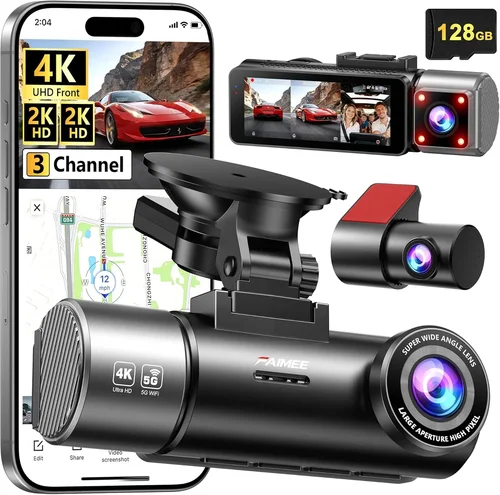
For those who demand the absolute best, the premium tier offers top-tier specifications and advanced functionality. You’ll find models with dual-lens setups (front and rear), providing complete 360-degree coverage for your vehicle. These systems often boast 4K resolution for the front camera, capturing breathtaking detail, while the rear camera records in high definition. Features like superior HDR, enhanced night vision, and sophisticated driver-assistance alerts are standard. Parking mode is almost universally supported via a dedicated hardwire kit, ensuring continuous surveillance. Premium models also excel in build quality and design, often featuring sleek, aerodynamic housings and seamless app integration. This is the domain of enthusiasts who want the finest possible recording and the most comprehensive protection.
Luxury ($450+)
The luxury category is for professionals or ultra-enthusiasts who require enterprise-level technology. These dash cams often function as central hubs for a multi-camera ecosystem, capable of connecting to additional cameras for side mirrors, cabin monitoring, and external views. They feature the highest possible resolution and frame rates, advanced analytics, and cloud-based storage solutions for remote access and management. The build quality is industrial-grade, designed for extreme conditions. While the average Corvette owner won’t need this level of complexity, it represents the pinnacle of dash cam technology, offering unparalleled detail, flexibility, and control for those with the budget and specific requirements.
Expert Tips for Getting the Best Deal
💡 Tip: Time Your Purchase Around Major Sales Events
Dash cams, like many consumer electronics, are subject to seasonal sales. The biggest opportunities to snag a deal are during Black Friday/Cyber Monday, Prime Day, and the back-to-school season in July and August. Retailers like Amazon, Best Buy, and Walmart typically offer significant discounts on a wide range of models during these periods. Signing up for email newsletters from major retailers or following dash cam manufacturers on social media can alert you to flash sales and exclusive promotions. Being patient and strategic can lead to saving 20-50% on a premium model.
💡 Tip: Compare Prices Across Multiple Retailers
Amazon is a fantastic place to start, but it’s not always the cheapest. Websites like B&H Photo Video, Newegg, and even manufacturer websites like Garmin.com often have competitive pricing, exclusive bundles, or rebates. Don’t forget to check local electronics stores or auto specialty shops. Sometimes, buying in-store allows you to see the product physically and ask questions immediately. Use price comparison tools to get a snapshot of the market and ensure you’re getting the best possible price.
💡 Tip: Look for Bundled Packages and Accessories
Many dash cam deals include valuable accessories that can add significant value and convenience. A common bundle includes a high-quality microSD card, a suction cup mount, and a cigarette lighter adapter. More importantly, look for bundles that include a hardwire kit for parking mode—this is a $30-$50 accessory that enables one of the most important features. Buying a bundle can save you money and simplify the installation process.
💡 Tip: Read the Fine Print on Warranties and Return Policies
Before clicking “Buy,” take a moment to understand the warranty coverage. Is it limited to parts, or does it cover labor? Is the warranty transferable? Equally important is the return policy. Electronics are prone to defects, and a generous return window (typically 30 days) gives you peace of mind. Some retailers offer “no-questions-asked” returns, which is a huge advantage. Knowing you can return the product if it doesn’t meet your expectations removes a lot of the risk from the purchase.
💡 Tip: Test the Product Before Committing
If possible, visit a brick-and-mortar store to test the dash cam’s interface, screen quality, and app functionality. Can you easily navigate the menu? Is the touchscreen responsive? Does the included app work seamlessly with your phone? Handling the product and using it in person can reveal flaws that online pictures and descriptions cannot. If you can’t visit a store, check if the manufacturer offers a demo or a trial period.
💡 Tip: Prioritize Long-Term Support and Firmware Updates
A dash cam is a long-term investment. Choose a brand known for releasing regular firmware updates to improve performance, fix bugs, and add new features over time. An outdated firmware can cause connectivity issues or reduced functionality. A company that actively supports its products demonstrates commitment to customer satisfaction and ensures your device remains relevant and functional for years.

Frequently Asked Questions
Q: Will a dash cam drain my C7 Corvette’s battery?
A: Yes, a dash cam will draw a small amount of power from your car’s electrical system, even when the engine is off. However, modern dash cams are designed to be energy-efficient. The key is parking mode. A standard dash cam without a hardwire kit will drain your battery over several weeks. To prevent this, you need to either install a hardwire kit that plugs into your fuse box (drawing power only when the car is on) or use a dash cam with a built-in supercapacitor that can record for a short time on battery power before shutting down safely.
Q: Do I need a special memory card for my dash cam?
A: Absolutely. Using the wrong type of microSD card can lead to recording failures, corruption, or even damage to the dash cam’s internal components. You must use a high-speed card with a UHS Speed Class rating of U3. This ensures the card can write data quickly enough to keep up with the constant recording. A minimum of 64GB is recommended for most users, with 128GB or 256GB being ideal for frequent drivers or those who want longer recording times. Always buy from a reputable brand to guarantee quality and reliability.
Q: Can a dash cam be used as a security camera when parked?
A: Yes, this is one of the most valuable features of a modern dash cam. With parking mode enabled, your dash cam will monitor your C7 Corvette for motion or impact. If something happens, it will record the event and lock the footage to preserve it. This is an excellent deterrent against hit-and-runs, vandalism, or theft. For this feature to work effectively without draining your battery, you will need to connect the dash cam to your car’s electrical system using a hardwire kit.
Q: How do I choose the right field of view (FOV)?
A: The field of view is the width of the area your dash cam can record. A wider angle (e.g., 150°) captures more of the road, which is helpful for seeing lane changes and blind spots. However, a very wide angle can introduce fisheye distortion at the edges of the frame. For most driving scenarios, a horizontal FOV between 120° and 140° offers a perfect balance of coverage and image clarity. If you frequently drive in heavy city traffic, a slightly wider angle might be beneficial. The goal is to maximize the area you care about (the road ahead) while minimizing distortion.
Q: Is 4K resolution really necessary for a dash cam?
A: For a C7 Corvette, 4K resolution offers undeniable advantages. The extra detail is crucial for identifying fine print on license plates, recognizing faces, and capturing intricate details like road signs. When reviewing footage, you can zoom in significantly on a 4K video and still have a usable image, which is impossible with 1080p. While 4K files are much larger, consuming more storage space, the improved forensic value for insurance claims and dispute resolution is often worth the trade-off. If your budget allows, 4K is a highly recommended feature.
Q: What’s the difference between a supercapacitor and a lithium-ion battery?
A: Both are used in dash cams for parking mode, but they operate differently. A supercapacitor charges and discharges very quickly and efficiently. It’s ideal for dash cams because it can handle thousands of charge cycles without degrading, unlike a traditional battery. It also functions reliably in a much wider temperature range, which is important for a car that can be parked in extreme heat or cold. A supercapacitor is generally safer and more durable, making it the preferred choice for automotive applications. A lithium-ion battery is cheaper but degrades over time and is less tolerant of extreme temperatures.
Q: Should I buy a single-lens or a dual-lens dash cam?
A: For most C7 Corvette owners, a dual-lens system (one for the front, one for the rear) is the best choice. It provides complete situational awareness, recording both the road ahead and what’s happening behind you. This is invaluable for backing out of a tight parking spot, navigating a busy driveway, or capturing evidence of rear-end collisions. While dual-lens systems are more expensive, the added safety and security they provide are well worth the investment. If your budget is extremely tight, a high-quality single-lens system is a perfectly viable alternative.
Q: How do I ensure my dash cam is securely mounted?
A: A loose dash cam is not just annoying; it can be a safety hazard and may not record properly. The key is a clean, dry, and smooth surface. Use the provided high-strength adhesive pad, but clean the windshield thoroughly with the alcohol wipe provided before sticking it on. Press firmly and hold it for at least 30 seconds. Avoid mounting near airbag vents or areas with excessive vibrations. If the mount feels unstable, consider using a secondary suction cup mount or consulting a professional installer. A securely mounted camera is a reliable camera.
Our Final Recommendations
Best for Budget-Conscious Buyers
For those looking to dip their toes into dash cam technology without breaking the bank, the Viofo A119 v3 is an exceptional choice. While it’s priced in the mid-range, it offers incredible value for its price. It boasts a crisp 2K resolution, impressive night vision, and a reliable G-sensor. It’s a single-lens system with Wi-Fi, making it easy to set up and use. For anyone who simply needs a dependable, high-quality front-facing camera to protect their C7 Corvette, the A119 v3 proves that you don’t need to spend a fortune to get a top-performing product. It’s a fantastic entry point into the world of automotive security.
Best Overall Value
The Garmin Dash Cam 75/76 stands out as the ultimate blend of simplicity, quality, and intelligent features. Its standout feature is the Bird’s Eye View, which uses GPS and a gyroscope to provide a unique overhead view of your car, helping you judge distance and positioning. It also includes voice control, which is incredibly convenient while driving. With 1080p recording, excellent night vision, and a robust build quality, the Garmin Dash Cam 75/76 is a premium product that excels in usability. Its intuitive interface and trusted brand reputation make it an unbeatable choice for drivers who want a hassle-free, high-quality experience that integrates seamlessly with their C7 Corvette.
Best Premium Option
When you demand the absolute best in resolution and performance, the Nextbase 622GW is the undisputed king of the premium category. This dual-lens system features a stunning 4K front camera and a 1080p rear camera, capturing every detail with breathtaking clarity. It’s packed with intelligent features like Alexa voice control, emergency SOS assistance, and advanced driver assistance warnings (speed cameras, lane departure). Its built-in Wi-Fi and cloud connectivity allow for instant sharing and backup. For a C7 Corvette owner who wants comprehensive protection, crystal-clear footage, and cutting-edge technology, the 622GW represents the pinnacle of dash cam engineering.
Best for Beginners
New to dash cams? The Blackvue DR900X-2CH is an excellent starting point. It’s a dual-lens system, offering front and rear coverage, which is perfect for building foundational knowledge of how these systems work. It’s known for its rock-solid reliability, excellent night vision, and robust app integration. While it has a slightly steeper learning curve than some competitors, its performance and feature set are second to none. For a beginner who plans to stick with a dash cam long-term and wants to grow into its advanced capabilities, the Blackvue DR900X-2CH provides a solid, future-proof foundation that will serve you well for years.
Best for Advanced Users
Advanced users and those seeking a complete vehicle monitoring solution will find the Thinkware U1000 to be the ultimate tool. This is a 4K-capable dual-channel dash cam that offers the highest possible resolution and a suite of professional-grade features. Its superior HDR technology handles challenging lighting conditions like a champ, and its parking mode is among the best on the market, with multiple trigger options. The U1000 is a favorite of professionals and serious enthusiasts who require the most reliable, detailed, and feature-rich recording experience available. If you have the budget and need the absolute best, the Thinkware U1000 is the definitive answer.
Conclusion: Making the Right Choice
Selecting the best dash cam for your C7 Corvette is a decision that goes beyond mere technical specs. It’s about finding the right balance between your passion for driving, your need for security, and your practical budget. This guide has equipped you with the knowledge to move beyond the marketing buzzwords and understand what truly matters in a dash cam: image quality, reliability, and features that align with your lifestyle. Remember, the best dash cam is the one you will actually use consistently and trust when it matters most.
As you make your final decision, reflect on your priorities. Is it the pristine detail of 4K recording, the peace of mind from comprehensive 360-degree coverage, or the simple, reliable performance of a trusted brand? Whatever your choice, you now have a clear roadmap to navigate the market and invest in a system that will protect your Corvette, preserve your memories, and provide a layer of security you didn’t know you needed. Drive safe, and enjoy the ride knowing you’re fully covered.