Best Dash Cam Buying Guide 2024
Why this guide matters
Choosing the right dash cam is more than just picking a camera that fits in your car’s windshield. It’s about protecting yourself on the road, ensuring peace of mind, and making a smart investment in safety technology. With so many options available in 2024, it’s easy to feel overwhelmed by features, specs, and price points. This comprehensive buying guide cuts through the noise and provides expert-level insights to help you make an informed decision.
Whether you’re a first-time buyer looking for basic protection or an experienced driver seeking advanced features like parking mode and GPS tracking, this article will walk you through everything you need to know. We’ll explore the latest technologies, compare different types of dash cams, discuss important factors to consider, and provide specific recommendations based on various needs and budgets.
What readers will learn
This guide will equip you with the knowledge to confidently select the best dash cam for your specific situation. You’ll understand the technical specifications that matter most, learn how to evaluate build quality and reliability, and discover which features are truly essential versus those that are nice-to-haves. We’ll also cover common pitfalls to avoid, budget considerations, and expert tips for getting the best value.
The dash cam market has evolved significantly in recent years, offering everything from basic single-lens models to sophisticated multi-camera systems with advanced AI features. Understanding these differences will help you identify what truly meets your needs without overspending on unnecessary capabilities.

What to Look for When Buying Dash Cams
Budget & Price Range
Before diving into technical specifications, it’s crucial to establish your budget. Dash cams range from under $50 for basic models to over $300 for premium systems with multiple cameras and advanced features. Your budget should reflect both your financial comfort level and the level of protection you actually need. Remember that spending more doesn’t always mean better quality—some mid-range models offer excellent performance at reasonable prices.
Performance Specifications
Resolution matters more than you might think. A 1080p recording is the minimum standard for clear evidence capture, while 2K and 4K resolutions provide exceptional detail for license plates and facial recognition. Frame rate (measured in fps) affects motion smoothness—30fps is standard, but 60fps captures faster-moving objects more clearly. The sensor size impacts low-light performance; larger sensors generally perform better in dim conditions.
Build Quality & Durability
A dash cam should withstand extreme temperatures, direct sunlight, and potential impacts. Look for models with high-quality housing materials, secure mounting systems, and reliable electronics. Water resistance ratings and temperature tolerance ranges indicate how well the device will hold up in real-world conditions.
Features & Functionality
Modern dash cams offer numerous features beyond basic recording. GPS tracking records location data, emergency recording automatically saves critical moments, loop recording continuously overwrites old footage, parking mode monitors your vehicle when parked, and built-in Wi-Fi enables easy file transfer. Additional features like voice commands, cloud storage, and mobile app integration can enhance usability.
Brand Reputation
Well-established brands typically offer better customer support, more reliable products, and longer warranty periods. Research manufacturer reputation through consumer reviews, professional testing, and industry awards. Avoid extremely unknown brands that may cut corners on quality control or customer service.
Warranty & Support
A solid warranty demonstrates manufacturer confidence in their product. Look for at least a one-year warranty, with some premium brands offering two to three years. Comprehensive support including phone assistance, online resources, and repair services makes a significant difference when issues arise.
Size & Portability
Compact designs are less obtrusive and easier to hide, while larger models may offer better cooling and more buttons. Consider whether you need a single front-facing camera or want to add rear cameras later. Some users prefer smaller units that can be easily moved between vehicles.
User Reviews & Ratings
Real-world experiences from actual users provide valuable insights beyond marketing claims. Pay attention to consistent patterns in reviews—many positive ratings with detailed feedback are more reliable than perfect scores with generic comments.
1. Resolution and Video Quality
Video resolution is arguably the most important specification for any dash cam. While higher numbers sound impressive, the practical difference between 1080p and 2K becomes noticeable in real-world use. Most reputable manufacturers now offer at least 1080p as standard, which provides sufficient detail for identifying vehicles, license plates, and general events.
When evaluating resolution, consider the viewing angle as well. Wide-angle lenses (130-170 degrees) capture more of the road ahead but may introduce distortion at the edges. Optimal angles typically range from 140-160 degrees, balancing coverage with image clarity. Higher-end models often feature multiple lens options or adjustable viewing angles.
Frame rate affects how smoothly fast-moving objects appear in video. Standard 30fps works well for normal driving conditions, but 60fps provides much clearer capture during rapid movements like emergency braking or passing large trucks. Some advanced models offer variable frame rates depending on lighting conditions or detected events.
Low-light performance deserves special attention since many incidents occur during dawn, dusk, or nighttime driving. Look for cameras with excellent low-light sensitivity, wide dynamic range (WDR), and noise reduction algorithms. Models featuring Sony Starvis sensors generally outperform competitors in challenging lighting conditions.
2. Storage and Memory Requirements
Storage capacity determines how long your dash cam can record before needing to overwrite old footage. Most dash cams use microSD cards ranging from 32GB to 256GB. For typical daily driving, a 64GB card provides approximately 2-3 hours of continuous recording at 1080p quality.
Consider your recording needs carefully. If you drive frequently or want extended recording periods, opt for higher capacity cards. Always use Class 10 or UHS-I/UHS-II cards from reputable manufacturers like SanDisk, Samsung, or Lexar for optimal performance and reliability.
Loop recording automatically overwrites the oldest footage when storage fills up, ensuring continuous monitoring without manual intervention. Emergency event files are typically locked and preserved until manually deleted, providing crucial evidence for insurance claims or legal disputes.
Some advanced models support dual storage—recording simultaneously to both internal memory and external storage—adding redundancy against loss due to theft or damage. Cloud storage options eliminate local storage concerns entirely but require internet connectivity and ongoing subscription fees.
3. Night Vision Capabilities
Night vision performance is critical since a significant percentage of accidents occur after dark. Modern dash cams employ several technologies to improve nighttime recording: infrared LEDs, wide dynamic range processing, enhanced low-light sensors, and automatic exposure adjustment.
Infrared illumination works well for close-range recording but becomes less effective beyond 15-20 feet. Some models use white light LEDs instead, providing more natural-looking footage but potentially distracting other drivers. Choose infrared if privacy is your primary concern, or white LEDs if image quality takes priority.
Wide dynamic range (WDR) technology balances bright headlights with darker road surfaces, preventing overexposure and maintaining visibility in mixed lighting conditions. Advanced WDR processing can handle situations where one side of the frame is illuminated by streetlights while the opposite side remains in shadow.
Sensor technology plays a crucial role in night performance. Sony’s Starvis sensors are widely regarded as industry-leading for low-light applications, followed by other premium sensor manufacturers. Look for explicit mention of Starvis or comparable technology if nighttime recording is important to you.
Additional features like automatic gain control and noise reduction algorithms further enhance nighttime footage quality by minimizing graininess and maintaining color accuracy in dim conditions.
4. Field of View and Lens Quality
The field of view (FOV) determines how much of the road ahead your dash cam captures. Narrow FOVs (around 90 degrees) focus tightly on the immediate roadway, while ultra-wide angles (170+ degrees) capture expansive views but may distort peripheral details.
Most experts recommend FOVs between 130-160 degrees as the sweet spot for dash cams. This range provides adequate coverage of the road ahead while minimizing fish-eye distortion at the edges. Some models offer multiple lens configurations or adjustable FOV settings to accommodate different driving scenarios.
Lens quality significantly impacts image clarity and color reproduction. High-index glass elements reduce chromatic aberration and improve sharpness across the entire frame. Multi-coated lenses minimize reflections and flare caused by headlights or sunlight.
Advanced lens technologies include aspherical elements that correct spherical aberrations and improve edge-to-edge sharpness. These features are more commonly found in premium models but contribute substantially to overall image quality.
Consider your specific driving environment when selecting FOV. Urban commuters benefit from wider angles to capture intersections and cross-traffic, while highway drivers may prefer slightly narrower views focused on the lane ahead. Some models adapt their FOV based on speed or driving conditions.
5. Emergency Recording Features
Emergency recording automatically detects sudden impacts, hard braking, or erratic driving patterns and locks those footage segments to prevent accidental deletion. This feature is invaluable for capturing critical evidence during accidents or near-misses.
Impact detection uses built-in accelerometers to measure sudden deceleration or collisions. Sensitivity settings allow customization based on your driving style and preferences—too sensitive may trigger false positives during pothole encounters, while insufficient sensitivity might miss actual incidents.
G-sensor calibration ensures accurate impact detection across different mounting positions and vehicle types. Professional-grade models often feature triple-axis acceleration sensing for precise directional analysis of collision forces.
Some advanced systems combine multiple detection methods including camera-based motion analysis and audio detection for comprehensive incident capture. These hybrid approaches reduce false alarms while maintaining high detection accuracy for genuine emergencies.
Manual locking buttons provide instant access to preserve important footage during roadside incidents or suspicious activities. Physical buttons remain functional even when the display is disabled, ensuring reliability during power failures or system malfunctions.
6. Power Supply and Installation Options
Power source selection affects both convenience and safety considerations. Hardwired installations draw power directly from your vehicle’s electrical system, eliminating battery replacement needs while providing true parking mode functionality. However, they require professional installation and may void warranties if improperly connected.
Cigarette lighter adapters offer simple plug-and-play installation but limit placement options and may interfere with other accessories. USB ports provide cleaner power delivery but still rely on the vehicle’s ignition cycle unless supplemented with capacitors.
Capacitor-based systems store energy for short-term parking mode operation without draining your car battery. While not as reliable as hardwiring for extended periods, they offer sufficient backup power for modern dash cams’ parking surveillance features.
Professional installation services ensure proper wiring techniques and fuse protection, reducing fire risks and electrical damage. Many manufacturers partner with certified installers who understand their specific hardware requirements and warranty terms.
Battery-powered models appeal to rental car users or those who prefer temporary installations. Rechargeable lithium-ion batteries typically last 3-7 days per charge, depending on usage patterns and parking mode activation frequency.
7. Connectivity and Smart Features
Modern connectivity options transform dash cams from standalone devices into integrated safety ecosystems. Built-in Wi-Fi enables wireless file transfer to smartphones or tablets using companion apps, significantly simplifying content management and sharing.
Mobile app integration provides remote monitoring capabilities, allowing you to view live feeds, download recordings, or configure settings from your smartphone. Advanced apps may offer cloud backup, geofencing, or driving behavior analytics.
GPS tracking records precise location data alongside video timestamps, creating comprehensive incident reports with exact coordinates and route information. This feature proves invaluable for insurance claims, accident reconstruction, or fleet management applications.
Bluetooth connectivity simplifies pairing with mobile devices and may enable voice command functionality. Some models use Bluetooth for firmware updates or connecting to additional sensors like tire pressure monitors.
Cloud storage eliminates local storage limitations but requires stable internet connectivity and ongoing subscription costs. End-to-end encryption protects your privacy while enabling seamless synchronization across multiple devices. Automatic upload triggers ensure critical footage reaches secure servers immediately upon detection.
8. Parking Mode and Motion Detection
Parking mode activates when your vehicle is unattended, providing surveillance during vulnerable periods. Motion-activated recording responds to movement around your parked car, conserving storage space while alerting you to potential threats.
Advanced parking modes include time-lapse recording that captures slow-motion footage of extended periods, useful for documenting overnight parking incidents. Impact-triggered recording automatically activates during collisions or attempted break-ins, preserving crucial evidence regardless of motion detection status.
Some systems combine multiple parking detection methods including vibration sensors, door/window contact inputs, or smartphone proximity detection via Bluetooth. These hybrid approaches maximize reliability while minimizing false activations during windstorms or passing vehicles.
Battery drain remains a concern for parking mode functionality. Capacitor-based solutions prevent deep battery discharge but offer limited runtime, while hardwired systems provide unlimited operation at the cost of permanent installation.
Smartphone integration enhances parking mode capabilities through geofencing and remote alerts. When your phone leaves a designated safe zone, the dash cam automatically activates recording and sends notifications if suspicious activity occurs nearby.
9. Audio Recording Capabilities
Audio recording adds another layer of documentation to your dash cam footage, capturing conversations, sirens, engine sounds, and environmental noises. Legal considerations vary by jurisdiction regarding consent laws for recording conversations—always research local regulations before enabling audio features.
High-quality microphones capture clear audio within the vehicle cabin while filtering out background noise. Directional mics focus on frontal sounds while suppressing rear cabin noise, improving speech intelligibility during incidents.
Noise cancellation algorithms process incoming audio streams to enhance relevant sounds while minimizing interference from road noise or HVAC systems. Some models feature automatic gain control that adjusts microphone sensitivity based on ambient noise levels.
Privacy concerns prompt many users to disable audio recording altogether. Disabling audio reduces file sizes and eliminates potential legal complications while maintaining visual documentation of incidents. Check your specific model’s audio controls for easy on/off switching.
10. Build Quality and Weather Resistance
Robust construction ensures your dash cam withstands real-world conditions including extreme temperatures, direct sunlight, and potential impacts. IP rating certification indicates water and dust resistance levels, though few consumer dash cams achieve industrial-grade protection.
Temperature tolerance ranges specify operational limits from -4°F to 140°F (-20°C to 60°C) for most models. Extended exposure beyond these limits may cause premature component failure or complete system shutdown.
UV-resistant housings prevent yellowing and degradation from prolonged sun exposure. Anti-glare coatings reduce reflection from dashboard surfaces, improving screen visibility during daylight hours.
Shock and vibration resistance prevents internal component loosening during rough road conditions. Secure mounting brackets and flexible cable management protect connections from stress-induced failures.
Quality control processes affect long-term reliability significantly. Brands investing in rigorous testing protocols demonstrate greater confidence in their products’ durability and performance consistency over time.
11. Software and User Interface
Intuitive software design determines how easily you can navigate menus, review footage, and adjust settings. Touchscreen interfaces provide tactile feedback but may suffer from glare or fingerprint smudges. Physical buttons offer reliable operation in all conditions but consume more space.
Menu organization follows logical progression paths for quick access to frequently used functions. Customizable home screens let you prioritize important features based on personal preferences and driving habits.
Playback controls include fast-forward, rewind, zoom, and split-screen comparison capabilities for detailed incident analysis. Some models feature AI-powered search that identifies specific events like accidents, lane departures, or traffic violations within lengthy recordings.
Firmware update processes should be straightforward and non-disruptive. Over-the-air updates eliminate the need for computer connections while maintaining version consistency across your device ecosystem.
12. Warranty and Customer Support
Comprehensive warranty coverage reflects manufacturer confidence in product reliability. Minimum one-year warranty periods are standard, with premium brands offering two to three years of protection. Limited warranties covering only defects in materials and workmanship leave gaps in coverage for normal wear items.
Customer support responsiveness affects problem resolution times significantly. Dedicated support lines, online knowledge bases, and community forums provide multiple avenues for assistance when issues arise.
Replacement policies clarify what constitutes covered repairs versus out-of-warranty service costs. Some manufacturers offer free replacements for defective units while others charge diagnostic fees even for warranted repairs.
International warranty coverage proves valuable for frequent travelers. Regional service centers ensure timely repairs without shipping delays or customs complications.
13. Compatibility and Integration
Cross-compatibility with existing accessories ensures seamless integration into your current setup. Universal mounting systems work with various windshield shapes and sizes, while standardized power connectors simplify installation across different vehicle models.
Third-party accessory compatibility expands functionality beyond manufacturer specifications. Wireless rear cameras, tire pressure sensors, and smartphone mounts often follow industry standards for easy adoption.
Operating system compatibility determines whether your chosen model integrates with your preferred devices. Android and iOS support varies by brand, with some offering exclusive apps while others maintain broader platform availability.
Legacy device support ensures older smartphones or computers can still connect and manage footage. USB 2.0/3.0 compatibility maintains backward compatibility while supporting faster data transfer speeds for newer devices.
14. Size and Mounting Flexibility
Compact dimensions minimize visual obstruction while maintaining adequate sensor area for image quality. Ultra-thin profiles (under 1 inch) reduce aerodynamic drag but may limit cooling capacity and button accessibility.
Flexible mounting options accommodate diverse vehicle interiors and personal preferences. Suction cup mounts provide reposition flexibility but may lose adhesion during temperature extremes. Adhesive pads offer permanent installation with superior stability.
Adjustable arm systems enable precise positioning for optimal viewing angles without obstructing driver visibility. Magnetic mounts facilitate quick removal for security purposes while maintaining reliable connection strength.
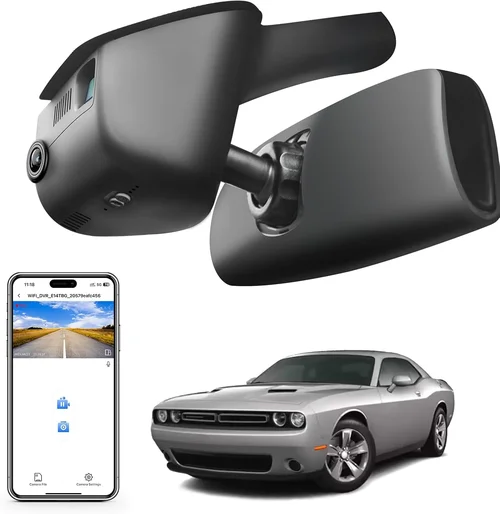
Hidden installation possibilities appeal to users prioritizing discretion over convenience. Under-dash placement keeps the unit completely concealed while requiring specialized tools for access during maintenance or troubleshooting.
15. Price vs Value Analysis
Value assessment goes beyond initial purchase price to consider total cost of ownership. Premium features may justify higher upfront costs through enhanced functionality, durability, or resale value. Conversely, basic models offer excellent value for essential protection needs without unnecessary complexity.
Feature necessity evaluation prevents overspending on capabilities you’ll never use. Assess your actual driving conditions, risk profile, and technological comfort level when prioritizing features versus budget constraints.
Long-term savings potential emerges from durable construction and reliable performance reducing replacement frequency. Energy-efficient designs minimize power consumption, extending battery life and reducing charging requirements for portable models.
Resale value preservation depends on brand reputation and condition maintenance. Well-maintained dash cams retain functionality and appearance better than heavily used units, maintaining higher resale values in secondary markets.
Different Types of Dash Cams
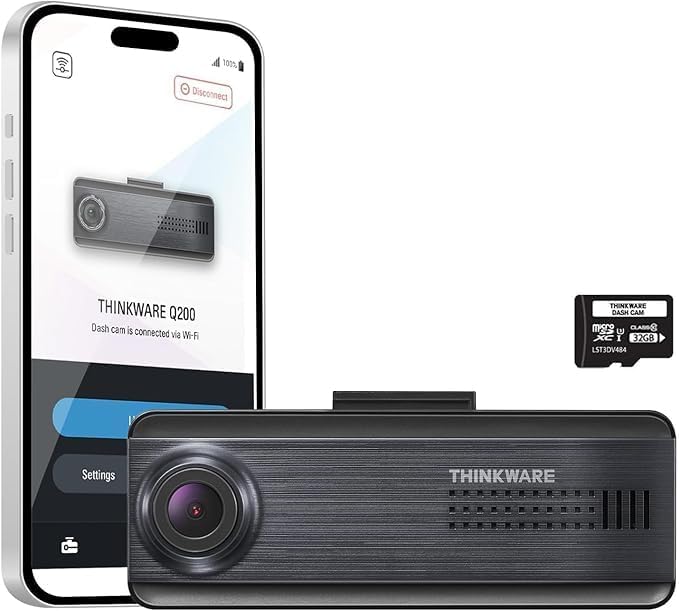
Single-lens front dash cams represent the entry point for most drivers seeking basic protection. These straightforward devices capture video directly ahead with minimal setup requirements and lower price points. They’re ideal for infrequent drivers, rental cars, or those wanting unobtrusive monitoring without complex installation procedures.
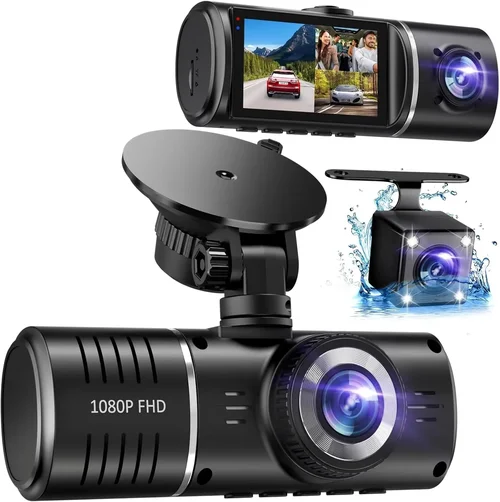
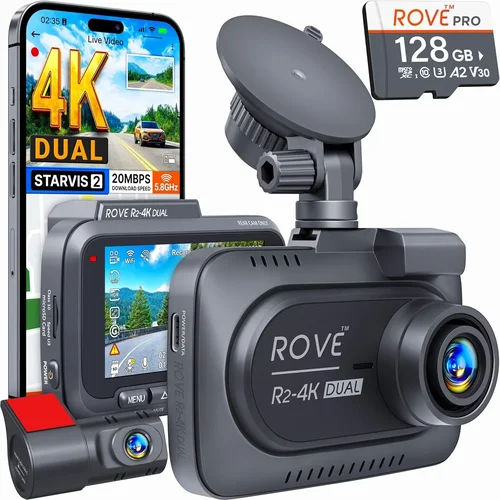
Dual-lens systems have gained popularity due to their comprehensive coverage approach. Front and rear cameras document both directions simultaneously, providing complete incident context regardless of fault determination. These systems prove particularly valuable for rideshare drivers, fleet operators, or anyone frequently traveling unfamiliar routes.
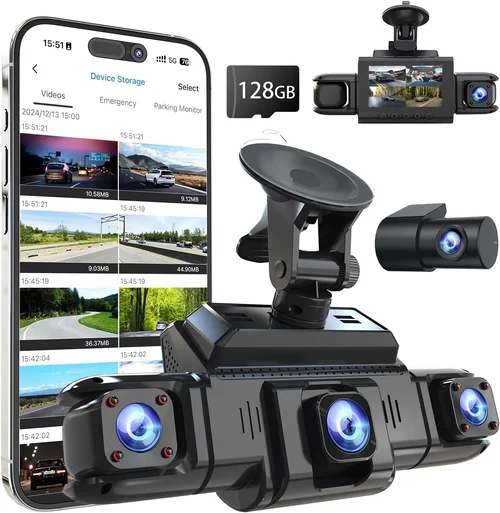
Three-camera setups represent the pinnacle of coverage technology, incorporating interior cabin monitoring alongside front and rear perspectives. This configuration offers unprecedented situational awareness, especially beneficial for delivery drivers, school bus operators, or individuals concerned about passenger behavior documentation.
Wireless dash cams integrate seamlessly with smartphone ecosystems through dedicated apps and cloud services. These intelligent systems automatically upload footage, send alerts, and provide remote access while maintaining local storage backups for privacy-conscious users.
Action camera-style units appeal to adventure-oriented drivers and motorcycle riders due to their compact dimensions and versatile mounting options. While lacking some automotive-specific features, they deliver excellent image quality in a form factor suitable for various transportation modes.
Common Buying Mistakes to Avoid
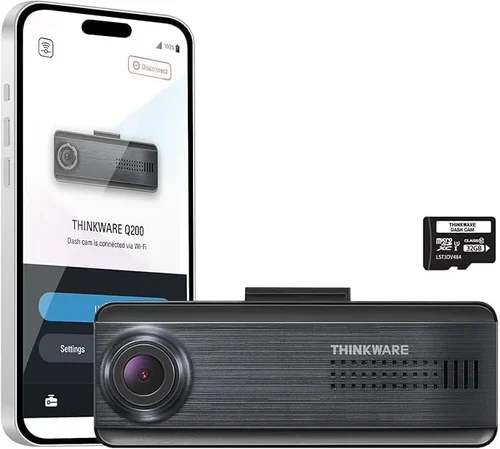
❌ Mistake: Prioritizing Resolution Over Real-World Performance
Why it’s bad: While high-resolution specifications look impressive on paper, actual video quality depends on multiple factors including sensor technology, processing algorithms, and lighting conditions. A 4K camera with poor low-light performance may produce unusable footage at night compared to a 1080p model with excellent night vision capabilities.
What to do instead: Evaluate resolution in conjunction with other critical specifications like sensor type, dynamic range, and low-light performance. Read professional reviews and user experiences rather than focusing solely on megapixel counts or resolution numbers.
❌ Mistake: Ignoring Storage Requirements and Management
Why it’s bad: Insufficient storage capacity leads to premature footage overwrite before important events can be captured. Inadequate storage management results in lost evidence during insurance claims or legal proceedings when critical moments aren’t preserved.
What to do instead: Calculate your expected recording duration based on daily commute length and choose appropriate microSD card capacity. Enable loop recording with emergency file locking and establish regular review routines to identify and preserve important footage.
❌ Mistake: Overlooking Night Vision Capabilities
Why it’s bad: Poor nighttime recording renders your dash cam useless during low-light conditions when many accidents occur. Cheap infrared LEDs provide inadequate illumination beyond short distances, while lack of proper processing creates grainy, indistinct footage.
What to do instead: Research specific sensor technologies mentioned in product descriptions, particularly Sony Starvis sensors known for superior low-light performance. Test night vision capability through independent reviews and sample videos rather than relying solely on manufacturer claims.
❌ Mistake: Choosing Based Solely on Price
Why it’s bad: The cheapest dash cams often compromise on critical components like build quality, reliability, and customer support. These budget models may fail when needed most or require frequent replacement, ultimately costing more over time.
What to do instead: Establish a realistic budget range and compare models within that bracket based on verified performance metrics rather than absolute price. Consider total cost of ownership including warranty, replacement costs, and potential insurance discounts.
❌ Mistake: Neglecting Installation and Power Considerations
Why it’s bad: Improper installation causes poor performance, electrical hazards, or voided warranties. Incorrect power sourcing drains vehicle batteries or fails to activate essential parking mode functionality when required.
What to do instead: Plan your installation method carefully based on your vehicle type, usage patterns, and desired features. Choose professional installation for hardwiring projects or invest time in learning proper DIY techniques before proceeding.
❌ Mistake: Assuming All Features Are Essential
Why it’s bad: Unnecessary features increase complexity, cost, and potential failure points without providing corresponding benefits. Extra capabilities like GPS tracking or cloud storage may complicate setup or raise privacy concerns irrelevant to your needs.
What to do instead: Create a prioritized list of must-have versus nice-to-have features based on your specific driving conditions and risk profile. Focus on core protective functions first before considering advanced enhancements.
❌ Mistake: Skipping Research on Brand Reliability
Why it’s bad: New or unknown brands may lack quality control, customer support infrastructure, or long-term reliability data. These companies might discontinue products unexpectedly, leaving you without warranty coverage or replacement options.
What to do instead: Investigate manufacturer history through industry publications, consumer reports, and user communities. Check for established presence in automotive electronics sectors and positive reputation among professional reviewers.
Budget Guidelines: How Much Should You Spend?
Entry-Level ($50 – $100)
For basic protection needs and occasional drivers, entry-level dash cams provide essential recording functionality without excessive complexity. These models typically feature 1080p resolution, decent night vision, and straightforward operation suitable for everyday use. While lacking advanced features like GPS tracking or wireless connectivity, they fulfill core dash cam requirements affordably.
Expect limited storage capacity (typically 32-64GB), basic mounting systems, and simplified user interfaces. Battery-powered units dominate this category with rechargeable lithium-ion cells lasting 3-7 days per charge. Installation remains simple with cigarette lighter adapters or suction cup mounts.
These budget-friendly options work well for secondary vehicles, rental cars, or drivers seeking minimal protection without significant investment. Many entry-level models offer surprisingly good image quality considering their price points, making them viable choices for cost-conscious consumers.
Mid-Range ($100 – $200)
The sweet spot for most buyers, mid-range dash cams balance affordability with enhanced functionality. This category introduces improved sensors, better build quality, and additional features like GPS tracking, motion detection, and Wi-Fi connectivity. Image stabilization technology reduces blur during acceleration and braking events.
Models in this range typically support 2K resolution with superior low-light performance, wider dynamic range processing, and more robust housing materials. Storage options expand to 64-128GB microSD cards with loop recording and emergency file locking capabilities.
Installation flexibility improves with capacitor-based power systems enabling true parking mode without draining vehicle batteries. Dual-lens configurations become accessible within this price bracket, offering front and rear coverage for comprehensive protection.
Mid-range selections suit regular commuters, rideshare drivers, and families seeking reliable protection without premium pricing. These models demonstrate manufacturers’ commitment to quality while maintaining competitive pricing strategies.
Premium ($200 – $350)
High-end dash cams deliver professional-grade performance with advanced features and superior build quality. This category includes multi-camera systems, 4K recording capabilities, sophisticated AI detection, and comprehensive connectivity options. Premium models often feature military-grade shock resistance, extended temperature tolerances, and waterproof housings.
Superior sensor technology like Sony Starvis 2 sensors provide exceptional low-light performance and color accuracy. Enhanced processing algorithms enable real-time object detection, lane departure warnings, and automatic emergency braking alerts.
Connectivity features include 5GHz Wi-Fi, Bluetooth Low Energy, and cloud integration with end-to-end encryption. Mobile apps offer advanced playback controls, geofencing, and driving behavior analytics. Some premium units incorporate dashcam-to-device communication protocols for seamless accessory integration.
Installation requirements increase with hardwired power connections and professional-grade mounting systems. These models suit commercial fleets, professional drivers, and enthusiasts demanding maximum protection and functionality.
Luxury ($350+)
Ultra-premium dash cams represent the cutting edge of automotive safety technology with uncompromising specifications and innovative features. This exclusive category includes tri-camera systems with interior cabin monitoring, AI-powered incident prediction, and satellite connectivity options.
Exceptional image quality comes from 4K/60fps recording with HDR processing and advanced noise reduction algorithms. Specialized sensors detect pedestrians, cyclists, and animals with high accuracy rates. Thermal imaging capabilities identify living organisms in complete darkness.
Connectivity extends beyond Wi-Fi to include 5G cellular networks, satellite communication, and vehicle-to-everything (V2X) protocols. Machine learning algorithms analyze driving patterns and provide personalized safety recommendations. Augmented reality overlays display navigation cues and hazard warnings directly onto recorded footage.
Installation demands professional expertise for complex wiring harnesses and specialized mounting configurations. These systems serve specialized applications including commercial trucking, law enforcement, and autonomous vehicle development platforms.
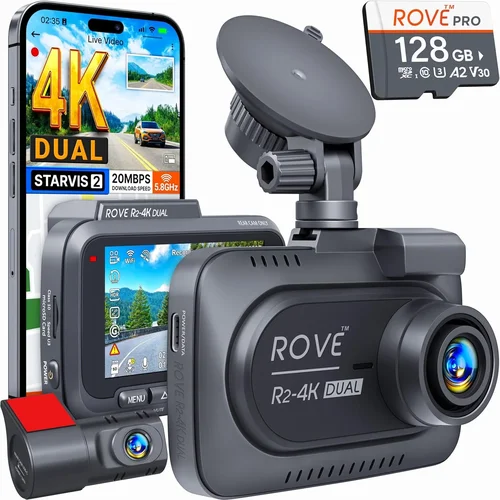
Expert Tips for Getting the Best Deal
Timing Your Purchase
Seasonal sales present significant opportunities for dash cam acquisition. Black Friday and Cyber Monday events typically feature substantial discounts across major retailers. Back-to-school promotions in August may include automotive accessory deals, while post-holiday January sales clear winter inventory. Amazon Prime Day and other retailer-specific events often offer exclusive dash cam discounts unavailable elsewhere.
Consider timing around new product releases, as manufacturers frequently discount previous-generation models when introducing updated versions. Holiday gift seasons see increased competition among sellers, driving down prices through aggressive promotional tactics.
Retailer Selection Strategy
Online marketplaces like Amazon, Best Buy, and Walmart provide extensive selection with customer reviews and competitive pricing. These platforms offer return policies and price matching guarantees that protect consumer interests. Specialty automotive retailers like AutoZone or Advance Auto Parts carry professional-grade equipment with knowledgeable staff assistance.
Direct manufacturer websites often feature exclusive bundles including installation services or extended warranties unavailable through third-party sellers. Local electronics stores may provide hands-on demonstration opportunities but typically carry more limited selections than online retailers.
Identifying Genuine Deals
Beware of misleading discount percentages that inflate original prices artificially. Compare current prices against historical data from price tracking websites rather than accepting manufacturer suggested retail prices at face value. Bundle deals combining dash cams with accessories like extra microSD cards or mounting kits often provide better value than individual purchases.
Check for refurbished or open-box items from reputable sellers offering warranty protection equivalent to new equipment. These pre-owned options can save 20-40% while maintaining reliability standards through certified refurbishment processes.
Warranty Verification Process
Always verify warranty terms before completing purchases. Confirm registration requirements, claim procedures, and regional coverage limitations. Premium brands typically offer longer warranty periods (2-3 years) with comprehensive coverage including accidental damage protection.
Document purchase receipts and serial numbers for warranty validation. Register products promptly to activate warranty benefits and receive update notifications. Keep warranty cards separate from packaging materials to maintain accessibility during claims processing.
Return Policy Evaluation
Thoroughly review return windows and restocking fee structures before purchasing. Most reputable retailers offer 30-day return periods with full refunds for unused items in original packaging. Electronics specialists may provide longer trial periods specifically designed for product evaluation.
Confirm return shipping responsibilities and associated costs. Some manufacturers require customers to cover return postage while retailers often provide prepaid return labels for defective merchandise. Understanding these policies prevents unexpected expenses during product evaluation.
Pre-Purchase Testing Opportunities
Request demonstration units whenever possible, particularly for premium models with complex interfaces. Hands-on experience reveals usability issues, button layout effectiveness, and overall ergonomics missed during online shopping. Local dealerships or specialty stores may loan test equipment for short-term evaluation.
Watch unboxing and setup videos from trusted reviewers to assess assembly complexity and included components. Professional installation demonstrations reveal practical challenges not apparent from product specifications alone.
Compatibility Verification
Confirm vehicle compatibility before finalizing purchases, especially for hardwired installations. Consult manufacturer compatibility charts or contact customer support with specific make, model, and year information. Electrical system variations between trim levels or production years may affect installation feasibility.
Verify mounting hardware compatibility with your windshield type and sun visor configuration. Some vehicles require special adapters or modified installation techniques not covered in standard instructions.
Bundling and Accessory Optimization
Take advantage of manufacturer-recommended accessory bundles that include essential components like high-quality microSD cards, mounting hardware, or power adapters. Individual purchases often exceed bundle pricing while providing inferior components compared to official accessories.
Consider future expansion needs when selecting initial equipment. Modular systems allowing addition of rear cameras or additional sensors provide scalable protection without complete system replacement. Universal mounting standards ensure compatibility across multiple vehicles.

Frequently Asked Questions
Q: Do I really need a dash cam, or is it just for paranoid drivers?
A: Dash cams serve legitimate safety and legal protection purposes beyond addressing paranoia. Insurance companies recognize dash cam footage as credible evidence during claims disputes, potentially speeding up settlements or preventing fraudulent accusations. Legal systems in many jurisdictions accept dash cam recordings as admissible evidence in traffic court cases, helping resolve ambiguous accident scenarios objectively.
Beyond legal applications, dash cams provide psychological reassurance during daily commutes, especially in high-stress driving environments or unfamiliar routes. They capture valuable training footage for defensive driving courses and fleet management programs, helping identify improvement opportunities and reinforcing safe driving behaviors through objective review.
Q: What happens if my dash cam runs out of storage during a long trip?
A: Modern dash cams automatically handle storage management through loop recording technology. When storage capacity reaches its limit, the oldest footage automatically overwrites new recordings, ensuring continuous monitoring without interruption. Emergency event files containing critical incidents remain protected until manually deleted, preventing accidental overwrite of important evidence.
To optimize storage utilization, enable emergency file locking for automatically detected incidents like impacts or sudden braking events. Regularly review and delete non-essential footage to maintain adequate storage space for upcoming trips. Some advanced models offer cloud storage integration that automatically backs up critical footage while managing local storage efficiently.
Q: Can dash cams actually help me save money on insurance premiums?
A: Yes, many insurance companies offer discounts for vehicles equipped with dash cams, particularly those featuring comprehensive protection and anti-fraud capabilities. Usage-based insurance programs reward safe driving behaviors captured by dash cam analytics, potentially reducing premiums by 5-20% depending on company policies and individual driving records.
Documented evidence from dash cam footage helps prevent fraudulent claims where other parties blame you for accidents you didn’t cause. Clear video proof supports legitimate claims more effectively than subjective witness accounts, streamlining settlement processes and reducing investigation costs that insurers pass along through premium adjustments.
Q: How do I install a dash cam without damaging my car’s interior?
A: Professional installation provides the safest option with warranty protection and guaranteed compatibility. Certified technicians use specialized tools and adhesives that won’t damage paint or interior surfaces while maintaining secure mounting throughout vehicle lifespan. Many manufacturers partner with professional installers who understand their specific hardware requirements.
For DIY installations, clean surfaces thoroughly before applying mounting hardware using manufacturer-recommended adhesives. Route cables neatly along factory pathways avoiding airbag deployment zones and pinch points. Use cable management clips to secure wires against vibration-induced stress. Test all connections before finalizing installations and consult online tutorials specific to your vehicle model for guidance.
Q: Will using a dash cam violate privacy laws or recording regulations?
A: Privacy considerations vary significantly by jurisdiction regarding consent requirements for audio recording. Many regions permit one-party consent recording (where only one person involved needs to consent), while others require all participants’ knowledge and permission. Research local regulations before enabling audio features, as illegal recording could affect evidence admissibility in court proceedings.
Visual recording generally receives broader acceptance since drivers have implied consent expectations while operating vehicles. Disclose dash cam usage to passengers when appropriate and consider disabling audio recording in private settings to respect others’ privacy rights. Manufacturer compliance with regional regulations ensures legal operation within applicable boundaries.
Q: How often should I review my dash cam footage, and what should I look for?
A: Establish a regular review schedule based on your driving frequency and risk tolerance. Weekly reviews help identify potential safety issues or driving improvements while maintaining recent footage accessibility. Monthly comprehensive reviews allow deeper analysis of longer-term patterns and vehicle maintenance indicators captured during extended drives.
Focus review sessions on specific categories including weather-related incidents, unusual driving behaviors, mechanical problems, or traffic violations. Document recurring patterns that may indicate vehicle issues needing attention or driving habit improvements worth implementing. Preserve footage from significant events regardless of apparent importance for future reference or insurance claims.
Q: Can dash cams work in extreme weather conditions like heavy rain or snow?
A: Most modern dash cams operate reliably across typical weather extremes from -4°F to 140°F (-20°C to 60°C). Heavy precipitation affects visibility but doesn’t impair recording capabilities, as sensors automatically adjust exposure settings for challenging lighting conditions. Snow accumulation may obscure lenses temporarily but clears quickly during vehicle movement.
Extreme cold temperatures may reduce battery performance temporarily, while hot climates can cause overheating if ventilation becomes restricted. Ensure adequate airflow around mounted units and avoid direct sun exposure during extended stationary periods. Waterproof housings protect internal components from moisture intrusion during severe weather events.
Q: What’s the difference between a capacitor and battery-powered dash cam for parking mode?
A: Capacitor-based systems store electrical energy for short-term parking mode operation without draining vehicle batteries significantly. They provide reliable functionality during brief parking periods but offer limited runtime compared to battery-powered alternatives. True battery-powered units draw directly from vehicle electrical systems, enabling extended parking surveillance without power source concerns.
Hybrid solutions combine both approaches, using capacitors for immediate response capabilities while drawing supplemental power from vehicle systems for sustained operation. Hardwired installations eliminate power source limitations entirely but require professional installation and permanent modifications to vehicle wiring.
Q: How do I choose the right microSD card for my dash cam?
A: Select microSD cards rated Class 10 or UHS-I/UHS-II from reputable manufacturers like SanDisk, Samsung, or Lexar. Capacity requirements depend on recording duration and compression efficiency—64GB typically suffices for 2-3 hours of 1080p recording. Higher resolutions like 2K or 4K demand faster write speeds to prevent dropped frames during continuous recording.
Format cards exclusively in your dash cam before first use to optimize file system compatibility. Regularly check card health through manufacturer diagnostic tools and replace aging cards showing signs of wear or corruption. Avoid counterfeit cards marketed through unauthorized channels, as these often fail prematurely and risk data loss during critical incidents.
Q: Will adding a dash cam void my vehicle’s warranty?
A: Aftermarket dash cam installation typically doesn’t void manufacturer warranties unless improper installation damages vehicle systems or violates electrical safety codes. Professional installation following OEM guidelines preserves warranty protection while providing necessary functionality. DIY installations pose greater risk if wiring connections damage vehicle electronics or interfere with factory-installed systems.
Consult your vehicle’s warranty documentation regarding modification allowances before proceeding with any aftermarket additions. Many manufacturers explicitly permit certain accessories like dash cams as long as installation meets specified safety and compatibility standards.
Our Final Recommendations
Best for Budget-Conscious Buyers
For those seeking essential protection without significant investment, the Viofo A119 V3 offers exceptional value at under $100. This single-lens dash cam delivers reliable 1080p recording with impressive low-light performance thanks to its Sony IMX323 sensor. The compact design minimizes visual obstruction while providing adequate field of view for most driving scenarios.
Key advantages include built-in GPS tracking, motion detection, and impact-sensing emergency recording. Loop recording automatically manages storage allocation while preserving critical footage through manual locking capabilities. Simple installation options suit both DIY enthusiasts and professional installers alike.
Best Overall Value
The Nextbase 522GW strikes the perfect balance between features, performance, and affordability at around $150. This dual-lens system provides comprehensive front and rear coverage with stunning 2K resolution and superior night vision capabilities. The inclusion of Alexa voice control adds practical utility beyond basic recording functions.
Advanced features like emergency SOS alerting, 4G connectivity options, and cloud backup create a complete safety ecosystem unmatched in this price range. Robust build quality ensures reliable operation across diverse driving conditions while maintaining intuitive user interface design.
Best Premium Option
Top-tier protection demands the Garmin DriveLuxe 5100, priced around $300. This tri-camera system delivers unprecedented coverage with interior cabin monitoring alongside front and rear perspectives. Military-grade shock resistance and extended temperature tolerance guarantee performance during extreme conditions.
Professional-grade sensors provide crystal-clear 4K recording with advanced noise reduction and dynamic range optimization. Comprehensive connectivity includes dual-band Wi-Fi, Bluetooth Low Energy, and optional 4G LTE module for remote monitoring and automatic incident uploading.
Best for Beginners
Newcomers to dash cam technology benefit from the Rexing V1P’s straightforward operation and reliable performance at approximately $80. This single-lens model features automatic loop recording, motion detection, and impact-sensing emergency preservation without overwhelming complexity.
Clear LCD display provides immediate access to essential functions while intuitive menu structure guides users through setup and configuration processes. Compact dimensions ensure unobtrusive mounting while maintaining adequate image quality for evidence capture.
Best for Advanced Users
Experienced drivers and professionals require the Blackvue DR970X-2CH’s comprehensive feature set around $250. This dual-lens system incorporates superior Sony STARVIS sensors for exceptional low-light performance combined with cloud connectivity and GPS tracking.
Advanced analytics include driving behavior monitoring, geofencing capabilities, and automatic incident classification. Military-grade construction ensures reliability during demanding usage scenarios while professional-grade recording settings provide granular control over image parameters.
Best for Commercial Fleets
Fleet managers benefit from the Thinkware U1000’s enterprise-focused features at approximately $350. This single-lens system delivers 4K recording with superior image stabilization and comprehensive management software for centralized monitoring.
Advanced driver assistance systems include lane departure warnings, forward collision alerts, and blind spot detection. Cloud-based fleet management platform enables remote configuration, firmware updates, and comprehensive reporting for regulatory compliance.
Best for Rideshare Drivers
Uber and Lyft drivers require the Vantrue N4’s specialized features around $120. This dual-lens system combines front and rear recording with interior cabin monitoring for complete situational awareness during passenger transport.
Built-in WiFi enables quick video sharing for passenger complaints while automatic license plate recognition assists with incident documentation. Robust build quality withstands frequent installation changes between vehicles while maintaining reliable performance across diverse operating conditions.
Best for Motorcycle Riders
Adventure riders benefit from the Garmin VIRB XE3’s compact form factor and versatile mounting options around $200. This action camera-style unit delivers 4K recording with electronic image stabilization specifically engineered for motorcycle applications.
Rugged construction withstands vibration and weather extremes while specialized mounts accommodate various motorcycle configurations. Advanced safety features include incident detection, voice control, and comprehensive media management through smartphone connectivity.
Best for Extreme Conditions
Those facing harsh environments require the Garmin VIRB Ultra 30’s industrial-grade durability around $400. This action camera delivers 4K recording with thermal imaging capabilities and extended temperature tolerance from -4°F to 149°F (-20°C to 65°C).
Military-standard shock resistance and waterproof housing ensure reliable operation during challenging conditions while advanced stabilization technology compensates for rough terrain vibrations. Comprehensive media editing software enables professional-grade content creation from recorded footage.
Best for Privacy-Conscious Users
Users prioritizing privacy benefit from the Ewent EW4115’s audio-off capability around $70. This budget-friendly option provides essential visual recording without compromising personal conversation confidentiality.
Simple operation ensures ease of use while reliable performance delivers consistent image quality across varying lighting conditions. Compact dimensions minimize visual presence while maintaining adequate field of view for evidence capture requirements.
Conclusion: Making the Right Choice
Selecting the ideal dash cam requires careful consideration of your specific needs, driving habits, and budget constraints. Rather than chasing the latest technological advancements, focus on identifying core requirements that align with your actual usage patterns. Basic protection needs can be met affordably with entry-level models, while frequent drivers or commercial operators benefit from advanced features and comprehensive coverage options.
Remember that dash cam technology continues evolving rapidly, but fundamental principles remain constant: reliable recording, clear evidence capture, and robust build quality define successful implementations. Prioritize proven technologies over experimental features unless they address genuine safety concerns relevant to your circumstances.
Invest time researching reputable brands with demonstrated reliability and responsive customer support. Verify compatibility with your vehicle and confirm warranty terms before finalizing purchases. Proper installation ensures optimal performance and prevents potential damage to your vehicle’s systems.
Regular maintenance including storage management, firmware updates, and periodic review of recorded footage maximizes the protective value of your investment. Establish routines that preserve important evidence while maintaining efficient storage utilization for ongoing monitoring needs.
Ultimately, the best dash cam represents a thoughtful balance between capability, reliability, and practicality tailored to your unique situation. By understanding your priorities and evaluating options systematically, you’ll select equipment that provides genuine peace of mind without unnecessary complexity or expense.