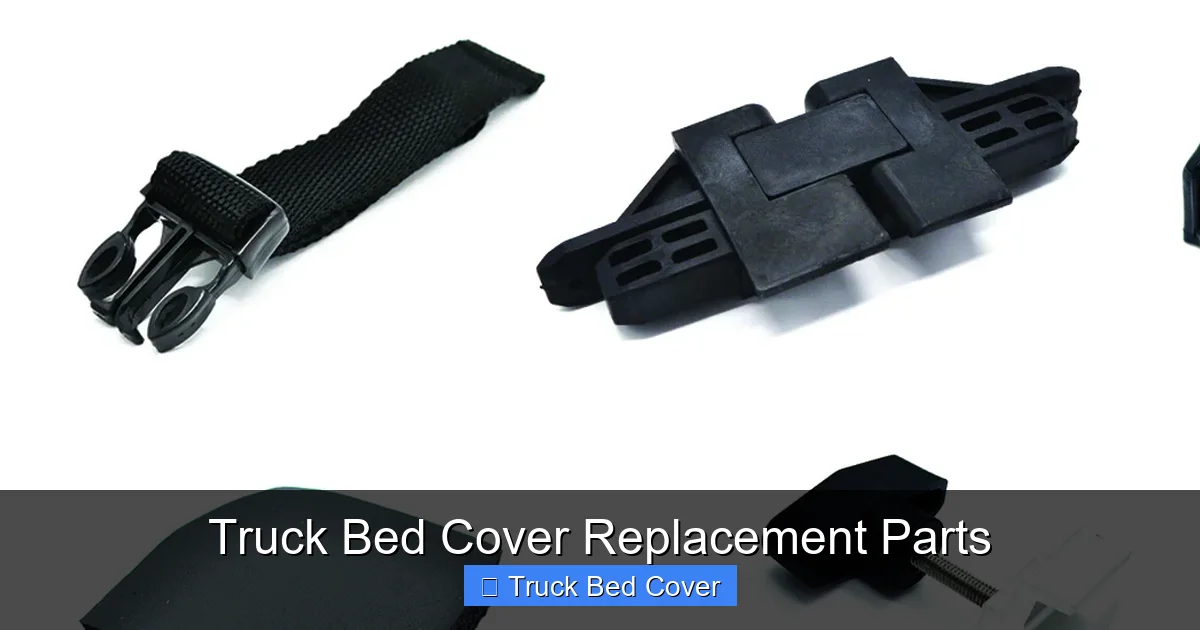
Truck Bed Cover Replacement Parts
Truck bed cover replacement parts are essential for maintaining the durability, security, and style of your truck’s cargo area. Whether your latch is broken, the rail is warped, or the fabric has torn, replacing individual components saves time and money compared to buying a whole new cover. With the right parts—like hinges, seals, latches, and mounting brackets—you can restore your cover’s performance and protect your gear from weather, theft, and wear.
Key Takeaways
- Replacement parts extend cover life: Fixing small issues early prevents major damage and costly replacements.
- Save money: Repairing instead of replacing one component reduces overall costs by up to 70%.
- Easy DIY installation: Most replacement parts are designed for simple bolt-on or clamp-on installation.
- Match compatibility: Always verify part fits your truck model, bed size, and cover type (roll-up, folding, etc.).
- Weather resistance matters: Choose UV-resistant, rust-proof materials for long-lasting performance.
- Improve security and aesthetics: New latches, seals, and rails enhance both function and look.
- Accessories boost usability: Add tie-down kits, LED lights, or side extensions for added convenience.
Quick Answers to Common Questions
Can I replace just one part of my truck bed cover?
Yes! Most truck bed cover replacement parts, like latches, hinges, and seals, are designed to be replaced individually. This saves money and preserves your existing cover.
How do I know which replacement part I need?
Check your truck’s make, model, year, and bed size. Also, identify your cover type (roll-up, folding, retractable) and compare it with the part description or use a compatibility checker on the manufacturer’s website.
Are aftermarket replacement parts safe to use?
It depends. High-quality aftermarket parts can work well, but always verify compatibility and read reviews. Poorly made parts may fit poorly or fail quickly.
How long do replacement parts last?
With proper care, quality replacement parts can last as long as the original cover—often 5–10 years. Regular cleaning and lubrication extend their lifespan.
Do I need special tools to install replacement parts?
Basic tools like screwdrivers, wrenches, and a level are usually sufficient. Some installations may require a torque wrench for precise tightening, especially on rails.
📑 Table of Contents
- Truck Bed Cover Replacement Parts: Everything You Need to Know
- Why Replace Truck Bed Cover Parts?
- Common Truck Bed Cover Replacement Parts
- How to Choose the Right Replacement Parts
- Step-by-Step: Installing Truck Bed Cover Replacement Parts
- Maintenance Tips to Extend the Life of Your Cover
- Top Brands for Truck Bed Cover Replacement Parts
- When to Call a Professional
- Conclusion
Truck Bed Cover Replacement Parts: Everything You Need to Know
If you’re like most truck owners, your pickup bed cover is one of the most important accessories on your vehicle. It protects your cargo from rain, snow, sun exposure, and theft—while also improving your truck’s aerodynamics and overall appearance. But over time, even the best covers wear out. Latches break. Hinges bend. Fabric tears. Rails crack. Instead of tossing your old cover, consider investing in truck bed cover replacement parts. These components let you repair and maintain your cover affordably and efficiently.
In this guide, we’ll walk you through everything you need to know about truck bed cover replacement parts—from common components to how to choose the right ones, install them, and keep your cover in top shape. Whether you drive a Ford F-150, Chevy Silverado, Ram 1500, or Toyota Tacoma, this article will help you make smart decisions and get back to hauling with confidence.
Why Replace Truck Bed Cover Parts?
Many truck owners assume that when a part on their bed cover breaks, the only fix is to buy an entirely new cover. That’s not always true. In fact, replacing just the damaged component can save you hundreds of dollars and keep your existing cover functional for years to come.
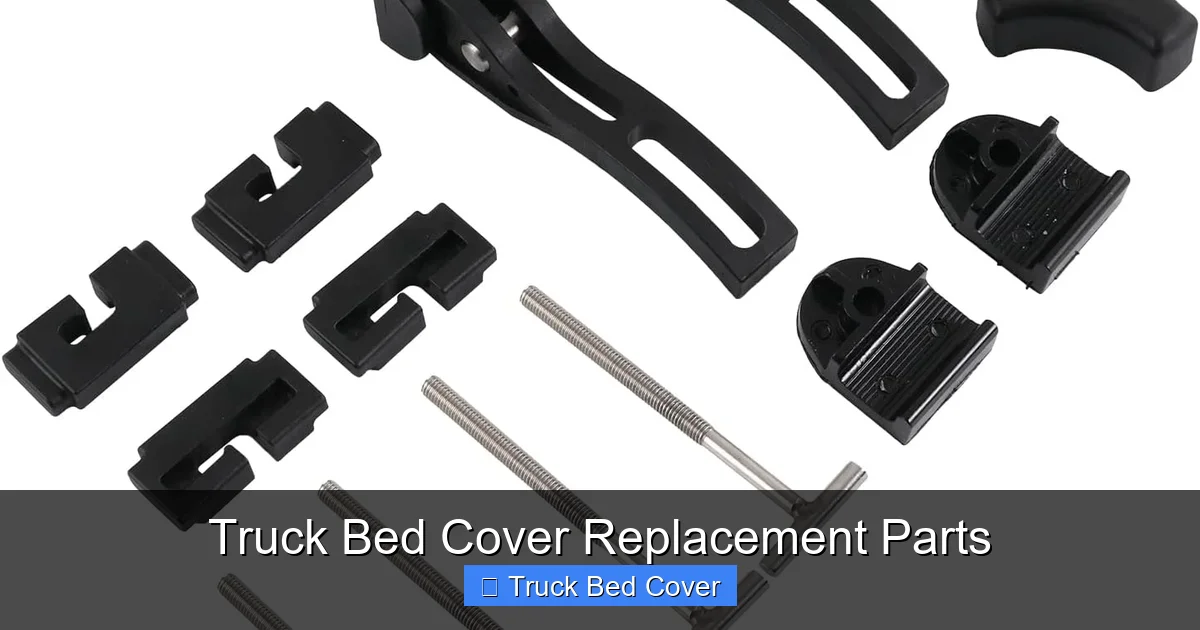
Visual guide about Truck Bed Cover Replacement Parts
Image source: m.media-amazon.com
The Cost-Effective Solution
Let’s do a quick comparison: A new hard roll-up cover can cost $600–$1,200, while a single replacement latch might be under $30. If your issue is a faulty latch or a cracked rail, repairing it directly addresses the problem without unnecessary expenses. Plus, you avoid the hassle of removing and reinstalling a whole new system.
Maintain Warranty and Performance
Some manufacturers void warranties if you remove or modify the original cover. By using genuine or compatible replacement parts, you keep your warranty intact while restoring full functionality. Also, a properly maintained cover performs better—sealing out moisture, reducing wind noise, and securing cargo safely.
Environmental Impact
Repairing instead of replacing reduces waste. Every year, millions of tons of automotive parts end up in landfills. By choosing replacement parts, you’re helping the environment while getting value from what you already own.
Common Truck Bed Cover Replacement Parts
Not all replacement parts are created equal. The type you need depends on your cover style and the specific issue you’re facing. Below are the most frequently replaced components, along with their functions and benefits.
1. Latches and Handles
Latches are critical for securing your bed cover. Over time, they can become loose, misaligned, or completely fail—especially after heavy use or extreme weather. Common problems include:
- Rusted or corroded metal latches
- Broken plastic handles
- Worn-out locking mechanisms
Replacement latches come in various styles—manual, key-locking, or push-button models—and are often made from reinforced steel or impact-resistant polymers. When choosing a latch, match it to your cover brand and truck model. For example, a Tonno Pro cover on a Ford F-250 requires different hardware than a BakFlip on a Honda Ridgeline.
2. Hinges and Brackets
Hinges allow your roll-up or folding cover to open and close smoothly. If your cover feels stiff or won’t stay open, the hinges may be worn or damaged. Replacement hinges are typically stainless steel or aluminum and designed to withstand repeated use.
For folding covers, brackets attach each panel to the next and must be aligned precisely. Misaligned brackets can cause uneven gaps or binding during operation. Always replace hinges in pairs to maintain balance and prevent future wear.
3. Seals and Weather Stripping
Seals create a tight barrier between the cover and the truck bed, preventing water, dust, and debris from entering. Over time, rubber seals dry out, crack, or lose their shape. Replacing them restores waterproofing and reduces rattling in the bed.
Most seals are pre-shaped and easy to install with adhesive backing or snap-in design. Look for UV-stabilized EPDM rubber, which resists cracking and lasts longer than standard rubber.
4. Mounting Rails and Side Tracks
Rails are the foundation of your bed cover system. They guide the cover as it rolls or folds and provide attachment points for the cover itself. Warped or bent rails can cause the cover to drag, bind, or leak.
Replacement rails are usually made from powder-coated aluminum or steel. When installing new rails, ensure they’re level and securely bolted to the bed. Use a level tool to check alignment before final tightening.
5. Fabric Panels and Tension Springs
For soft roll-up covers, the fabric is the main component. Tears, punctures, or fading can ruin the look and function of your cover. Many manufacturers offer replacement fabric panels that match the original material and color.
Tension springs help the cover roll up tightly and stay secure during transport. Weak or broken springs lead to loose, flapping covers. Replacing them improves performance and extends the life of your cover.
How to Choose the Right Replacement Parts
With so many options available online and at auto parts stores, selecting the correct truck bed cover replacement parts can feel overwhelming. Here’s how to make the best choice.
Check Your Truck Model and Bed Size
Start by identifying your truck’s make, model, year, and bed length (short, standard, or long). Even two trucks from the same brand may have different rail spacing or mounting holes. Always double-check measurements before ordering.
Know Your Cover Type
Different covers require different parts:
- Roll-up covers need hinges, tensioners, and fabric
- Folding covers require brackets, rails, and panel connectors
- Retractable covers need track systems, motors, and control modules
Mismatched parts can cause poor fit, reduced security, or even safety hazards.
Verify Compatibility with Your Brand
Brands like Bak, TruXedo, UnderCover, and DiamondBack offer official replacement parts. While third-party options may be cheaper, they aren’t always compatible. Check manufacturer websites or use online compatibility tools before purchasing.
Look for Quality Materials
Prioritize parts made from:
- Marine-grade stainless steel (for corrosion resistance)
- UV-treated vinyl or polyester (for fabric durability)
- EPDM rubber (for weather stripping)
- Powder-coated aluminum (for rails and brackets)
Cheap, low-grade materials may save money upfront but fail quickly in harsh conditions.
Read Reviews and Ratings
Customer feedback is invaluable. Look for reviews mentioning ease of installation, fitment accuracy, and longevity. Pay attention to comments about shipping speed and packaging quality—damaged parts arrive unusable.
Step-by-Step: Installing Truck Bed Cover Replacement Parts
Most replacement parts are designed for DIY installation, but proper preparation and technique are key. Follow these steps for a smooth repair process.
Tools You’ll Need
- Screwdrivers (Phillips and flathead)
- Socket wrench set
- Torque wrench (for precise tightening)
- Level (to check rail alignment)
- Rubber mallet (optional, for gentle tapping)
- Clean rags and mild soap (for cleaning surfaces)
General Installation Tips
- Work in a clean, dry area
- Follow manufacturer instructions exactly
- Don’t overtighten bolts—this can warp metal parts
- Test the cover multiple times during installation
- Reapply sealant if recommended
Example: Replacing a Latch on a Roll-Up Cover
- Remove the damaged latch using a screwdriver or socket wrench.
- Clean the mounting area with soap and water, then dry thoroughly.
- Position the new latch and align it with existing holes.
- Insert screws and tighten evenly—do not cross-thread.
- Open and close the cover several times to test smooth operation.
- Apply silicone lubricant to moving parts if needed.
Example: Installing New Seals
- Remove the old seal by gently prying it off with a plastic tool.
- Scrape away any residue with a putty knife.
- Peel the backing off the new seal and press firmly onto the rail.
- Use a roller or your hand to ensure full adhesion.
- Check for gaps or bubbles—smooth them out immediately.
Maintenance Tips to Extend the Life of Your Cover
Even with perfect replacement parts, improper care can shorten your cover’s lifespan. Here’s how to keep it running like new.
Regular Cleaning
Wash your cover every few months with mild soap and water. Avoid abrasive brushes or harsh chemicals that can degrade fabric or seals. Rinse thoroughly and let air dry.
Lubricate Moving Parts
Apply silicone spray or white lithium grease to hinges, latches, and rollers annually. This reduces friction and prevents rust.
Inspect Monthly
Check for loose bolts, frayed straps, or signs of wear. Catching issues early avoids bigger repairs later.
Store Properly
During winter or off-season, remove the cover if possible and store it in a cool, dry place. Use a cover bag to protect it from dust and UV exposure.
Avoid Overloading
Never overload your bed or drag heavy objects across the cover. Use a ramp or dolly to load items safely.
Top Brands for Truck Bed Cover Replacement Parts
Choosing a reputable brand ensures quality, compatibility, and reliable customer support. Here are some leading names in the industry:
- Bak Industries: Known for durable hard covers and high-quality replacement kits.
- TruXedo: Offers affordable roll-up covers and easy-to-replace fabric panels.
- UnderCover: Specializes in retractable and folding covers with precision-engineered parts.
- DiamondBack: Provides heavy-duty rails and brackets for commercial use.
- Tonno Pro: Popular for budget-friendly roll-up covers with reliable replacement options.
Each brand offers detailed installation guides and customer service teams ready to assist with part selection.
When to Call a Professional
While most replacement parts are DIY-friendly, certain situations call for expert help:
- Your cover uses an electric motor or electronic locking system
- The rail system is severely bent and requires realignment
- You’re unsure about compatibility or installation steps
- You lack the necessary tools or experience
A certified technician can diagnose hidden issues and ensure everything works safely and efficiently.
Conclusion
Replacing truck bed cover parts isn’t just practical—it’s smart. With the right truck bed cover replacement parts, you can maintain your cover’s performance, protect your investment, and avoid unnecessary waste. From simple latches to complete fabric kits, these components are designed for durability, ease of use, and perfect fit.
Whether you’re fixing a minor issue or upgrading for better security and style, take the time to choose quality parts and follow proper installation techniques. Your truck bed cover does more than look good—it keeps your belongings safe, dry, and secure. And with regular maintenance and timely repairs, it can last for years to come.
So next time something goes wrong, don’t panic. Grab the right replacement part, follow the steps, and get back on the road with confidence.
Frequently Asked Questions
What’s the most common part that needs replacing on a truck bed cover?
Latches and hinges are the most frequently replaced parts due to daily use and exposure to the elements. They wear out faster than other components and affect the cover’s ability to close securely.
Can I replace the fabric on a soft roll-up cover myself?
Yes, many soft roll-up covers allow fabric replacement. You’ll need to remove the old fabric, clean the rail, and reattach the new panel following the manufacturer’s instructions. It’s a straightforward DIY job with basic tools.
How often should I inspect my truck bed cover?
We recommend inspecting your cover monthly for loose bolts, cracks, or signs of wear. More frequent checks are wise after heavy use or extreme weather events like storms or winter conditions.
Will replacing parts affect my truck’s warranty?
Using genuine or approved replacement parts typically doesn’t void your warranty. However, unauthorized modifications or incompatible parts could lead to issues. Always check with your dealer if unsure.
Where can I buy reliable truck bed cover replacement parts?
Reputable auto parts retailers, manufacturer websites, and online marketplaces like Amazon (with verified sellers) offer quality replacement parts. Look for brands with positive reviews and compatibility guarantees.
Is it worth repairing an old cover or should I just buy a new one?
If the damage is limited to a few components, repairing is often more cost-effective and environmentally friendly. However, if your cover is severely damaged, outdated, or no longer meets your needs, upgrading may be the better long-term solution.