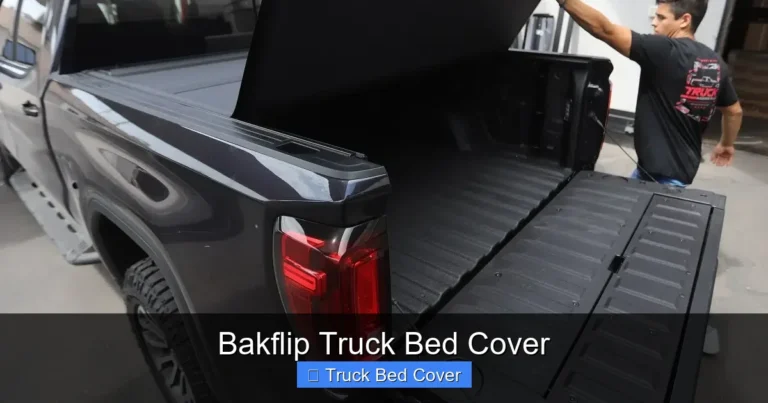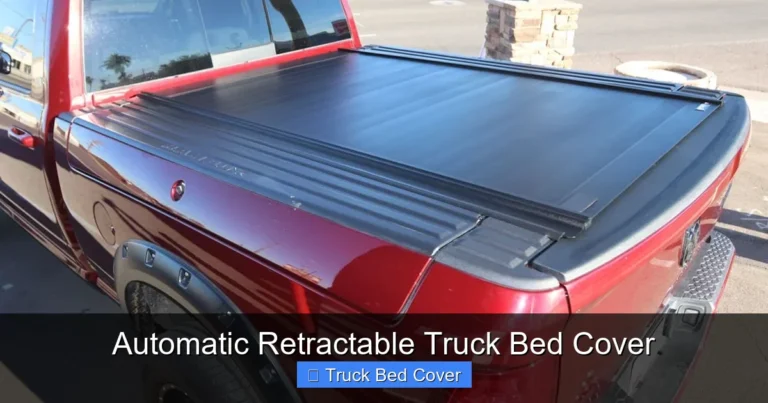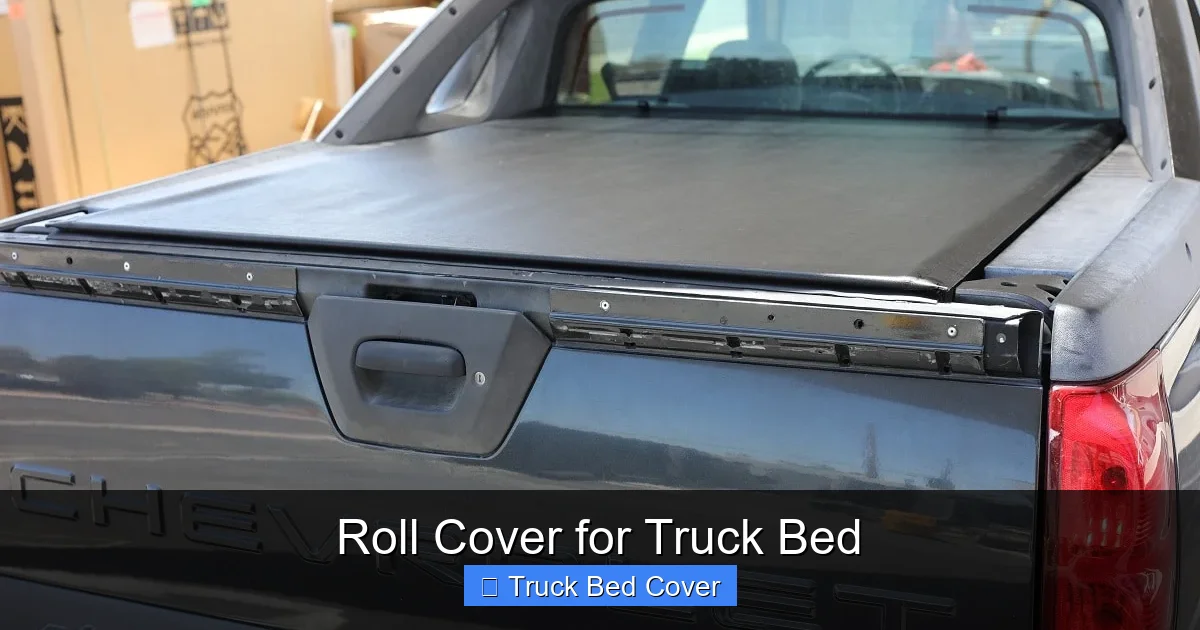
Roll Cover for Truck Bed
A roll cover for truck bed is a versatile, retractable tonneau cover that offers full access to your truck bed while protecting your belongings from rain, sun, and theft. Whether you’re a weekend camper or a daily commuter, this smart solution combines convenience with durability. With easy operation and a sleek low-profile look, it’s the go-to choice for truck owners who want both style and function.
If you’ve ever struggled with bulky, hard-to-use truck bed covers, you’re not alone. Whether you’re hauling lumber on a job site, transporting camping gear, or simply want to keep your tools dry, a reliable roll cover for truck bed can make all the difference. These innovative covers offer a simple yet effective way to protect your cargo while maintaining full access to your truck bed. In this guide, we’ll walk you through everything you need to know—from how they work and why they matter, to choosing the right one and installing it like a pro.
Let’s start with the basics: what exactly is a roll cover? Think of it as a retractable awning for your truck bed. Made from durable vinyl or canvas material, it rolls up into a compact storage tube mounted at the front of the bed. When you need to access your cargo, just pull the cover back, lock it in place, and voilà—instant open space. No more wrestling with heavy lids or fumbling with latches. And when you’re done, it rolls back neatly, leaving a clean, low-profile finish that looks great and doesn’t interfere with visibility.
One of the biggest advantages of a roll cover is its flexibility. Unlike fixed tonneau covers that block access to the entire bed, a roll cover lets you use only what you need. Want to load a long piece of pipe but don’t want to remove the whole cover? No problem—just unroll enough to slide it in. Need full access for unloading? Pull it all the way back and secure it. This adaptability makes roll covers ideal for a wide range of users—from contractors and tradespeople to outdoor enthusiasts and everyday drivers.
Key Takeaways
- Easy Operation: Roll covers unfold and retract smoothly—no lifting heavy lids or complex latches required.
- Full Bed Access: Unlike fixed covers, roll covers let you open the entire tailgate or just unroll partway for partial access.
- Weather Protection: Keeps tools, equipment, and gear dry during rain or snow while shielding from UV rays.
- Theft Deterrent: A locked roll cover adds a layer of security, making it harder for opportunistic thieves to access your cargo.
- Sleek Design: Low profile and aerodynamic, reducing drag and improving fuel efficiency slightly.
- DIY Installation: Most models can be installed in under an hour with basic tools—no professional help needed.
- Affordable Upgrade: More budget-friendly than fiberglass or aluminum options without sacrificing performance.
Quick Answers to Common Questions
What is a roll cover for truck bed?
A roll cover is a retractable tonneau cover that unfolds over the truck bed and coils into a front-mounted tube. It provides easy access and protects cargo from weather and theft.
How do I install a roll cover?
Most roll covers install in under an hour using clamp-on rails. Simply attach the rails to the bed sides, thread the cover through, and secure the front mount—no drilling required for most models.
Are roll covers waterproof?
They’re highly water-resistant with rubber seals, but not 100% waterproof. Light to moderate rain is handled well; heavy downpours may still allow some moisture intrusion at joints.
Can I drive with the roll cover partially open?
Yes! That’s one of the biggest advantages. You can unroll just enough to load or unload items while keeping the rest of the bed protected.
Do roll covers affect gas mileage?
Yes—slightly. By smoothing airflow over the bed, they reduce drag, typically improving fuel efficiency by 3–7%, depending on driving conditions and cover quality.
📑 Table of Contents
- How Roll Covers Work: The Mechanics Behind the Convenience
- Benefits of Installing a Roll Cover on Your Truck Bed
- Installation Guide: How to Install a Roll Cover Like a Pro
- Maintenance Tips to Extend the Life of Your Roll Cover
- Roll Covers vs. Other Types of Truck Bed Covers
- Final Thoughts: Is a Roll Cover Right for You?
How Roll Covers Work: The Mechanics Behind the Convenience
At first glance, a roll cover might seem like magic. But in reality, it’s built on simple yet clever engineering. Most roll covers consist of three main components: the cover itself (usually made from reinforced vinyl), a sturdy track system along the sides of the bed, and a front mounting tube where the cover coils up when not in use.
When you pull the cover back, it unfolds across the top of the bed and locks into place using a latch or strap system. Some models feature automatic tensioners that ensure the cover stays tight and wrinkle-free, even after repeated use. Others rely on manual ratcheting mechanisms. Regardless of the design, the goal is always the same: smooth, effortless operation.
The material plays a big role in durability and performance. High-quality roll covers use marine-grade vinyl or polyester fabric treated with UV inhibitors and mildew-resistant coatings. This means they won’t crack in the sun, tear from sharp edges, or degrade over time—even after years of exposure to harsh weather.
Another key feature is the sealing system. Many roll covers include rubber seals along the sides and rear to prevent water from seeping into the bed. While no cover is 100% waterproof, a well-designed seal significantly reduces moisture intrusion during light to moderate rain.
Types of Roll Covers: Finding Your Perfect Match
Not all roll covers are created equal. There are several types available, each with distinct features suited to different needs:
– Soft Roll-Up Covers: The most common type, made from flexible vinyl or canvas. They’re lightweight, affordable, and easy to install. Popular brands like UnderCover and Extang offer reliable soft roll-ups that provide excellent protection without breaking the bank.
– Hard Roll-Up Covers: These combine the convenience of a roll cover with the rigidity of a hard lid. Made from aluminum or composite panels, they’re heavier but offer superior strength and security. Brands like DiamondBack and BAK produce high-end hard roll-ups that rival traditional fiberglass lids.
– Hybrid Models: Some manufacturers blend soft and hard elements—like a soft cover with a hard front panel—to balance weight, cost, and functionality.
Each type has pros and cons. Soft roll-ups are great for casual users who prioritize ease of use and price. Hard roll-ups suit those who need maximum security and don’t mind a stiffer operation. Hybrid models offer a middle ground but may come at a higher price point.
Benefits of Installing a Roll Cover on Your Truck Bed
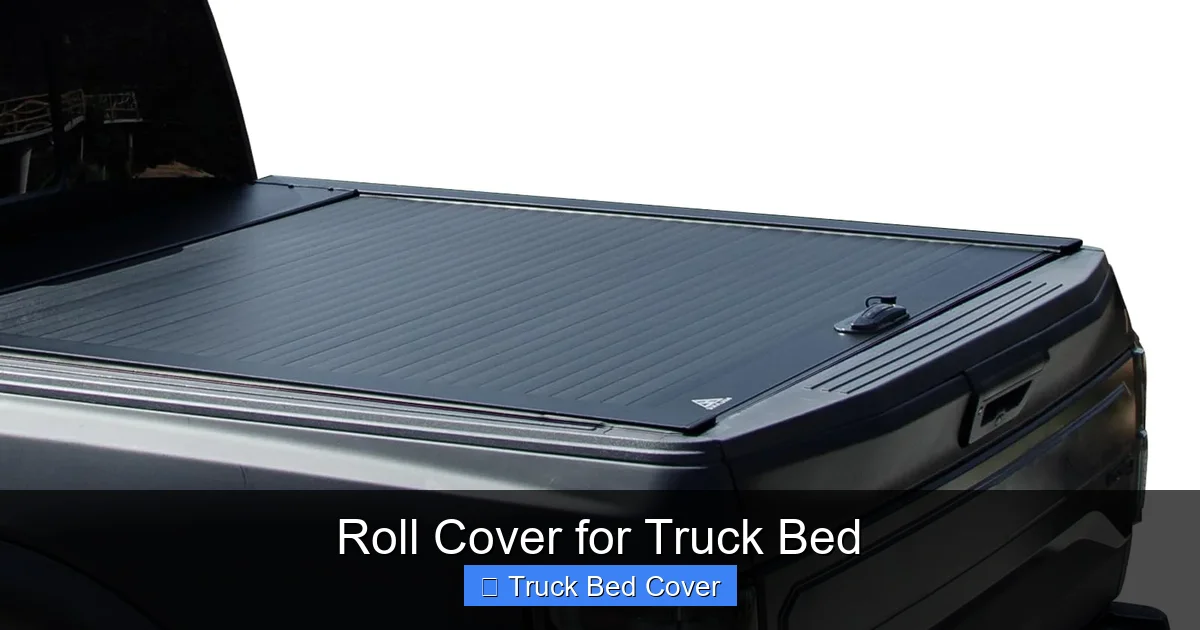
Visual guide about Roll Cover for Truck Bed
Image source: m.media-amazon.com
Why go through the trouble of buying and installing a roll cover? The benefits are clear—and they extend far beyond just keeping things dry.
First, consider the weather. Rain, snow, and dust can ruin valuable tools, electronics, or sensitive equipment left exposed in your truck bed. A roll cover creates a protective barrier that keeps moisture out and helps regulate temperature inside the bed. This is especially important during winter months when freezing rain or snow can damage sensitive gear.
Second, roll covers improve aerodynamics. By smoothing the airflow over your truck bed, they reduce drag—which translates to better gas mileage. While the savings might be modest (typically 5–10%), every mile counts, especially if you drive long distances regularly.
Third, they enhance security. Thieves often target trucks with open beds, knowing that loose items are visible and accessible. A locked roll cover hides your cargo and makes it much harder for someone to grab what’s inside. Pair it with a quality lock cylinder, and you’ve got a serious deterrent.
Fourth, roll covers boost resale value. A clean, covered truck bed looks more professional and well-maintained. Potential buyers appreciate the added protection and aesthetic appeal, which can give your truck an edge at the dealership.
Finally, they increase versatility. Whether you’re using your truck for work, recreation, or daily errands, a roll cover adapts to your needs. Need to carry a kayak? Unroll the cover and secure it with straps. Heading to the beach? Lock it down and protect your cooler and towels from sand and salt spray.
Top Features to Look For in a Quality Roll Cover
With so many options on the market, how do you pick the best roll cover for your truck? Focus on these five essential features:
– Durable Construction: Look for UV-treated, tear-resistant materials with reinforced seams. Marine-grade vinyl is a solid choice.
– Secure Locking Mechanism: A reliable latch or strap system prevents accidental unrolling, especially on bumpy roads.
– Waterproof Seals: Side and rear seals help keep water out during light rain. Check reviews for real-world performance.
– Tool-Free Installation: Clamp-on systems are faster and easier than bolt-down setups. Make sure the rails fit your specific truck model.
– Compatibility: Measure your truck bed carefully—length, width, and whether you have a toolbox or bedliner. Not all covers fit every truck.
Brands like TruXedo, TonnoPro, and LKQ are known for consistent quality and customer support. Reading user reviews can also help you spot common issues before you buy.
Installation Guide: How to Install a Roll Cover Like a Pro
You don’t need a mechanic’s license to install a roll cover—but you do need patience and the right tools. Most installations take under an hour, and many people tackle it themselves with minimal experience.
Start by clearing your truck bed completely. Remove any debris, tie-downs, or accessories that might interfere with the rail installation. Next, measure twice to confirm your bed dimensions. Then, unpack the roll cover kit and lay out all components: side rails, end caps, the cover itself, and hardware.
Begin by attaching the side rails to the bed using clamps or bolts, depending on your model. Follow the manufacturer’s instructions closely—some require drilling pilot holes, others use adhesive strips. Once the rails are secure, thread the roll cover through them and attach the front mounting bracket to the bulkhead (the wall between the cab and bed).
After routing the cover through the rails, test the movement by pulling it back and forth a few times. It should glide smoothly without binding. Adjust tension if necessary using built-in ratchet systems or straps.
Finally, install the rear crossbar (if included) to stabilize the cover and prevent sagging. Secure the locking mechanism and double-check all connections. Before hitting the road, do a quick test run in light rain to check for leaks.
Pro tip: Keep the cover partially rolled back during the first week to allow the material to stretch and settle—this improves long-term performance.
Troubleshooting Common Installation Issues
Even experienced DIYers run into hiccups. Here’s how to fix a few common problems:
– Cover Won’t Roll Smoothly: Check for obstructions in the rails. Clean out dirt or debris and apply silicone spray to the tracks for smoother operation.
– Water Leaks at Rear Seal: Ensure the crossbar is level and the seal is properly seated. Reinstall if needed.
– Rails Sagging: Tighten all bolts and clamps. Consider adding extra support brackets if the bed is particularly shallow.
– Cover Slips Backward: Inspect the locking mechanism. Replace worn latches or adjust tension straps.
Don’t hesitate to contact the manufacturer if something feels off. Most reputable brands offer phone or email support for installation questions.
Maintenance Tips to Extend the Life of Your Roll Cover
Like any automotive accessory, a roll cover benefits from regular care. With proper maintenance, it can last 8–10 years or more.
Start by cleaning the cover monthly with mild soap and water. Avoid harsh chemicals or abrasive scrubbers—they can strip protective coatings. For stubborn stains, use a soft brush and rinse thoroughly.
Inspect the cover after heavy storms or extended off-road use. Look for cuts, punctures, or loose stitching. Small tears can usually be patched with repair kits available from most retailers.
Lubricate moving parts—like the roller mechanism and latch—with silicone spray once or twice a year. Never use oil-based lubricants, as they attract dirt and gum up the works.
Store the cover fully retracted when not in use, but avoid leaving it coiled tightly for long periods. This can cause creases or weaken the material over time.
Finally, park in shade whenever possible. Prolonged sun exposure accelerates fading and material degradation, even with UV protection.
Can You Use a Roll Cover in Extreme Weather?
Absolutely—but with some caveats. In hot climates, roll covers help reflect sunlight and keep the bed cooler. In cold weather, they prevent ice buildup and protect against windblown snow.
However, never leave a roll cover fully extended in hurricane-force winds or during blizzards. Strong gusts can tear the material or warp the rails. Always retract and secure the cover in extreme conditions.
For off-road adventures, choose a cover rated for rugged terrain. Some models feature reinforced edges and extra-heavy-duty fabrics designed to handle rocks and branches.
Roll Covers vs. Other Types of Truck Bed Covers
How does a roll cover stack up against other popular options? Let’s compare:
– Roll Cover vs. Soft Folding Cover: Folding covers open like a garage door and require multiple latches. They’re heavier and less flexible than roll covers but offer similar protection.
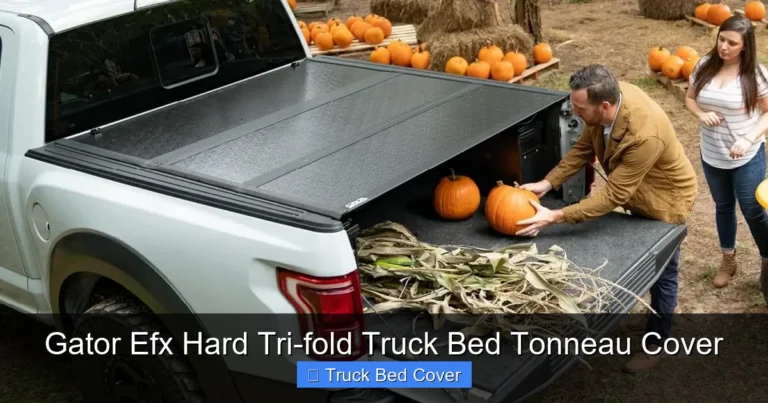
– Roll Cover vs. Hard Tri-Fold: Tri-fold covers are rigid and durable but limit bed access. You can’t open just one section—you must fold the entire lid.
– Roll Cover vs. Retractable Hard Shell: These slide open sideways and offer the highest level of security and aesthetics. But they’re expensive and heavier than roll covers.
In short, roll covers strike a sweet spot between affordability, ease of use, and functionality. They’re ideal for drivers who want simplicity without sacrificing performance.
Real-World Examples: Who Benefits Most from a Roll Cover?
Think a roll cover isn’t for you? Consider these scenarios:
– Contractors: Electricians, plumbers, and landscapers often carry tools, materials, and equipment. A roll cover keeps everything dry and secure between jobs.
– Outdoor Enthusiasts: Hunters, anglers, and campers benefit from weatherproof storage for gear, coolers, and firearms (when properly secured).
– Daily Commuters: Even city drivers appreciate not having groceries or gym bags get soaked in sudden showers.
– Rural Drivers: Those living in areas with frequent dust storms or muddy conditions find roll covers invaluable for protecting interiors and maintaining vehicle appearance.
No matter your lifestyle, a roll cover adds practical value—and peace of mind.
Final Thoughts: Is a Roll Cover Right for You?
A roll cover for truck bed isn’t just another accessory—it’s a game-changer for anyone who uses their truck regularly. It combines the best of both worlds: total bed access and complete cargo protection. Whether you’re commuting to work, heading out on a weekend adventure, or managing a busy job site, this simple upgrade delivers real results.
The key is choosing the right model for your needs. Consider your climate, driving habits, and budget. Read reviews, compare specs, and don’t rush the decision. Once installed, you’ll wonder how you ever lived without one.
And remember: maintenance is minimal, installation is straightforward, and the payoff is lasting. From improved fuel economy to enhanced security, the benefits add up fast. So if you’ve been putting off that tonneau cover purchase, now’s the perfect time to roll up your sleeves—literally—and get yours today.
Frequently Asked Questions
How long does a roll cover last?
With proper care, a quality roll cover can last 8–10 years. Regular cleaning, avoiding prolonged sun exposure, and addressing minor wear quickly all contribute to longevity.
Can I install a roll cover on a truck with a bedliner?
Yes, most roll covers work with factory bedliners. Just ensure the liner is flat and free of protruding rivets or uneven surfaces that could interfere with rail installation.
Do I need to remove the roll cover to use the tailgate?
No—that’s the beauty of roll covers. You can fully retract the cover and open the tailgate independently, giving you complete bed access when needed.
Are roll covers compatible with toolboxes?
Some roll covers are designed specifically for trucks with rear-mounted toolboxes. Always check compatibility before purchasing to avoid fitment issues.
Can I wash my roll cover myself?
Yes! Use mild soap and water with a soft cloth or sponge. Avoid pressure washers and harsh chemicals, which can damage the protective coating over time.
Is a roll cover worth the investment?
Absolutely. For the price, a roll cover offers unmatched convenience, weather protection, and security—making it one of the most practical upgrades for truck owners.