Ford Truck Bed Cover
Ford truck bed covers offer unmatched protection, security, and style for your pickup. Whether you’re hauling gear or shielding cargo from rain, a quality truck bed cover keeps your truck bed safe and organized. From roll-up to retractable designs, there’s a perfect Ford truck bed cover for every need and budget.
If you own a Ford truck—whether it’s a rugged F-150, a heavy-duty Super Duty, or even the versatile Ranger—you know how valuable that open bed is. But with great utility comes great vulnerability. Rain soaks your tools, wind scatters loose items, and curious eyes (or worse, thieves) can easily rifle through your cargo. That’s where a Ford truck bed cover comes in. Not just a functional accessory, it’s a smart investment in protection, security, and style.
In this guide, we’ll walk you through everything you need to know about Ford truck bed covers. From types and materials to installation tips and maintenance, we’ve got you covered—literally. Whether you’re a weekend warrior hauling firewood or a tradesperson storing expensive equipment, the right cover makes all the difference.
Key Takeaways
- Enhanced Security: A Ford truck bed cover prevents unauthorized access to your cargo, deterring theft and keeping valuables safe.
- Weather Protection: These covers shield your truck bed from rain, snow, dust, and UV rays, preserving interior components and cargo.
- Aerodynamic Design: Many modern covers reduce wind resistance, improving fuel efficiency and reducing noise on the highway.
- Easy Installation: Most truck bed covers for Ford trucks are clamp-on systems that install in under 30 minutes without drilling.
- Improved Appearance: A sleek cover gives your Ford a polished, professional look while increasing resale value.
- Custom Fit Options: Choose from hard or soft covers, tailored specifically for Ford F-150, Super Duty, and Ranger models.
- Low Maintenance: High-quality materials resist fading, cracking, and corrosion, requiring minimal upkeep over time.
Quick Answers to Common Questions
What’s the best type of bed cover for a Ford F-150?
For most F-150 owners, a roll-up or folding hard cover offers the best balance of price, security, and usability. Retractable covers are ideal for those wanting premium performance and aesthetics.
Can I install a bed cover myself?
Yes! Most Ford truck bed covers use clamp-on systems that install in under 30 minutes without drilling. Just follow the instructions and use basic tools.
Will a bed cover fit with a spray-in liner?
Many modern covers are designed to work with spray-in liners. Always check the product specifications or contact the manufacturer to confirm compatibility.
Do bed covers improve gas mileage?
Yes, especially on highways. By reducing wind resistance, a properly installed cover can improve fuel economy by 2–5% depending on driving conditions.
Are soft covers less secure than hard ones?
Generally, yes. Soft covers are easier to remove without tools, making them less secure against determined theft. Hard covers offer better protection and peace of mind.
📑 Table of Contents
Why You Need a Truck Bed Cover for Your Ford
Let’s face it: an open truck bed is exposed to the elements 24/7. Without protection, your truck bed becomes a breeding ground for rust, mold, and dirt. Over time, moisture seeps into seams and crevices, accelerating corrosion of your bed rails, tailgate, and even the frame. And let’s not forget the security aspect. An uncovered bed invites opportunistic thieves. One quick glance, and someone could grab your power tools, electronics, or camping gear.
A Ford truck bed cover solves both problems. It creates a sealed environment that keeps out water, dust, and debris. Plus, when locked down, it acts as a deterrent—most covers require tools or specific mechanisms to remove, making casual theft much harder. Beyond protection, a well-designed cover improves aerodynamics. By smoothing the airflow over the bed, it reduces drag, which can lead to noticeable improvements in fuel economy, especially on long highway drives.
But it’s not all function. Let’s talk aesthetics. A clean, closed bed looks sharp parked in front of your garage or at a job site. It gives your Ford a more finished, custom appearance. Think of it like adding a cap to your truck—professional, put-together, and intentional.
Types of Ford Truck Bed Covers
Not all truck bed covers are created equal. The market offers several styles, each with unique benefits. Understanding the differences helps you pick the one that fits your lifestyle, budget, and vehicle.
Roll-Up Covers
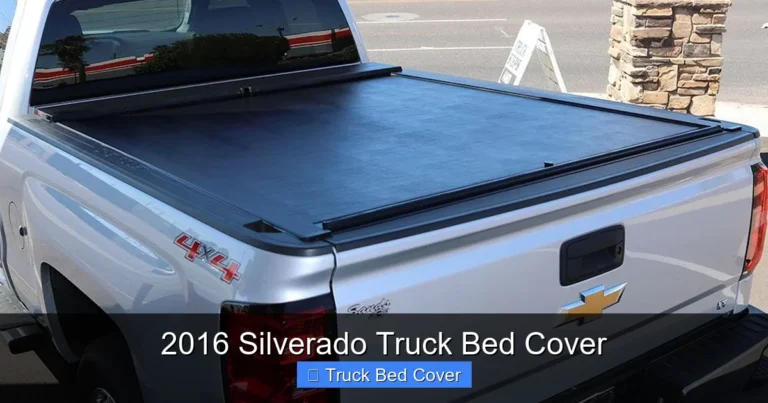
These are among the most popular choices for Ford owners. A roll-up cover unfolds across the bed and rolls back toward the cab, secured by a latch at the front. They’re made from durable vinyl over a metal or aluminum frame. Roll-ups are affordable, easy to use, and allow full access to the entire bed when needed.
Pros:
– Inexpensive compared to other types
– Lightweight and simple to operate
– Doesn’t interfere with bed liners or accessories
Cons:
– Vinyl can tear if punctured
– Less secure than hard covers
– Can flap in high winds if not tightly rolled
Best for: Daily drivers who need occasional bed access and want a balance of price and performance.
Folding Hard Covers
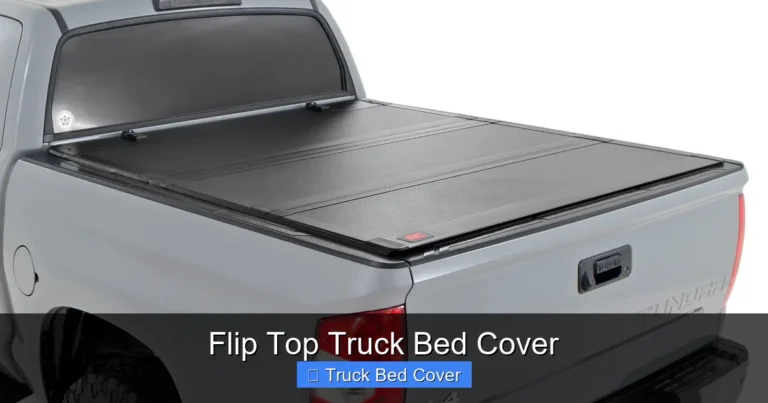
Also known as tri-fold covers, these feature rigid panels that fold into thirds and lie flat on the bed. Made from aluminum or fiberglass-reinforced polymers, they’re sturdier than roll-ups and offer better security.
Pros:
– Rigid structure resists bending and damage
– Sleek, low-profile look
– Easy to open and close
Cons:
– Bulkier when stored
– Higher cost
– May require drilling for installation on some models
Best for: Tradespeople and contractors who need frequent access but also want maximum protection.
Retractable Hard Covers
These premium covers slide open like a garage door, retracting into a compact canister at the front of the bed. They’re often made of reinforced polycarbonate or aluminum slats.
Pros:
– Smooth, seamless operation
– Excellent security and weather sealing
– No obstruction when fully retracted
Cons:
– Most expensive option
– Heavier and more complex mechanism
– Installation typically requires professional help
Best for: Long-haul drivers, luxury truck owners, or anyone prioritizing top-tier performance and aesthetics.
Soft Tri-Fold & On-Load Covers
Similar to roll-ups but with a hinged design, these fold into smaller sections. On-load covers sit directly on the bed without a frame, relying on clamps for attachment.
Pros:
– Very low profile
– Affordable and lightweight
– Easy to remove completely if needed
Cons:
– Less durable than hard covers
– Can sag over time
– Limited weather resistance
Best for: Budget-conscious buyers who want a basic level of coverage without breaking the bank.
Toolbox-Compatible Covers
Designed to work with bed-mounted toolboxes, these covers integrate seamlessly, allowing you to store tools inside while still covering the rest of the bed.
Pros:
– Dual functionality
– Keeps tools dry and secure
– Maintains a clean look
Cons:
– Only suitable for users with toolboxes
– Adds weight and complexity
Best for: Mechanics, electricians, and anyone who relies on portable tool storage.
Choosing the Right Cover for Your Ford Model
Ford offers several truck models, and not all covers fit every year or trim. Before purchasing, confirm compatibility with your specific vehicle.
Ford F-150
The F-150 is the most popular Ford truck, and it comes in countless configurations—short bed, long bed, regular cab, super crew, etc. Most Ford truck bed covers are made to fit standard bed lengths (5.5 ft, 6.5 ft, 8 ft), but always double-check dimensions. For example, the 2023 F-150 has a slightly different bed rail height than the 2015 model.
Tip: Look for covers labeled “F-150-specific” or check the manufacturer’s fit guide using your VIN.
Ford Super Duty (F-250, F-350, F-450)
These heavy-duty trucks have deeper beds and higher payload capacities. Covers must support heavier loads and withstand tougher conditions. Retractable and folding hard covers are ideal here due to their strength and durability.
Note: Some Super Duty models have built-in bed steps or special lighting. Ensure the cover doesn’t interfere with these features.
Ford Ranger
Though smaller than the F-Series, the Ranger still benefits from a bed cover. Its shorter bed length (typically 5 ft) means fewer cover options, but roll-up and tri-fold models work well.
Pro Tip: Measure your bed from inside wall to inside wall. Add 1–2 inches to account for mounting hardware.
Installation Tips for Ford Truck Bed Covers
You might be tempted to skip installation and just roll with a DIY approach—but proper setup ensures longevity and performance. Here’s how to do it right.
Prep Your Truck Bed
Start by cleaning the bed thoroughly. Remove dirt, grease, and debris. If you have a spray-in bed liner, ensure it’s free of cracks or bubbles that could interfere with the cover’s seal. For users with drop-in liners, verify they’re securely fastened.
Read the Manual First
Every cover comes with instructions. Skipping this step can lead to misalignment, poor sealing, or even damage. Pay attention to torque specs for bolts (if required) and the order of assembly.
Use the Right Tools
Most installations require only a wrench or screwdriver. Avoid over-tightening clamps, as this can warp the bed rails. For retractable covers, you may need a drill—but only if the kit includes pre-drilled holes. Otherwise, stick to clamp-on systems.
Test the Seal
After installation, run your hand along the edges to check for gaps. A good cover should create a watertight barrier. Test it with a hose before loading anything valuable.
Adjust as Needed
If the cover sags or doesn’t close smoothly, adjust the tension rods or clamps. Some models include adjustable tracks—use these to fine-tune alignment.
Maintaining Your Ford Truck Bed Cover
Even the best cover won’t last forever without care. Follow these simple steps to keep it in peak condition.
Cleansing Routine
Wash your cover every few months with mild soap and water. Avoid harsh chemicals that can degrade vinyl or adhesives. For hard covers, wipe down aluminum or polycarbonate surfaces with a soft cloth.
Lubricate Moving Parts
If your cover has hinges, latches, or rollers, apply silicone-based lubricant annually. Never use oil-based products—they attract dirt and cause buildup.
Inspect for Damage
Check for tears, dents, or loose hardware monthly. Small issues like a cracked latch can become big problems if ignored. Replace worn parts promptly.
Store Properly
If you remove the cover seasonally (e.g., in winter), store it in a cool, dry place away from direct sunlight. Use the original packaging if possible.
Winter Care
Snow and ice can freeze latches or damage seals. After a storm, gently clear off excess snow. Never pry frozen parts—use warm water instead.
Top Features to Look For
When shopping for a Ford truck bed cover, don’t just go for the cheapest option. Consider these features to maximize value.
Weather Sealing
Look for dual-sided rubber seals along the bed rails and tailgate. A tight seal keeps out moisture and drafts. Some premium models include drainage channels to redirect water away from the cab.
Locking Mechanism
A secure lock is non-negotiable. Opt for a keyed lock or one that engages with a simple twist. Avoid covers with flimsy latches that can be popped with a screwdriver.
UV Resistance
Vinyl covers fade over time if not UV-protected. Check for UV inhibitors in the material description. This is especially important if you park outdoors frequently.
Bed Liner Compatibility
If you use a bed liner, ensure the cover sits flush without lifting or sliding. Some brands design their covers to work with specific liner types.
Noise Reduction
A poorly installed cover can whistle or rattle at high speeds. Look for models with foam padding or aerodynamic designs that minimize wind noise.
Warranty Coverage
Reputable brands offer 1–5 year warranties. This shows confidence in the product and protects your investment. Read the fine print—some exclusions apply for misuse or extreme weather.
Real-World Benefits of a Ford Truck Bed Cover
Let’s talk practicality. I’ve seen firsthand how a good cover transforms daily driving.
One mechanic friend of mine installed a retractable cover on his 2020 F-150. He stores welding rods, cables, and diagnostic tools in the bed. Before the cover, he lost three expensive multimeters to opportunistic thieves. Now, everything stays dry and locked down. He says his fuel economy improved by about 2 mpg on long commutes—small gains that add up.
Another user, a landscaper, uses a roll-up cover on his Ranger. He loads bags of mulch and bags of soil without worrying about rain ruining his supplies. The cover also keeps grass clippings from blowing everywhere during transport.
Even for recreational users, the benefits shine. Campers can leave gear in the bed overnight—no more stolen coolers or wet sleeping bags. Tailgaters keep grills and chairs protected from sudden showers.
And let’s not forget resale value. A truck with a well-maintained, stylish cover often sells faster and for more money. It signals pride of ownership.
Frequently Asked Questions
What is the difference between a roll-up and folding hard cover?
Roll-up covers unfold and roll back manually, offering full bed access. Folding hard covers consist of rigid panels that fold into thirds. Both provide excellent protection, but folding covers are more durable and secure.
Can I wash my truck bed cover with a pressure washer?
Yes, but use low pressure (under 1,500 PSI) and keep the nozzle at least 12 inches away. Avoid spraying directly into seams or seals to prevent water intrusion.
How long do truck bed covers typically last?
With proper care, high-quality covers last 5–10 years. Soft covers may wear out faster due to UV exposure and abrasion, while hard covers often exceed 10 years.
Do bed covers void my truck’s warranty?
No, according to the Magnuson-Moss Warranty Act, manufacturers cannot void warranties solely because aftermarket accessories like Ford truck bed covers are installed—unless the cover caused damage.
Can I leave my bed cover open in the rain?
It’s not recommended. Prolonged exposure to rain can warp seals, promote mold growth, and damage the cover’s internal mechanism over time.
Are there bed covers that work with toolboxes?
Yes, toolbox-compatible designs integrate with bed-mounted toolboxes, allowing you to cover the rest of the bed while keeping tools accessible and protected.