
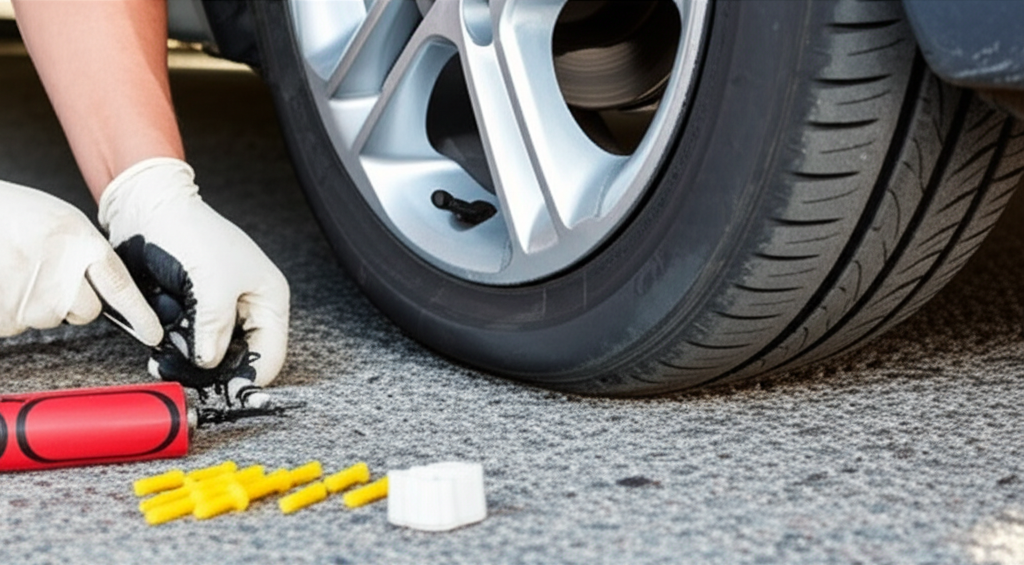
Yes, many common flat tires are repairable, especially if the puncture is small and located on the tread area of the tire. A professional tire shop can often patch or plug a tire, extending its life and saving you money. However, sidewall damage or large punctures usually require tire replacement.
Can You Repair a Flat Tire? Your Guide to Fixing and When to Replace
Getting a flat tire can feel like a total disaster, especially if you’re new to driving or not super handy with car stuff. Suddenly, your plans are derailed, and you might feel a bit panicked. Don’t worry, though! Many flat tires aren’t the end of the road for your tires. Most of the time, a simple puncture from a nail or screw in the main part of your tire can be fixed. This guide is here to walk you through how to handle a flat tire, including how to know if it’s repairable and what to do next. We’ll make this super easy to understand, so you feel confident dealing with this common driving hiccup.
Understanding Flat Tires: What Causes Them and Are They Always Repairable?

Flat tires are a common annoyance for drivers of all experience levels. They happen when your tire loses too much air pressure, often due to a puncture, valve stem issue, or even just slow air loss over time. The good news is that not all flat tires mean you need a brand-new tire. The key to knowing if your flat tire is repairable lies in understanding what caused the flat and where on the tire the damage occurred.
What Makes a Flat Tire Repairable?
The primary factor determining if a flat tire can be repaired is the location and size of the puncture.
Tread Area Punctures: If your tire has been punctured by a nail, screw, or other sharp object in the main tread area (the part that contacts the road), it’s often repairable.
Size of the Puncture: Small punctures, typically less than a quarter-inch in diameter, are generally considered safe to repair.
Type of Damage: Simple punctures are repairable. Tears, cuts, or damage to the tire’s sidewall are usually not.
What Makes a Flat Tire Unrepairable?
Some damage is simply too severe or in the wrong place to be safely repaired.
Sidewall Damage: The sidewall of a tire is crucial for its structural integrity. Punctures, cuts, or cracks in the sidewall compromise the tire’s ability to hold air and withstand pressure, making it unrepairable.
Large Punctures: Holes larger than a quarter-inch are often too big for a standard patch or plug to hold securely.
Run-Flat Damage: If you’ve driven on a completely flat tire for an extended period, the internal structure of the tire can be severely damaged, rendering it unrepairable even if the initial puncture was small.
Leaking Valve Stem: While a faulty valve stem can cause a flat, the valve stem itself is replaceable, not the tire.
Your Flat Tire Emergency Kit: What You Need
Before you even think about fixing a flat, it’s essential to have the right tools. Most cars come with a basic kit, but it’s always good to check and ensure you have everything.
Essential Tools for Flat Tire Management:
Spare Tire: Make sure it’s properly inflated.
Jack: This is used to lift your car.
Lug Wrench: This tool is used to loosen and tighten the lug nuts that hold your wheel in place.
Vehicle Owner’s Manual: This is your best friend! It has specific instructions for your car, including where to place the jack.
Tire Pressure Gauge: To check the pressure of your spare and, later, your repaired tire.
Gloves (Optional but Recommended): To keep your hands clean.
Wheel Chocks (Optional but Recommended): To prevent the car from rolling.
Step-by-Step: How to Change a Flat Tire
This is the most common solution when you encounter a flat tire. While it might seem daunting, following these steps carefully will get you back on the road safely.
Step 1: Find a Safe Location
Why: Your immediate priority is safety. Driving on a flat tire can damage your wheel rim and make steering difficult. You need to get off the road as quickly and safely as possible.
Action: As soon as you realize you have a flat, slow down gradually and look for a safe place to pull over. This means getting as far off the road as possible, ideally on a level, firm surface like a parking lot or a wide shoulder. Avoid soft ground or inclines.
Step 2: Turn on Hazard Lights and Engage the Parking Brake
Why: Hazard lights make your car visible to other drivers, especially in low light or bad weather. The parking brake (or emergency brake) is crucial to prevent your car from rolling while it’s lifted.
Action: Turn on your hazard lights immediately. Then, firmly engage your parking brake. If your car has a manual transmission, put it in first gear or reverse. For automatic transmissions, put it in “Park.”
Step 3: Gather Your Tools
Why: Having everything ready before you start makes the process smoother and safer.
Action: Locate your spare tire, jack, and lug wrench. These are typically found in the trunk, under the car, or in a side compartment. Consult your owner’s manual if you’re unsure.
Step 4: Loosen the Lug Nuts
Why: Lug nuts are tight! If you try to loosen them after lifting the car, the wheel will just spin. Loosening them while the tire is still on the ground provides the necessary resistance.
Action: Use the lug wrench to loosen the lug nuts on the flat tire. Turn them counter-clockwise. You might need to use some force. Loosen them about half a turn to a full turn, but do not remove them completely yet.
Step 5: Position the Jack and Lift the Vehicle
Why: The jack needs to be placed at a specific point on your car’s frame designed to support its weight. Placing it incorrectly can damage your car or cause the jack to slip.
Action: Consult your owner’s manual to find the correct jacking point for the flat tire. It’s usually a reinforced part of the frame near the wheel well. Place the jack firmly under this point and begin to raise the vehicle. Lift the car high enough so that the flat tire is completely off the ground, with enough clearance to remove it and put on the spare.
Step 6: Remove the Flat Tire
Why: Now that the wheel is off the ground, you can fully remove the lug nuts and the tire.
Action: Finish unscrewing the lug nuts by hand. Keep them together in a safe place (like your pocket or hubcap) so you don’t lose them. Grip the flat tire firmly with both hands and pull it straight toward you. It might be a bit heavy. Lay the flat tire on its side under the car, near the jack, as an extra safety precaution in case the jack fails.
Step 7: Mount the Spare Tire
Why: You need to replace the flat tire with the inflated spare to get moving again.
Action: Line up the holes in the spare tire with the wheel studs. Push the spare tire onto the studs until it sits flush against the hub.
Step 8: Reinstall the Lug Nuts
Why: The lug nuts secure the spare tire to the car. Tightening them in a star pattern ensures the wheel is seated evenly.
Action: Screw the lug nuts back onto the studs by hand as tightly as you can. Once they are all snug, use the lug wrench to tighten them further. Tighten them in a star pattern (tighten one, then the one opposite it, and so on). This ensures the wheel is mounted evenly and securely.
Step 9: Lower the Vehicle and Final Tightening
Why: You need the weight of the car on the wheel to fully tighten the lug nuts. Overtightening can damage the studs, while undertightening is dangerous.
Action: Slowly lower the car using the jack until the spare tire is firmly on the ground. Remove the jack. Now, use the lug wrench to tighten the lug nuts as much as you can, again using the star pattern. Give them a good, firm tug.
Step 10: Stow Everything and Check Tire Pressure
Why: You need to put the flat tire and tools away safely. Checking the spare’s pressure is vital for safe driving.
Action: Put the flat tire and all your tools back in their designated storage spots. Use your tire pressure gauge to check the pressure in the spare tire. Most temporary spare tires (often called “donuts”) require higher pressure than regular tires, usually around 60 psi. Check the sidewall of the spare for the correct pressure.
When is a Flat Tire Repairable? Getting Professional Help
If your flat tire has a puncture in the tread area, a professional tire shop can often perform a safe and reliable repair. This typically involves using a patch-and-plug combination from the inside of the tire.
The Tire Repair Process: What to Expect
1. Inspection: A technician will remove the tire from the wheel to thoroughly inspect it for any hidden damage, especially on the sidewall and bead area.
2. Cleaning: The puncture hole is cleaned and prepared.
3. Patch/Plug Application: A special rubber patch is applied to the inside of the tire, covering the puncture. A plug, made of a flexible rubber compound, is then inserted from the outside through the puncture hole and sealed. This combination provides a strong, airtight seal.
4. Rebalancing: After the repair, the tire is typically rebalanced to ensure smooth rotation and prevent vibrations.
Where to Get Your Tire Repaired
Local Tire Shops: These are your best bet for professional tire repairs.
Auto Service Centers: Many general auto repair shops also offer tire services.
Dealerships: While they can repair tires, they might be more expensive than independent shops.
Important Note: Always ask if the repair is guaranteed. Most reputable shops offer a warranty on their tire repairs.
Alternatives to Repairing a Flat Tire
Sometimes, a tire isn’t repairable, or you might prefer a different solution.
1. Using a Tire Sealant Kit (Temporary Fix)
Many modern cars come with a tire sealant and inflator kit instead of a spare tire. These kits inject a sealant into the tire to plug small punctures and then inflate the tire.
How it Works: The sealant contains rubber particles that flow into the puncture. As the tire rotates, centrifugal force pushes these particles into the hole, creating a seal. The inflator then adds air.
Pros: Quick, easy to use, no need to change a tire.
Cons: It’s a temporary fix. The sealant can only repair small punctures in the tread. It can also make a professional repair more difficult or impossible later. You’ll need to drive slowly and get to a tire shop quickly.
When to Use: For small tread punctures when you cannot safely change a tire.
2. Getting a New Tire
If your tire has sidewall damage, a large puncture, or has been driven on while flat, replacement is the only safe option.
Pros: Ensures maximum safety and performance.
Cons: More expensive than a repair.
3. Tire Rotation and Alignment Services
While not a direct fix for a flat, regular tire maintenance can prevent flats and extend tire life.
Tire Rotation: Moving tires to different positions on the car helps them wear more evenly.
Wheel Alignment: Proper alignment ensures your tires are rolling straight, preventing uneven wear that can lead to premature flats or blowouts.
Maintaining Your Tires to Prevent Flats
The best way to deal with flat tires is to avoid them in the first place! Regular maintenance is key.
Key Tire Maintenance Tips:
Check Tire Pressure Regularly: Under-inflated tires are more prone to damage and blowouts. Over-inflated tires can also be problematic. Use a tire pressure gauge at least once a month and before long trips. The recommended pressure is usually found on a sticker inside the driver’s side doorjamb or in your owner’s manual. You can also find information on the National Highway Traffic Safety Administration (NHTSA) website.
Inspect Tires for Wear and Damage: Look for cuts, bulges, cracks, or embedded objects in the tread and sidewalls.
Monitor Tread Depth: Worn tires have less grip and are more susceptible to punctures. You can check tread depth using a tread depth gauge or by looking at the wear indicator bars within the tire grooves.
Rotate Your Tires: Follow your vehicle manufacturer’s recommended rotation schedule (usually every 5,000-7,500 miles).
Proper Wheel Alignment: If you notice uneven tire wear or your car pulls to one side, get your alignment checked.
Frequently Asked Questions About Flat Tires
Here are some common questions beginners have about flat tires.
Frequently Asked Questions
Can I repair a tire with a nail in the sidewall?
No, it is not safe to repair a tire with a nail or any other puncture in the sidewall. The sidewall flexes significantly during driving, and a repair in this area is prone to failure, which could lead to a sudden blowout. Damage to the sidewall almost always requires the tire to be replaced.
How long can I drive on a spare tire (donut)?
Temporary spare tires, often called “donuts,” are not designed for long-term use or high speeds. They typically have speed restrictions (usually around 50 mph) and mileage limitations (around 50-70 miles). Their primary purpose is to get you to a tire shop safely. Check the sidewall of your spare for specific limitations, and get your regular tire repaired or replaced as soon as possible.
What’s the difference between a tire plug and a patch?
A tire plug is a sticky rubber strip inserted from the outside of the tire into the puncture hole. It’s a quick fix but can be less durable. A tire patch is applied to the inside of the tire, covering the puncture. Professional repairs often use a patch-plug combination, which is applied from the inside and provides the most secure and long-lasting repair for tread punctures.
Can I repair a slow leak in my tire?
A slow leak is usually caused by a small puncture or a faulty valve stem. If the leak is in the tread area and the puncture is small (less than a quarter-inch), it can often be repaired by a professional. If the leak is due to a damaged valve stem, the stem can be replaced. It’s best to have a tire professional inspect the cause of the slow leak to determine the best course of action.
What should I do if my tire blows out while driving?
If you experience a blowout, remain calm. Do NOT slam on the brakes. Grip the steering wheel firmly and ease off the accelerator. Allow the car to slow down gradually. Steer gently to maintain control and pull over to a safe location as soon as possible, just like you would for a flat tire. Once stopped, engage your parking brake, turn on hazard lights, and follow the steps to change the tire.
How often should I check my tire pressure?
It’s recommended to check your tire pressure at least once a month and before any long road trips. Tire pressure can change with temperature fluctuations, so checking regularly is important. You can find the recommended tire pressure for your vehicle on a sticker located on the driver’s side doorjamb or in your owner’s manual. You can also find helpful information from organizations like the Tire Industry Association.
Conclusion: Stay Calm and Prepared
Dealing with a flat tire is a rite of passage for any driver. While it can be an inconvenience, knowing how to handle it safely and efficiently will save you stress and potentially money. Remember that many common flat tires, especially those caused by nails or screws in the tread, are indeed repairable by professional tire shops. By understanding when a tire can be fixed, knowing how to change it if necessary, and performing regular tire maintenance, you can stay prepared and confident on the road. Always prioritize safety, consult your owner’s manual, and don’t hesitate to seek professional help when needed. Happy (and safe) driving!
- Are Car Paint Jobs Expensive? Proven Cost Factors - September 1, 2025
- Are Car Paint Pens Any Good? Proven Results! - September 1, 2025
- Are Car Paint Jobs Expensive? Essential Costs - September 1, 2025