
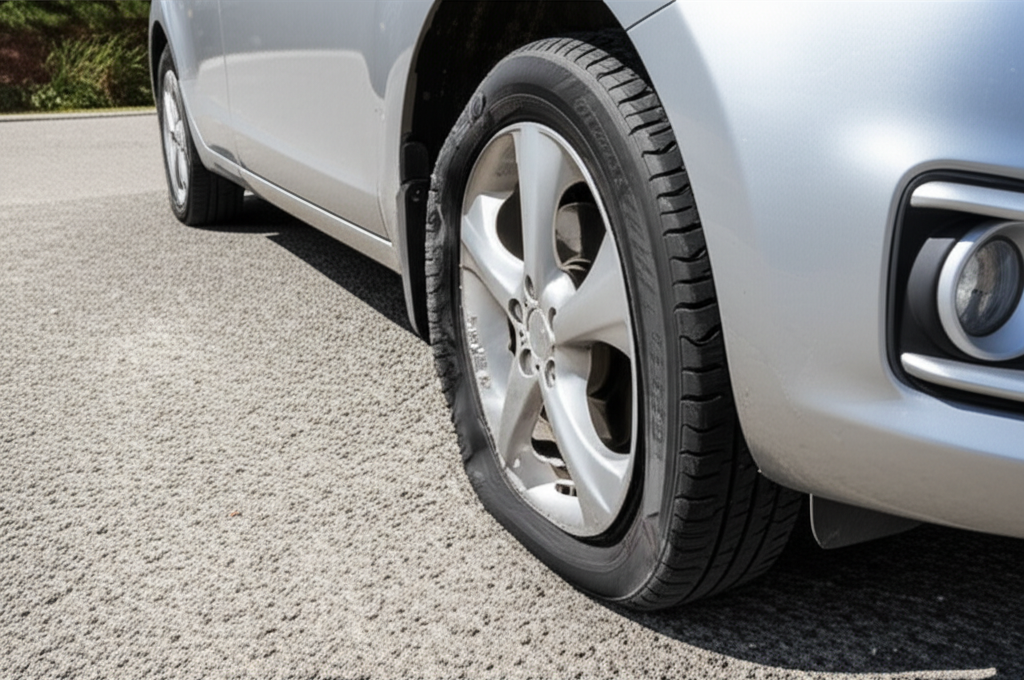
Yes, generally flat tires are NOT covered under a new car warranty unless caused by a manufacturing defect. Standard new car warranties cover issues arising from how the car was built, not from road hazards like nails or potholes. However, some tire-specific warranties or extended service contracts might offer coverage.
Getting a flat tire can feel like a mini-disaster, especially for new car owners. It’s an unexpected and often messy situation that can disrupt your day. You might be wondering if that expensive new car you just bought has your back when something like this happens. The good news is, understanding your warranty can bring some peace of mind. We’ll walk through exactly what your new car warranty typically covers regarding tires and what to do if you find yourself with a flat. Let’s get you prepared!
Understanding Your New Car Warranty and Tires
When you drive off the dealership lot in a shiny new car, it comes with a manufacturer’s warranty. This warranty is a promise from the carmaker to repair or replace parts that are defective due to manufacturing or faulty materials. It’s designed to protect you from unexpected breakdowns and costly repairs related to how the car was built. Think of it as a safety net for the core components of your vehicle.
However, this safety net has its limits, and tires are a prime example. Tires are considered wear-and-tear items. This means they are expected to degrade over time with normal use, similar to brake pads or windshield wipers. Because their lifespan is so dependent on how you drive, where you drive, and how you maintain them, manufacturers generally don’t cover them under the standard new car warranty if they get damaged by external factors.
So, what exactly does this mean for a flat tire? In most cases, a flat tire caused by a puncture from a nail, a sharp object on the road, or even hitting a deep pothole is considered a road hazard. These are external events that the manufacturer has no control over, and therefore, they aren’t typically covered by the standard warranty.
This can be a bit of a shock, especially if you’ve just invested a lot in a new vehicle. It’s important to remember that the warranty is focused on manufacturing defects, not on damage caused by external forces or normal wear and tear. But don’t worry, there are nuances and other types of coverage that might apply, and knowing these can save you a lot of hassle and money down the road.
What Your Standard New Car Warranty Typically Covers (and Doesn’t Cover) for Tires
Let’s break down what your new car warranty usually includes regarding your tires. It’s essential to differentiate between a manufacturing defect and damage from external causes.
Covered by Standard Warranty (Rare for Flats):

- Manufacturing Defects: This is the primary way a tire might be covered. If a tire has a flaw from the factory – for example, a weak spot in the sidewall that leads to a blowout, or uneven wear from a faulty tire construction – it might be covered. This is quite rare, as tire manufacturers have rigorous quality control.
- Defects in Wheel Alignment/Balancing: If your car’s alignment or balancing is off from the factory, it can cause premature and uneven tire wear, potentially leading to tire failure. In such cases, the alignment/balancing issue would be covered by the warranty, and possibly the resulting tire damage if it’s directly attributable to the manufacturing defect.
NOT Covered by Standard Warranty (Most Common Scenarios):
- Punctures: Nails, screws, glass, or any sharp object that pierces the tire tread or sidewall are considered road hazards.
- Sidewall Damage: Hitting curbs, debris, or potholes can tear or damage the sidewall, which is crucial for tire integrity. This is typically not covered.
- Impact Damage: Driving into potholes or over rough terrain can damage the tire structure or cause a flat.
- Improper Inflation: Running on underinflated or overinflated tires can lead to damage and premature wear, which is considered owner neglect and not a warranty issue.
- Misalignment/Imbalance (Caused by Driving): If you hit something that knocks your alignment out of whack, the resulting tire damage is usually not covered.
- Normal Wear and Tear: Tires naturally wear down over time. This is expected and not a warranty issue.
- Neglect/Abuse: Burnouts, racing, or other forms of abuse will void any potential tire warranty coverage.
It’s important to check your specific new car warranty booklet. The details can vary slightly between manufacturers. However, the general principle remains: the warranty covers defects in manufacturing, not damage from external road hazards or usage. For a flat tire, the cause is almost always the key to whether warranty coverage might apply.
When Tires Might Be Covered: Beyond the Standard Warranty
While your standard new car warranty is unlikely to cover a simple flat tire, there are other avenues and protections that might come into play. Understanding these can help you navigate the situation and potentially save money.
1. Tire-Specific Warranties
Many new cars come equipped with tires that have their own manufacturer’s warranty, separate from the car manufacturer’s warranty. Tire manufacturers often offer:
- Road Hazard Protection: This is the golden ticket for flat tires! Many tire brands, especially premium ones, include a road hazard warranty for a certain period or mileage. This specifically covers damage from punctures, cuts, and impacts. You’ll usually need to provide proof of purchase and the damaged tire.
- Treadwear Warranty: This guarantees the tire will last for a certain number of miles. If it wears out significantly before that mileage due to a defect, you might get a prorated replacement. This doesn’t directly cover flats but is related to tire longevity.
- Workmanship and Materials Warranty: Similar to the car warranty, this covers defects in how the tire was made.
Important Note: Always check the documentation that came with your tires. Often, these warranties require you to maintain proper tire inflation and rotate your tires regularly.
2. Dealership or Manufacturer Tire Protection Plans
When you buy a new car, the dealership might offer an optional tire and wheel protection plan. These are essentially service contracts that can cover:
- Tire repair or replacement due to road hazards (nails, glass, potholes).
- Wheel damage from road hazards.
- Sometimes, even mounting, balancing, and valve stems.
These plans come at an additional cost, but if you live in an area with poor road conditions or frequently travel on less-than-perfect roads, they can be a worthwhile investment. If you purchased such a plan, this is your primary route for getting a flat tire covered.
3. Manufacturer’s Roadside Assistance
Most new cars come with a period of roadside assistance. While this usually doesn’t cover the cost of a new tire or repair, it can be incredibly helpful in a pinch:
- Towing: If your spare tire is also flat or you don’t have one, roadside assistance can tow your car to the nearest repair facility.
- Tire Change Service: If you have a usable spare tire, roadside assistance can often send someone to change the flat tire for you.
Tip: Keep the roadside assistance number handy! It’s usually in your owner’s manual or a separate card provided by the dealer.
4. Extended Service Contracts
Some extended service contracts that cover your vehicle’s mechanical components might also include tire coverage, especially if the tire damage is a consequence of a covered mechanical failure (e.g., a failing suspension component causes a tire to blow out). However, this is less common for direct road hazard damage.
How to Check If Your Flat Tire is Covered
So, you’ve got a flat. Before you panic or start spending money, here’s a systematic way to figure out if coverage applies:
- Identify the Cause: Carefully examine the damaged tire. Is there a nail or screw embedded? Is the sidewall torn? Was it a slow leak or a sudden blowout? The cause is the biggest clue.
- Consult Your Owner’s Manual: Find the section on the vehicle warranty and tires. It will detail what is and isn’t covered. Pay close attention to any specific tire warranty information.
- Check Tire Manufacturer’s Warranty: Look for any paperwork or branding on the tire itself that indicates the tire manufacturer. Visit their website or call their customer service to inquire about their specific warranty terms, especially for road hazard protection.
- Review Your Purchase Documents: Did you buy an optional tire and wheel protection plan? Dig out those papers. This plan would be your primary resource.
- Contact Your Dealership: If you’re unsure, call the service department at the dealership where you purchased the car. Explain the situation and ask if they believe it falls under any warranty or protection plan you might have. Be prepared to provide details about the damage.
What to Do When You Get a Flat Tire (Step-by-Step Guide)
Dealing with a flat tire can be stressful, but following these steps will help you handle it safely and efficiently. Remember, safety first!
Step 1: Find a Safe Place to Pull Over
As soon as you notice the tire is flat or hear a flapping sound, resist the urge to brake hard. Instead, ease off the accelerator and firmly grip the steering wheel. Slowly and safely steer the car off the road. Look for a level, stable surface away from traffic, like a parking lot, a wide shoulder, or a quiet side street. Avoid soft ground or inclines, as this can make changing the tire difficult and potentially unsafe.
Why this is important: Pulling over safely prevents further damage to your wheel rim and avoids dangerous situations with oncoming traffic.
Step 2: Turn on Hazard Lights and Engage Parking Brake
Once you’re safely stopped, turn on your hazard lights immediately. This alerts other drivers to your presence, especially if visibility is poor. Then, engage the parking brake firmly. If your car has an automatic transmission, put it in “Park.” If it’s a manual, put it in first gear or reverse. This ensures the car won’t roll while you’re working on it.
Why this is important: Hazard lights increase your visibility to other drivers, and the parking brake prevents the car from moving, which is crucial for safety during a tire change.
Step 3: Gather Your Tools and Spare Tire
Most cars come equipped with a spare tire (often a smaller “donut” spare), a jack, and a lug wrench. These are usually located in the trunk, under the cargo floor, or sometimes mounted underneath the vehicle. Consult your owner’s manual to find their exact location and how to access them. Ensure you have all three items.
Why this is important: You need these specific tools to safely lift your car and remove the flat tire.
Step 4: Loosen the Lug Nuts
Before you lift the car, use the lug wrench to loosen the lug nuts on the flat tire. Turn them counter-clockwise. They might be tight, so you may need to use your body weight. Loosen them only about a half to a full turn – just enough to break them free. Do not remove them completely yet.
Why this is important: If you try to loosen the lug nuts after the wheel is in the air, the wheel will just spin, making it impossible to loosen them. Loosening them while the tire is on the ground provides the necessary friction.
Step 5: Position and Operate the Jack
Locate the designated jacking point on your car’s frame nearest to the flat tire. Your owner’s manual will show you the exact spot. It’s usually a reinforced piece of metal. Position the jack securely under this point. Once positioned, slowly and steadily crank the jack to raise the vehicle. Lift the car until the flat tire is completely off the ground, with enough clearance to remove it and install the inflated spare.
Why this is important: Using the correct jacking point ensures the jack is stable and won’t damage your car. Lifting the car high enough allows the flat tire to be removed and the spare to be installed without the flat tire rubbing on the ground.
Step 6: Remove the Lug Nuts and Flat Tire
Now that the tire is off the ground, finish unscrewing the lug nuts completely by hand. Keep them together in a safe place (like a pocket or hubcap) so you don’t lose them. Once all lug nuts are removed, grip the flat tire firmly with both hands and pull it straight toward you. It might be heavy. Lay the flat tire on its side under the car, near the jacking point, as an extra safety measure in case the jack fails.
Why this is important: Keeping the lug nuts together prevents them from rolling away. Placing the flat tire under the car adds a layer of safety if the jack were to malfunction.
Step 7: Mount the Spare Tire
Pick up the spare tire and align the holes with the wheel studs. Push the spare tire onto the studs as far as it will go. It should sit flush against the hub.
Why this is important: Properly aligning the spare tire ensures it’s mounted correctly and securely.
Step 8: Hand-Tighten the Lug Nuts
Put the lug nuts back onto the studs and tighten them by hand as much as you can. Tighten them in a star pattern (opposite nuts) to ensure the wheel is seated evenly. This will help prevent the wheel from wobbling.
Why this is important: Hand-tightening first ensures the lug nuts are properly threaded and prevents cross-threading. The star pattern ensures the wheel is mounted squarely against the hub.
Step 9: Lower the Car and Fully Tighten Lug Nuts
Slowly lower the car using the jack until the spare tire is firmly on the ground, but the car’s full weight is not yet on it. Now, use the lug wrench to tighten the lug nuts securely, again using the star pattern. Give them a good, firm tightening. Once they are all tight, lower the car completely to the ground. Remove the jack. With the car’s full weight on the tire, give the lug nuts one final, strong tightening with the lug wrench.
Why this is important: Tightening the lug nuts while the tire has some ground contact (but not full weight) prevents the wheel from spinning as you tighten. The final tightening with the car’s full weight ensures they are secure.
Step 10: Stow Gear and Check Spare Tire Pressure
Put the flat tire, jack, and lug wrench back into their storage locations in your car. If you used the flat tire as a safety block, retrieve it. Check the air pressure in the spare tire as soon as possible. Donut spares often require higher pressure (usually 60 psi) than regular tires. You can find the recommended pressure on the sidewall of the spare tire or in your owner’s manual. Most gas stations have air pumps.
Why this is important: Properly stowing your gear keeps your car tidy and ensures you have everything for the next time. Correct spare tire pressure is crucial for safe driving and to prevent further damage.
Step 11: Get Your Flat Tire Repaired or Replaced
Spare tires, especially donut spares, are temporary solutions. They are not designed for high speeds or long distances. Drive cautiously and adhere to the speed limit indicated on the spare tire (usually 50 mph or 80 km/h). Head to a tire shop or mechanic as soon as possible to have your flat tire repaired or replaced. If the puncture is in the tread and not too large, it can often be repaired. If the sidewall is damaged or the puncture is too big, you’ll need a new tire.
Why this is important: Driving on a spare for too long or at high speeds can be dangerous and damage your car’s drivetrain or suspension. Professional repair or replacement ensures your car is safe to drive.
Resources for Tire Information and Assistance
Navigating tire issues can be daunting, but there are reliable resources available to help:
- Your Vehicle Manufacturer’s Website: Most manufacturers have extensive sections on their websites dedicated to owner’s manuals, warranty information, and roadside assistance programs.
- Tire Manufacturer Websites: Brands like Michelin, Goodyear, Bridgestone, Continental, etc., provide detailed information on their specific tire warranties, including road hazard coverage and recommended maintenance.
- National Highway Traffic Safety Administration (NHTSA): For general information on tire safety, recalls, and maintenance, the NHTSA is a valuable government resource. Visit NHTSA Tire Safety.
- Automotive Industry Association of Canada (AIAC) / Tire Industry Association (TIA): Industry bodies often provide consumer guides and best practices for tire care and maintenance.
- AAA (American Automobile Association): If you’re a member, AAA offers extensive roadside assistance services, including tire changes and towing. Even if not
Latest posts by mahmudul kabir (see all)- Are Car Paint Jobs Expensive? Proven Cost Factors - September 1, 2025
- Are Car Paint Pens Any Good? Proven Results! - September 1, 2025
- Are Car Paint Jobs Expensive? Essential Costs - September 1, 2025