
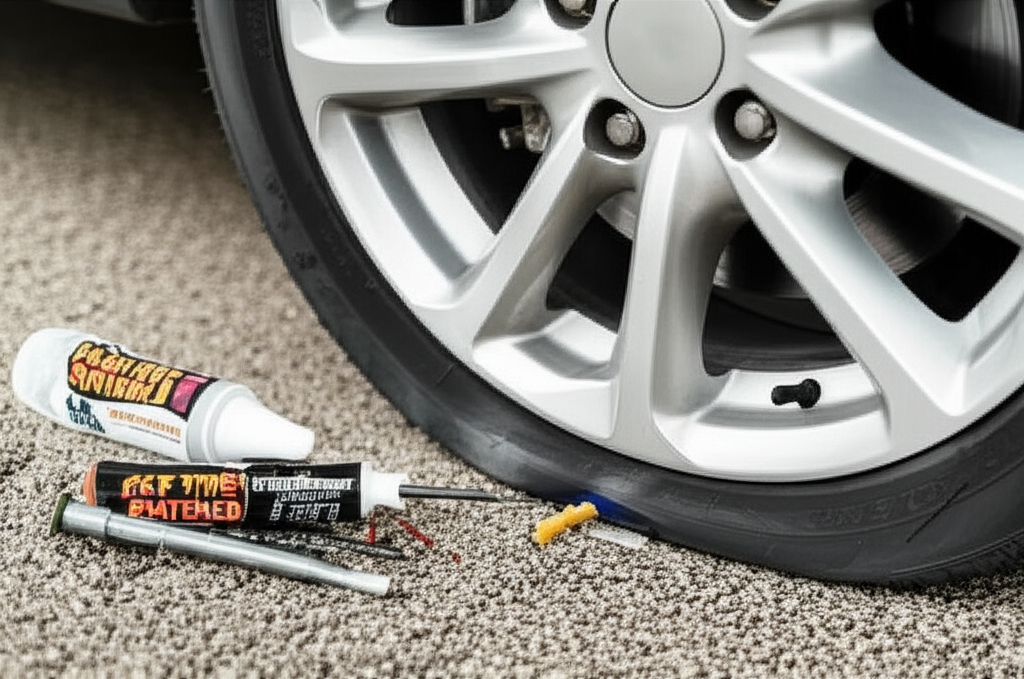
Yes, a flat tire can often be patched, and it’s a common, reliable fix for minor punctures. Learning to patch a flat tire yourself can save you time and money, getting you back on the road safely. This guide provides a step-by-step process for patching a flat tire, making it easy for beginners.
Getting a flat tire is never fun. It can happen to anyone, anywhere, and often at the most inconvenient times. That sinking feeling when you see your tire is flat, or the unsettling wobble as you drive, can be stressful, especially if you’ve never dealt with it before. But don’t worry! Most flat tires aren’t the end of the world, and often, they can be fixed with a simple patch. This guide will walk you through the process, step-by-step, so you can confidently tackle a flat tire and get back to your day.
What You’ll Need to Patch a Flat Tire
Before you dive into patching your flat tire, it’s essential to gather the right tools. Having everything ready will make the process smoother and more efficient. Think of this as your flat tire repair kit!
- Spare Tire: A fully inflated spare tire is crucial. It’s your temporary solution while you patch the damaged tire.
- Jack: This is the tool that lifts your car off the ground, allowing you to remove the flat tire. Your car’s manual will show you where to find it and how to use it safely.
- Lug Wrench: This tool is used to loosen and tighten the lug nuts that hold your wheel in place.
- Tire Patching Kit: These kits are readily available at auto parts stores and usually include:
- Rubber Cement/Vulcanizing Fluid: This acts as an adhesive to bond the patch to the tire.
- Rubber Patches: These are specially designed patches that create a strong, airtight seal.
- Tire Reamer/Rasp: A tool to roughen up the area around the puncture for better adhesion.
- Inflation Needle/Plug Insertion Tool: Used to insert the patch or plug into the tire.
- Tire Pressure Gauge: To ensure your spare and repaired tire are at the correct pressure.
- Gloves: To keep your hands clean and protected.
- Work Light or Flashlight: Essential if you’re working in low-light conditions.
- Wheel Chocks or Bricks: To prevent the car from rolling while it’s jacked up.
- Owner’s Manual: Always a good reference for specific instructions related to your vehicle.
Step-by-Step Guide: How to Patch a Flat Tire
Patching a flat tire is a manageable DIY task. Follow these steps carefully, and remember to prioritize safety at every stage.
Step 1: Find a Safe Location

As soon as you realize you have a flat tire, the first and most important step is to find a safe place to pull over. Ideally, this is a flat, stable surface, well away from traffic. A parking lot or a wide shoulder is perfect. Avoid stopping on soft ground or a slope, as this can make jacking up the car unstable and dangerous. Turn on your hazard lights to alert other drivers.
Step 2: Secure the Vehicle
Once you’re in a safe spot, engage your parking brake firmly. If you have wheel chocks or even heavy rocks or bricks, place them around the wheel diagonally opposite the flat tire. For example, if your front right tire is flat, place chocks behind the rear left wheel. This is a critical safety measure to prevent the car from rolling while it’s lifted.
Step 3: Remove the Hubcap or Wheel Cover (If Applicable)
Some cars have hubcaps or wheel covers that need to be removed before you can access the lug nuts. They might pop off with a bit of force, or you might need a lug wrench or a flathead screwdriver to pry them off gently. Check your owner’s manual if you’re unsure.
Step 4: Loosen the Lug Nuts
Using your lug wrench, turn the lug nuts counter-clockwise to loosen them. Do not remove them completely yet! Just loosen them about half a turn to a full turn. You’ll likely need to apply some force. If they’re very tight, you might need to use your foot to press down on the wrench. Loosening them while the tire is still on the ground prevents the wheel from spinning when you try to loosen them. It’s much easier to break them loose while the tire has friction with the ground.
Step 5: Position the Jack and Lift the Vehicle
Consult your owner’s manual to find the correct jacking point for your vehicle. These are reinforced areas on the car’s frame designed to support the weight. Improperly jacking the car can cause damage. Once the jack is correctly positioned, slowly crank it to lift the vehicle until the flat tire is completely off the ground, with enough clearance to remove it. Ensure the jack remains stable and vertical throughout the lifting process.
Step 6: Remove the Lug Nuts and the Flat Tire
Now that the tire is off the ground, you can fully unscrew the lug nuts you loosened earlier. Keep them in a safe place, like your pocket or a small container, so you don’t lose them. Once all the lug nuts are off, grip the flat tire firmly and pull it straight towards you. It might be a bit heavy, so be prepared. Lay the flat tire on its side under the vehicle near the jack as an extra safety precaution in case the jack fails.
Step 7: Locate the Puncture
This is where you’ll need your tire patching kit. Inspect the flat tire to find the puncture. If it’s a simple nail or screw hole, you’ll usually find it on the tread. If you can’t see it, you might need to inflate the tire slightly and listen for air escaping, or even submerge the tire in water to look for bubbles. For this guide, we’ll assume you’ve found a clear puncture, like a nail hole.
Step 8: Prepare the Puncture Area
Take the tire reamer or rasp from your kit. Insert it into the puncture hole and work it up and down several times. This step is vital because it cleans out the hole and roughens the rubber around it, creating a better surface for the patch to adhere to. This makes the repair more durable.
Step 9: Apply the Rubber Cement
Apply a generous amount of the rubber cement (vulcanizing fluid) to the area around the puncture, covering a slightly larger area than your patch. Also, apply some inside the puncture hole. Let the cement become tacky – this usually takes a few minutes. This allows the chemicals to bond properly with the tire rubber.
Step 10: Insert the Patch
Take a rubber patch from your kit. Some patches come with a protective backing that you’ll need to peel off. Carefully insert the pointed end of the insertion tool into the puncture hole. Then, thread the patch onto the insertion tool. Follow your kit’s specific instructions for how to attach the patch to the tool. Once the patch is securely on the tool, push the tool and the patch firmly into the puncture hole until the patch is fully seated. The goal is to get the patch as deep and centered as possible.
Step 11: Remove the Insertion Tool
Once the patch is in place, carefully and slowly pull the insertion tool straight out. The patch should remain in the tire, sealing the hole. If the patch comes out with the tool, you’ll need to repeat steps 8-10.
Step 12: Inflate the Tire
Now, use your air compressor or pump to inflate the tire to the recommended pressure. You can find the correct tire pressure on the sticker inside your driver’s side doorjamb or in your owner’s manual. Use your tire pressure gauge to check the pressure and add air as needed.
Step 13: Check for Leaks
After inflating the tire, it’s crucial to check for leaks. You can do this by spraying soapy water around the patched area. If you see any bubbles forming, it means there’s still a leak, and the patch may not have sealed properly. If this happens, you might need to repeat the patching process or consider a professional repair.
Step 14: Reinstall the Tire and Lower the Vehicle
Once you’re confident the patch is holding, carefully place the repaired tire back onto the wheel hub. Screw the lug nuts back on by hand as tightly as you can. Then, use the lug wrench to snug them up further in a star pattern (tighten one, then the one opposite it, and so on). This ensures the wheel is seated evenly. Slowly lower the vehicle using the jack until the tire is resting firmly on the ground. Remove the jack.
Step 15: Final Tightening of Lug Nuts
With the car back on the ground, give the lug nuts a final tightening with the lug wrench, again using the star pattern. This ensures they are secure. It’s important to tighten them as much as you can, but avoid over-tightening, which can strip the threads.
Step 16: Replace Hubcap and Stow Equipment
If you removed a hubcap or wheel cover, put it back on. Stow your flat tire, jack, lug wrench, and any other tools back in their designated spots in your car. Don’t forget to remove any wheel chocks you used.
Step 17: Check Tire Pressure Again and Visit a Professional
After driving a short distance (a few miles), stop and re-check the tire pressure. Also, give the lug nuts another quick check for tightness. It is highly recommended to visit a professional tire shop as soon as possible. While a patch can be a temporary or even a long-term solution for minor punctures, a professional can inspect the tire more thoroughly for any internal damage and ensure the patch is applied correctly for maximum safety and longevity. They can also advise if the tire is suitable for a permanent repair.
When Can a Flat Tire Be Patched?
Not all flat tires are repairable with a simple patch. The effectiveness of a patch depends on the location and size of the puncture. Here’s a breakdown:
- Tread Area Punctures: Small punctures (less than ¼ inch in diameter) caused by nails, screws, or other sharp objects in the tire’s tread are generally patchable.
- Sidewall Damage: Punctures or cuts on the tire’s sidewall are almost never repairable. The sidewall flexes significantly, and a patch in this area is unlikely to hold and can be a major safety hazard.
- Large Cuts or Tears: If the puncture is a large cut, a tear, or a blowout, the tire’s structural integrity is compromised, and it cannot be safely patched.
- Run-Flat Damage: Tires that have been driven on while completely flat (run-flat tires) may have internal damage that is not visible from the outside, making them unpatchable.
The Rubber Manufacturers Association (RMA) provides guidelines on tire repair, emphasizing safety and proper procedures. You can find more information on their website.
Patch vs. Plug: What’s the Difference?
You might hear about tire plugs in addition to patches. While both aim to seal a puncture, they are different:
| Feature | Tire Patch | Tire Plug |
|---|---|---|
| Application | Applied from the inside of the tire. | Inserted from the outside of the tire. |
| Method | Requires dismounting the tire from the wheel. | Can often be done without removing the tire. |
| Durability | Generally considered more durable and reliable for long-term repairs. | Often seen as a temporary fix, though some modern plugs are quite robust. |
| Tools Needed | Jack, lug wrench, tire tools, patching kit (cement, patch, insertion tool). | Pliers (to remove the object), reamer, plug insertion tool, plug material. |
While a plug is quicker and easier for a roadside repair, a patch applied correctly from the inside is generally preferred for a more permanent and safer fix. Many professional tire shops use a combination patch-plug that seals from the inside and has a plug to fill the hole from the outside.
Tips for a Successful Tire Patching
- Always check the tire manufacturer’s recommendations for repairability. Some manufacturers have specific guidelines.
- Use a quality patching kit. Cheap kits may not provide a reliable seal.
- Take your time. Rushing the process can lead to mistakes and a faulty repair.
- Ensure the tire is cool before attempting a repair, especially if you’ve just driven on it.
- Don’t try to patch a tire that has been driven on extensively while flat. Internal damage may have occurred.
- Always get a professional inspection after a DIY patch.
When to Call for Professional Help
While this guide empowers you to patch a flat tire, there are times when professional assistance is the best and safest option:
- Sidewall Damage: As mentioned, sidewall punctures or cuts are not safe to repair.
- Large Punctures: If the hole is larger than a quarter-inch, it’s usually too big for a reliable patch.
- Multiple Punctures: If a tire has several puncture marks, it might be compromised.
- Uncertainty: If you’re unsure about the cause of the flat, the location of the puncture, or the repair process, it’s always best to err on the side of caution and call a professional.
- Lack of Tools or Safe Space: If you don’t have the necessary tools or cannot find a safe, level place to perform the repair, roadside assistance or a tow truck is your best bet.
Many roadside assistance programs and insurance policies cover tire changes and roadside repairs. It’s worth checking your coverage.
Frequently Asked Questions (FAQ)
Q1: Can I drive on a patched tire permanently?
A: While a properly applied patch can be a durable repair, it’s generally recommended as a temporary solution or for short-term use. It’s best to have a professional inspect the tire after a DIY patch. They can confirm if it’s safe for long-term driving or if the tire needs to be replaced. Driving on a patched tire for extended periods without professional inspection carries some risk, as internal damage might not be visible.
Q2: How long does a tire patch typically last?
A: A well-executed patch from a reputable kit can last for the remaining life of the tire, provided the puncture was in the tread area and within the repairable limits. However, factors like the quality of the patch, the skill of the installer, and the type of driving can affect its longevity. Professionals often use a combination patch-plug that is very reliable.
Q3: What is the maximum size puncture that can be patched?
A: Most professional tire repair guidelines, including those from the Rubber Manufacturers Association (RMA), state that punctures up to 1/4 inch (approximately 6mm) in diameter in the tread area are typically repairable. Anything larger, or any damage to the sidewall or shoulder, usually means the tire needs to be replaced.
Q4: Is it safe to patch a tire myself?
A: Yes, it can be safe to patch a tire yourself if the puncture is minor and located in the tread area, and you follow the steps correctly. However, safety is paramount. If you are unsure about any step, lack the proper tools, or are in an unsafe location, it’s always safer to call for professional roadside assistance. Improperly patching a tire can lead to a blowout or further damage.
Q5: What’s the difference between a patch and a plug?
A: A tire patch is applied from the inside of the tire and seals the puncture from within, offering a more robust and permanent repair. A tire plug is inserted from the outside and is often considered a quick, temporary fix. While plugs are faster, patches are generally considered safer and more reliable for long-term use.
Q6: Can I patch a tire that has been driven on while flat?
A: Driving on a flat tire, even for a short distance, can cause significant internal damage to the tire’s structure, even if the puncture itself seems small. This internal damage is often not visible from the outside. Because of this risk, most professionals will not repair a tire that has been run flat, as it can be unsafe. It’s best to replace tires that have been driven on while deflated.
Q7: Where can I buy a tire patching kit?
A: You can find
- Are Car Paint Jobs Expensive? Proven Cost Factors - September 1, 2025
- Are Car Paint Pens Any Good? Proven Results! - September 1, 2025
- Are Car Paint Jobs Expensive? Essential Costs - September 1, 2025