
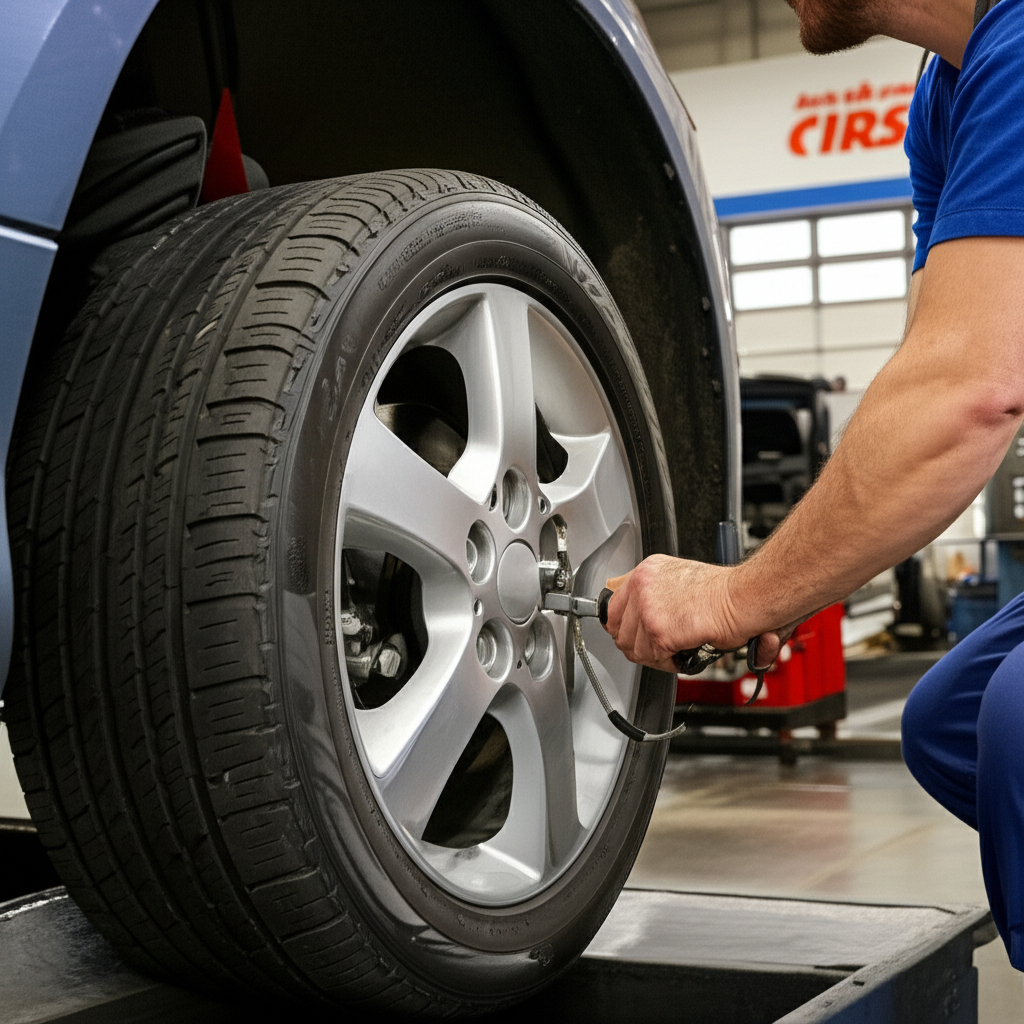
Yes, Costco does fix flat tires, but with specific requirements. You’ll need to be a Costco member, and the tire must be repairable according to industry standards. They typically won’t repair sidewall damage or large punctures.
Getting a flat tire can feel like a major setback, especially when you’re not sure what to do next. It’s a common problem that can happen to anyone, at any time, and it often brings a wave of worry. Will you be stranded? How much will it cost to fix? If you’re a new car owner or just not very handy with car mechanics, the thought of dealing with a flat can be daunting. But don’t let it stress you out! This guide is here to walk you through everything you need to know about getting your flat tire fixed, with a special look at what Costco offers. We’ll break down the process into simple, easy-to-follow steps, so you can get back on the road safely and confidently.
Does Costco Fix Flat Tires? Your Essential Guide
As a car owner, encountering a flat tire is almost an inevitability. It’s an inconvenient truth of driving, but knowing how to handle it can turn a potentially stressful situation into a manageable one. Many drivers, particularly those new to car ownership, wonder about the services available to them, and Costco is a name that often comes up. Many people are familiar with Costco’s tire center for purchasing new tires, but what about repairs?
The good news is that Costco does offer flat tire repair services, but there are a few important conditions you need to be aware of. This service is exclusively for Costco members, and the tire must meet specific repairability standards. Understanding these criteria upfront can save you a trip and disappointment. This guide will not only clarify Costco’s flat tire repair policy but also equip you with the knowledge of what makes a tire repairable, what to do if your tire isn’t fixable at Costco, and the general process of getting a tire repaired.
Understanding Tire Repairability: What Makes a Flat Fixable?
Before you head to Costco or any tire shop, it’s crucial to understand what makes a flat tire repairable. Not all punctures can be safely fixed. Tire manufacturers and industry standards have clear guidelines to ensure your safety on the road. Generally, a tire can be repaired if:
- The puncture is in the tread area only. This is the part of the tire that makes contact with the road.
- The puncture is relatively small, typically no larger than a quarter of an inch in diameter.
- There are no signs of sidewall damage, such as cuts, bulges, or cracks. The sidewall is the part of the tire between the tread and the wheel rim.
- The tire has not been driven on while flat for an extended period. Driving on a flat tire can cause internal damage that is not visible from the outside, making it unsafe to repair.
Why is this important? The tread area is designed to withstand pressure and road contact. The sidewall, however, is much thinner and more flexible. Damage to the sidewall compromises the structural integrity of the tire, and attempting to repair it could lead to a sudden blowout, which is extremely dangerous. Driving on a flat tire can also push debris further into the tire, creating more damage and making it unrepairable. It can also damage the tire’s internal structure, including the steel belts and cords, even if the puncture itself seems small.
To get a better understanding of tire repair guidelines, you can refer to standards set by organizations like the Tire Industry Association (TIA).
Costco’s Flat Tire Repair Policy: What You Need to Know
Costco’s Tire Centers are a popular destination for tire purchases due to their competitive pricing and included services like installation, rotation, and balancing. They also extend their services to flat tire repairs for their members. However, their policy is specific:
- Membership Required: You must be an active Costco member to utilize their tire services, including flat repairs.
- Tire Purchase History: Typically, Costco’s tire centers will only repair tires that were purchased from Costco. This is a common practice among many tire retailers.
- Repairable Conditions: Costco technicians will adhere to industry standards for tire repairability. If your tire has sidewall damage, a puncture in the sidewall, or a puncture larger than a quarter inch in the tread, they will likely not be able to repair it.
- No Sidewall Repairs: As mentioned earlier, sidewall damage is a definite no-go for repair.
- No Plug-Patch for Sidewall Issues: While some shops might use a plug-patch combination, sidewall damage is universally considered unrepairable.
Why the strict policy? Costco, like any reputable business, prioritizes safety and liability. By limiting repairs to tires purchased from them and adhering to strict repairability guidelines, they ensure that their technicians are working with tires they are familiar with and that the repairs meet established safety standards. This also helps manage their inventory and service workflow efficiently.
What to Do If Costco Cannot Repair Your Tire
If you arrive at Costco with a flat tire and they determine it’s not repairable according to their policy, don’t panic. There are still several options available:
- Purchase a New Tire from Costco: If you purchased your tires from Costco, and they deem the flat unrepairable, they will likely offer to sell you a replacement tire. This is often a good option if your tires are nearing the end of their lifespan anyway.
- Visit Another Tire Shop: Many independent tire shops and other tire retailers (like Discount Tire, Pep Boys, or Firestone) also offer flat tire repair services. They may have slightly different policies regarding where the tire was purchased, but they will still adhere to safety standards for repairability.
- Use Your Spare Tire: If you have a spare tire (either a full-size spare or a temporary “donut” spare), you can install it yourself or have it installed by a roadside assistance service. Remember that donut spares are not meant for long-term use or high speeds.
- Roadside Assistance: If you have a roadside assistance plan through your insurance, an auto club (like AAA), or your car manufacturer, they can often help you change the tire or tow your vehicle to a repair shop.
Important Note: If Costco cannot repair your tire, it’s essential to get it fixed or replaced promptly. Driving on a flat tire, even for a short distance, can cause irreparable damage to the tire and potentially to your vehicle’s wheel rim and suspension components. The U.S. Department of Transportation (DOT) also emphasizes the importance of proper tire maintenance for safety, which includes timely repairs or replacements.
The Flat Tire Repair Process at Costco (and Other Shops)
While specific procedures can vary slightly, the general process for repairing a flat tire at a professional shop like Costco is as follows:
Step 1: Assessment and Diagnosis
The technician will first inspect the damaged tire to determine the cause and location of the leak. They will look for punctures in the tread and check for any damage to the sidewall or bead area (the part of the tire that seals against the wheel rim). This is where they’ll decide if the tire is repairable according to industry standards.
Step 2: Tire Removal
If the tire is deemed repairable, the technician will use a tire-changing machine to safely remove the tire from the wheel rim. This allows for a thorough inspection of the tire’s interior.
Step 3: Interior Inspection and Preparation
This is a critical step. The technician will thoroughly inspect the inside of the tire. They are looking for any secondary damage, such as cuts, abrasions, or evidence that the tire was driven on while flat. The puncture area on the inside of the tread will be cleaned and buffed to prepare it for the repair material.
Step 4: Applying the Repair
A professional tire repair involves a combination of materials. The most common and recommended method is using a plug-patch. This is a single unit with a rubber patch on one side and a plug on the other. The plug is inserted from the inside through the puncture hole, and the patch adheres to the inner liner of the tire. This seals the puncture from both the outside and the inside, providing a durable and safe repair.
Why the plug-patch? A simple plug (inserted only from the outside) is considered a temporary fix and is not recommended for highway speeds or long-term use by most safety organizations. The plug-patch ensures a complete seal and reinforces the damaged area from the inside.
Step 5: Reinstallation and Balancing
Once the repair is complete, the tire is remounted onto the wheel rim using the tire-changing machine. The technician will then inflate the tire to the manufacturer’s recommended pressure. Crucially, the wheel assembly is then placed on a wheel balancer. This machine spins the wheel to identify any imbalances, and small weights are added to the rim to ensure the tire rotates smoothly and evenly. This prevents vibrations and uneven tire wear.
Step 6: Final Inspection and Reinstallation on Vehicle
The technician will give the repaired tire a final visual inspection. They will then reinstall the wheel onto your car, ensuring the lug nuts are tightened to the correct torque specification using a torque wrench. This is vital for wheel security.
Why balance is important: An unbalanced wheel can cause steering wheel shimmy, vibrations, and premature wear on your tires and suspension components. Balancing ensures a smooth and safe ride.
Tools You Might Need (If You’re Doing it Yourself or for Emergency Use)
While Costco’s professionals will handle the repair, knowing about the tools involved can be empowering. If you ever find yourself needing to change a tire yourself or in an emergency, you’ll want to have these on hand:
- Spare Tire: Ensure your spare tire is properly inflated and in good condition.
- Jack: This lifts your vehicle. Your car’s owner’s manual will show you the correct jacking points.
- Lug Wrench: Used to loosen and tighten the lug nuts that hold the wheel on.
- Owner’s Manual: Contains crucial information about your specific vehicle, including jacking points and tire pressure.
- Wheel Chocks: Blocks placed behind the wheels to prevent the car from rolling while it’s jacked up.
- Gloves: To keep your hands clean.
- Tire Pressure Gauge: To check the inflation of your spare and the repaired tire.
- Tire Repair Kit (Temporary): For emergencies, a plug kit can be used, but remember it’s a temporary fix.
Safety First! Always consult your vehicle’s owner’s manual for specific instructions on changing a tire. Never get under a car that is supported only by a jack.
Costco Tire Center Services: Beyond Flat Repairs
Costco’s Tire Centers offer a comprehensive suite of services that add significant value, especially if you purchase your tires there:
| Service | Description | Cost (Typically Included with Tire Purchase) |
|---|---|---|
| Tire Installation | Mounting and balancing new tires. | Included |
| Flat Tire Repair | Repairing punctures according to industry standards. | Included (for purchased tires, under specific conditions) |
| Tire Rotation | Moving tires to different positions on the vehicle to promote even wear. | Included |
| Nitrogen Inflation | Inflating tires with nitrogen for more stable pressure. | Included |
| Tire Balancing | Ensuring wheels are balanced for a smooth ride. | Included |
| New Valve Stems | Replacing rubber valve stems with new ones when tires are mounted. | Included |
Why is this a good deal? These included services can save you a considerable amount of money compared to paying for them separately at other shops. Tire rotation, in particular, is a key preventative maintenance step that can significantly extend the life of your tires.
When to Consider Replacing Tires Instead of Repairing
While repair is often possible, there are times when replacing a tire is the safer and more economical choice in the long run. Consider replacement if:
- Sidewall Damage: As repeatedly emphasized, any damage to the sidewall (cuts, cracks, bulges) means the tire must be replaced.
- Large Punctures: Punctures larger than a quarter-inch in diameter in the tread area are generally not repairable.
- Multiple Punctures: If a tire has already been repaired or has multiple puncture holes, it’s often best to replace it.
- Tire Tread Depth is Low: If your tire tread is worn down to the wear bars (typically 2/32 of an inch of tread remaining), it’s time for new tires, regardless of any punctures. Worn tires offer less grip and are more susceptible to further damage. You can check tread depth using a penny; if you can see the top of Lincoln’s head when inserted upside down into the tread groove, it’s time for replacement.
- Age of the Tire: Tires degrade over time, even if they have plenty of tread. The rubber can become brittle and prone to cracking. Most manufacturers recommend replacing tires that are 6–10 years old, regardless of wear. Check the DOT (Department of Transportation) code on the sidewall for the manufacturing date (the last four digits indicate the week and year of manufacture, e.g., “3221” means the 32nd week of 2021).
- Run-Flat Damage: If you drove on the tire for a significant distance while it was flat, internal damage may have occurred, making it unsafe to repair.
Tread Wear Indicators: Look for the small raised bars in the grooves of your tire tread. When the tread wears down to the level of these bars, the tire needs to be replaced.
For more information on tire maintenance and safety, the National Highway Traffic Safety Administration (NHTSA) provides excellent resources.
Frequently Asked Questions (FAQs) About Costco Flat Tire Repair
What is the cost of a flat tire repair at Costco?
For Costco members, flat tire repairs are typically free, provided the tire was purchased at Costco and meets their repairability standards. This is one of the significant benefits of buying tires from Costco.
Do I need an appointment to get a flat tire fixed at Costco?
While appointments aren’t always mandatory, it’s highly recommended to call your local Costco Tire Center ahead of time. They can advise you on their current wait times and whether they can accommodate your repair without a long wait, especially during busy periods.
Can Costco repair a tire with a screw in it?
Yes, if the screw is located in the tread area of the tire and the puncture is not too large (typically no more than a quarter-inch in diameter), Costco can usually repair a tire with a screw in it using a plug-patch. However, they will not repair sidewall punctures or damage.
What if my tire was not purchased at Costco? Can they still fix it?
Generally, Costco’s policy is to only repair tires that were purchased from a Costco Tire Center. If your tire was purchased elsewhere, they will likely not be able to perform the repair. In this case, you would need to visit another tire shop or use your spare.
How long does a flat tire repair take at Costco?
A standard flat tire repair, if the tire is deemed repairable and they are not overly busy, can take anywhere from 30 minutes to an hour. This includes the time for removal, repair, balancing, and reinstallation.
What should I do if I have a tire pressure monitoring system (TPMS) warning light on?
If your TPMS light is on, it indicates a potential issue with tire pressure. It could be a slow leak, a severely underinflated tire, or even a malfunctioning sensor. It’s best to check your tire pressures manually with a gauge. If you find a tire is significantly low, it may have a puncture that needs repair. Costco’s tire center can also diagnose TPMS issues and reset the system after a repair or inflation.
Can Costco repair a slow leak from the valve stem?
Costco typically replaces valve stems when mounting
- Are Car Paint Jobs Expensive? Proven Cost Factors - September 1, 2025
- Are Car Paint Pens Any Good? Proven Results! - September 1, 2025
- Are Car Paint Jobs Expensive? Essential Costs - September 1, 2025