
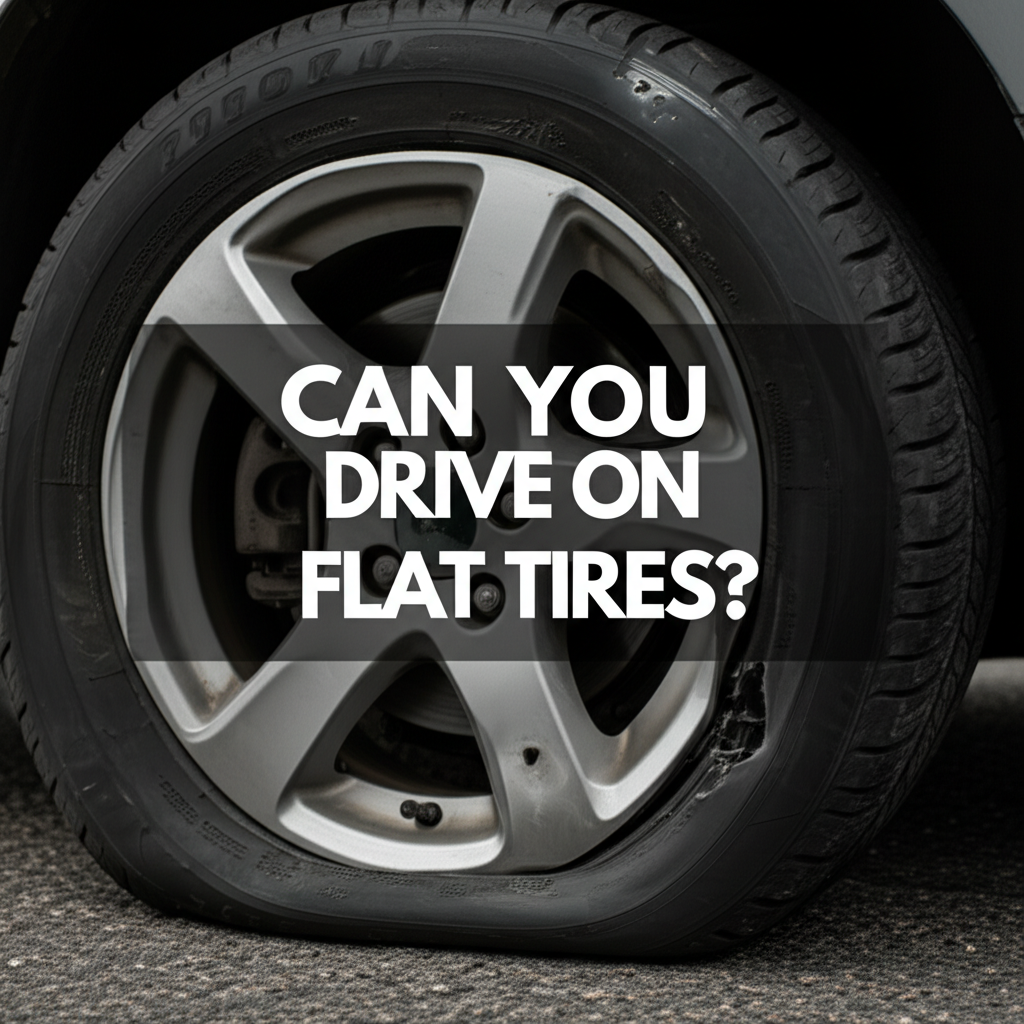
Can You Drive on Flat Tires? Your Essential Beginner’s Guide
Quick Summary: Driving on a flat tire is strongly discouraged and can cause significant damage to your vehicle and pose a safety risk. It’s best to pull over immediately and change the tire or call for roadside assistance.
Navigating a Flat Tire: What You Need to Know
Hitting a pothole or debris can lead to a flat tire, a situation that can feel incredibly stressful, especially if you’re new to driving or car maintenance. The good news is, you’re not alone! Many drivers have been in this exact situation, wondering what to do next. This guide is here to help you understand the risks involved and what your best options are when faced with a flat tire. We’ll walk you through everything you need to know to handle this common roadside issue safely and effectively.
The Big Question: Can You Drive on Flat Tires?
Let’s get straight to the point: No, you really shouldn’t drive on a completely flat tire. While your car might still move a short distance, doing so can lead to several serious problems. Think of your tires as the foundation of your car’s handling and safety. When one is compromised, everything else is affected.
Here’s a breakdown of why it’s a bad idea:
- Damage to the Tire: Driving on a flat tire will destroy it. The sidewall, which is crucial for supporting the vehicle’s weight, will likely be crushed and torn beyond repair.
- Wheel Rim Damage: Without the cushion of air, the metal wheel rim will be directly in contact with the road. This can bend or break your rims, which are much more expensive to replace than tires.
- Suspension and Alignment Issues: The uneven pressure and strain on your car’s suspension system can cause damage, leading to costly repairs down the line. It can also throw off your wheel alignment.
- Loss of Control: A flat tire significantly affects your car’s steering and braking. You might find it harder to control the vehicle, increasing the risk of an accident.
- Brake Problems: In some cases, a flat tire can interfere with the braking system, making it less effective.
So, even if you’re only a short distance from home or a repair shop, it’s crucial to avoid driving on a completely flat tire.
What About a Slow Leak or Slightly Low Tire?
This is a common point of confusion. If your tire has a slow leak or is just a bit low on air, you might be able to drive a short distance to a safe location or a service station. However, it’s essential to be cautious.
Signs of a slow leak include:
- A gradual decrease in tire pressure over a few days.
- Your car pulling slightly to one side.
- A faint hissing sound.
If you notice these signs, your best bet is to:
- Check the tire pressure with a tire pressure gauge. You can find the recommended pressure on a sticker inside your driver’s side doorjamb or in your owner’s manual.
- Inflate the tire to the correct pressure if possible. If the leak is slow, the tire might hold air long enough to get you somewhere safe.
- Listen and feel for any immediate issues while driving slowly. If the tire feels unstable or you hear loud noises, pull over immediately.
It’s always better to be safe than sorry. If you’re unsure, pull over and assess the situation.
What to Do When You Get a Flat Tire: A Step-by-Step Guide
Discovering a flat tire can be unnerving, but knowing what to do can make a big difference. Here’s a straightforward guide to help you manage the situation safely.
Step 1: Find a Safe Place to Pull Over

As soon as you realize you have a flat tire, the most important thing is to find a safe place to stop. This means getting off the road as much as possible, away from traffic. Look for a level surface, like a shoulder, parking lot, or quiet side street. Avoid stopping on hills or curves where visibility is poor for other drivers.
Why this is important: Safety first! Being on the side of a busy road is dangerous. A level spot makes changing the tire easier and safer.
Step 2: Turn on Your Hazard Lights
Once you’ve pulled over, immediately turn on your hazard lights (the flashing lights that signal a problem). This makes your vehicle more visible to other drivers, especially in low-light conditions or bad weather.
Why this is important: Visibility is key to preventing accidents. Hazard lights alert others that you are stopped and may be in a precarious position.
Step 3: Gather Your Tools
Most cars come equipped with the necessary tools to change a tire. You’ll typically find these in the trunk or under the cargo area. You’ll need:
- Spare Tire: Usually a smaller, temporary spare (often called a “donut”) or a full-size spare.
- Jack: Used to lift your car off the ground.
- Lug Wrench: Used to loosen and tighten the lug nuts that hold the wheel on.
Optional but recommended:
- Gloves
- Flashlight
- Wheel chocks (or sturdy blocks of wood/rocks)
- A small mat or piece of cardboard to kneel on
- Tire pressure gauge
Why this is important: Having all your tools ready before you start makes the process smoother and faster.
Step 4: Loosen the Lug Nuts
Before you lift the car, use the lug wrench to loosen the lug nuts on the flat tire. Turn them counter-clockwise. They might be tight, so you may need to use your body weight. Just loosen them about a half-turn to a full turn – don’t remove them completely yet.
Why this is important: Loosening the lug nuts while the tire is still on the ground prevents the wheel from spinning freely once the car is jacked up, making it much easier to loosen them.
Step 5: Position the Jack and Lift the Vehicle
Consult your owner’s manual to find the correct jacking point for your vehicle. There are specific reinforced areas on the car’s frame designed to safely support the weight of the car when using a jack. Place the jack securely under the designated spot near the flat tire.
Slowly crank the jack to raise the vehicle until the flat tire is completely off the ground, with enough clearance to remove it and put on the spare.
Why this is important: Using the correct jacking point ensures stability and prevents damage to your car’s frame. Lifting the car high enough is essential for removing the flat tire and installing the spare.
Step 6: Remove the Flat Tire
Now that the tire is off the ground, fully unscrew the lug nuts you loosened earlier. Keep them together in a safe place (like a pocket or hubcap) so you don’t lose them. Once the lug nuts are off, grip the flat tire firmly with both hands and pull it straight towards you. It might be heavy!
Why this is important: Keeping track of lug nuts is crucial; you’ll need them to attach the new tire. Removing the tire carefully ensures you don’t strain yourself.
Step 7: Mount the Spare Tire
Line up the holes in the spare tire with the wheel studs (the bolts sticking out from the car). Push the spare tire onto the studs until it sits flush against the hub. Then, put the lug nuts back on and tighten them by hand as much as you can, in a star pattern.
Why this is important: Hand-tightening the lug nuts ensures they are properly seated. The star pattern helps to seat the wheel evenly, preventing wobbling.
Step 8: Lower the Vehicle and Tighten Lug Nuts
Slowly lower the car by cranking the jack in the opposite direction. Once the tire is on the ground and the jack is removed, use the lug wrench to tighten the lug nuts firmly. Again, use the star pattern to ensure even pressure. Give them a good, solid tighten.
Why this is important: Lowering the car allows the tire to grip the ground, enabling you to tighten the lug nuts securely. The star pattern ensures the wheel is mounted straight and prevents it from coming loose while driving.
Step 9: Stow the Flat Tire and Tools
Put the flat tire, jack, and lug wrench back in your trunk or designated storage area. Don’t forget the lug nuts you might have set aside!
Why this is important: Keeping your car tidy and ensuring you have all your equipment back helps for future needs and keeps your trunk organized.
Step 10: Check Spare Tire Pressure and Drive Cautiously
If you have a spare tire, check its pressure as soon as possible. Temporary spares often require higher pressure than regular tires. Drive cautiously, as temporary spares have speed and distance limitations. You’ll typically see a speed limit (e.g., 50 mph) printed on the tire itself. Get your flat tire repaired or replaced promptly.
Why this is important: Following spare tire limitations ensures your safety and prevents further damage. Getting the original tire fixed or replaced is essential for normal driving.
Understanding Different Types of Spare Tires
Not all spare tires are created equal. Knowing what you have can help you understand its limitations.
Temporary Spare Tires (“Donuts”)
These are smaller and lighter than your regular tires. They are designed only for short-term use and have strict speed and distance limits. They are not meant for long highway drives or aggressive driving.
Full-Size Spare Tires
Some vehicles come with a full-size spare that is the same size and type as your regular tires. This is the most convenient option, as it allows you to drive normally until you can get your flat tire repaired.
Run-Flat Tires
These tires have reinforced sidewalls that allow you to drive for a limited distance (usually around 50 miles) at a reduced speed (typically up to 50 mph) even after losing all air pressure. They are designed to get you to a safe place or a tire shop. You will usually see a warning light on your dashboard if you have a flat with run-flat tires.
It’s crucial to check your vehicle’s owner’s manual to understand what type of spare tire you have and its specific limitations.
When to Call for Professional Help
While changing a tire yourself is a valuable skill, there are times when it’s better to call for professional assistance. Don’t hesitate to reach out if:
- You don’t have a spare tire or the necessary tools.
- You’re on a busy highway and feel unsafe changing the tire yourself.
- The lug nuts are too tight to loosen, or the jack is not working properly.
- You have a physical limitation that prevents you from changing the tire.
- You’re unsure about any part of the process.
Roadside assistance services (like AAA or those provided by your insurance company) can dispatch a professional to help you change the tire or tow your vehicle to a repair shop.
Remember, your safety is the top priority.
Can You Drive on a Flat Tire? The Verdict
To reiterate, driving on a completely flat tire is a recipe for disaster. It’s not a question of “if” something will go wrong, but “how badly” it will go wrong and how much it will cost to fix. The immediate damage to the tire and wheel can quickly escalate into more expensive repairs for your suspension, alignment, and potentially even your brakes.
The best course of action when you encounter a flat tire is to pull over safely, assess the situation, and either change it yourself using the spare or call for professional roadside assistance. Treat your tires with care, and they’ll help keep you safe on the road!
Regularly checking your tire pressure and inspecting your tires for wear and tear can help prevent unexpected flats. A good habit is to check your tire pressure at least once a month. You can find recommended tire pressures in your vehicle’s owner’s manual or on the sticker located on the driver’s side doorjamb.
For more information on tire maintenance and safety, you can check out resources from organizations like the National Highway Traffic Safety Administration (NHTSA).
Frequently Asked Questions (FAQs)
1. How far can I drive on a flat tire?
It is strongly advised that you do not drive on a completely flat tire at all. If you must move your vehicle a very short distance to a safer spot, do so at an extremely slow speed (e.g., crawling pace) and for the shortest distance possible. However, even a short distance can cause irreversible damage to your tire, wheel rim, and potentially your car’s suspension system.
2. What happens if I drive on a flat tire?
Driving on a flat tire will likely destroy the tire itself, damage the wheel rim, compromise your car’s suspension and alignment, and significantly impair your ability to steer and brake safely. This can lead to costly repairs and increase the risk of an accident.
3. Can I drive on a tire with a slow leak?
If you have a slow leak, you might be able to drive a short distance to a safe location or tire shop. However, it’s crucial to monitor the tire’s condition closely. Check the tire pressure regularly with a gauge. If the tire feels unstable, your car pulls to one side, or you hear unusual noises, pull over immediately and call for assistance. It’s best to get slow leaks repaired promptly.
4. What should I do if I don’t have a spare tire?
If you don’t have a spare tire, or if your spare is also damaged or unusable, your best option is to call for roadside assistance. Many roadside assistance providers can help you change the tire to a spare if you have one, or they can tow your vehicle to the nearest tire shop or mechanic.
5. How do I know if my spare tire is safe to use?
Check the spare tire’s air pressure before using it; it might require a different pressure than your regular tires. Also, inspect it for any visible damage, such as cracks or bulges. If it’s a temporary spare (“donut”), remember its speed and distance limitations (usually printed on the tire) and drive cautiously. If you’re unsure about its condition, it’s best to have a professional check it.
6. How long can I use a temporary spare tire?
Temporary spare tires, often called “donuts,” are not designed for long-term use. They typically have a speed limit of around 50 mph and a mileage limit of about 50-70 miles. Always check the tire’s sidewall for specific restrictions. Their purpose is to get you to a repair shop safely, not to replace your regular tires.
7. What if the lug nuts are too tight to remove?
If you’re struggling to loosen the lug nuts, don’t force it too much, as you could strip them or injure yourself. Ensure you’re using the lug wrench correctly and applying steady pressure. Sometimes, using your foot for leverage (carefully) can help. If they remain stuck, it’s best to call roadside assistance, as they have specialized tools and experience to handle stubborn lug nuts without damaging your vehicle.
- Are Car Paint Jobs Expensive? Proven Cost Factors - September 1, 2025
- Are Car Paint Pens Any Good? Proven Results! - September 1, 2025
- Are Car Paint Jobs Expensive? Essential Costs - September 1, 2025