
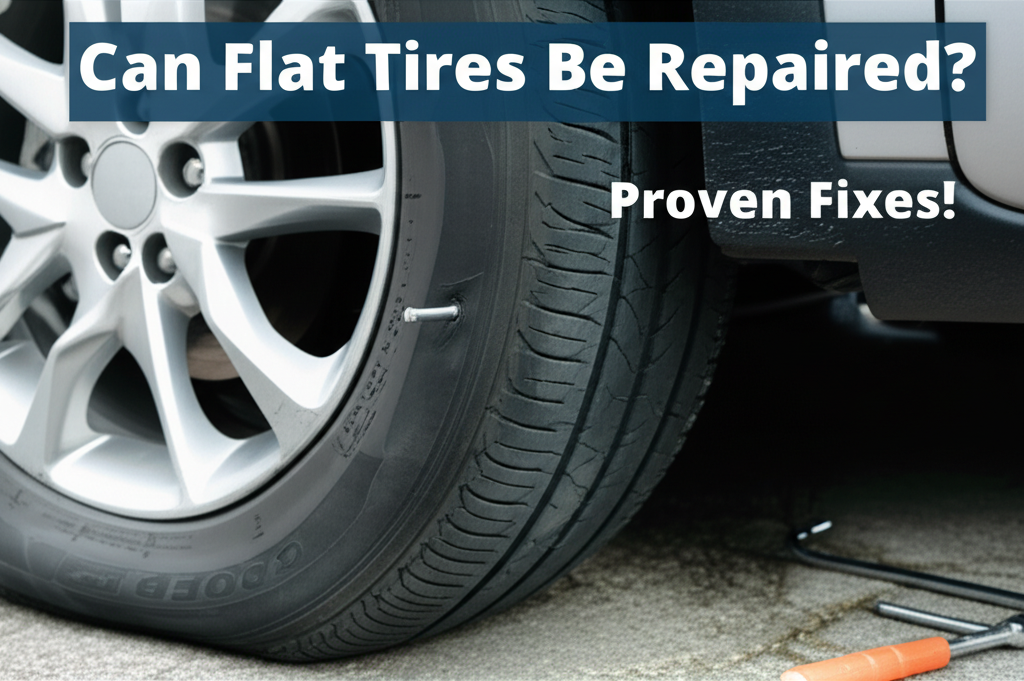
Yes, many common flat tires can be repaired safely and effectively, especially if the puncture is small and located on the tire’s tread. However, sidewall damage or large punctures often require tire replacement. Understanding when a tire is repairable is key to making a safe and cost-effective decision.
Getting a flat tire can feel like a major roadblock, especially if you’re new to driving or don’t have much experience with car maintenance. It’s a situation that can happen to anyone, anywhere, and it often happens at the most inconvenient times. The good news is, you don’t always need a brand-new tire. Many common tire issues can be fixed! We’re here to walk you through exactly what you need to know, step-by-step, so you can feel confident and prepared. Let’s dive into how flat tires are repaired and when it’s time for a new one.
Understanding Tire Damage: What Can Be Repaired?
When you encounter a flat tire, the first crucial step is determining if it’s a candidate for repair. Not all tire damage is created equal, and safety is always the top priority. Generally, tires with punctures in the tread area – the part that makes contact with the road – are repairable. These are typically caused by nails, screws, or other sharp objects.
However, damage to the tire’s sidewall (the part between the tread and the rim) is almost always unrepairable. The sidewall is a complex structure that flexes constantly as you drive. Any puncture, cut, or damage here compromises its integrity, making it unsafe to drive on, even after a repair attempt. Similarly, large punctures (generally over 1/4 inch in diameter) or tears in the tread are also beyond repair.
Here’s a quick guide to what’s typically repairable and what’s not:
| Type of Damage | Repairable? | Why? |
|---|---|---|
| Puncture in the tread area (nail, screw) | Yes, usually | The tread is a robust part of the tire, and proper repair methods can restore its integrity. |
| Small punctures (less than 1/4 inch) in the tread | Yes, highly likely | These are ideal for standard plug or patch repairs. |
| Tire sidewall damage (cuts, punctures, bulges) | No, never | The sidewall flexes significantly and cannot safely withstand the stress of a repair. |
| Large punctures or tears in the tread | No, usually | The damage is too extensive for a reliable and safe repair. |
| Damage to the tire bead (where the tire seals to the rim) | No, usually | This affects the tire’s ability to seal properly with the wheel, which is critical for safety. |
| Run-flat damage (driving on a completely flat tire for an extended period) | No, usually | Even if the initial puncture is small, driving on a flat can cause internal structural damage that is not visible. |
It’s always best to consult with a professional tire technician to confirm if your tire can be safely repaired. They have the expertise and equipment to make the final determination.
Common Tire Repair Methods
When a flat tire is deemed repairable, there are two primary methods used by professionals: the plug-patch and the patch-only repair. Both aim to create a secure and airtight seal.
1. The Plug-Patch Combination

This is the most common and often preferred method for repairing punctures in the tire tread. It’s a two-part process:
- Step 1: Inspect and Prepare the Puncture. The technician will first remove the object that caused the puncture (if it’s still lodged in the tire). They will then use a special reaming tool to clean and slightly enlarge the puncture hole. This step is crucial for ensuring the repair material can properly adhere and create a strong bond.
- Step 2: Insert the Plug. A sticky, rubbery material called a “plug” is inserted into the puncture from the outside of the tire using a special insertion tool. This plug fills the hole and creates an initial seal.
- Step 3: Apply the Patch from the Inside. The tire is then dismounted from the wheel, and the technician inspects the inner liner for any additional damage. A round or oval rubber “patch” is applied to the inner surface of the tire, directly over the repaired puncture. This patch is designed to bond permanently with the tire’s inner liner, providing a secondary, more robust seal and reinforcing the area.
- Step 4: Vulcanize and Reassemble. The patch and plug are then “vulcanized,” meaning they are bonded to the tire through heat and pressure, creating a permanent, airtight seal. The tire is then remounted on the wheel, balanced, and inflated.
Why this method is effective: The plug seals the hole from the outside, while the patch reinforces the inner liner, addressing the puncture from both sides for maximum security and longevity.
2. The Patch-Only Repair
This method is typically used for smaller punctures or cuts that haven’t penetrated too deeply into the tire’s structure. It involves:
- Step 1: Inspect and Prepare. Similar to the plug-patch method, the tire is inspected, and the puncture is cleaned and prepared.
- Step 2: Apply the Patch Internally. The tire is dismounted, and a specialized patch (often called a “patch-cured” or “radial patch”) is applied to the inner liner of the tire, covering the puncture. This patch is designed to create a durable, airtight seal.
- Step 3: Vulcanize and Reassemble. The patch is vulcanized to the tire, and the tire is then reinstalled on the wheel, balanced, and inflated.
Why this method is used: For very minor punctures, a strong internal patch can provide sufficient sealing without the need for an external plug, especially if the hole is very small and clean.
Important Note: While DIY tire repair kits are available, they are generally considered temporary fixes. For safety and reliability, it’s highly recommended to have tire repairs performed by a certified professional. The Rubber Manufacturers Association (RMA) provides guidelines on tire repair, emphasizing the importance of proper techniques and materials.
What You’ll Need (If You’re Doing It Yourself – Temporary Fix!)
While we strongly advise professional repair, understanding what’s involved can be empowering. If you find yourself in a pinch and need a temporary fix to get to a repair shop, a DIY tire plug kit can be a lifesaver. These kits are designed for emergency use only and are not a permanent solution.
Here’s what you’ll typically find in a DIY tire plug kit:
- Tire Plug Insertion Tool (or “Rasp”): This is a spiral-shaped metal tool used to clean and enlarge the puncture hole.
- Plug Insertion Tool: A tool with a split eye that holds the sticky rubber plug.
- Rubber Plugs: These are sticky, fibrous strips of rubber designed to be forced into the puncture.
- Cement/Vulcanizing Fluid: A special adhesive that helps the plug bond with the tire rubber.
- Pliers: To help remove the object that caused the puncture.
- Tire Gauge: To check the air pressure.
- Air Compressor or Pump: To reinflate the tire.
Disclaimer: DIY tire plug kits are for emergency, temporary repairs only. They do not address potential internal damage and should be replaced with a professional repair or new tire as soon as possible. Driving on a temporarily repaired tire at high speeds or for extended periods can be dangerous.
Step-by-Step: How to Temporarily Repair a Flat Tire (DIY Plug Kit)
Remember, this is for emergencies only! Always aim for a professional repair afterward.
-
Find a Safe Location
Pull over to a safe, level spot away from traffic. Turn on your hazard lights. If you have a spare tire, you can use that, but if you want to attempt a plug, ensure you have a stable surface.
-
Remove the Object
Use pliers to firmly grasp the object (nail, screw, etc.) that caused the puncture. Pull it straight out. Be prepared for air to escape quickly.
-
Prepare the Puncture Hole
Take the “rasp” tool (the spiral one) and insert it into the puncture hole. Work it in and out several times with a twisting motion. This cleans the hole and roughens the inside, allowing the plug to adhere better.
-
Prepare the Plug
Take one of the rubber plugs and thread it through the eye of the plug insertion tool. You want about half the plug sticking out of the tool. Apply a generous amount of the vulcanizing fluid/cement onto the plug and into the puncture hole.
-
Insert the Plug
Carefully and firmly push the plug insertion tool with the plug into the puncture hole. Push it in until only about half an inch (or the guideline specified by your kit) of the plug remains visible outside the tire.
-
Remove the Insertion Tool
Once the plug is in place, slowly and steadily pull the insertion tool straight out. The plug should remain in the tire, sealing the hole. The tire will likely deflate rapidly if the plug isn’t seated correctly.
-
Trim Excess Plug
If there’s a significant amount of plug sticking out, you can trim it close to the tire’s surface with a sharp knife or the tool provided in the kit. Don’t cut it flush, as a small bit remaining can help maintain the seal.
-
Inflate the Tire
Use your air compressor or pump to inflate the tire to the recommended pressure, which can be found on the sticker inside your driver’s side door jamb or in your owner’s manual. Check for leaks around the plug; you might hear a hiss if it’s not sealed properly.
-
Check and Drive Cautiously
Once inflated, check the tire pressure again after a few minutes. If it holds air, you can drive. However, remember this is a temporary fix. Drive slowly and cautiously to the nearest tire shop for a professional inspection and repair or replacement.
Crucial Safety Tip: If the tire loses air rapidly after plugging, or if you hear a persistent hiss, the plug has not sealed correctly, and you should not drive on the tire. Use your spare tire instead.
When to Replace Your Tires Instead of Repairing
While repairs are great when possible, there are definite situations where replacing a tire is the only safe option. Trusting your tires is paramount for your safety and the safety of others on the road. Here are the key indicators that a tire needs replacement:
- Sidewall Damage: As mentioned, any cuts, punctures, bulges, or significant damage to the sidewall means the tire is compromised and must be replaced. The sidewall is critical for the tire’s structural integrity.
- Large Punctures: Punctures larger than 1/4 inch (about 6mm) in diameter in the tread area are generally considered unrepairable by industry standards.
- Tread Wear: If your tire tread is worn down to the wear bars (small raised bars in the grooves of the tread), the tire has reached the end of its usable life and needs replacement. Worn tires significantly reduce traction, especially in wet conditions. You can check tread depth using a simple tread depth gauge or even a penny – if you can see the top of Lincoln’s head when inserted upside down into a tread groove, it’s time for new tires.
- Multiple Punctures in the Same Area: If a tire has already been repaired, and then suffers another puncture nearby, it’s usually best to replace it. Too many repairs in close proximity weaken the tire.
- Run-Flat Damage: If you drove on a completely flat tire for any significant distance or speed, the internal structure of the tire (carcass) could be damaged, even if the puncture itself looks repairable. This damage isn’t always visible and can lead to catastrophic failure later.
- Uneven Wear Patterns: While sometimes fixable with alignment, severe uneven wear (like bald spots on one edge) can indicate underlying structural issues or damage that might make repair unsafe.
- Age of the Tire: Tires degrade over time, even if they have plenty of tread. The Rubber Manufacturers Association recommends replacing tires that are 6 years old or older, and definitely replacing them if they are 10 years old, regardless of appearance. You can find the tire’s age on the sidewall (DOT code).
A good rule of thumb: When in doubt, always consult a professional tire technician. They can assess the damage and advise on the safest course of action.
The Cost of Tire Repair vs. Replacement
The cost difference between repairing a tire and replacing it can be substantial, making it important to understand your options.
Tire Repair Costs
Professional tire repairs are generally very affordable. The cost typically ranges from $20 to $50 per tire, depending on the shop and the complexity of the repair. This is significantly cheaper than buying a new tire.
Tire Replacement Costs
Replacing a tire can vary greatly depending on the type and brand of tire. Basic all-season tires might cost anywhere from $80 to $150 each, while high-performance or specialty tires can cost $200 to $500 or more per tire. Additionally, you’ll have costs for mounting, balancing, and disposal of the old tire, which can add another $50 to $100 per tire.
Given these figures, repairing a puncture in the tread is almost always the more economical choice, provided the tire is a suitable candidate for repair.
Maintaining Your Tires to Prevent Flats
The best way to deal with flat tires is to avoid them in the first place! Regular tire maintenance can significantly reduce your risk of experiencing a flat and extend the life of your tires.
-
Check Tire Pressure Regularly
Under-inflated or over-inflated tires are more prone to damage and blowouts. Check your tire pressure at least once a month, and before long trips. The correct pressure is listed on the sticker inside your driver’s side door jamb.
-
Inspect for Wear and Damage
Visually inspect your tires for any signs of damage, such as cuts, bulges, or embedded objects. Also, check the tread depth to ensure it’s within safe limits.
-
Rotate Your Tires
Tire rotation helps ensure that all tires wear evenly, which can prevent premature wear and potential issues. Follow your vehicle manufacturer’s recommended rotation schedule, usually every 5,000 to 7,500 miles.
-
Maintain Proper Wheel Alignment
Misaligned wheels can cause uneven tire wear and put extra stress on your tires. If you notice your car pulling to one side or uneven wear, get your alignment checked.
-
Avoid Road Hazards
While not always possible, try to avoid driving over potholes, curbs, or debris whenever you can. These can cause immediate tire damage.
By following these simple maintenance tips, you can keep your tires in good condition and significantly reduce the chances of a flat.
FAQ: Your Flat Tire Questions Answered
Q1: How do I know if my flat tire can be repaired?
A1: A tire can generally be repaired if the puncture is in the tread area (the part that contacts the road) and is no larger than 1/4 inch (about 6mm) in diameter. Damage to the sidewall, large punctures, or damage caused by driving on a flat tire are typically not repairable.
Q2: Can I repair a tire myself?
A2: You can use a DIY tire plug kit for a temporary, emergency repair to get you to a service station. However, these are not considered permanent or as safe as professional repairs. It’s always recommended
- Are Car Paint Jobs Expensive? Proven Cost Factors - September 1, 2025
- Are Car Paint Pens Any Good? Proven Results! - September 1, 2025
- Are Car Paint Jobs Expensive? Essential Costs - September 1, 2025