
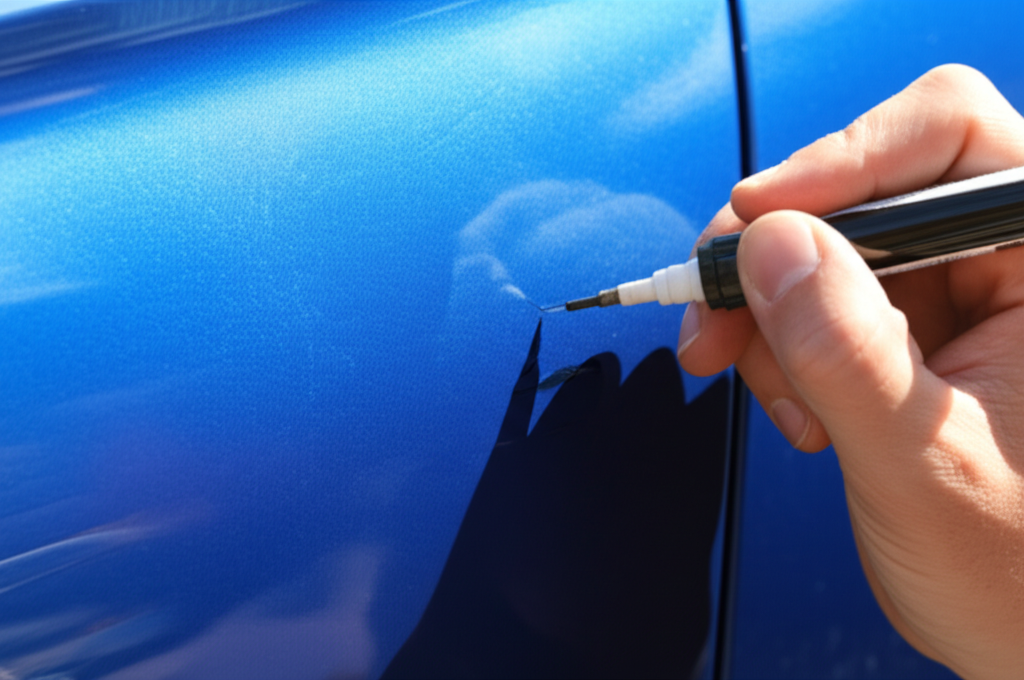
Are Car Paint Pens Any Good? Proven Fix for Scratches
Yes, car paint pens can be surprisingly effective for minor paint scratches and chips, offering a convenient and affordable DIY solution. They work best on shallow damage, restoring your car’s finish and preventing rust. This guide shows you how to use them properly for a near-perfect repair.
Hitting a pothole, a rogue shopping cart, or even just a careless parking job can leave your car with unsightly scratches. For many first-time car owners, these marks can be a source of stress and worry. The good news is that you don’t always need a professional to fix them. Car paint pens are a popular DIY option, and while they might sound too simple to be effective, with the right technique, they can work wonders!
This guide is designed to take the guesswork out of using car paint pens. We’ll walk you through everything you need to know, from choosing the right pen to applying it for a seamless finish. Get ready to say goodbye to those annoying scratches and hello to a car that looks as good as new!
What Exactly is a Car Paint Pen?
Think of a car paint pen like a high-tech marker specifically designed for automotive paint. It contains a precise amount of touch-up paint that matches your car’s original color. These pens are fantastic for tackling those small, irritating scratches and paint chips that can really detract from your car’s appearance and, more importantly, can lead to rust if left untreated.
They are a budget-friendly alternative to professional repair shops, especially for minor cosmetic issues. Their portability and ease of use make them a must-have in any car owner’s emergency kit.
Are Car Paint Pens Any Good? The Verdict
The short answer is: yes, car paint pens can be very good for specific types of damage. They excel at repairing minor scratches, paint chips, and scuffs that haven’t penetrated the primer layer of your car’s paint. For these smaller issues, a well-applied paint pen can:
- Restore Appearance: They fill in the damaged area, making the scratch much less noticeable.
- Prevent Rust: By sealing the exposed metal, they stop corrosion from starting.
- Be Cost-Effective: Significantly cheaper than professional touch-ups.
- Be Convenient: Easy to store and use whenever needed.
However, it’s crucial to understand their limitations. If a scratch is deep enough to see the bare metal or plastic beneath the paint, a paint pen alone might not be sufficient for a perfect, long-lasting repair. In such cases, you might need a more comprehensive approach involving primer and clear coat, or even professional help.
When Should You Use a Car Paint Pen?
Car paint pens are your best friend for:
- Clear Coat Scratches: Light surface scratches that only affect the top protective layer.
- Minor Paint Chips: Small spots where the color coat has been removed.
- Edge Scratches: Like those found on door edges from accidental bumps.
- Road Debris Marks: Small nicks from gravel or other road debris.
They are less suitable for:
- Deep Gouges: Scratches that go down to the metal or primer.
- Large Areas: Trying to cover a big area with a pen is impractical and unlikely to yield good results.
- Rust Spots: While they can seal existing rust, they won’t remove it.
What You’ll Need: Your Car Paint Pen Repair Kit
Before you start, gather these essential items:
- The Correct Car Paint Pen: Ensure it matches your car’s exact paint code.
- Mild Car Wash Soap and Water: For cleaning the damaged area.
- Rubbing Alcohol or Isopropyl Alcohol: To degrease and ensure paint adhesion.
- Microfiber Towels: For cleaning and drying without scratching.
- Painter’s Tape (Optional): To mask off the area around the scratch.
- Fine-Tip Applicator (Often included or separate): For very precise application.
- Clear Coat Pen (Optional, but recommended for durability): If your scratch went deeper than the base coat.
- Patience! This is a DIY job, so take your time.
Finding your car’s paint code is usually straightforward. Look for a sticker on the driver’s side door jamb, under the hood, or in your owner’s manual. Online resources can also help you locate it based on your car’s make, model, and year.
Step-by-Step Guide: How to Use a Car Paint Pen Effectively
Let’s get your car looking its best. Follow these simple steps:
- Prepare the Area: Clean, Clean, Clean!
This is arguably the most critical step. Start by washing the area around the scratch with car wash soap and water. Rinse thoroughly and dry with a clean microfiber towel. Then, use rubbing alcohol on a clean cloth or cotton swab to wipe down the scratch and the surrounding paint. This removes any wax, grease, or dirt, ensuring the new paint will adhere properly. Skipping this step can lead to poor adhesion and the repair peeling off.
- Inspect the Scratch Depth
Gently run your fingernail across the scratch. If your nail catches, the scratch is likely deep enough to require more than just the color coat. If your fingernail glides over it smoothly, it’s a good candidate for a paint pen.
- Activate the Paint Pen
Most paint pens require a little preparation before use. Read the instructions on your specific pen, but typically you’ll need to shake it vigorously for about 30 seconds to a minute. Some pens have a tip that needs to be pressed down on a hard surface a few times to start the paint flow. Don’t skip shaking; it ensures the pigment and solvent are properly mixed.
- Test the Pen (If Possible)
If you have a piece of scrap metal or an inconspicuous area on your car (like the underside of the bumper), try a small test application. This helps you get a feel for the paint flow and color match.
-
Apply the Paint – Carefully!
This is where precision is key.
- For fine-tip pens: Gently apply the paint directly into the scratch. Use a light touch and try to fill the scratch evenly, without applying too much pressure. Think of it like drawing a very fine line.
- For brush-tip pens: Apply a small amount of paint to the brush and dab it into the scratch. Avoid excessive brushing, which can spread the paint unevenly.
The goal is to fill the scratch, not to cover a wide area. It might look a little raised at first, which is okay. You can use the tip of the pen or a fine-tip applicator to smooth it out slightly if needed. It’s better to apply multiple thin coats than one thick, gloppy one.
- Let it Dry (Crucial!)
Allow the paint to dry completely according to the manufacturer’s instructions. This can take anywhere from 30 minutes to several hours, depending on the paint type and humidity. Rushing this step can ruin your repair.
- Apply a Second Coat (If Necessary)
For deeper scratches or if the first coat didn’t fully fill the damage, apply a second thin coat of paint after the first one has dried. Again, let it dry completely.
- Apply Clear Coat (Optional but Recommended)
If your scratch went through the color coat and into the primer, or if you want extra protection and shine, apply a clear coat pen over the dried color coat. This seals the repair, adds gloss, and protects against UV rays. Apply it thinly and evenly.
- Curing Time
Allow the clear coat (or the final layer of paint) to cure for at least 24 hours, and ideally 48-72 hours, before washing the car or exposing it to harsh conditions. Proper curing ensures the paint hardens and bonds effectively.
Tips for a Professional-Looking Finish
Want to elevate your DIY repair from “okay” to “wow”? Try these pro tips:
- Work in Good Lighting: Natural daylight is best to see the color match and coverage accurately.
- Use Painter’s Tape: For very precise edges or to avoid accidental marks, mask off the area around the scratch with painter’s tape. This creates a clean barrier for your paint application.
- Less is More: It’s easier to add more paint than to remove excess. Start with a very light touch.
- Patience is Key: Don’t rush the drying times between coats.
- Consider a Primer Pen: For deeper scratches that expose metal, a primer pen applied before the color coat can improve adhesion and prevent rust.
- The “Buff and Polish” Trick: Once fully cured (days later), you can sometimes very gently buff the repaired area with a fine-grit polishing compound and a microfiber cloth to blend it more seamlessly with the surrounding paint. Be extremely careful not to overdo this, as you could remove the new paint.
Car Paint Pens vs. Other Scratch Repair Methods
How do paint pens stack up against other DIY and professional options?
| Method | Pros | Cons | Best For |
|---|---|---|---|
| Car Paint Pens | Affordable, easy to use, convenient for small chips/scratches, prevents rust. | Difficult for deep scratches, requires precise application, color match can be tricky, may not look factory-perfect. | Minor clear coat scratches, small paint chips. |
| Touch-Up Paint Bottles (with brush) | More paint volume, better for slightly larger chips, can be more forgiving than pens. | Can be messier, requires more skill to apply thinly, drying time can be longer. | Slightly larger chips and scratches than pens can handle. |
| Rubbing Compounds / Polishes | Good for very light, superficial scratches (clear coat only), can restore shine. | Does not add paint, only removes a thin layer of clear coat; ineffective for deep scratches or chips. | Swirl marks, very light surface scratches. |
| DIY Scratch Repair Kits (with primer, paint, clear coat) | More comprehensive, can handle deeper scratches, better adhesion and durability. | More expensive, requires more time and skill, potentially more visible if not applied perfectly. | Scratches down to primer or metal. |
| Professional Body Shop Repair | Best results, handles all types of damage, guaranteed finish. | Most expensive, requires appointment and time without your car. | Deep scratches, large areas, significant damage, show car perfection. |
For a first-time car owner tackling minor blemishes, a paint pen offers the best balance of cost, ease, and effectiveness. It’s a practical first step before considering more involved or expensive repairs.
Frequently Asked Questions (FAQ)
Q1: How do I find my car’s paint code?

A: Your car’s paint code (also known as the color code) is a unique identifier for its specific paint color. You can usually find it on a sticker located on the driver’s side door jamb, inside the fuel filler door, under the hood, or in your owner’s manual. Many manufacturers also have this information accessible online via their official websites or VIN lookup tools. Websites like AutoMD can also help you decode your VIN to find this information.
Q2: Can a paint pen fix a deep scratch?
A: A paint pen is best for shallow scratches that haven’t gone all the way through the paint layers to the bare metal or primer. If you can feel a significant groove with your fingernail, or if you see bare metal, a paint pen alone might not provide a perfect or lasting fix. For deeper scratches, you might need a touch-up kit that includes primer and clear coat, or consider professional repair. However, a paint pen can still help by sealing the scratch and preventing rust.
Q3: What if the paint pen color doesn’t match exactly?
A: Color matching can be tricky, as paint can fade over time due to sun exposure. Always use the exact paint code for your car. If the match isn’t perfect, it’s often because the surrounding paint has faded. Applying a clear coat can sometimes help blend the repair slightly. For very noticeable mismatches on highly visible areas, professional repainting might be the only way to achieve a perfect match.
Q4: How long does a paint pen repair last?
A: The longevity of a paint pen repair depends on several factors, including the depth of the scratch, the quality of the paint pen, the preparation of the surface, and environmental conditions. Properly applied, a paint pen can last for several months to a few years, especially if it prevents rust. However, it’s a cosmetic fix, and might not withstand harsh washing or extreme weather as well as original factory paint.