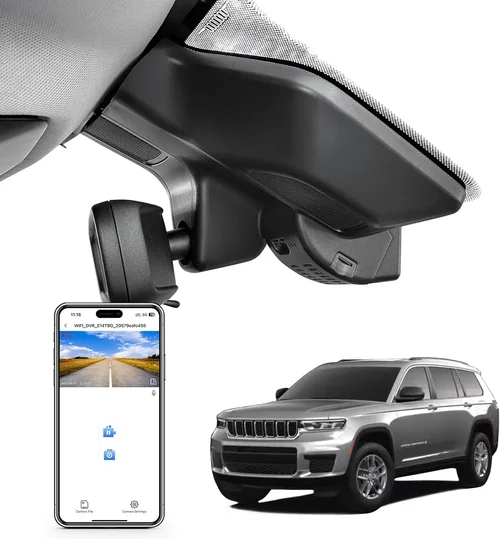
Best Dash Cam for Ford Escape Purchase Guide
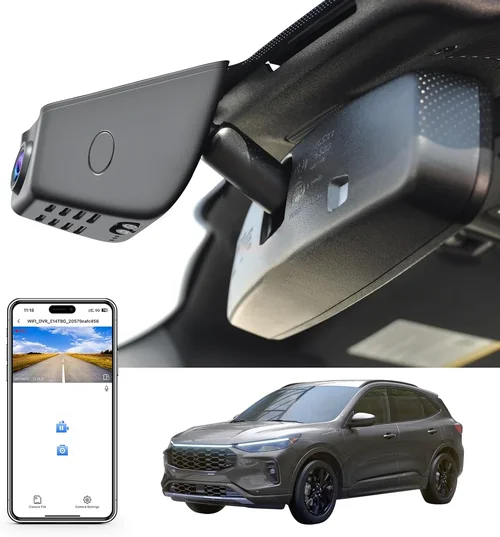
Why this guide matters
Choosing the right dash cam for your Ford Escape isn’t just about recording video—it’s about protecting yourself, your vehicle, and your peace of mind on every drive. Whether you’re commuting through city traffic, taking weekend road trips, or simply want evidence in case of an accident, having a reliable dash cam can make all the difference. The Ford Escape, being one of the most popular compact SUVs on the market, deserves a dash cam solution that matches its versatility and modern features.
In this comprehensive buying guide, you’ll discover exactly what to look for when shopping for a dash cam specifically designed (or compatible) with your Ford Escape. We’ll break down technical specifications, installation considerations, feature comparisons, and real-world performance insights that matter most to drivers like you. By the end of this article, you’ll have all the knowledge needed to make an informed decision and select a dash cam that fits seamlessly into your Ford Escape lifestyle.
What readers will learn
This detailed guide covers everything from basic dash cam functionality to advanced recording capabilities, ensuring you understand how each feature impacts your daily driving experience. You’ll learn about different types of dash cams and their specific advantages, explore compatibility issues unique to Ford Escape models, and discover which brands offer the best support and reliability. We’ll also walk you through common installation challenges and provide expert tips for getting the most value from your purchase.
The market overview reveals that dash cams have evolved significantly beyond simple front-facing cameras. Today’s devices offer sophisticated features like parking mode, GPS tracking, Wi-Fi connectivity, and intelligent parking monitoring—all crucial considerations when choosing equipment for your Ford Escape. With numerous options available across various price points, understanding these differences helps you avoid costly mistakes and select a system that truly enhances your driving safety.

What to Look for When Buying Dash Cams
Budget & Price Range
Your budget should reflect both your needs and expectations. Entry-level dash cams typically range from $50-$100 and offer basic 720p recording with limited features. Mid-range options ($100-$200) provide 1080p or even 4K resolution with added functionalities like G-sensor alerts and loop recording. Premium models ($200+) deliver professional-grade features including dual-channel recording, superior low-light performance, and advanced parking modes. For Ford Escape owners who value quality over quantity, we recommend considering at least a mid-range option to ensure reliable performance during daily commutes and longer journeys.
When evaluating price versus value, consider how often you’ll use the dash cam and what scenarios require protection. If you frequently drive in heavy traffic or park in high-risk areas, investing in better build quality and enhanced features becomes more justified. Remember that cheaper models may save money upfront but could cost more in the long run due to frequent replacements or inadequate protection coverage.
Performance Specifications
Resolution is perhaps the most critical specification affecting video clarity. While 720p might seem sufficient initially, 1080p provides significantly sharper detail that makes license plates and facial features clearly identifiable. Some premium models now offer 4K recording, though this requires substantial storage capacity and may impact battery life during extended use. Field of view (FOV) determines how much of the road ahead gets captured—wider angles reduce blind spots but can distort edges. A 130-150 degree FOV strikes the optimal balance between coverage and image quality for most Ford Escape applications.
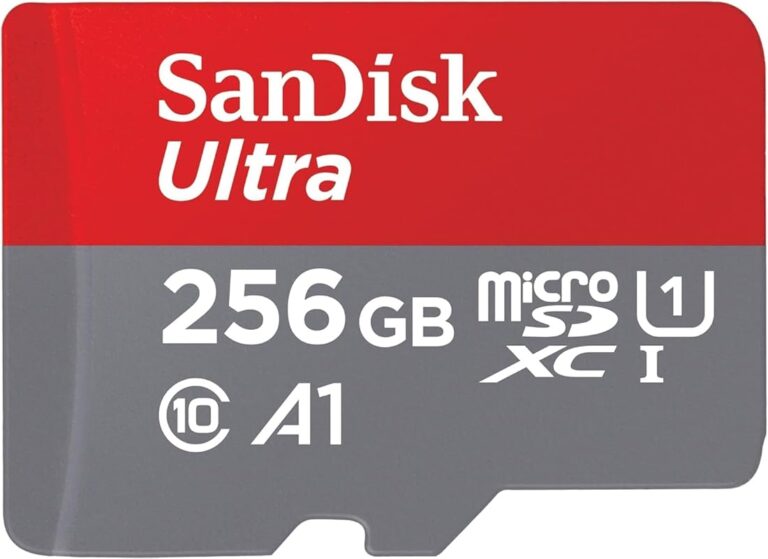
Frame rate affects motion smoothness and file sizes; higher frame rates (60fps vs 30fps) capture faster movements more accurately but create larger files. Storage requirements vary by resolution and recording length—most dash cams use microSD cards ranging from 32GB to 256GB. Ensure your chosen model supports adequate storage without constant card swapping, especially important if using parking mode continuously.
Build Quality & Durability
Weather resistance ensures consistent operation regardless of climate conditions. Look for dash cams rated IP65 or higher, indicating protection against dust and water jets. Temperature tolerance ranges from -4°F to 149°F (-20°C to 65°C), covering extreme weather conditions encountered during winter drives or summer heatwaves. Shock resistance protects against vibrations and sudden impacts during rough terrain driving or emergency braking situations common in urban environments.
Material quality affects longevity and reliability—aluminum housings withstand drops better than plastic alternatives while maintaining heat dissipation properties crucial for processor stability. Anti-glare coatings minimize reflections from dashboard surfaces, improving visibility in bright sunlight. For Ford Escape owners who frequently travel through varied climates, prioritizing robust construction pays dividends in consistent performance year-round.
Features & Functionality
Loop recording automatically overwrites oldest footage when storage fills up, eliminating manual management. Most systems overwrite starting from the oldest file unless protected by a G-sensor triggered by sudden acceleration, deceleration, or impacts. This ensures critical incident footage remains accessible while conserving storage space for routine driving segments.
G-sensor technology detects collision events and automatically saves relevant clips to prevent accidental deletion during normal loop recording cycles. Adjustable sensitivity levels allow customization based on driving style—aggressive drivers may need lower thresholds to capture minor incidents, while conservative drivers can set higher limits to avoid false positives.
Parking mode activates when vehicle power drops below a threshold, typically after ignition-off. Advanced models include motion detection, time-lapse recording, or hardwire kits for continuous monitoring. For Ford Escape owners concerned about theft or vandalism while parked, selecting a model with reliable parking capabilities provides essential surveillance during unattended periods.
Brand Reputation
Established brands like BlackVue, Thinkware, and Garmin offer proven reliability and comprehensive customer support networks. These companies invest heavily in research and development, resulting in consistent firmware updates, responsive technical assistance, and readily available replacement parts. Newer entrants sometimes struggle with software stability or lack adequate warranty coverage, potentially leaving users stranded after purchase.
When researching brand reputation, focus on verified customer experiences rather than marketing claims alone. Check independent review sites, automotive forums, and social media groups dedicated to Ford Escape owners for real-world feedback regarding installation ease, troubleshooting success, and long-term durability. Brands with active user communities often provide valuable insights into compatibility issues specific to certain Ford Escape trims or model years.
Warranty & Support
Manufacturer warranties typically range from 1-3 years depending on the brand and model tier. Comprehensive coverage should include hardware defects, manufacturing flaws, and sometimes accidental damage under extended plans. Always verify what constitutes covered versus excluded items before purchasing, as some policies limit coverage to factory defects only.
Customer support responsiveness varies significantly between manufacturers. Premium brands usually offer multiple contact channels including phone, email, live chat, and online ticket systems with guaranteed response times. Entry-level products may rely solely on email support with delayed replies or automated responses, making troubleshooting challenging during urgent situations.
For Ford Escape owners who prefer hands-on maintenance, ensure replacement parts like mounts, cables, and accessories remain available post-warranty period. Brands committed to long-term product support demonstrate confidence in their engineering standards while providing peace of mind for future repairs or upgrades.
Size & Portability
Compact designs minimize visual distraction and reduce wind noise interference inside the cabin. Ultra-thin profiles (<0.8 inches thick) blend seamlessly into modern dashboards without protruding awkwardly above instrument clusters. Smaller footprints also accommodate tight mounting spaces common in compact SUVs like the Ford Escape where dashboard contours limit available attachment points. Weight considerations affect stability during high-speed driving or turbulent weather conditions. Lighter units may vibrate excessively without proper damping, causing blurry footage or premature failure. Balance between portability and structural integrity ensures reliable performance regardless of mounting position or environmental stresses encountered during daily use. User Reviews & Ratings
Aggregated review scores provide quick indicators of overall satisfaction levels among verified purchasers. Focus on recent reviews (within last 12 months) to account for firmware improvements or known issues addressed by manufacturers. Detailed comments reveal practical insights unavailable through star ratings alone—pay attention to mentions of installation difficulty, software bugs, or unexpected limitations specific to Ford Escape compatibility.
Cross-referencing multiple review sources helps identify patterns rather than isolated complaints or glowing endorsements. Independent testing laboratories occasionally publish comparative studies evaluating factors like night vision quality, audio recording capability, or GPS accuracy across competing models. These objective assessments complement anecdotal feedback from real users facing similar driving scenarios.
Different Types of Dash Cams
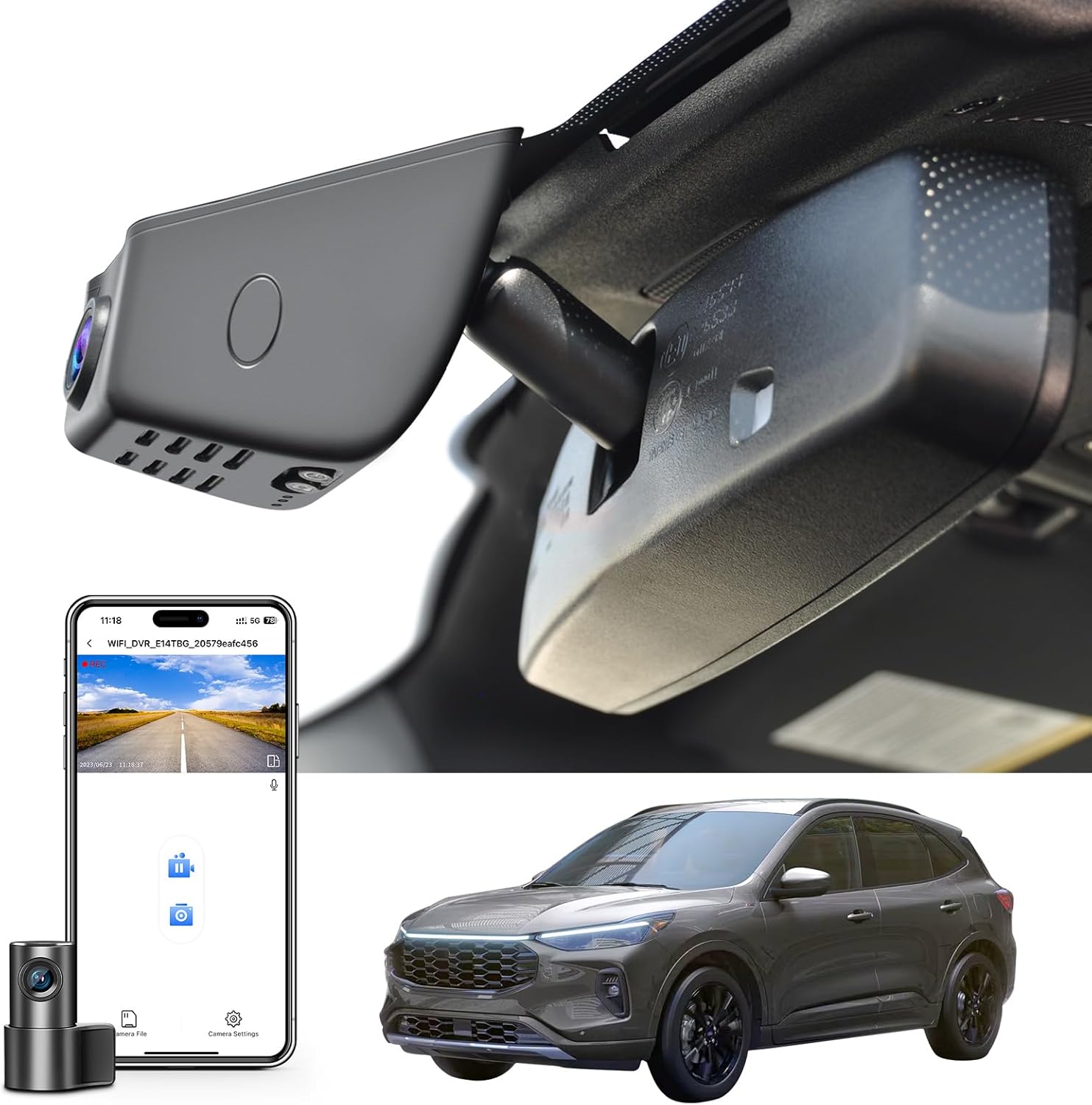
Common Buying Mistakes to Avoid
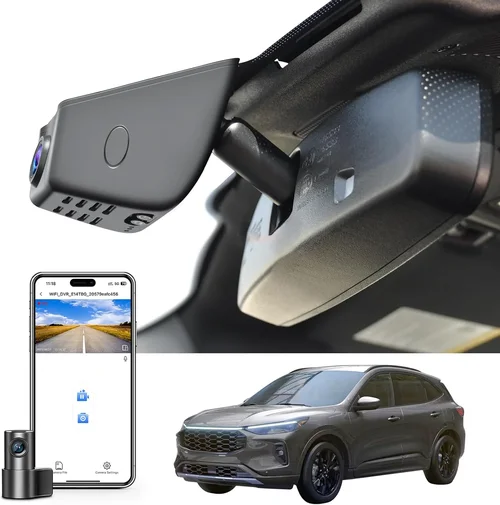
❌ Mistake: Ignoring Compatibility with Ford Escape Specific Features
Why it’s bad: Many dash cams fail to integrate properly with Ford Escape’s electrical system or dashboard layout, leading to installation nightmares or suboptimal positioning. Some models don’t account for the Escape’s specific windshield curvature or airbag deployment zones, creating hazardous mounting locations.
What to do instead: Research dash cams specifically tested with Ford Escape models, particularly focusing on hardwiring compatibility with OBD-II ports or cigarette lighter adapters that won’t interfere with existing vehicle electronics. Consider third-party mounting solutions designed for compact SUVs with limited dashboard space.
❌ Mistake: Overlooking Parking Mode Requirements
Why it’s bad: Skipping parking mode planning means missing critical evidence during thefts, hit-and-runs, or vandalism incidents when your vehicle is unattended. Without proper surge protection or battery backup, parking recordings become unreliable or nonexistent during power fluctuations common in older Ford Escape models.
What to do instead: Prioritize models with dedicated parking modes requiring hardwired connections rather than relying solely on internal batteries. Invest in professional-grade hardwire kits offering automatic cutoff circuits to prevent draining your Ford Escape’s battery during extended parking periods.
❌ Mistake: Choosing Based Solely on Resolution Alone
Why it’s bad: High megapixel counts don’t guarantee usable footage—factors like sensor quality, lens optics, and image processing algorithms determine actual video clarity more than raw resolution numbers suggest. Many budget dash cams advertise “4K” while delivering compressed, grainy footage unsuitable for identifying details in court proceedings.
What to do instead: Evaluate sample videos from real users showing various lighting conditions rather than trusting manufacturer demos. Pay equal attention to low-light performance metrics like signal-to-noise ratios and dynamic range capabilities when assessing image quality for nighttime driving scenarios common in urban environments.
❌ Mistake: Neglecting Storage Management Strategies
Why it’s bad: Failing to plan adequate storage capacity leads to constant file management hassles or loss of critical evidence when buffers fill unexpectedly. Some Ford Escape owners overlook that parking mode consumes significant storage space even during brief monitoring periods, especially with motion-activated recording enabled.
What to do instead: Calculate required storage based on average drive duration plus parking monitoring hours per week. Choose models supporting expandable microSD cards (up to 512GB recommended) and verify loop recording behavior doesn’t accidentally overwrite important clips during extended trips without driver intervention.
❌ Mistake: Underestimating Installation Complexity
Why it’s bad: Assuming DIY installation works for all Ford Escape models ignores differences between trim levels regarding dashboard obstructions, airbag placement, and wiring accessibility. Attempting complex hardwiring without proper tools risks damaging vehicle electronics or voiding warranties on newer Escape models equipped with advanced driver-assistance systems.
What to do instead: Review detailed installation guides specific to your Ford Escape model year before purchasing. Consider professional installation services specializing in dash cam integration if your vehicle has complex electrical architecture or restricted access points behind interior panels.
❌ Mistake: Disregarding Firmware Update Policies
Why it’s bad: Manufacturers releasing infrequent firmware updates leave users vulnerable to emerging compatibility issues or security vulnerabilities over time. Dash cams lacking update support eventually fall behind current standards for video compression formats or mobile app integration essential for efficient clip retrieval and sharing workflows.
What to do instead: Verify whether your chosen dash cam receives regular firmware releases addressing bug fixes, performance improvements, or new feature additions. Select brands with transparent update schedules and responsive developer teams capable of adapting quickly to evolving industry requirements.
Budget Guidelines: How Much Should You Spend?
Entry-Level ($50 – $100)
At this price point, expect basic functionality focused on core recording needs rather than advanced features. Typical offerings include single-lens 720p or early-generation 1080p cameras with minimal extras like built-in screens or smartphone apps. While suitable for occasional use or secondary vehicles, entry-level dash cams often compromise on build quality, night vision capability, or reliability compared to higher-tier alternatives. For Ford Escape owners seeking affordable protection during short commutes or local errands, these models provide acceptable baseline performance but may disappoint during demanding conditions like nighttime highway driving or extreme temperatures.
Recommended features at this tier include loop recording, G-sensor alerts, and decent daytime visibility. Avoid models lacking waterproofing or temperature resilience since Ford Escapes encounter diverse climates throughout North America. Always verify compatibility with your specific Escape model year before purchasing to prevent installation conflicts or electrical interference issues.
Mid-Range ($100 – $200)
This sweet spot delivers balanced performance across all critical categories without breaking the bank. Expect 1080p or early 4K recording with improved low-light sensitivity, wider fields of view (130-150 degrees), and expanded functionality including Wi-Fi connectivity, cloud storage options, or voice commands. Build quality improves significantly with aluminum housings, anti-reflective coatings, and shock-resistant mounts designed for daily abuse. For most Ford Escape owners, mid-range dash cams represent optimal value proposition combining reliability, feature richness, and reasonable pricing structure.
Look for models offering dual-lens configurations enabling rear camera attachment for comprehensive coverage. Parking mode capabilities become increasingly important at this level, so prioritize hardwired solutions with automatic cutoff protection against battery drain. Brands like Thinkware, BlackVue, and Viofo dominate this segment with proven track records for firmware stability and customer support responsiveness.
Premium ($200 – $400)
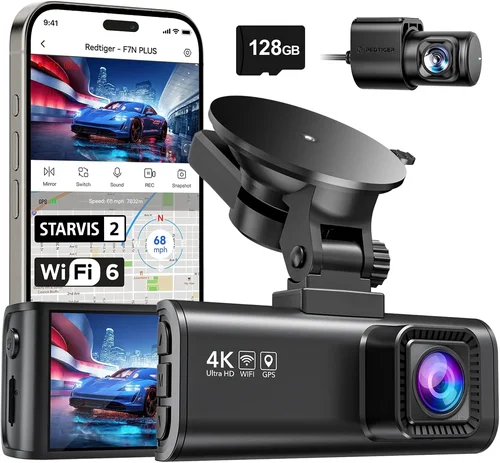
Professional-grade dash cams in this category deliver exceptional image quality, robust construction, and cutting-edge features tailored for serious drivers or commercial applications. Expect superior sensors capable of capturing crisp details in challenging lighting, advanced image stabilization compensating for vehicle vibrations, and intelligent parking monitoring with motion/time-lapse detection. Many premium models include GPS logging, speed calibration, and seamless smartphone integration for effortless clip management. For Ford Escape owners who demand top-tier performance for daily driving, road trips, or insurance documentation purposes, these investments pay dividends through enhanced evidence quality and peace of mind.
Consider multi-camera setups offering panoramic views or specialized lenses for enhanced peripheral awareness. Cloud-based storage solutions eliminate physical media management headaches while providing remote access to recordings via secure web portals. Warranty coverage extends beyond standard periods, often including accidental damage protection and priority technical support channels reserved exclusively for premium customers.
Luxury ($400+)
Ultra-premium dash cams target enthusiasts, fleet operators, or security professionals requiring uncompromising performance and enterprise-level management capabilities. These systems feature military-grade materials, redundant cooling systems, and AI-powered analytics detecting anomalies like distracted driving or collision risks in real-time. Advanced models integrate with vehicle telematics, ADAS systems, or smart city infrastructure for comprehensive situational awareness. While excessive for typical Ford Escape ownership scenarios, luxury dash cams represent the pinnacle of automotive surveillance technology for those operating under extreme demands or regulatory compliance requirements.
Expert Tips for Getting the Best Deal
Seasonal sales represent prime opportunities to acquire premium dash cams at discounted prices. Retailers often clear inventory ahead of new model releases, offering steep markdowns on previous-generation devices still meeting modern performance standards. Signing up for brand newsletters alerts you to exclusive member discounts or flash deals unavailable through mainstream channels. Some manufacturers run limited-time promotions bundling accessories like extra microSD cards, magnetic mounts, or hardwire kits valued far exceeding discount percentages.
When comparing prices across retailers, factor in shipping costs, return policies, and bundled benefits rather than focusing solely on sticker prices. Online marketplaces occasionally offer refurbished units certified by authorized service centers at reduced rates—verify refurbishment quality guarantees before committing. Local auto shops sometimes stock dash cams alongside other installation services, allowing bundled pricing for mounting hardware and professional setup assistance tailored specifically for Ford Escape electrical systems.
Always check manufacturer websites directly before finalizing purchases since they frequently host direct-store promotions not mirrored by third-party sellers. Subscribe to automotive enthusiast forums dedicated to Ford Escape discussions where members share real-time deal alerts and compatibility insights based on hands-on experience. Building relationships with local car audio specialists familiar with dash cam installations ensures access to insider knowledge about upcoming promotions or trade-in opportunities unavailable elsewhere.

Frequently Asked Questions
Q: Can I install a dash cam on my Ford Escape myself?
A: Yes, most dash cams designed for compact SUVs like the Ford Escape support DIY installation using suction cup mounts and optional hardwiring kits. However, complex electrical connections or rear camera routing may require professional assistance depending on your comfort level with automotive wiring. Always consult your vehicle’s owner manual regarding airbag deployment zones and prohibited mounting areas before proceeding.
Q: Will installing a dash cam drain my Ford Escape’s battery overnight?
A: Standard dash cams consume minimal power during operation, but parking mode monitoring can gradually discharge batteries if not properly configured. Using hardwire kits with automatic cutoff circuits prevents excessive drainage by disconnecting power once battery voltage drops below safe thresholds—essential for Ford Escape owners frequently leaving vehicles parked for extended periods.
Q: What’s the difference between 1080p and 4K dash cams for Ford Escape usage?
A: While 4K offers higher resolution theoretically capturing finer details, real-world usability depends more on sensor quality, lens optics, and compression algorithms than megapixel count alone. For typical Ford Escape driving scenarios including urban commutes and highway travel, 1080p provides excellent clarity without overwhelming storage requirements or processing demands that may compromise other critical functions like GPS logging or parking monitoring reliability.
Q: Do I need a separate rear camera for my Ford Escape?
A: Not necessarily—single-lens dash cams suffice for most personal use cases where primary concern involves frontal collision evidence or hit-and-run documentation. However, adding a rear camera enhances awareness during backing maneuvers, parking lot encounters, or highway lane changes common in Ford Escape operations. Dual-lens systems simplify installation by sharing power and data connections through single cable harnesses designed specifically for compact SUV architectures.
Q: How do I choose the right microSD card for my Ford Escape dash cam?
A: Select Class 10 or UHS-I/UHS-II cards with capacities matching your expected recording volume—32GB suits occasional drivers while 128GB+ accommodates frequent users or those utilizing parking mode extensively. Verify compatibility with your dash cam manufacturer’s specifications since some models impose strict formatting requirements or reject certain brands despite advertised specifications meeting minimum performance criteria.
Q: Are wireless dash cams reliable for Ford Escape installations?
A: Modern Wi-Fi and Bluetooth-enabled dash cams generally perform well within typical automotive environments, though signal interference from other electronic devices or weak cellular reception may disrupt connectivity during critical moments. For mission-critical evidence preservation scenarios involving Ford Escape owners in remote areas or congested metropolitan regions, wired solutions remain preferable until wireless protocols achieve universal reliability standards.
Q: Can dash cams work with Ford Escape’s built-in navigation system?
A: Most standalone dash cams operate independently without integrating directly into Ford’s SYNC infotainment platforms. However, many support external GPS modules providing timestamped location data useful for route verification or accident reconstruction purposes. Some premium models offer companion apps displaying synchronized maps alongside recorded video footage—enhancing evidentiary value without requiring proprietary vehicle software modifications.
Q: What legal protections do dash cam recordings provide in Ford Escape accidents?
A: Dash cam footage serves as compelling supplementary evidence clarifying fault determinations during disputes involving Ford Escape collisions. Courts typically accept professionally recorded videos demonstrating clear roadway conditions, vehicle positions, or driver behaviors absent from witness accounts alone. Always maintain chain-of-custody procedures when submitting recordings as evidence since improper handling may compromise admissibility regardless of content quality or relevance.
Q: How often should I replace my dash cam’s microSD card?
A: Replacement frequency depends on usage patterns rather than fixed timelines—heavy users consuming >50% of allocated storage weekly may need bi-monthly swaps whereas light users accessing <10% capacity monthly can extend intervals to quarterly or semi-annually. Monitor remaining space indicators within your dash cam interface regularly to anticipate replacement needs proactively before running out unexpectedly during critical incidents.
Q: Can I mount multiple dash cams simultaneously on my Ford Escape?
A: Technically possible using auxiliary power sources and separate recording devices, but practical concerns arise regarding obstructed views, excessive weight distribution affecting vehicle handling characteristics, and potential interference between overlapping fields of view creating confusing visual narratives during incident analysis phases involving Ford Escape-specific crash dynamics.
Final Recommendations
Best for Budget-Conscious Buyers
For Ford Escape owners seeking affordable yet dependable protection without sacrificing essential functionality, the Viofo A119 V3 represents outstanding value at approximately $120 MSRP. This single-lens 1080p dash cam delivers crisp daytime footage with respectable low-light performance thanks to its Sony Starvis sensor technology. Integrated Wi-Fi enables effortless clip transfers via Viofo’s intuitive mobile app while loop recording and adjustable G-sensor sensitivity cover fundamental recording management needs. Compact dimensions ensure discreet mounting options compatible with most Ford Escape dashboard layouts without obstructing instrument cluster visibility.
While lacking rear camera support or advanced parking features found in pricier alternatives, the A119 V3 excels at capturing clear evidence during routine driving scenarios including urban intersections and highway merges common in compact SUV operations. Its durable aluminum housing withstands typical wear-and-tear associated with daily commutes while maintaining reliable operation across seasonal temperature extremes encountered during winter ice storms or summer heatwaves affecting northern and southern Ford Escape markets respectively.
Best Overall Value
The Thinkware F800 Pro strikes ideal balance between performance, features, and price point around $180 retail. This dual-lens system captures simultaneous front and rear perspectives using independent Sony IMX323 sensors optimized for both daylight and nighttime recording conditions prevalent during extended Ford Escape journeys. Advanced image stabilization minimizes blur caused by vehicle vibrations while HDR technology preserves detail in high-contrast lighting situations including tunnel exits or glare-heavy highway bridges frequently traversed by suburban commuters.
Integrated parking mode utilizes hardwired power delivery with automatic cutoff protection preventing battery drainage during overnight monitoring sessions—critical consideration for Ford Escape owners parking vehicles at workplace lots or residential streets lacking convenient charging access. Thinkware’s cloud-connected mobile app facilitates remote viewing capabilities enabling users to monitor live feed status or retrieve stored clips securely through encrypted channels safeguarding sensitive driving data privacy concerns.
Best Premium Option
Enthusiasts demanding professional-grade surveillance capabilities will appreciate the BlackVue DR970X-2CH‘s exceptional image quality and robust feature set priced near $350. This dual-channel dash cam employs stacked CMOS sensors delivering true 4K front recording combined with Full HD rear capture ensuring comprehensive coverage during complex driving maneuvers typical of Ford Escape operations involving tight parking spaces or merging lanes. Super Night Vision technology dramatically improves dark scene visibility without requiring additional lighting sources compromising driving safety standards.
Advanced parking monitoring includes built-in motion detection algorithms distinguishing between relevant activity versus background disturbances such as passing wildlife or shifting shadows caused by cloud movements overhead—eliminating unnecessary storage consumption during idle periods. BlackVue’s Drive Recorder Viewer software simplifies offline playback workflows while cloud connectivity options enable secure remote access from any internet-connected device regardless of geographic location relative to parked Ford Escapes.
Best for Beginners
New dash cam users entering the Ford Escape ecosystem benefit from simplified interfaces and guided setup processes offered by the Nextbase 622GW currently retailing around $160. This single-lens device features automatic emergency recording triggered by sudden braking or impact detection using integrated accelerometers calibrated specifically for compact SUV dynamics. One-touch Wi-Fi pairing eliminates complex configuration steps while the built-in screen provides instant playback verification during initial installation phases ensuring optimal positioning angles unobstructed by interior components unique to Ford Escape designs.
Emergency SOS button integration connects directly with Nextbase’s 24/7 emergency response team capable of dispatching help during roadside incidents involving Ford Escape vehicles equipped with this optional service subscription—providing added reassurance for solo female drivers or elderly passengers frequently traveling alone across long distances requiring periodic assistance stops unfamiliar territory navigation challenges.
Best for Advanced Users
Power users requiring granular control over recording parameters and extensive customization options will find the Garmin Dashcam Mini exceptionally capable despite its compact form factor retailing near $130. This ultra-slim device leverages Garmin’s renowned GPS expertise delivering precise timestamped location data synchronized with every recorded frame—ideal for Ford Escape owners frequently crossing state lines or participating in competitive driving events requiring meticulous route documentation. Automatic incident detection uses sophisticated algorithms analyzing deceleration patterns distinct from normal driving behaviors ensuring critical events receive immediate protection against accidental deletion during routine loop recording cycles.
Seamless smartphone integration enables wireless clip sharing directly to social media platforms or cloud storage services commonly used by tech-savvy Ford Escape drivers preferring digital distribution methods over physical media exchanges. Despite lacking rear camera support or advanced parking features comparable to premium alternatives discussed previously, its unobtrusive design blends naturally into modern dashboard aesthetics without compromising interior styling integrity maintained throughout Ford Escape redesign cycles emphasizing contemporary cabin layouts prioritizing driver convenience above all else.
Conclusion: Making the Right Choice
Selecting the best dash cam for your Ford Escape ultimately revolves around aligning technical capabilities with personal priorities rather than chasing incremental specification improvements alone. While premium models offer tempting upgrades like 4K recording or cloud connectivity, most Ford Escape owners find mid-range solutions deliver sufficient protection without unnecessary complexity detracting from everyday usability. Consider how frequently you’ll utilize advanced features versus relying on core recording functionality during routine commutes or family road trips before allocating budget toward specialized capabilities beyond immediate needs assessment.
Remember that dash cams serve primarily as supplemental evidence sources rather than standalone safety systems—maintaining defensive driving habits and adhering to traffic laws remains paramount regardless of technological enhancements incorporated into your Ford Escape’s surveillance arsenal. Regular maintenance practices including microSD card rotation, firmware updates, and visual inspections ensure consistent performance year-round supporting reliable evidence collection whenever incidents inevitably occur despite preventive measures taken beforehand.
By prioritizing compatibility with your specific Ford Escape model year, understanding parking mode implications for battery conservation, and selecting reputable brands backed by responsive customer support networks, you position yourself optimally for successful dash cam ownership experiences maximizing both safety benefits and peace of mind during every journey undertaken behind the wheel of your beloved compact SUV.