Smart Ford Bronco Dash Cam Buying Guide
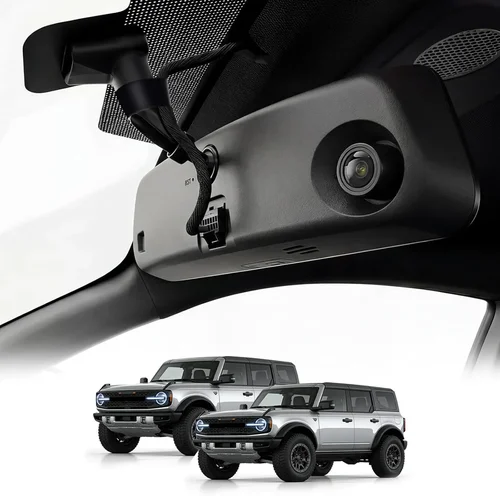
When shopping for a dash cam specifically designed for the Ford Bronco, you’re entering a unique segment of the automotive aftermarket. The Bronco’s rugged design, distinctive dashboard layout, and frequent off-road use present specific challenges that standard dash cams may not handle well. This comprehensive buying guide will walk you through everything you need to know about selecting the best dash cam for your Ford Bronco, from understanding technical specifications to considering the vehicle’s unique features.
This guide is essential reading for any Bronco owner who wants reliable surveillance while driving. You’ll learn how to evaluate different models based on their compatibility with the Bronco’s interior, understand which features matter most for your driving style, and discover why certain specifications are particularly important for this vehicle type. Whether you’re a daily commuter, weekend adventurer, or hardcore off-road enthusiast, finding the right dash cam can provide peace of mind, evidence in case of incidents, and valuable documentation of your journeys.
The market offers numerous dash cam options, but not all are created equal when it comes to fitting the Bronco’s unique cabin environment. From the vehicle’s steep windshield angle to its robust interior materials, several factors differentiate dash cam selection for the Bronco from general dash cam purchasing. By the end of this guide, you’ll have a clear understanding of what makes certain dash cams more suitable than others for your Ford Bronco, enabling you to make an informed decision that matches both your budget and usage requirements.

What to Look for When Buying Dash Cams
Budget & Price Range
Your budget will significantly influence your dash cam options, but it’s important to remember that spending more doesn’t always guarantee better performance. Entry-level dash cams typically range from $50-$100 and offer basic recording capabilities with limited features. These models often come with lower resolution cameras, smaller storage capacities, and fewer advanced functions like parking mode or GPS tracking.
Mid-range options ($100-$250) provide a sweet spot for most Bronco owners, offering solid 1080p or even 4K recording quality, built-in GPS, and reliable loop recording functionality. These models usually include decent storage capacity (64GB-256GB) and often feature motion detection or time-lapse parking modes. For those who frequently take their Bronco off-road or want maximum protection, premium dash cams ($250+) deliver professional-grade performance with superior image quality, enhanced durability, and comprehensive feature sets including dual-channel recording, Wi-Fi connectivity, and cloud storage integration.
Performance Specifications
When evaluating dash cam performance, focus primarily on three key metrics: video resolution, frame rate, and low-light capability. Resolution determines image clarity – 1080p (Full HD) is the minimum acceptable for legal purposes, while 4K provides exceptional detail for license plate recognition and accident reconstruction. Frame rate (measured in fps) affects motion smoothness; 30fps is standard, but 60fps captures faster-moving objects more clearly.
Low-light performance is crucial for Bronco owners since early morning departures, evening commutes, and cloudy conditions are common. Look for dash cams with f/1.8 or wider apertures and excellent noise reduction algorithms. Night vision capabilities should include infrared LEDs or starlight sensors for true nighttime recording without visible light pollution. Additionally, consider the camera’s field of view (FOV); wider angles (130-170 degrees) capture more road ahead but may distort edges, while narrower views (90-120 degrees) provide flatter images with less distortion.
Build Quality & Durability
The Ford Bronco’s adventurous nature demands a dash cam built to withstand similar conditions. Look for models constructed with high-quality materials that resist extreme temperatures, dust, moisture, and vibration. Housing should be made of polycarbonate or aluminum alloy rather than cheap plastic that might crack during rough terrain excursions or temperature swings.
Mounting systems must securely attach to the Bronco’s steeply angled windshield without obstructing the driver’s view. Adhesive mounts work well for most vehicles, but if you frequently remove the dash cam for security or cleaning, consider magnetic or vent-mount alternatives. Shock resistance ratings (often measured in G-forces) indicate how well the device handles impacts – look for at least 50G resistance for off-road confidence.
Waterproofing is another critical factor; while dash cams aren’t submerged in water, they face rain, snow, and occasional splashes during muddy trail runs. IP65 or higher ratings ensure protection against dust ingress and water jets, making them suitable for the Bronco’s demanding environment.
Features & Functionality
Modern dash cams offer numerous features beyond basic recording. Parking mode allows continued monitoring when your Bronco is parked, using motion detection or time-lapse recording to conserve battery and storage. However, this requires a hardwired installation that draws power directly from your vehicle’s electrical system rather than the cigarette lighter.
GPS functionality records location data alongside video, creating detailed logs of your routes. This feature is particularly valuable for Bronco owners who explore remote trails or want to document their adventures. Some models also include speed logging, which can be useful for monitoring highway speeds or tracking off-road excursions.
Wi-Fi connectivity enables wireless file transfer and live viewing through companion smartphone apps. While convenient, this feature drains battery life and may require additional setup for optimal Bronco integration. Dual-channel systems record both front and rear views simultaneously, providing comprehensive coverage but requiring more storage and processing power.
Loop recording automatically overwrites older footage when storage fills up, ensuring continuous operation without manual intervention. Emergency recording (G-sensor triggered) automatically saves important events like collisions or sudden maneuvers. These features collectively enhance safety and evidence preservation for Bronco drivers.
Brand Reputation
Established brands with proven track records tend to deliver more reliable products and better customer support. Companies like Garmin, BlackVue, Thinkware, and Viofo have built reputations for quality dash cams over years of consistent performance. These manufacturers invest heavily in research and development, resulting in more sophisticated technology and better manufacturing standards.
Newer entrants may offer tempting price points or innovative features, but established brands typically provide longer warranty periods, comprehensive user manuals, and responsive customer service. When choosing a dash cam for your Bronco, consider the manufacturer’s experience with automotive electronics and their commitment to ongoing software updates and firmware improvements.
Warranty & Support
A robust warranty demonstrates manufacturer confidence in their product’s reliability. Look for at least a one-year warranty covering defects and malfunctions, with some premium models offering two or even three years. Extended warranties may be available for purchase, though they often duplicate existing coverage.
Customer support quality varies significantly between brands. Research response times, availability of technical assistance, and ease of obtaining replacement parts before making your decision. Online forums and user reviews can reveal real-world experiences with warranty claims and repair processes, especially for models commonly installed in Ford Broncos.
Size & Portability
While dash cams are generally compact, size considerations become more important when installing in the Bronco’s unique cabin. The vehicle’s steep windshield angle means larger units might create excessive glare or block the driver’s peripheral vision. Compact designs (under 3 inches wide) fit seamlessly into most vehicles, including the Bronco’s interior space.
Portability matters if you plan to move the dash cam between vehicles or occasionally remove it for security reasons. Smaller units transfer easily between cars, but may lack the stability needed for consistent performance. Consider how frequently you’ll need to relocate the device when evaluating size versus functionality trade-offs.
User Reviews & Ratings
Real-world user experiences provide invaluable insights beyond manufacturer specifications. Pay attention to reviews specifically mentioning Ford Broncos or similar SUVs, as these users understand the unique installation challenges and performance expectations. Look for patterns in feedback regarding reliability, image quality, and compatibility issues.
Star ratings alone don’t tell the whole story; read detailed reviews focusing on long-term performance, ease of installation, and customer service experiences. Be wary of reviews that seem overly promotional or suspiciously identical across multiple products. Authentic user feedback often reveals hidden drawbacks or unexpected benefits that marketing materials omit.
Storage Capacity & Management
Storage requirements depend on recording quality, frame rate, and desired retention period. Higher resolutions consume more space – 1080p at 30fps typically uses 1-2 GB per hour, while 4K recordings may require 5+ GB hourly. Most dash cams include microSD cards, but verify compatibility and capacity recommendations from the manufacturer.
Loop recording manages storage automatically, but you’ll need to decide how much footage to retain before overwrite occurs. Longer retention periods require more storage capacity. Some models offer cloud storage subscriptions for automatic backup, though these services add monthly costs and require internet connectivity.
Installation Complexity
Installation difficulty varies by model and vehicle type. Simple adhesive mounts work for most Broncos, but hardwiring (required for parking mode) demands electrical knowledge or professional installation. The Bronco’s dashboard layout presents unique challenges; ensure your chosen dash cam fits comfortably within available mounting spaces without interfering with controls or visibility.
Professional installation typically costs $50-$100 and ensures proper wiring and positioning. DIY installation saves money but requires following detailed instructions carefully. If you’re uncomfortable working with automotive electrical systems, prioritize models with straightforward plug-and-play designs or consider professional help for parking mode functionality.
Software & App Integration
Many modern dash cams include companion smartphone apps for easy file management and live viewing. Evaluate app functionality, user interface design, and compatibility with your smartphone operating system. Some apps offer cloud upload capabilities, route mapping, and incident reporting features that enhance the dash cam’s utility for Bronco owners.
Consider whether the software includes useful features like video editing tools, timestamp overlays, or export options for sharing footage with insurance companies or law enforcement. Regular software updates from the manufacturer indicate ongoing development and bug fixes, contributing to long-term reliability.
Battery Life & Power Management
Battery life matters most for portable dash cams, but most dedicated vehicle units draw power directly from the car’s electrical system. When hardwired, battery concerns shift to parking mode functionality and potential electrical drain on your Bronco’s battery during extended parking periods.
Look for intelligent power management features that automatically shut down or reduce performance when the vehicle detects charging or prolonged inactivity. Some models include capacitor-based backup systems instead of traditional batteries, eliminating battery degradation issues and extending overall lifespan.
Night Vision Capabilities
Night vision performance significantly impacts dash cam effectiveness during early morning commutes, evening drives, or low-light conditions encountered during off-road adventures. Effective night vision requires large aperture lenses (f/1.8 or wider), excellent low-light sensors, and sophisticated noise reduction algorithms.
Some dash cams include infrared LEDs around the lens to illuminate dark scenes, though these often appear red in recorded video. True night vision maintains natural color reproduction while capturing sufficient detail for identification purposes. Test night performance reviews or request sample footage to evaluate how well your chosen model performs in dim lighting conditions typical during Bronco excursions.
Weather Resistance
The Bronco’s outdoor lifestyle exposes dash cams to various weather conditions including direct sunlight, heavy rain, snow, and temperature extremes ranging from desert heat to mountain cold. Look for dash cams rated for operating temperatures between -4°F (-20°C) and 140°F (60°C) to ensure reliable performance year-round.
Waterproof housing prevents moisture damage during rainstorms or muddy trail runs. UV-resistant coatings protect against sun damage and fading, maintaining both appearance and functionality over time. Anti-fog features or hydrophobic lens treatments help maintain clear visibility in humid conditions or when moving from cold outdoor temperatures to warm cabin environments.
Audio Recording Capabilities
Built-in microphones enable audio recording alongside video, providing additional context during incidents or conversations. However, audio recording laws vary by jurisdiction, so verify local regulations before enabling this feature. Some regions prohibit recording audio without consent, while others allow it only under specific circumstances.
Audio quality varies significantly between dash cam models; poor microphone placement or sensitivity can produce muffled, distorted sound. Consider whether audio recording adds value for your driving needs or creates unnecessary privacy concerns. Disabling audio when not needed helps conserve storage space and avoids potential legal complications.
Cloud Connectivity Options
Cloud-connected dash cams automatically upload footage to online servers for backup and remote access. This feature provides peace of mind against theft or accidental deletion but requires stable internet connectivity and ongoing subscription fees. Some systems offer free tiers with limited storage, while premium plans provide unlimited uploads and advanced features like incident alerts.
Evaluate cloud service reliability, upload speeds, and privacy policies before committing to a connected system. Local-only storage solutions offer complete control over your footage without recurring costs or internet dependency, making them preferable for remote Bronco trips where connectivity isn’t guaranteed.
Legal Compliance & Privacy
Understanding local laws regarding dash cam usage is essential before installation. Regulations vary widely regarding recording audio, data retention periods, and sharing footage with third parties. In some jurisdictions, audio recording requires consent from all parties, while others prohibit recording in private spaces like parking garages.
Choose dash cam features that align with your legal obligations while meeting your safety and documentation needs. Many reputable brands design products with privacy-conscious defaults, such as requiring explicit activation for audio recording or providing easy data deletion options.
Compatibility with Bronco-Specific Features
The Ford Bronco includes unique interior elements that affect dash cam installation and functionality. The vehicle’s steep windshield angle requires careful positioning to avoid excessive glare or obstruction of the driver’s view. Dashboard-mounted controls and vents present potential interference issues that must be considered during placement.
Off-road enthusiasts will appreciate dash cams with enhanced shock resistance and weather sealing, as Broncos frequently encounter muddy trails, rocky terrain, and extreme weather conditions. Consider models specifically marketed for adventure vehicles or tested in similar environments for optimal performance in your Bronco’s demanding applications.
Future-Proofing & Upgrade Potential
Technology evolves rapidly in the dash cam industry, so consider future-proofing your investment by selecting models with upgradeable components or backward-compatible features. Some manufacturers release firmware updates that improve performance, add features, or enhance compatibility with new smartphone models.
Modular designs allowing component upgrades (like replaceable lenses or sensors) extend product lifespans and reduce electronic waste. Cloud connectivity options future-proof against storage limitations and enable access to emerging technologies as they become available through software updates.
Return Policy & Trial Periods
Manufacturers’ return policies vary significantly, affecting your ability to test dash cams before committing long-term. Look for generous return windows (30-90 days) and hassle-free return processes, especially when ordering online where physical inspection isn’t possible.
Some retailers offer extended trial periods or in-store demonstration opportunities, allowing hands-on testing before purchase. These options reduce risk when investing in a dash cam that must perform reliably in your Bronco’s unique environment.
Different Types of Dash Cams

Common Buying Mistakes to Avoid
❌ Mistake: Choosing Based Solely on Price
Why it’s bad: Selecting the cheapest dash cam available often results in poor image quality, unreliable performance, and premature failure. Budget models may lack essential features like parking mode or adequate storage, limiting their usefulness for Bronco owners who need reliable documentation during both driving and parking situations.
What to do instead: Consider the total cost of ownership rather than just initial price. Factor in replacement costs, storage expenses, and potential insurance benefits. Mid-range dash cams typically offer the best balance of features and reliability for most Bronco applications, providing professional-grade performance without excessive cost.
❌ Mistake: Ignoring Installation Requirements
Why it’s bad: Failing to consider installation complexity can lead to improper mounting, electrical issues, or obstruction of critical controls. The Bronco’s unique dashboard layout requires careful planning to ensure the dash cam fits without interfering with wipers, airbags, or driver visibility.
What to do instead: Research installation requirements thoroughly before purchasing. Choose models compatible with your Bronco’s year, model, and interior configuration. Consider professional installation for complex features like parking mode wiring or dual-channel systems that require routing cables through challenging spaces.
❌ Mistake: Overlooking Storage Needs
Why it’s bad: Insufficient storage capacity forces frequent file management and increases the risk of missing important incidents due to overwritten footage. Higher-resolution dash cams consume storage rapidly, especially when recording at higher frame rates or including audio tracks.
What to do instead: Calculate your storage requirements based on recording quality, retention period, and usage frequency. Plan for at least 32GB of expandable storage, preferably supporting 128GB or larger microSD cards. Enable loop recording and adjust retention settings to balance storage usage with evidence preservation needs.
❌ Mistake: Neglecting Weather Resistance
Why it’s bad: Standard dash cams aren’t designed for the extreme conditions Broncos regularly encounter. Exposure to mud, water spray, temperature extremes, and vibration can quickly degrade non-durable models, leading to premature failure during off-road adventures.
What to do instead: Prioritize dash cams with IP65 or higher waterproof ratings and verified performance in temperature ranges matching your Bronco’s operating environments. Look for shock-resistant construction and anti-fog features to maintain functionality during rainy trail runs or winter expeditions.
❌ Mistake: Skipping Compatibility Verification
Why it’s bad: Installing a dash cam without verifying Bronco compatibility can result in poor fitment, obstruction of controls, or interference with vehicle systems. The Bronco’s steep windshield angle and unique interior elements require specific mounting approaches that generic dash cams may not accommodate properly.
What to do instead: Confirm compatibility with your specific Bronco model year before purchasing. Check manufacturer specifications for mounting requirements, size constraints, and any known installation issues. Consult Bronco-specific forums for real-world installation experiences before finalizing your choice.
❌ Mistake: Underestimating Feature Importance
Why it’s bad: Focusing exclusively on basic recording capabilities overlooks critical safety features like emergency event detection, GPS logging, or parking surveillance. These features provide valuable context during incidents and deter theft or vandalism when your Bronco is unattended.
What to do instead: Evaluate which features align with your specific needs. Off-road enthusiasts benefit from enhanced durability and panoramic views, while daily commuters may prioritize parking mode and automatic incident detection. Create a feature priority list based on your driving habits and usage scenarios.
❌ Mistake: Disregarding Legal Compliance
Why it’s bad: Using dash cams with features prohibited by local laws can result in fines or civil liability. Audio recording, data retention policies, and sharing restrictions vary significantly by jurisdiction, with penalties for non-compliance in many regions.
What to do instead: Research local regulations before enabling restricted features. Choose dash cams with configurable settings that allow compliance with regional requirements. Disable audio recording where prohibited and establish clear data retention policies aligned with legal obligations.
Budget Guidelines: How Much Should You Spend?
Entry-Level Dash Cams ($50 – $100)
For Bronco owners seeking basic protection without significant investment, entry-level dash cams offer fundamental recording capabilities at affordable prices. These models typically feature 1080p resolution, 32GB internal storage, and simple adhesive mounting systems. While lacking advanced features like parking mode or GPS tracking, they provide adequate documentation for everyday driving scenarios and occasional off-road excursions.
Entry-level options include popular models from brands like Apeman, Jusper, and Rexing, which deliver reliable performance for casual users. These dash cams usually include motion detection, loop recording, and basic night vision capabilities. However, they often compromise on build quality and may lack the durability needed for regular off-road use. Image stabilization and low-light performance may also be limited compared to higher-end models.
When selecting an entry-level dash cam, prioritize reliability over features. Choose models with positive user reviews specifically mentioning long-term durability and consistent performance. Consider the Bronco’s interior aesthetics when selecting colors and styles, as these units will be visible during daily driving. While entry-level dash cams won’t break the bank, they should still meet basic safety and documentation requirements without excessive compromises.
Mid-Range Dash Cams ($100 – $250)
The mid-range category represents the sweet spot for most Bronco owners, offering substantial improvements in performance and features while maintaining reasonable pricing. These dash cams typically deliver 1080p or even 4K recording quality, include built-in GPS for route logging, and offer reliable parking mode functionality with motion detection or time-lapse recording.
Mid-range models from reputable brands like Thinkware, Blackvue, and Garmin provide professional-grade performance at accessible price points. They feature enhanced build quality, better low-light capabilities, and more sophisticated firmware that improves over time through manufacturer updates. Many include Wi-Fi connectivity for smartphone integration, making file management and live viewing more convenient.
For Bronco owners, mid-range dash cams offer the best balance of features, durability, and value. They handle the vehicle’s steep windshield angle well, provide adequate field of view without excessive distortion, and include necessary features like emergency event detection and loop recording. Parking mode functionality typically requires hardwiring, adding installation complexity but providing valuable surveillance when your Bronco is parked.
Premium Dash Cams ($250 – $500)
Premium dash cams deliver professional-grade performance designed for serious drivers and commercial applications. These models typically feature 4K recording, superior low-light performance, enhanced build quality, and comprehensive feature sets including dual-channel recording, cloud connectivity, and advanced driver assistance features.
Premium options from brands like Blackvue, Garmin, and Nextbase offer exceptional image quality with advanced noise reduction algorithms and HDR processing. They include sophisticated parking modes with capacitor-based backup systems, eliminating battery degradation issues. Many feature multi-camera setups allowing front and rear coverage with seamless switching between views.
For Bronco owners who frequently drive demanding conditions or want maximum protection, premium dash cams provide unmatched reliability and performance. They include features like automatic firmware updates, encrypted storage, and professional installation support. While significantly more expensive than entry-level options, premium dash cams justify their cost through superior build quality, enhanced safety features, and reduced long-term maintenance requirements.
Luxury Dash Cams ($500+)
Luxury dash cams represent the pinnacle of automotive surveillance technology, featuring cutting-edge sensors, artificial intelligence integration, and comprehensive ecosystem compatibility. These models often include multiple high-resolution cameras, thermal imaging, and advanced analytics for collision prediction and driver behavior monitoring.
Luxury options typically feature 8K recording capabilities, AI-powered incident detection, and sophisticated cloud platforms for fleet management and data analytics. They include premium materials, customizable interfaces, and professional-grade installation services. Some integrate with vehicle telematics systems for enhanced safety monitoring and predictive maintenance alerts.
For Bronco owners seeking ultimate protection and technological advancement, luxury dash cams offer unparalleled performance and features. However, their high cost and complexity may exceed practical needs for most individual drivers. These systems are typically justified for commercial operations, fleet management, or enthusiasts who demand the absolute best in automotive surveillance technology.
Total Cost of Ownership Considerations
When evaluating dash cam budgets, consider the total cost of ownership rather than just initial purchase price. Factor in storage costs (microSD cards, cloud subscriptions), potential replacement expenses, installation fees, and any required accessories. Premium models may have higher upfront costs but often include features that reduce long-term expenses through improved durability and reduced maintenance needs.
For Bronco owners, total cost considerations should also include compatibility with the vehicle’s specific requirements and potential resale value impact. Professional installation may add $50-$100 to the total cost but ensures proper functionality and warranty validity. Consider how long you plan to keep your Bronco when selecting a dash cam, as longer ownership periods justify higher initial investments through extended useful life.
Expert Tips for Getting the Best Deal
Buy During Peak Sales Seasons
The best time to purchase dash cams is during major sales events when retailers discount inventory from previous generations. Black Friday and Cyber Monday typically offer 20-40% discounts on dash cam models, along with bundled deals that include extra storage or professional installation. Holiday seasons like Memorial Day and Labor Day also feature significant markdowns as retailers clear summer stock.
Consider timing your purchase to coincide with new model releases, as manufacturers often discount previous generation units when launching updated versions. These clearance events can provide substantial savings on near-premium models that still deliver excellent performance. Sign up for retailer newsletters and manufacturer email lists to receive advance notice of upcoming sales and exclusive promotions.
Avoid Holiday Shopping Rush
While holiday sales offer attractive discounts, the post-holiday period often features better deals as retailers clear remaining inventory. January typically sees the deepest discounts on electronics as retailers prepare for new product launches. This timing allows you to purchase last year’s models at current year prices, often including manufacturer rebates or bundle deals.
Avoid the immediate holiday rush when retailers raise prices to maximize profits before anticipated sales events. Instead, wait for the actual sale dates when retailers must meet their profit targets. Early December sometimes offers better value than late December due to inventory turnover requirements and shipping deadlines.
Compare Retailer Pricing Strategies
Different retailers employ varying pricing strategies that affect dash cam availability and value. Big-box stores like Best Buy and Walmart often carry limited dash cam selections with moderate markup, while online retailers like Amazon and Newegg typically offer broader selections with competitive pricing. Specialty automotive shops may provide expert installation but higher markups.
Consider price-matching guarantees when purchasing from retailers that offer them, as this allows you to shop around for the best deal while securing professional installation or warranty protection. Online marketplaces like eBay sometimes feature refurbished units at significant discounts, though verify seller ratings and return policies before purchasing.
Look for Bundle Deals
Dash cam bundles often provide substantial savings compared to individual purchases. Common bundles include the dash cam, extra microSD cards, suction cup mounts, and professional installation services. Some manufacturers offer starter kits that include all necessary accessories for a complete installation.
Retailers occasionally bundle dash cams with related automotive electronics like tire pressure monitors, backup cameras, or Bluetooth adapters. While these extras may not match your immediate needs, bundling reduces per-item costs and simplifies the purchasing process. Evaluate whether bundled items provide value or simply increase the total cost.
Check Manufacturer Rebates
Many dash cam manufacturers offer mail-in rebates or instant discounts through their websites. These promotions typically range from $20-$100 off suggested retail prices and require proof of purchase. Register your product immediately after installation to ensure eligibility for any available rebates or warranty enhancements.
Some manufacturers partner with automotive accessory retailers to offer co-branded promotions or loyalty program discounts. Join manufacturer newsletters to receive exclusive coupon codes and early access to sales events. These programs often provide additional savings on accessories, replacement parts, or future purchases.
Consider Certified Refurbished Units
Certified refurbished dash cams from reputable manufacturers offer factory-reconditioned units at significant discounts. These products undergo thorough testing, replacement of worn components, and full warranty coverage, often matching new unit performance at reduced prices. Refurbished units typically include original packaging and accessories with shorter but comprehensive warranty periods.
Major retailers and manufacturers sell certified refurbished models with visible cosmetic imperfections that don’t affect functionality. These units represent excellent value for budget-conscious buyers who want premium features without paying full retail prices. Verify refurbishment certifications and warranty terms before purchasing to ensure quality assurance.
Time Your Purchase Around Model Cycles
Dash cam technology evolves rapidly, with new models typically released annually. Waiting until late summer or early fall often provides access to discounted previous-generation units as manufacturers announce new models. These clearance sales can save 25-50% on near-premium dash cams that still deliver excellent performance.
Research manufacturer release schedules to anticipate when discontinued models will be available at reduced prices. Some brands follow predictable patterns with annual updates, while others introduce new models unpredictably. Subscribe to industry news sources to stay informed about upcoming releases and clearance events.
Negotiate Installation Fees
Professional installation represents a significant portion of total dash cam costs, especially for hardwiring and dual-channel systems. Many retailers offer free or discounted installation with dash cam purchases, while independent installers often provide competitive pricing for multiple installations.
Consider negotiating installation fees when purchasing dash cams separately from retailers that charge for professional installation. Some automotive shops perform installations as part of broader service packages, reducing the effective cost. Group purchases with other Bronco owners to negotiate volume discounts with installers.
Verify Warranty Transferability
When purchasing used or refurbished dash cams, verify warranty transferability to ensure continued coverage. Some manufacturers allow warranty transfers to new owners, while others void coverage when products change hands. Contact the manufacturer directly to confirm transfer policies before completing any secondhand transaction.
Extended warranty options often provide better value when purchased during initial sale rather than added later. Compare the cost of extended warranties against potential repair expenses to determine whether additional coverage justifies the expense for your usage patterns and Bronco’s operating conditions.
Join Automotive Enthusiast Communities
Online forums and social media groups dedicated to Ford Broncos often share exclusive deals and group-buy opportunities unavailable to general consumers. Members frequently organize collective purchases to negotiate better pricing with distributors or manufacturers through volume discounts.
These communities provide valuable insights into reliable dash cam models and installation experiences specific to Bronco applications. Members often share photos of successful installations, troubleshooting tips, and compatibility information that can prevent costly mistakes. Participation in these groups can yield significant savings and improved product satisfaction through shared knowledge and resources.

Frequently Asked Questions
Q: What’s the best dash cam specifically designed for Ford Broncos?
A: While no dash cam is exclusively manufactured for Ford Broncos, several models perform exceptionally well in the Bronco’s unique interior environment. Thinkware F800 Pro delivers outstanding performance with its steep windshield mounting capability and reliable hardwired installation. Garmin DriveLuxe 51 offers excellent value with comprehensive features and proven compatibility with various SUV interiors including the Bronco’s distinctive dashboard layout.
For off-road enthusiasts, Blackvue DR750S-2CH provides dual-channel recording with enhanced durability and weather sealing suitable for Bronco’s adventurous lifestyle. These models share common characteristics including compact sizes that fit comfortably within the Bronco’s interior space, reliable mounting systems that accommodate the steep windshield angle, and feature sets that address both daily driving and off-road requirements.
Q: How do I install a dash cam in my Ford Bronco without damaging the interior?
A: Proper installation begins with selecting a dash cam with a compact profile that fits within the Bronco’s available mounting space without interfering with controls or visibility. Clean the mounting surface thoroughly with isopropyl alcohol to ensure proper adhesion, avoiding wax-based cleaners that reduce stickiness.
Position the dash cam approximately 7-8 inches below the top of the windshield to minimize glare while maintaining adequate field of view. Route cables behind trim panels using existing grommets or carefully drilled holes, securing wires with zip ties to prevent chafing. For hardwiring parking mode functionality, consult a qualified installer familiar with Bronco electrical systems to avoid damaging sensitive electronics.
Q: Can I use the same dash cam in multiple vehicles?
A: Yes, portable dash cams designed for multiple vehicles offer flexibility for Bronco owners who occasionally drive other vehicles. Magnetic mount systems allow quick removal and repositioning, while USB-powered models eliminate permanent installation requirements. Compact designs under 3 inches in width typically transfer well between vehicles with similar dashboard layouts.
However, hardwired parking mode functionality requires vehicle-specific installation and cannot transfer between cars. Dual-channel systems may also require recalibration when moved to different vehicles due to variations in mounting angles and field of view requirements. Consider your primary driving patterns when deciding whether portability outweighs fixed installation advantages.
Q: What resolution should I choose for my Bronco dash cam?
A: For most Bronco applications, 1080p resolution provides adequate detail for license plate recognition and incident documentation while balancing storage efficiency. This resolution captures sufficient detail for legal purposes and insurance claims without overwhelming storage capacity requirements.
4K recording offers superior detail for close-up documentation but consumes 4-5 times more storage space than 1080p. Reserve 4K for Broncos used primarily in urban environments or for drivers who frequently encounter traffic disputes requiring detailed evidence. Consider your storage capacity and retention requirements when selecting resolution, as higher resolutions necessitate more frequent file management.
Q: Do I need parking mode for my Bronco dash cam?
A: Parking mode provides valuable surveillance when your Bronco is unattended, deterring theft and documenting incidents that occur while parked. Motion-activated parking mode conserves battery and storage by recording only when movement is detected, while time-lapse recording continuously captures footage at reduced frame rates.
For Bronco owners who park in secure locations or overnight in controlled environments, parking mode adds significant value through peace of mind and incident documentation. However, hardwiring installation is required for reliable operation, adding complexity and cost. Evaluate your parking habits, security measures, and willingness to invest in professional installation when determining whether parking mode justifies the additional expense.
Q: How much storage space do I need for my dash cam?
A: Storage requirements depend on recording quality, retention period, and usage frequency. For 1080p recording at 30fps, expect 1-2 GB of storage consumption per hour. A 32GB card typically retains 16-32 hours of footage depending on compression settings and incident frequency.
Plan for at least 64GB of expandable storage to accommodate longer retention periods and unexpected events. Enable loop recording to automatically overwrite oldest footage, ensuring continuous operation without manual intervention. Cloud storage options provide additional backup but require ongoing subscription fees and internet connectivity for uploads.
Q: Are there any legal restrictions on dash cam use in my area?
A: Dash cam regulations vary significantly by jurisdiction, with particular attention to audio recording requirements. Many regions prohibit audio recording without consent from all parties, while others allow recording only in public spaces. Data retention periods and sharing restrictions also affect how dash cam footage can be used legally.
Before installing your dash cam, research local laws regarding surveillance devices and recording consent requirements. Choose dash cam models with configurable settings that allow compliance with regional regulations, and disable audio recording where prohibited. Consult legal resources or local law enforcement for clarification on specific requirements affecting Bronco owners in your area.
Q: Can I connect my dash cam to my Bronco’s infotainment system?
A: Direct integration with Ford’s SYNC infotainment systems isn’t officially supported for third-party dash cams, though some models offer limited compatibility through USB connections or wireless protocols. Basic functionality like charging and data transfer may work with certain dash cams, but advanced integration like display mirroring or control sharing remains limited.
Consider using companion smartphone apps for file management and live viewing rather than attempting direct infotainment integration. These apps often provide more reliable performance and easier file transfer than hardware-based connections. Evaluate whether smartphone integration meets your needs or if standalone dash cam operation better serves your Bronco’s specific requirements.
Q: How do I choose the right field of view for my Bronco?
A: Field of view (FOV) selection depends on driving priorities and the Bronco’s unique windshield characteristics. Wider angles (140-170 degrees) capture more road ahead but may distort edges and reduce license plate clarity. Narrower views (90-120 degrees) provide flatter images with less distortion but leave more blind spots.
For Bronco owners primarily concerned with highway driving, 120-130 degree FOV balances coverage and image quality. Off-road enthusiasts may prefer slightly wider angles to monitor surrounding terrain while driving on trails. Consider the Bronco’s steep windshield angle when selecting FOV, as this affects the effective field of view and potential glare issues during sunny conditions.
Q: What maintenance does my dash cam require?
A: Routine maintenance includes periodic cleaning of the camera lens and housing to maintain clear visibility and professional appearance. Use microfiber cloths and lens-safe cleaning solutions to remove dirt, fingerprints, and debris without scratching surfaces.
Check microSD card health periodically using manufacturer diagnostic tools or third-party applications. Replace storage cards every 2-3 years or when experiencing write errors or corrupted files. Update firmware regularly through manufacturer websites to ensure optimal performance and security. For hardwired installations, verify wiring integrity annually to prevent loose connections or corrosion issues.
Final Recommendations
Best for Budget-Conscious Bronco Owners
For Bronco owners seeking reliable protection without significant investment, the Rexing V1 offers exceptional value at under $100. This compact dash cam delivers 1080p recording quality with reliable loop recording and motion detection capabilities. Its simple adhesive mounting system installs quickly without complex wiring, making it ideal for temporary installations or secondary vehicles.
The Rexing V1 features a 170-degree wide-angle lens that accommodates the Bronco’s steep windshield angle while minimizing edge distortion. Built-in G-sensor automatically saves emergency events, and the included 32GB microSD card provides adequate storage for daily driving scenarios. While lacking advanced features like GPS tracking or Wi-Fi connectivity, this model provides essential protection at an accessible price point.
For even greater value, consider the Apeman F22, which offers similar performance with enhanced build quality and better low-light capabilities. Both models include comprehensive warranties and responsive customer support, ensuring reliable service throughout your Bronco ownership experience. These budget-friendly options deliver essential safety features without compromising reliability or performance.
Best Overall Value for Bronco Enthusiasts
The Thinkware F800 Pro represents the perfect balance of features, performance, and value for most Bronco owners. This mid-range dash cam delivers 1080p recording quality with advanced HDR processing that maintains detail in challenging lighting conditions. Its compact design fits comfortably within the Bronco’s interior space without obstructing controls or visibility.
Key features include built-in GPS for route logging, reliable parking mode with motion detection, and robust build quality suitable for off-road conditions. The F800 Pro includes a 128GB microSD card and offers expandable storage up to 2TB. Wi-Fi connectivity enables smartphone integration for easy file management and live viewing. Professional-grade performance at an accessible price point makes this model ideal for Bronco owners who demand reliability without excessive cost.
For those seeking slightly enhanced features, the Garmin DriveLuxe 51 offers comparable performance with additional navigation integration and voice control capabilities. Both models include comprehensive warranties and manufacturer support, ensuring long-term satisfaction with your Bronco dash cam investment.
Best Premium Option for Maximum Protection
The Blackvue DR750S-2CH delivers professional-grade performance designed for serious Bronco owners who demand maximum protection and advanced features. This dual-channel system records both front and rear views simultaneously, providing comprehensive coverage with minimal blind spots. Its enhanced build quality withstands extreme temperatures, moisture, and vibration encountered during off-road adventures.
Key premium features include 1080p recording quality with HDR processing, built-in GPS with speed logging, and sophisticated parking mode with capacitor-based backup systems. Cloud connectivity enables remote viewing and automatic uploads, while advanced firmware ensures ongoing performance improvements. Professional installation support and comprehensive warranty coverage justify the premium investment for Bronco owners who prioritize maximum protection and reliability.
For those seeking ultimate performance, the Blackvue DR900S-2CH offers 4K front recording combined with 1080p rear recording, delivering exceptional detail for close-up documentation. These premium models include advanced driver assistance features and encrypted storage for enhanced security. While significantly more expensive than mid-range options, their superior performance and comprehensive feature sets justify the investment for Bronco owners who demand the absolute best in automotive surveillance technology.
Best for Beginners Getting Started
New Bronco owners seeking straightforward dash cam functionality should consider the Viofo A119 V3. This reliable model offers simple operation with essential recording features including 1080p quality, loop recording, and emergency event detection. Its intuitive interface and clear LED indicators make operation straightforward for those unfamiliar with dash cam technology.
The A119 V3 includes a 64GB microSD card and offers expandable storage up to 128GB. Basic parking mode functionality requires hardwiring but provides valuable surveillance when your Bronco is parked. Robust build quality ensures reliable performance in various conditions, while comprehensive user documentation simplifies installation and operation. This model represents an excellent entry point for Bronco owners new to dash cam technology without overwhelming complexity or excessive cost.
For those preferring slightly enhanced features, the Yi Dash Cam Lite offers comparable performance with improved low-light capabilities and smartphone app integration. Both models include responsive customer support and straightforward installation procedures, making them ideal choices for Bronco owners taking their first steps into dash cam technology.
Best for Advanced Users and Off-Road Enthusiasts
Advanced Bronco owners requiring specialized functionality should consider the Thinkware U1000. This professional-grade dash cam delivers exceptional 4K recording quality with advanced HDR processing that maintains detail in challenging lighting conditions encountered during off-road adventures. Its compact design fits within the Bronco’s interior space without obstructing visibility or controls.
Key advanced features include dual-channel recording capability, built-in GPS with precise location logging, and sophisticated parking mode with motion detection. Cloud connectivity enables remote management and automatic backup, while advanced firmware ensures ongoing performance enhancements. Professional installation support and comprehensive warranty coverage provide peace of mind for Bronco owners who demand maximum performance and reliability during demanding driving scenarios.
For those seeking ultimate off-road capability, the Nextbase 622GW offers enhanced build quality with improved weather sealing and shock resistance suitable for extreme conditions. Its comprehensive feature set includes emergency SOS functionality, advanced driver assistance features, and seamless smartphone integration. These models represent the pinnacle of dash cam technology for Bronco owners who require specialized performance and maximum protection during challenging driving conditions.
Conclusion: Making the Right Choice
Selecting the best dash cam for your Ford Bronco requires careful consideration of your specific needs, budget constraints, and intended usage patterns. The Bronco’s unique combination of rugged capability, distinctive interior design, and diverse driving applications creates specific requirements that differ from standard passenger vehicles. By understanding the key factors that affect dash cam performance in your vehicle, you can make an informed decision that provides reliable protection and valuable documentation for both daily driving and off-road adventures.
Remember that the ideal dash cam balances performance, reliability, and value rather than simply maximizing features or minimizing cost. Consider your primary driving scenarios, whether that involves city commuting, weekend trail runs, or mixed usage patterns. Evaluate how each feature contributes to your safety and peace of mind, prioritizing aspects like image quality, parking mode functionality, and build durability based on your specific requirements.
The Bronco community offers valuable insights and real-world experiences that can guide your decision-making process. Engage with fellow Bronco owners through online forums and social media groups to learn about installation challenges, performance issues, and feature preferences specific to your vehicle model. Their collective knowledge can help you avoid common pitfalls and identify dash cam models that perform reliably in the Bronco’s demanding environment.
Ultimately, your dash cam investment should provide confidence and protection while complementing your Bronco ownership experience. Whether you choose a budget-friendly option for basic protection or invest in premium technology for maximum capability, select a model that integrates seamlessly with your vehicle and lifestyle. With proper research and consideration of your specific needs, you’ll find the perfect dash cam solution that enhances your safety, preserves memories, and provides valuable evidence when needed most.
Take time to evaluate your options carefully, test installations if possible, and don’t hesitate to seek professional advice for complex wiring or mounting requirements. Your Bronco deserves reliable protection that matches its exceptional capability, and the right dash cam can deliver exactly that while adding value to your ownership experience for years to come.