Best Fleet Telematics Dash Cam Buying Guide
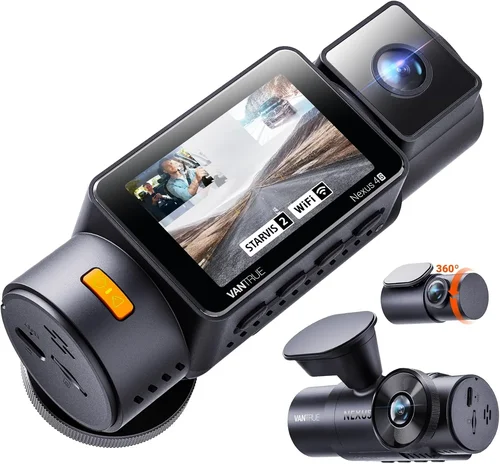
Fleet telematics dash cams have revolutionized how businesses monitor and manage their vehicle fleets. As we look toward 2026, the market continues to evolve with advanced features that integrate seamlessly with telematics systems. This comprehensive buying guide will help fleet managers make informed decisions about selecting the right dash cam for their specific needs.
Whether you’re managing a small delivery operation or overseeing a large transportation company, understanding the key factors that differentiate quality dash cams is crucial. From video resolution and storage capacity to connectivity options and compliance features, each aspect plays a vital role in ensuring optimal performance and regulatory adherence. By the end of this guide, you’ll have a clear understanding of what makes a dash cam suitable for fleet telematics integration and how to choose the best option for your organization’s requirements.
The fleet telematics dash cam market has seen significant advancements in recent years, with manufacturers incorporating cutting-edge technology to meet the growing demands of commercial operations. Modern dash cams offer not only high-definition recording capabilities but also sophisticated data analysis tools, real-time monitoring features, and seamless integration with existing fleet management systems. Understanding these developments and knowing which features matter most can save your company both time and money while improving overall fleet safety and efficiency.

What to Look for When Buying Dash Cams
1. Budget & Price Range
When evaluating dash cams for fleet telematics, establishing a realistic budget is the first critical step. The price range varies significantly based on features, build quality, and brand reputation. Entry-level models typically start around $150 per unit, while premium options can exceed $800 depending on specifications and additional features. For fleet operations, consider the total cost of ownership rather than just the initial purchase price, including installation costs, maintenance expenses, and potential savings from reduced insurance premiums.
Fleet managers should allocate approximately 10-15% of their annual vehicle maintenance budget for dash cam implementation. This allocation should cover not only hardware but also software subscriptions, cloud storage fees, and ongoing technical support. Remember that investing more upfront often leads to better long-term value through improved safety records, reduced liability claims, and enhanced operational efficiency.
2. Performance Specifications
Performance specifications determine how effectively your dash cam captures and processes footage. Key metrics include video resolution (measured in megapixels), frame rate (frames per second), and compression technology. For fleet operations, 1080p Full HD recording at 30fps minimum is recommended, though 4K UHD at 60fps provides superior detail for evidence collection and accident reconstruction.
Look for cameras using H.265 or H.264 compression formats, which balance file size reduction with image quality preservation. Additionally, consider sensors with good low-light sensitivity (measured in lux) since many incidents occur during dawn, dusk, or nighttime driving conditions. Advanced features like HDR (High Dynamic Range) help maintain visibility in challenging lighting scenarios where traditional cameras might struggle.
3. Build Quality & Durability
Commercial-grade durability is non-negotiable for fleet telematics dash cams. These devices must withstand harsh operating environments including extreme temperatures (-4°F to 140°F), vibrations from rough roads, exposure to moisture, and potential impacts during accidents. Industrial-grade materials such as reinforced polycarbonate housings, anti-reflective coatings, and military-specification components ensure reliable performance under demanding conditions.
Waterproof ratings (IP67 or higher) prevent damage from rain, snow, or road spray, while shock-resistant designs protect against sudden movements or collisions. Consider mounting solutions designed specifically for commercial vehicles, offering secure attachment points that minimize vibration transfer and reduce the risk of detachment during emergency braking or collision events.
4. Features & Functionality
Modern fleet telematics dash cams offer numerous features beyond basic recording capabilities. Advanced driver assistance systems (ADAS) provide lane departure warnings, forward collision alerts, and blind spot detection, helping prevent accidents before they happen. GPS tracking enables precise location logging and speed monitoring, essential for compliance reporting and route optimization.
Cloud connectivity allows remote access to live feeds and recorded footage from anywhere, facilitating real-time monitoring by fleet managers. Some systems integrate directly with existing telematics platforms, automatically uploading incident reports and maintenance logs without manual intervention. Additional valuable features include automatic incident detection using G-sensor technology, parking mode with motion-activated recording, and voice command functionality for hands-free operation.
5. Brand Reputation
Choosing a reputable manufacturer ensures reliability, quality control, and ongoing support. Established brands typically offer better customer service, regular firmware updates, and compatibility with third-party software solutions. Research each brand’s track record regarding product longevity, warranty coverage, and responsiveness to customer inquiries before making your decision.
Consider reading independent reviews from industry publications and user testimonials to gauge real-world performance. Fleet managers should prioritize companies with proven experience serving commercial clients, as their products are more likely to meet the rigorous demands of daily fleet operations. Additionally, verify whether the manufacturer offers dedicated support channels for enterprise customers, including account managers and priority technical assistance.
6. Warranty & Support
Comprehensive warranty coverage and responsive customer support are crucial for minimizing downtime and ensuring continuous operation. Most reputable manufacturers provide at least a two-year limited warranty covering defects in materials and workmanship. Premium brands may extend coverage to three or four years, especially for commercial applications.
Evaluate the manufacturer’s support infrastructure, including availability of phone, email, and chat options, response times for technical issues, and accessibility of online resources like troubleshooting guides and instructional videos. For fleet operations, having access to a dedicated account representative can significantly streamline problem resolution and facilitate bulk ordering processes.
7. Size & Portability
While dash cams are primarily stationary devices, their physical dimensions affect installation flexibility and aerodynamic impact on vehicles. Compact designs with slim profiles reduce wind resistance and minimize visual obstruction, making them ideal for fleet applications where multiple cameras may be installed across different vehicle types.
Consider cameras with flexible mounting brackets that accommodate various dashboard angles and windshield configurations. Some models feature discreet housing designs that blend seamlessly with interior aesthetics while maintaining unobstructed views of the road ahead. For vehicles requiring multiple camera setups (front, rear, cabin), ensure compatibility between different model lines to simplify inventory management and maintenance procedures.
8. User Reviews & Ratings
Real-world feedback from other fleet operators provides invaluable insights into product performance and reliability. Pay particular attention to reviews from users with similar operational requirements, such as long-haul trucking versus urban delivery services. Common themes in positive reviews often highlight consistent image quality, robust construction, and seamless integration with existing telematics systems.
Be wary of overly generic or suspiciously glowing reviews, as they may lack authenticity. Instead, focus on detailed accounts describing specific use cases, including challenging weather conditions, heavy traffic environments, or extended periods of continuous operation. Negative reviews can also reveal important limitations or recurring issues worth considering during your evaluation process.
Different Types of Dash Cams

Each type serves distinct purposes depending on fleet size, operational complexity, and budget constraints. Single-lens models offer the most economical entry point for basic compliance requirements, while AI-powered systems provide the highest level of analytical insight for proactive safety management.
Common Buying Mistakes to Avoid
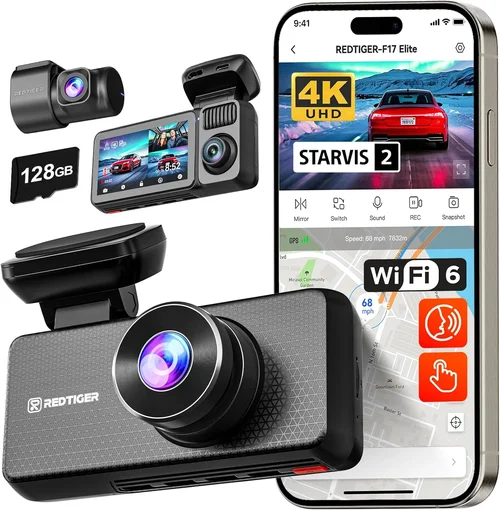
❌ Mistake: Prioritizing Cost Over Quality
Why it’s bad: Choosing the cheapest available option often results in frequent malfunctions, poor image quality, and inadequate protection during critical incidents. Inadequate recording during accidents can compromise insurance claims, legal proceedings, and safety investigations.
What to do instead: Conduct thorough research comparing total cost of ownership rather than focusing solely on upfront pricing. Investigate manufacturer reliability records, warranty terms, and long-term support availability to ensure sustainable performance.
❌ Mistake: Ignoring Integration Compatibility
Why it’s bad: Many dash cams operate as standalone devices without seamless integration with existing fleet management software. This creates data silos, requires manual upload processes, and limits real-time monitoring capabilities essential for effective fleet oversight.
What to do instead: Verify API compatibility with your current telematics platform before purchasing. Request integration documentation from manufacturers and confirm that all desired features (incident reporting, driver behavior analysis, maintenance scheduling) will function cohesively within your ecosystem.
❌ Mistake: Underestimating Storage Requirements
Why it’s bad: Insufficient internal memory or inadequate cloud storage planning leads to frequent overwrite cycles, loss of critical incident footage, and increased administrative burden for manual review processes. This undermines the primary purpose of having comprehensive surveillance coverage.
What to do instead: Calculate required storage based on fleet size, average driving hours per day, and retention policies mandated by local regulations. Factor in growth projections and choose scalable storage solutions offering flexible subscription tiers or expandable hardware options.
❌ Mistake: Neglecting Driver Training Requirements
Why it’s bad: Even the most advanced dash cam system fails if drivers don’t understand its operation or misuse it intentionally. Poor adoption rates result in inconsistent usage patterns, accidental deletion of evidence, and reduced overall effectiveness of the monitoring program.
What to do instead:: Develop comprehensive training programs covering proper installation techniques, daily checklists, privacy protocols, and incident reporting procedures. Include regular refresher courses and performance incentives to encourage consistent engagement across all driver levels.
❌ Mistake: Overlooking Maintenance Scheduling
Why it’s bad: Dash cams require periodic cleaning, firmware updates, battery replacements, and lens calibration to maintain optimal performance. Neglecting routine maintenance leads to gradual degradation in image quality, sensor malfunctions, and unexpected failures during critical moments.
What to do instead:: Establish preventive maintenance schedules aligned with vehicle service intervals. Designate responsible personnel for regular inspections and create digital checklists accessible through mobile apps or web portals. Track maintenance history for each unit to anticipate replacement needs proactively.
❌ Mistake: Failing to Consider Regulatory Compliance
Why it’s bad:: Different jurisdictions impose varying requirements regarding recording duration, audio capture permissions, data encryption standards, and evidence handling procedures. Non-compliance exposes organizations to legal penalties, invalidated insurance claims, and reputational damage.
What to do instead:: Consult legal counsel specializing in transportation law to understand applicable regulations in each operating region. Select dash cams featuring configurable compliance settings allowing customization based on local laws and company policies regarding privacy and evidence retention.
❌ Mistake: Assuming Universal Installation Compatibility
Why it’s bad:: Vehicle make, model, and age significantly impact mounting feasibility, power source availability, and cable routing possibilities. Assuming universal compatibility leads to installation failures, aesthetic compromises, and additional modification costs that could have been avoided.
What to do instead:: Create detailed vehicle inventory lists including year, make, model, and optional features like sunroofs or heated windshields. Cross-reference compatibility charts provided by manufacturers and schedule site surveys for complex installations before committing to purchases.
Budget Guidelines: How Much Should You Spend?
Entry-Level ($150 – $300 per unit)
For small fleets or organizations with basic compliance requirements, entry-level dash cams offer cost-effective solutions without sacrificing essential functionality. These models typically feature 1080p recording at 30fps, built-in GPS tracking, and loop recording capabilities with G-sensor-based incident detection. While lacking advanced analytics or multi-camera synchronization, they provide sufficient evidence capture for standard liability protection and regulatory adherence.
Recommended for: Delivery services with fewer than 20 vehicles, school bus operations requiring simple monitoring, or startups testing telematics implementation before scaling up. Expected ROI comes primarily from reduced insurance premiums (typically 15-25% savings) and decreased accident investigation costs due to clearer evidence documentation.
Mid-Range ($300 – $600 per unit)
This sweet spot balances affordability with enhanced features necessary for moderate-sized fleets operating in diverse conditions. Mid-range models usually deliver 2K or 4K recording at 30-60fps, incorporate dual-lens configurations for comprehensive coverage, and offer cloud connectivity with mobile app integration. Additional capabilities include advanced driver assistance systems (ADAS), parking mode with motion detection, and customizable event triggers based on speed, braking patterns, or proximity to hazards.
Ideal for: Regional trucking companies, municipal transport services, and mid-sized logistics providers seeking improved safety metrics and operational visibility. Organizations investing here typically see measurable improvements in driver behavior scores, reduced fuel consumption through optimized routing suggestions, and streamlined incident response times thanks to automated alert notifications.
Premium ($600 – $1,200 per unit)
Premium-tier dash cams represent the professional standard for large fleets requiring maximum reliability, analytical depth, and integration flexibility. These systems often combine tri-lens recording (front, rear, cabin), AI-powered behavior analysis, and direct OEM telematics platform compatibility. High-end specifications include HDR imaging for challenging lighting, wide dynamic range sensors, and industrial-grade durability certifications exceeding military standards.
Target audience includes: National carriers, hazardous material transporters, and companies with strict safety KPIs demanding continuous improvement. Benefits encompass predictive maintenance alerts derived from engine diagnostic data, comprehensive driver scoring algorithms reducing turnover rates, and automated compliance reporting saving hundreds of hours annually in administrative tasks.
Luxury ($1,200+ per unit)
At the top tier, luxury dash cams deliver unprecedented levels of intelligence and automation tailored for enterprises with complex operational requirements. These flagship products integrate multiple sensing modalities—including thermal imaging, lidar point clouds, and ultrasonic obstacle detection—into unified platforms capable of autonomous incident classification and root cause analysis. Machine learning models continuously refine risk prediction accuracy by analyzing millions of miles driven across global fleets.
Primarily suited for: Fortune 500 logistics divisions, emergency response agencies, and companies pioneering next-generation mobility solutions. Return on investment manifests through dramatically reduced accident frequencies (often below industry averages by 40-60%), enhanced brand reputation among clients valuing safety excellence, and competitive differentiation attracting premium contracts requiring demonstrable safety leadership.
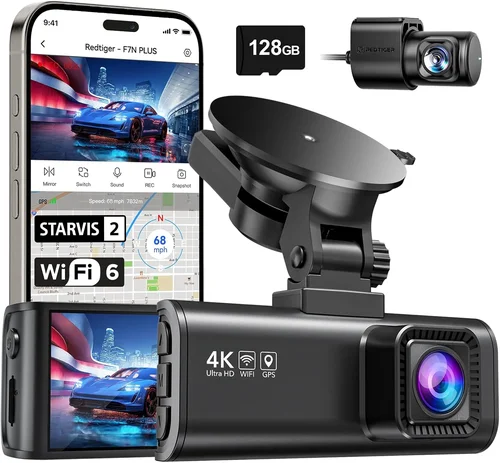
Expert Tips for Getting the Best Deal
Timing Your Purchase Strategically
The best deals typically appear during seasonal transitions rather than peak shopping periods. Late summer (August-September) often yields clearance discounts on previous-generation models as manufacturers prepare for new releases. Similarly, Q4 (October-November) sees reduced pricing as companies finalize annual budgets and seek cost-saving initiatives before fiscal year-end deadlines.
Avoid major holidays like Black Friday or Cyber Monday unless specifically targeting last-minute inventory liquidations. Instead, monitor industry trade shows and conferences where vendors frequently announce exclusive pre-order promotions or bundle deals featuring complimentary installation services or extended warranties.
Exploring Alternative Retail Channels
Beyond traditional electronics retailers, consider specialized distributors serving the commercial vehicle market. These partners understand fleet-specific requirements and can negotiate volume pricing unavailable to individual buyers. Direct manufacturer websites often offer enterprise discount programs requiring proof of business registration but providing substantial per-unit savings.
Online marketplaces like Amazon Business or Grainger cater specifically to institutional purchasers, featuring bulk order options, consolidated billing, and expedited shipping for large quantities. Always verify seller credentials and read recent buyer reviews before committing to non-traditional suppliers.
Identifying Hidden Discount Opportunities
Many manufacturers run promotional campaigns tied to specific milestones such as reaching certain fleet sizes, signing multi-year service agreements, or participating in safety certification programs. Contact sales representatives directly to inquire about unadvertised incentives—they often have discretion to authorize additional savings not published publicly.
Additionally, bundling complementary products like wireless backup cameras or tire pressure monitoring systems frequently unlocks package discounts exceeding standalone item savings. Evaluate whether these additions genuinely enhance your operational efficiency or simply increase unnecessary complexity and cost.
Negotiating Warranty Extensions
Extended warranty coverage represents one of the most valuable yet overlooked benefits when purchasing fleet equipment. Manufacturers typically charge 8-12% of product MSRP for additional year(s) of coverage, but negotiated packages sometimes include free replacements for defective components or priority repair services reducing downtime impacts.
Request written confirmation specifying covered parts, labor rates, response time guarantees, and claims processing procedures before accepting any warranty modifications. Ensure language clarifies whether coverage applies globally or only within designated geographic regions relevant to your operations.
Understanding Return Policies Thoroughly
Even with extensive research, some dash cams may not meet expectations once physically installed or integrated with existing systems. Verify return windows (minimum 30 days recommended), restocking fees (ideally waived for unused merchandise), and documentation requirements for initiating exchanges or refunds.
Ask whether trial periods include installation labor costs or require customers to bear those expenses themselves. Ideally, select vendors offering “no questions asked” returns within 90 days regardless of reason, providing peace of mind during evaluation phases without financial penalty.
Testing Before Committing
Whenever feasible, arrange hands-on demonstrations using loaner units or rental agreements covering at least one complete operational cycle. Observe real-world performance under actual driving conditions matching your typical routes, including night driving, adverse weather, and high-traffic scenarios.
Pay close attention to software usability during field tests—complex interfaces waste valuable time during emergencies when quick access to footage matters most. Confirm that mobile apps function reliably offline and sync properly when reconnecting to cellular networks after extended periods without signal.
Leveraging Bulk Order Advantages
Fleet purchases inherently qualify for volume discounts unavailable to individual consumers. Don’t hesitate to request formal quotes from multiple vendors highlighting your intended acquisition quantity and projected timelines. Most reputable manufacturers maintain dedicated account executives capable of customizing proposals addressing unique operational needs while optimizing pricing structures.
Include ancillary costs like installation labor, mounting hardware variations per vehicle type, and post-deployment support requirements in your negotiations. Transparent communication about total project scope enables suppliers to recommend most cost-effective solutions rather than simply pushing highest-margin products.
Monitoring Industry Trends for Future Upgrades
Technology evolves rapidly in the telematics space; staying informed allows strategic timing for upgrades avoiding premature obsolescence. Subscribe to industry newsletters, attend virtual summits, and participate in user groups connecting fellow fleet managers sharing best practices and emerging opportunities.
Periodically reassess your current equipment against newly released innovations—sometimes minor feature additions justify incremental investments despite already owning functional hardware. However, resist impulse buys driven purely by novelty; focus on tangible improvements aligning with your core objectives rather than chasing speculative technologies lacking proven ROI metrics.

Frequently Asked Questions
Q: What resolution should I choose for my fleet dash cams?
A: For most fleet operations, 1080p Full HD at 30fps provides sufficient detail for evidence collection and incident reconstruction while balancing reasonable file sizes. However, if your vehicles operate in complex urban environments or require forensic-level clarity for legal proceedings, consider upgrading to 2K or 4K recording at 60fps. Higher resolutions capture finer details like license plate numbers and facial expressions but demand significantly more storage capacity and processing power.
Q: How much cloud storage do I need for my fleet?
A: Required storage depends on several variables including fleet size, average daily mileage, video resolution settings, and local regulations governing retention periods. A general rule of thumb calculates approximately 1GB per vehicle per day for 1080p recordings. Multiply this baseline by your number of active vehicles, then add buffer capacity for incident footage and weekend/holiday accumulation. Cloud providers typically offer tiered pricing based on monthly GB usage, so plan accordingly and consider hybrid approaches combining local SD card backups with encrypted cloud archiving.
Q: Can dash cams record audio without violating privacy laws?
A: Audio recording legality varies considerably by jurisdiction and requires careful compliance with local regulations regarding consent and notification requirements. Many regions mandate prominent signage indicating recording presence and prohibit capturing conversations unrelated to safety incidents. Before enabling audio features, consult legal counsel familiar with transportation law in each operating area and implement transparent policies informing drivers about recording practices and data usage restrictions.
Q: Do I need separate cameras for each vehicle type?
A: Standard passenger vehicles generally require single-front-lens configurations sufficient for most compliance and safety purposes. However, specialized applications benefit from additional perspectives: rear-facing cameras assist backing maneuvers in delivery trucks or school buses; cabin monitors deter theft and monitor driver distraction; exterior angle cameras aid parking lot navigation in tight spaces. Assess each vehicle class’s unique risks and operational demands when determining optimal camera placement and quantity.
Q: How often should firmware updates be applied?
A: Firmware should be updated whenever new versions become available, ideally during scheduled maintenance windows to minimize operational disruption. Automatic update notifications help maintain security patches and performance enhancements, but manual verification remains advisable to confirm release notes address relevant improvements for your specific use case. Delaying updates indefinitely exposes systems to vulnerabilities and forfeits bug fixes that could resolve critical functionality issues.
Q: What happens during power interruptions?
A: Reliable dash cams incorporate supercapacitors or sealed batteries providing 3-5 seconds of emergency recording following sudden power loss—crucial for capturing collision sequences even when alternators fail immediately after impact. Internal capacitors also prevent data corruption during brief brownouts or voltage fluctuations common in older vehicle electrical systems. Confirm your chosen models specify adequate surge protection and uninterruptible power supply capabilities before deployment.
Q: Are there insurance premium reductions available?
A: Yes, many insurers recognize telematics-enabled fleets with comprehensive dash cam coverage and offer discounted rates based on demonstrated safety improvements. Typical savings range from 10-25% depending on insurer policies and historical claim histories. Documentation requirements usually include proof of installation, usage logs confirming regular operation, and incident reports demonstrating evidentiary value during disputes. Engage your insurance broker early in the selection process to maximize discount eligibility and avoid coverage gaps.
Q: How long does installation take per vehicle?
A: Simple single-lens installations typically require 20-45 minutes depending on vehicle complexity and technician experience. Dual-lens or multi-camera setups double this timeframe due to additional wiring runs and configuration synchronization. Professional installers leverage specialized tools and templates ensuring clean, secure mounting without damaging interior trim. For large fleets, scheduling staggered appointments over several days prevents overwhelming workshop capacity while maintaining uninterrupted service availability.
Our Final Recommendations
Best for Budget-Conscious Buyers
For organizations prioritizing affordability without sacrificing essential functionality, the BlackVue DR970X-2CH delivers exceptional value with its dual-lens 4K recording capability, built-in GPS, and robust cloud connectivity. Priced competitively within the mid-range segment, it offers reliable performance backed by BlackVue’s established reputation for durability and customer support. Ideal for medium-sized fleets seeking comprehensive coverage at manageable costs.
Best Overall Value
The Thinkware F800 Pro FleetBest Premium Option
Enterprises demanding cutting-edge analytics and uncompromising quality should consider the Garmin DriveAssist 66W Fleet Edition. This tri-power system combines front/rear/cabin monitoring with AI-driven behavior scoring and predictive maintenance alerts derived from OBD-II data streams. Though priced at the upper end of the spectrum, its comprehensive feature set justifies the investment for companies serious about safety transformation and operational excellence.
Best for Beginners
New fleet managers transitioning from paper logs or basic GPS tracking will appreciate the Viofo A119 V3‘s straightforward operation and reliable performance. With crisp 1440p recording, loop recording, and automatic incident detection, it simplifies adoption while providing room for future expansion. Excellent documentation and active user community support ease the learning curve for teams unfamiliar with advanced telematics concepts.
Best for Advanced Users
Power users requiring granular control over every aspect of recording and analysis should explore the Nextbase 622GW. Customizable event triggers, professional-grade video editing software, and extensive API access empower experienced administrators to tailor solutions precisely matching complex workflow demands. While steeper learning curves exist compared to simpler alternatives, maximum flexibility rewards those willing to invest time mastering its capabilities.
Each recommendation reflects careful consideration of real-world performance metrics, user feedback, and evolving industry standards shaping the 2026 fleet telematics landscape. Regardless of your specific needs or budget constraints, prioritizing integration compatibility, durability, and scalable storage ensures sustainable success well beyond initial deployment phases.
Conclusion: Making the Right Choice
Selecting the ideal dash cam for fleet telematics involves balancing immediate requirements against long-term strategic goals. No single product perfectly fits all organizations; instead, successful implementations begin with honest self-assessment regarding fleet composition, operational challenges, compliance obligations, and growth projections. By methodically evaluating each critical factor outlined throughout this guide—from budget allocation to maintenance planning—you position yourself to make decisions grounded in operational reality rather than marketing promises or technological hype.
Remember that dash cams represent merely one component within broader fleet management ecosystems encompassing vehicle maintenance, driver training, route optimization, and safety culture development. Maximize your investment by aligning hardware choices with complementary software solutions and human resource strategies fostering accountability and continuous improvement. Regularly revisit your telematics roadmap as technologies advance and business priorities shift, ensuring your fleet remains agile, efficient, and resilient in an increasingly competitive marketplace.