Best Dash Cam Buying Guide for Fleet Telematics
Why This Guide Matters for Fleet Managers
In today’s competitive logistics and transportation landscape, fleet telematics has evolved from a luxury to a necessity. At the heart of this transformation lies dash cam technology—not just as a simple recording device, but as a critical component in risk management, driver accountability, and operational efficiency. For fleet managers, investing in the right dash cams means more than capturing road incidents; it translates into substantial cost savings, reduced insurance premiums, and improved driver behavior. However, with dozens of models flooding the market and technical specifications that can be overwhelming, making an informed decision becomes challenging. This comprehensive guide cuts through the noise to help you understand exactly what matters when selecting dash cams for your fleet telematics system.
What You’ll Learn From This Guide
By the end of this detailed analysis, you’ll have a clear understanding of how dash cams integrate with broader fleet management systems, what performance metrics truly matter for commercial vehicles, and how to evaluate products based on real-world use cases rather than marketing hype. We’ll explore everything from video resolution requirements and storage solutions to advanced features like AI-powered incident detection and cloud integration capabilities. Most importantly, we’ll provide practical recommendations tailored to different fleet sizes, operating conditions, and budget constraints—ensuring you can make decisions that deliver measurable ROI while enhancing overall safety across your entire operation.
The Evolution of Dash Cams in Modern Telematics
Dash cams were initially conceived as simple black boxes designed to record accidents and provide evidence in case of disputes. Today, they’ve become sophisticated data collection tools that feed valuable insights into fleet operations. Modern commercial-grade dash cams are engineered specifically for 24/7 monitoring, harsh environmental conditions, and seamless integration with GPS tracking, vehicle diagnostics, and driver performance analytics. The best models now offer features such as automatic emergency recording, driver fatigue detection, collision warnings, and even predictive maintenance alerts based on driving patterns. When properly configured within a telematics ecosystem, these devices transform raw footage into actionable intelligence that helps optimize routes, reduce fuel consumption, minimize liability exposure, and create a culture of safety throughout your organization.

What to Look for When Buying Dash Cams
Budget & Price Range
Determining your budget upfront is crucial because dash cam quality varies significantly across price points. Entry-level models may suffice for small fleets with basic needs, but larger operations requiring advanced analytics and robust support will need to invest in higher-end solutions. Consider not only the initial purchase cost but also long-term expenses like memory cards, software subscriptions, installation fees, and potential upgrades. Many manufacturers bundle dash cams with telematics platforms or offer tiered pricing based on fleet size—take advantage of these packages if they align with your requirements. Always factor in total cost of ownership rather than focusing solely on upfront savings.
Performance Specifications
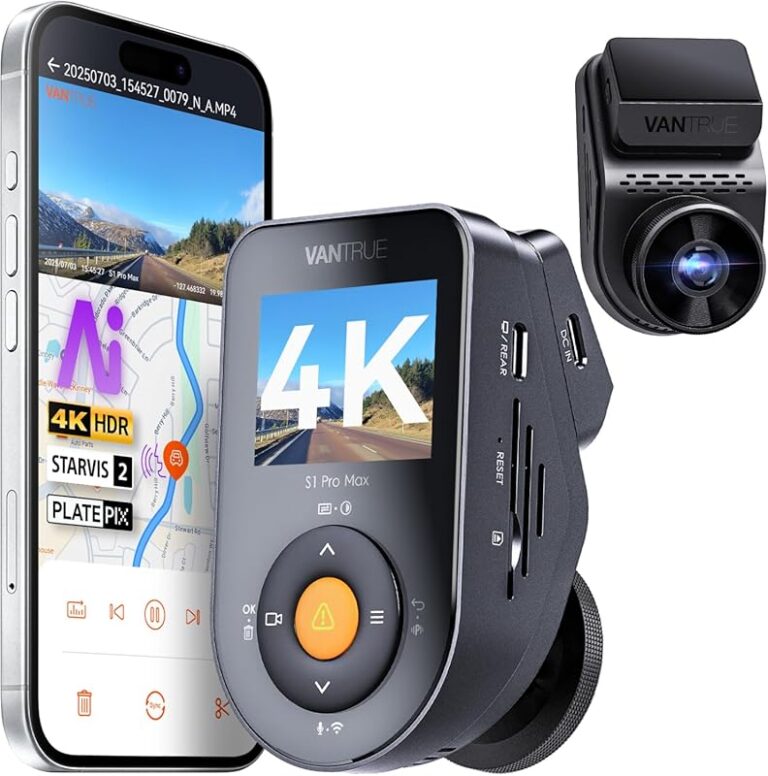
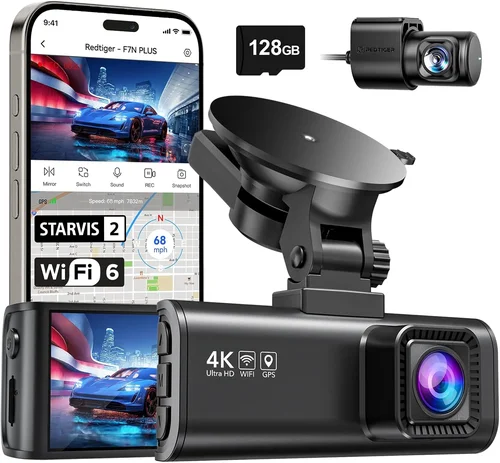
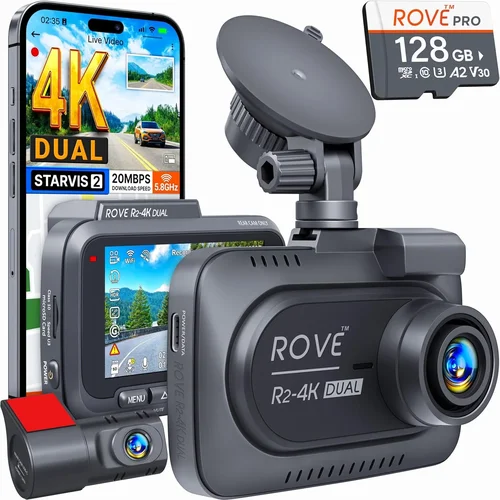
Video quality remains one of the most important factors when evaluating dash cams for fleet applications. Look for at least 1080p Full HD resolution with high frame rates (30fps minimum) to ensure clear capture during fast-moving scenarios or sudden stops. Dual-channel cameras—recording both front and interior cab views—are essential for comprehensive coverage. Advanced sensors like Sony Starvis provide superior low-light performance, which is vital during dawn, dusk, or nighttime driving. Additionally, consider field of view (FOV); wider angles reduce blind spots but can distort distant objects. A balanced FOV around 130–150 degrees typically offers optimal coverage without excessive distortion.
Build Quality & Durability
Commercial vehicles operate under demanding conditions—extreme temperatures, vibrations, dust, moisture, and constant motion. Therefore, build quality directly impacts reliability and lifespan. Seek dash cams constructed with ruggedized materials, shock-resistant housings, and IP-rated seals against water and debris ingress. Internal components should withstand temperature fluctuations from -20°C to +70°C without malfunctioning. Mounting systems must securely attach to various dashboard configurations while allowing easy removal for maintenance or transfer between vehicles. Brands known for industrial-grade electronics often deliver better durability compared to consumer-focused competitors.
Features & Functionality
Beyond basic recording, modern dash cams offer numerous features that enhance their utility within fleet telematics ecosystems. Key functionalities include:
– Loop recording: Automatically overwrites oldest files when storage fills up
– G-sensor activation: Triggers event file saving upon impact detection
– Parking mode: Continues monitoring even when vehicle is off (via hardwiring)
– Wi-Fi connectivity: Enables wireless firmware updates and file transfers
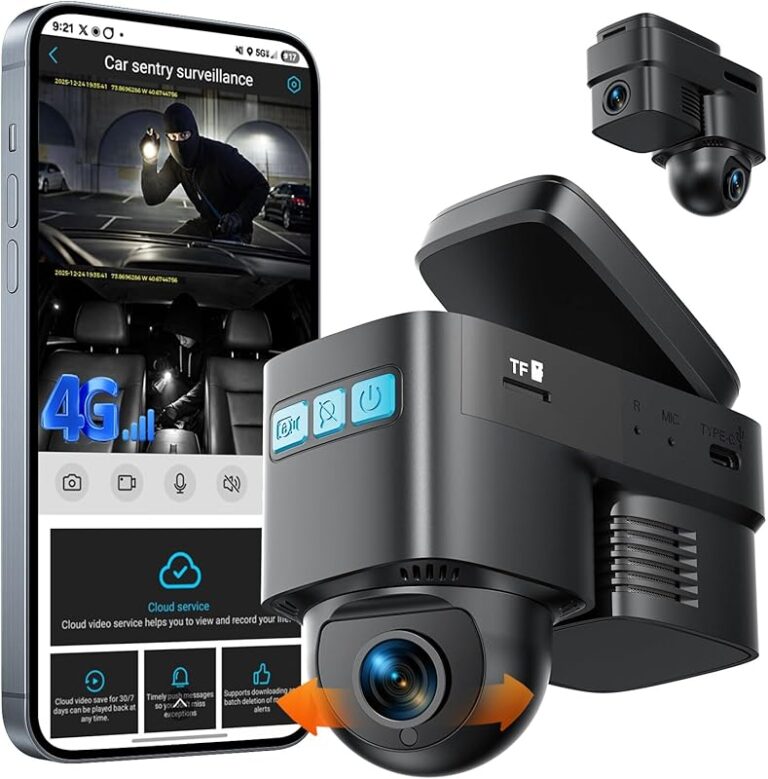
– Cloud synchronization: Stores critical events securely offsite
– Driver identification: Recognizes individual drivers through facial recognition or RFID tags
– Real-time alerts: Notifies managers about unsafe behaviors like harsh braking or speeding
– Integration APIs: Allows seamless connection with existing telematics platforms
Prioritize features that align with your specific operational goals—whether it’s compliance reporting, coaching drivers, or investigating incidents.
Brand Reputation
Established brands typically offer greater reliability, consistent software updates, responsive customer service, and proven track records in commercial environments. Research user reviews across multiple forums, industry publications, and peer recommendations before committing to a particular manufacturer. Pay attention to how companies handle firmware bugs, warranty claims, and technical support availability. Some well-regarded names in the fleet space include Garmin, BlackVue, Samsara, Lytx, and Nextbase, though newer entrants also bring innovative approaches worth considering.
Warranty & Support
A solid warranty demonstrates confidence in product longevity and protects your investment against manufacturing defects. Look for at least a two-year comprehensive warranty covering hardware and software issues. Extended warranty options may be available for additional peace of mind. Equally important is the quality of technical support—responsive live chat, detailed documentation, online troubleshooting guides, and dedicated account managers all contribute positively to user experience. Verify whether local distributors exist in your region to expedite repairs or replacements.
Size & Portability
While less critical than other factors for fixed installations, size considerations still apply depending on your mounting preferences and aesthetic requirements. Compact designs save space on crowded dashboards and reduce visual clutter, which can distract drivers. Slim profiles also make installation easier in tight quarters or vehicles with limited clearance above the windshield. Conversely, some users prefer slightly larger units for better heat dissipation or enhanced button accessibility. Ensure the chosen model fits comfortably within your vehicle’s interior layout without obstructing instrument panels or airbags.
User Reviews & Ratings
Real-world feedback from fellow fleet operators provides invaluable insights beyond spec sheets and marketing claims. Scour trusted review sites, professional blogs, and social media groups focused on commercial vehicle technology. Pay special attention to recurring complaints about battery life, connectivity problems, or software glitches. Positive mentions of ease-of-use, integration capabilities, and reliable performance indicate models likely to meet your expectations. Remember that individual experiences vary based on usage patterns, so cross-reference several sources before drawing conclusions.
Different Types of Dash Cams

Common Buying Mistakes to Avoid
❌ Mistake: Choosing Based Solely on Price
Why it’s bad: Low-cost dash cams often compromise on build quality, sensor performance, and feature sets, leading to unreliable recordings that fail during critical moments. These devices may lack necessary integrations, consume excessive power, or require frequent replacements—ultimately costing more over time.
What to do instead: Prioritize value over lowest price. Allocate sufficient budget for reputable brands offering durable construction, adequate resolution, and compatible software ecosystems. Conduct thorough trials if possible before full deployment.
❌ Mistake: Ignoring Compatibility With Existing Systems
Why it’s bad: Installing incompatible dash cams results in wasted resources, duplicated efforts, and fragmented data streams. Without proper integration, footage remains siloed, limiting its usefulness for incident reconstruction or performance benchmarking.
What to do instead: Verify API availability, supported protocols (CAN bus, OBD-II), and platform compatibility early in your evaluation process. Request demo accounts or trial licenses to test interoperability hands-on.
❌ Mistake: Overlooking Storage Management
Why it’s bad: Inadequate storage planning leads to loss of critical event footage due to premature overwrite cycles. Manual file management becomes burdensome, especially in large fleets where thousands of hours accumulate daily.
What to do instead: Choose models supporting expandable storage, automated cloud backup, or intelligent retention policies. Factor in average recording duration, event file sizes, and required archival periods when calculating capacity needs.
❌ Mistake: Skipping Driver Training and Acceptance
Why it’s bad: Poor adoption rates undermine ROI by reducing data quality and creating tension between management and drivers. Unmonitored or misunderstood devices fail to achieve intended safety benefits.
What to do instead: Invest in comprehensive orientation sessions explaining privacy safeguards, data usage policies, and positive reinforcement strategies. Solicit feedback regularly to address concerns proactively.
❌ Mistake: Neglecting Environmental Resilience
Why it’s bad: Standard consumer-grade units degrade rapidly under commercial conditions—exposed to extreme heat, vibration, humidity, or salt spray. Malfunctions occur unpredictably, jeopardizing evidence integrity.
What to do instead: Select industrial-grade certifications (IP65+, MIL-STD) and confirm operating temperature ranges exceed your typical climate extremes. Test prototypes in representative environments before mass rollout.
❌ Mistake: Assuming All Features Are Equal
Why it’s bad: Feature bloat without purpose wastes money and complicates usability. Unnecessary add-ons increase complexity, drain battery life, and distract drivers during operation.
What to do instead: Define core requirements first—then compare offerings against those criteria. Eliminate redundant or rarely used functions to simplify workflows and lower total cost.
Budget Guidelines: How Much Should You Spend?
Entry-Level ($50 – $150): What to Expect
This range suits startups, independent contractors, or small delivery services needing foundational coverage without breaking the bank. Products here typically deliver 1080p single-lens recording, loop functionality, and basic motion detection. While acceptable for occasional use, expect limited advanced features, shorter warranties, and potentially inferior low-light handling. Ideal candidates include part-time gig workers or hobbyists testing dash cam concepts before scaling up.
Mid-Range ($200 – $600): Sweet Spot for Most Buyers
The majority of fleet operators benefit most from mid-tier solutions balancing affordability with enhanced reliability. At this level, you’ll find dual-lens setups, improved image sensors, stronger build materials, and expanded connectivity options like Wi-Fi or Bluetooth. Many models introduce cloud syncing, mobile apps, and rudimentary driver alerts. This segment represents the optimal trade-off between capability and cost for growing businesses aiming to establish systematic monitoring protocols.
Premium ($600 – $1,500): For Enthusiasts and Professionals
High-performance fleets operating in hazardous conditions or handling sensitive cargo demand top-shelf hardware. Premium units boast 4K recording, HDR imaging, thermal cameras, AI-assisted analytics, and military-grade durability. They frequently integrate deeply with enterprise telematics suites, offering granular driver behavior metrics, predictive maintenance triggers, and regulatory compliance reporting. Though pricier, these investments pay dividends through reduced incidents, optimized fuel economy, and stronger legal defensibility.
Luxury ($1,500+): Top-Tier Features
Ultra-premium dash cams target specialized markets like autonomous trucking pilots, emergency response vehicles, or high-value asset transport. Such systems incorporate redundant power supplies, satellite fallback communication, multi-spectral sensing (visible + infrared), and blockchain-secured audit trails. Customization options abound, including bespoke mounting brackets, proprietary software stacks, and concierge-level technical assistance. Only justified when mission-critical outcomes outweigh substantial capital outlay.
Expert Tips for Getting the Best Deal
When to Buy Seasonal Sales and Timing
Monitor major shopping holidays like Black Friday, Cyber Monday, and post-holiday clearance events when retailers discount inventory to make room for new models. Additionally, manufacturers often announce refreshed versions annually, prompting markdowns on previous generations. Subscribe to brand newsletters and follow industry influencers who share exclusive promo codes or early access deals. Avoid purchasing immediately after product launches unless urgent—waiting 3–6 months usually yields steeper discounts.
Where to Buy Retailers vs Online vs Direct
Compare prices across authorized resellers, big-box stores, specialty tech shops, and manufacturer websites. Online marketplaces like Amazon frequently offer competitive pricing but verify seller ratings and return policies carefully. Physical retailers allow hands-on inspection and immediate pickup, whereas direct purchases sometimes include bundled services or extended warranties. Always check for regional availability and shipping restrictions before finalizing transactions.
How to Spot Deals and Hidden Savings
Look beyond advertised MSRPs by researching historical pricing trends using third-party tools like CamelCamelCamel or Keepa. Subscribe to deal alert services that notify you when target items drop below threshold values. Beware of “too good to be true” offers—these may involve refurbished units sold as new or counterfeit products. Read fine print regarding included accessories, software licenses, and activation fees.
Warranty Considerations Beyond Manufacturer Coverage
Extend protection plans offered by third parties like SquareTrade or manufacturer-specific programs. Evaluate coverage scope: does it include accidental damage, theft, or international repairs? Understand claim procedures, deductibles, and repair turnaround times. Keep original receipts and packaging intact to streamline returns.
Return Policies and Testing Before Committing
Insist on generous return windows (90 days minimum) and hassle-free restocking processes. Request loaner devices during setup phases to minimize downtime. Conduct field tests simulating real-world scenarios—mount units, simulate driving conditions, validate connectivity, and confirm integration workflows. Document any discrepancies and negotiate adjustments before signing contracts.

Frequently Asked Questions
Q: Can dash cams work without internet connection?
A: Yes, most dash cams record locally using internal memory cards and function independently offline. However, advanced features like cloud uploads, remote viewing, and real-time alerts require stable internet connectivity. Always ensure your chosen model supports offline operation for uninterrupted coverage during network outages.
Q: Do I need separate power sources for each camera in multi-unit setups?
A: Ideally, yes—each camera should receive dedicated power from the vehicle’s electrical system via hardwiring kits or fused circuits. Shared power lines risk voltage drops affecting image stability or triggering false alarms during engine startup surges. Professional installers typically route wires individually through factory harnesses for reliability.
Q: How often should I replace memory cards?
A: Replace cards every 6–12 months depending on usage intensity and write endurance ratings. High-capacity SDXC cards (256GB+) generally last longer but generate larger files. Opt for industrial-grade cards rated for continuous writing and equipped with wear-leveling algorithms. Monitor free space weekly to avoid buffer overflows erasing recent footage prematurely.
Q: Are dash cams legal everywhere?
A: Regulations vary by jurisdiction regarding audio recording, privacy laws, and public surveillance. In many regions, visible dash cams recording only external scenes are permitted, but concealed audio capture may violate wiretapping statutes. Consult local authorities and legal counsel before deploying systems in sensitive areas or jurisdictions with strict rules.
Q: What happens during sudden power loss?
A: Quality models incorporate supercapacitors or backup batteries to maintain recording briefly after ignition cutoff, preserving critical seconds of event footage. Supercapacitors charge quickly and survive thousands of cycles, while lithium backups offer longer holdover times but require periodic replacement. Confirm your unit’s emergency recording duration meets your minimum evidentiary requirements.
Q: Can dash cams detect drowsy driving?
A: Advanced AI-enabled units analyze head pose, blink frequency, and steering patterns to flag signs of fatigue or distraction. Accuracy depends heavily on lighting conditions, occlusions, and calibration settings. These alerts complement—but don’t replace—human supervision and scheduled breaks mandated by regulations like HOS logs.
Q: Should I mount cameras inside or outside the windshield?
A: Interior-facing lenses should always remain unobstructed and clean for accurate driver monitoring. Exterior units benefit from hydrophobic coatings and anti-glare treatments to combat rain, snow, or glare. Positioning matters too—avoid direct sun exposure to prevent lens flare or overheating. Follow manufacturer guidelines precisely for optimal performance.
Q: How do I integrate dash cam data with my existing telematics platform?
A: Check if your telematics provider lists certified dash cam partners or offers native SDKs for custom integrations. Common methods include FTP/SFTP transfers, RESTful APIs, MQTT messaging, or CAN bus overlays. Professional integrators can bridge gaps between disparate systems, ensuring unified dashboards and automated workflows.
Q: Is cloud storage secure?
A: Reputable providers employ AES-256 encryption both in transit and at rest, multi-factor authentication, and regular penetration testing. Review privacy policies regarding data retention periods, access controls, and compliance certifications (SOC 2, ISO 27001). Avoid free tiers with ambiguous terms; paid enterprise plans typically offer stronger safeguards.
Q: What’s the difference between loop recording and event locking?
A: Loop recording continuously overwrites oldest files once storage fills up, maintaining constant coverage except during locked events triggered by G-sensors or manual buttons. Event files remain untouched until manually deleted or uploaded, preventing accidental loss during routine cycling. Ensure your system defaults to event locking for maximum evidentiary integrity.
Our Final Recommendations
Best for Budget-Conscious Buyers
For small fleets or startups seeking affordable yet functional coverage, the Nextbase 522GW delivers excellent 1080p recording, built-in Alexa voice control, and robust build quality at under $200. Its intuitive interface and reliable performance make it ideal for beginners transitioning into telematics-based management.
Best Overall Value
The BlackVue DR900S-1CH strikes an outstanding balance between price, features, and durability. Offering 4K recording, superior night vision, cloud connectivity, and a 3-year warranty, it serves medium-sized operations needing dependable evidence capture without excessive complexity.
Best Premium Option
Enterprise fleets requiring cutting-edge analytics and seamless integration should consider the Samsara DV-1. This all-in-one solution combines dual-lens recording, AI-driven safety alerts, real-time health monitoring, and unparalleled scalability—making it perfect for organizations prioritizing data-driven decision-making.
Best for Beginners
Newcomers to fleet telematics will appreciate the Garmin Dash Cam Mini 2. Compact, easy-to-install, and compatible with Garmin’s ecosystem, it simplifies adoption while delivering respectable video quality and automatic updates.
Best for Advanced Users
Tech-savvy managers demanding granular control and customization options should explore the Lytx DriveCam Pro. Featuring advanced behavioral scoring, customizable alert thresholds, and deep integrations with HR systems, it empowers proactive coaching and compliance automation.
Conclusion: Making the Right Choice
Selecting the best dash cam for fleet telematics isn’t merely about comparing specs—it’s about aligning technology with your unique operational objectives, safety priorities, and growth trajectory. By focusing on proven performance indicators, prioritizing integration readiness, and accounting for real-world usage patterns, you position your organization for sustainable success. Remember that no single device fits every scenario; flexibility, scalability, and ongoing evaluation remain key to maximizing ROI. Start small if necessary, pilot promising candidates rigorously, and iterate based on feedback from drivers and supervisors alike. Ultimately, thoughtful investment in dash cam infrastructure lays the foundation for smarter routing, safer roads, and stronger bottom lines across your entire fleet operation.