Best Dash Cam for Firefighter Purchase Guide
Why choosing the right dash cam is crucial for firefighters
For firefighters, every second counts during emergency response. Whether you’re responding to a structure fire, medical emergency, or hazardous materials incident, having reliable video evidence can mean the difference between life and death. A quality dash cam isn’t just about recording traffic violations – it’s about capturing critical moments that could be used for training, investigation, accountability, or even legal protection. Fire departments across the country are recognizing this value, with many implementing fleet-wide dash cam programs to enhance safety, improve response efficiency, and provide objective documentation of incidents.
When it comes to selecting the best dash cam for firefighting operations, the requirements go far beyond what most consumers look for in personal vehicle cameras. Fire apparatus present unique challenges including extreme temperatures, high vibrations, limited power sources, and demanding operational environments. The camera must be able to withstand these conditions while delivering clear, reliable footage when it matters most. In this comprehensive guide, we’ll explore everything you need to know about choosing dash cams specifically designed for firefighter use, from essential features to budget considerations and expert recommendations.
What you’ll learn in this guide includes understanding the specialized needs of emergency responders, comparing different types of dash cams available on the market, identifying common pitfalls to avoid, and discovering which models offer the best combination of durability, functionality, and value for firefighting applications. By the end, you’ll have all the information needed to make an informed decision that enhances your department’s safety and operational effectiveness.

What to Look for When Buying Dash Cams
1. Budget & Price Range
The cost of dash cams for firefighters can vary dramatically based on the features, build quality, and intended use. While it might be tempting to choose the cheapest option available, remember that for emergency response vehicles, reliability is paramount. Entry-level models typically range from $50-150 and offer basic recording capabilities, but they often lack the durability and advanced features needed for professional fire service applications.
Mid-range options ($150-400) usually provide better build quality, improved night vision, and more robust mounting systems. These are often the sweet spot for most fire departments looking for a balance between cost and capability. Premium models ($400+) feature military-grade construction, superior image stabilization, enhanced storage options, and advanced connectivity features. For departments operating multiple apparatus or requiring specialized capabilities, investing in higher-end models may prove worthwhile through improved reliability and reduced maintenance costs.
Consider not just the initial purchase price but also long-term costs including storage media replacement, potential repairs, and any required software subscriptions. Some departments find that spreading costs over several years through phased implementation allows them to upgrade incrementally while staying within budget constraints.
2. Performance Specifications
Performance specifications determine how well your dash cam captures footage under various conditions. Resolution is the first consideration – most modern dash cams offer 1080p Full HD, but some premium models now support 4K recording. While 4K provides exceptional detail, it also creates larger file sizes that require more frequent storage management. For firefighting applications where quick access to recent footage is often critical, 1080p with efficient compression may offer the best balance.
Frame rate matters significantly too. Standard 30fps recording is adequate for most situations, but 60fps provides smoother motion capture during high-speed responses or complex rescue scenarios. Low-light performance is absolutely crucial for firefighters who often respond at night or in smoke-filled environments. Look for cameras with f/1.8 or lower aperture values, wide dynamic range (WDR), and infrared night vision capabilities.
Field of view (FOV) determines how much of the road ahead and around your vehicle you can capture. A 120-degree horizontal FOV offers good coverage without excessive distortion, while wider angles (150-170 degrees) can capture more surroundings but may introduce fish-eye distortion at the edges. Some advanced models offer dual-lens systems with different FOVs for simultaneous front and rear recording.
3. Build Quality & Durability
Fire apparatus operate in some of the harshest environments imaginable – extreme heat, cold, vibration, moisture, and physical impact are all daily realities. Your dash cam must withstand these conditions without failing when you need it most. Military-grade construction using materials like aluminum alloy housings and tempered glass lenses provides the best protection against shock, vibration, and temperature extremes.
Temperature tolerance is particularly important. Most consumer dash cams are rated for 0-60°C operation, but firefighting equipment must function reliably from -20°C to +70°C or beyond. Water resistance ratings (IP65 or higher) ensure the camera can handle rain, snow, and even hose-down cleaning procedures common in fire stations. Vibration resistance is equally critical – look for cameras specifically tested for automotive mounting with reinforced internal components.
Mounting systems should be secure enough to stay attached during emergency braking or collision impacts. Quick-release mounts allow easy removal for charging or data transfer, while still maintaining stability during operation. Some manufacturers offer specialized mounts designed specifically for emergency vehicles with additional padding and vibration dampening.
4. Features & Functionality
Advanced features can significantly enhance the usefulness of your dash cam for firefighting operations. Emergency recording modes automatically detect sudden stops, collisions, or other incidents and create separate, protected files that won’t be overwritten by regular loop recording. This ensures critical evidence is preserved regardless of storage capacity.
G-sensor technology automatically locks footage when impact is detected, providing crucial documentation for accident investigations or insurance claims. GPS tracking records location data alongside video timestamps, creating accurate records of response routes and incident locations. Some systems integrate with dispatch software to automatically tag footage with official incident numbers.
Loop recording allows continuous operation without manual intervention, automatically overwriting the oldest footage when storage fills up. However, for fire departments, you’ll want to understand exactly how this works – some models overwrite all footage indiscriminately, while others prioritize preserving emergency recordings. Wi-Fi connectivity enables wireless downloading of footage to tablets or smartphones, while built-in cellular modems allow direct uploading to cloud storage for remote access.
5. Brand Reputation
Choosing a reputable brand can provide peace of mind knowing you’re working with a company that stands behind its products. Established manufacturers like BlackVue, Garmin, Thinkware, and Nextbase have years of experience serving professional markets including law enforcement and emergency services. These companies invest heavily in research and development, quality control, and customer support.
Professional-grade dash cams often come with longer warranty periods (2-5 years compared to 1 year for consumer models) and dedicated technical support lines staffed by knowledgeable representatives familiar with fleet management needs. Customer reviews and testimonials from similar users can provide valuable insights into real-world performance and reliability.
Consider whether the manufacturer offers fleet management software solutions, centralized monitoring capabilities, or integration with existing department systems. Companies with strong dealer networks and authorized service centers can provide faster repair turnaround times and easier access to genuine replacement parts.
6. Warranty & Support
A comprehensive warranty demonstrates the manufacturer’s confidence in their product quality and provides important protection against unexpected failures. Professional dash cams typically offer 2-3 year warranties covering both hardware defects and component failures, while consumer models rarely exceed 1 year.
Look for warranties that cover accidental damage as well as manufacturing defects, especially for emergency vehicles that face higher risk of physical impact. Extended warranty options may be available for additional coverage beyond the standard period. Technical support should include multiple contact methods – phone, email, live chat, and possibly on-site service for large fleets.
Software updates are another important consideration. Regular firmware updates can add new features, improve performance, and fix security vulnerabilities. Manufacturers that provide ongoing support and update their software demonstrate commitment to long-term product viability rather than planned obsolescence.
7. Size & Portability
While dash cams are primarily designed for fixed installation, size and portability considerations can influence your choice depending on your specific needs. Compact designs (under 3 inches wide) fit neatly in instrument panels without obstructing controls or visibility. Slim profiles (under 1 inch thick) help maintain low profiles and reduce wind noise.
Portable or handheld models offer flexibility for recording incidents away from the apparatus, such as at fire scenes or accident investigations. These can be powered by batteries or external power banks, making them useful for extended operations. However, they lack the stability and mounting security of fixed installations and may not survive rough handling during emergencies.
Some departments prefer modular systems where multiple cameras can share a single power source and storage device, allowing different units to be deployed as needed. This approach requires careful planning of wiring harnesses and power distribution but can provide maximum flexibility for diverse operational scenarios.
8. User Reviews & Ratings
Real-world user experiences provide invaluable insights that specifications alone cannot convey. Pay particular attention to reviews from emergency services professionals rather than general consumer feedback. Look for patterns in reported issues – if multiple users mention similar problems with battery life, mounting reliability, or software glitches, those are red flags worth considering.
Video reviews and unboxing experiences can show you exactly how the camera looks and feels in real-world use. Many YouTube channels and review sites specialize in automotive electronics and may have already tested the model you’re considering. Forum discussions and online communities focused on emergency vehicle equipment often contain detailed comparisons and recommendations from experienced users.
Star ratings should be considered alongside written reviews – sometimes a 4-star average hides consistent complaints about specific features. Conversely, perfect 5-star ratings may indicate biased or incentivized reviews. Balance quantitative scores with qualitative feedback to get the complete picture.
Different Types of Dash Cams

Common Buying Mistakes to Avoid
❌ Mistake: Choosing Based Solely on Price
Why it’s bad: While budget is certainly important, selecting a dash cam purely because it’s inexpensive can lead to significant problems down the line. Cheaper models often cut corners on build quality, sensor performance, and reliability – all critical factors for emergency response vehicles where failure during an incident could have serious consequences.
What to do instead: Create a weighted scoring system that evaluates features based on their importance to your specific operational needs. Give higher weights to durability, image quality, and reliability while still considering cost. Sometimes spending 20-30% more upfront results in significantly lower total cost of ownership due to reduced maintenance, fewer failures, and longer lifespan.
❌ Mistake: Ignoring Storage Requirements
Why it’s bad: Many buyers focus on camera resolution but overlook how much storage each hour of footage consumes. High-resolution video quickly fills storage space, especially with 24/7 recording enabled. Without proper planning, you could lose critical incident footage due to insufficient storage capacity or expensive, frequent memory card replacements.
What to do instead: Calculate your storage needs based on expected recording duration, resolution, and compression settings. Consider models with expandable storage via SD cards or hard drives, and implement automated backup systems. For fire departments, cloud storage subscriptions may provide cost-effective offsite backups that protect against local disasters.
❌ Mistake: Overlooking Power Management
Why it’s bad: Poor power management can drain vehicle batteries or cause electrical system issues. Some dash cams draw excessive current or don’t properly handle voltage fluctuations common in older vehicles. Others fail to enter low-power modes when the engine is off, leading to premature battery depletion.
What to do instead: Choose cameras with intelligent power management that senses ignition status and adjusts power consumption accordingly. Look for models with surge protection and reverse polarity protection. Consider installing inline fuses and voltage regulators for added safety, especially in older fire apparatus with aging electrical systems.
❌ Mistake: Neglecting Mounting and Installation
Why it’s bad: Even the best dash cam becomes useless if it falls off during emergency maneuvers or obstructs driver visibility. Poor mounting leads to lost footage, damaged equipment, and potential safety hazards. Cheap adhesive mounts or inadequate wiring can fail when you need the camera most.
What to do instead: Invest in professional-grade mounting kits designed specifically for emergency vehicles. Use double-sided industrial tape, mechanical fasteners, or custom brackets that provide secure attachment without damaging vehicle surfaces. Route cables through factory conduits when possible to maintain clean installations and avoid interference with other systems.
❌ Mistake: Underestimating Maintenance Needs
Why it’s bad: Dash cams require regular maintenance including lens cleaning, firmware updates, and storage management. Neglecting these tasks can degrade image quality, reduce reliability, and eventually render the camera ineffective. Without a structured maintenance schedule, footage may become corrupted or inaccessible when needed.
What to do instead: Develop a preventive maintenance checklist that includes weekly lens inspections, monthly storage checks, and quarterly firmware updates. Train personnel on basic troubleshooting procedures and establish protocols for reporting and addressing technical issues promptly. Consider automated systems that notify supervisors when maintenance is required.
❌ Mistake: Failing to Consider Integration Requirements
Why it’s bad: Standalone dash cams may seem convenient initially, but they create data silos that prevent effective analysis and sharing. Without integration with existing department systems, footage becomes isolated, difficult to access, and challenging to correlate with other incident data like radio communications or CAD reports.
What to do instead: Evaluate how the dash cam will fit into your existing workflow before purchasing. Look for models that support industry-standard formats and can export footage in ways compatible with your evidence management systems. Consider cloud-based platforms that enable centralized storage, tagging, and sharing across multiple devices and jurisdictions.
Budget Guidelines: How Much Should You Spend?
Entry-Level Options ($50 – $150)
The entry-level range offers basic dash cam functionality at affordable prices, making it accessible for smaller departments or those testing dash cam adoption. These models typically provide 1080p recording, decent daytime performance, and simple loop recording capabilities. However, they often compromise on build quality, low-light sensitivity, and advanced features.
At this price point, expect plastic construction, limited temperature ranges, and basic mounting solutions. Storage is usually handled through microSD cards with capacities ranging from 32GB to 128GB. While adequate for occasional use or supplemental recording, these cameras may struggle with the demanding conditions faced by firefighting operations.
Recommended uses include volunteer departments, auxiliary units, or as secondary recording devices for specific vehicles. Even in entry-level models, prioritize cameras with good customer reviews for reliability and consider brands known for durable electronics rather than flashy features.
Mid-Range Sweet Spot ($150 – $400)
This category represents the optimal balance of features, durability, and value for most fire departments. Mid-range dash cams typically offer professional-grade construction, improved sensors, and more robust mounting systems. They often include advanced features like GPS tracking, G-sensor protection, and enhanced night vision capabilities.
Build materials shift from plastic to metal alloys, with temperature tolerances extending beyond commercial standards. Image sensors are upgraded for better low-light performance, and lenses often feature multi-layer coatings to reduce glare and improve clarity. Storage options expand to support larger capacity cards or internal solid-state drives.
Most importantly, mid-range models provide the reliability and functionality needed for daily emergency response work without the complexity or expense of premium systems. This is where most departments find their ideal match between capability and budget constraints.
Premium Professional Models ($400 – $800)
Premium dash cams deliver military-grade construction, cutting-edge imaging technology, and enterprise-level features designed for mission-critical applications. These systems often include dual-channel recording, advanced parking mode, and sophisticated AI-powered event detection.
Materials science advances result in housings that withstand extreme temperatures from -30°C to +85°C, with IP67 water and dust resistance ratings. Image processing chips provide superior dynamic range and noise reduction, ensuring clear footage even in challenging lighting conditions like smoke-filled environments or nighttime responses.
Additional premium features may include 4K recording, thermal imaging capabilities, encrypted storage, and integration with fleet management software. While the investment is significant, these cameras offer the highest reliability and most comprehensive feature sets for departments with demanding requirements.
Luxury & Specialty Systems ($800+)
Luxury dash cam systems represent the pinnacle of automotive recording technology, combining the latest advancements in imaging, storage, and connectivity. These systems often serve as central components of comprehensive fleet management platforms rather than standalone recording devices.
Specialty features include multi-camera arrays with overlapping fields of view for complete situational awareness, AI-powered object recognition, and predictive analytics. Some luxury models incorporate satellite connectivity for global coverage and redundant recording systems that continue functioning even if primary components fail.
For very large departments or those with specialized needs, luxury systems can justify their cost through enhanced safety, improved accountability, and advanced analytical capabilities. However, they require substantial infrastructure investments in software, training, and ongoing support to realize their full potential.
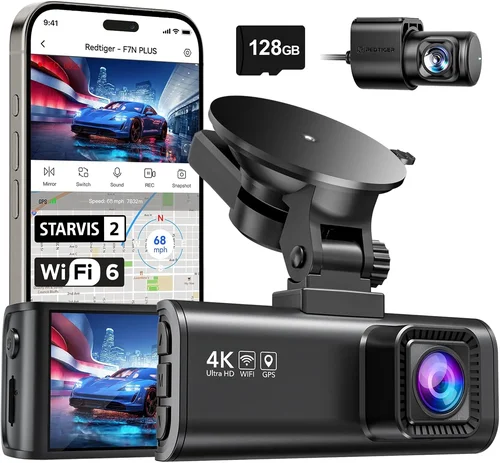
Expert Tips for Getting the Best Deal
Seasonal sales can yield significant savings on dash cam purchases. Major shopping events like Black Friday, Cyber Monday, and Memorial Day weekend often feature deep discounts on electronics, though these deals may not always include the specialized features needed for professional use. Government-specific procurement cycles present more reliable opportunities for bulk pricing advantages.
Consider purchasing through government-approved vendors or cooperatives that negotiate volume pricing with manufacturers. Organizations like NASPO (National Association of State Procurement Officials) or local purchasing cooperatives can leverage collective buying power to secure better rates than individual departments could achieve alone. These arrangements often include bundled services like installation, training, and ongoing support.
When evaluating deals, focus on total cost of ownership rather than sticker price alone. Compare warranty lengths, included accessories, software licenses, and training resources. Sometimes higher-priced packages offer better long-term value through reduced maintenance needs and improved operational efficiency. Always verify that promotional pricing applies to the exact model and configuration you require.
Negotiate with manufacturers directly when possible, especially for bulk orders. Large-volume buyers can often secure additional benefits including extended warranties, priority technical support, and custom configurations tailored to specific operational requirements. Don’t hesitate to ask about trade-in programs or upgrade paths that might offset the cost of newer models.
Test equipment before committing to large purchases whenever feasible. Request loaner units or participate in pilot programs to evaluate real-world performance under actual department conditions. This hands-on testing reveals issues that specifications and reviews cannot capture, such as compatibility with existing systems or ease of use during stressful emergency situations.
Pay close attention to return policies and satisfaction guarantees. Professional-grade electronics should come with generous return windows and hassle-free replacement processes. Some manufacturers offer “try before you buy” programs specifically designed for fleet customers, allowing you to deploy cameras temporarily while evaluating their suitability.
Consider financing options for large-scale deployments. Many manufacturers and distributors offer equipment leasing programs that spread costs over time while providing access to the latest technology. These arrangements often include maintenance contracts and upgrade provisions that keep your fleet current without large upfront investments.
Join professional associations and networking groups focused on public safety technology. Members often share information about upcoming product launches, special promotions, and best practices for equipment acquisition. Industry conferences and trade shows provide opportunities to see new products in action and speak directly with manufacturers about customized solutions.

Frequently Asked Questions
Q: What resolution should I choose for my fire department dash cam?
A: For fire department applications, 1080p Full HD resolution strikes the optimal balance between image quality and storage efficiency. While 4K cameras offer impressive detail, they consume significantly more storage space – potentially requiring hourly storage management for continuous recording. The human eye cannot perceive meaningful differences between 1080p and 4K at typical viewing distances, and 1080p provides sufficient detail for incident documentation, training review, and evidence purposes. If budget allows, consider 1080p models with excellent low-light performance and wide dynamic range to ensure clarity during challenging conditions.
Q: How much storage do I actually need for daily operations?
A: Storage requirements depend on several factors including recording resolution, compression settings, and desired retention period. As a rule of thumb, 1080p recording consumes approximately 1-2 GB per hour using efficient H.264/H.265 compression. For a typical fire department with 24/7 recording needs, plan for at least 32-64 GB of storage to retain 16-32 hours of footage. Larger departments may benefit from internal SSD storage with capacities of 128GB-1TB, supplemented by automated cloud backup systems. Implement a tiered storage strategy where recent footage is retained locally while older recordings are archived to lower-cost solutions.
Q: Can dash cams really help with firefighter safety?
A: Absolutely. Dash cams provide multiple safety benefits for firefighters beyond traffic incident documentation. They create objective records of response routes, allowing supervisors to analyze travel times and identify optimization opportunities. During complex incidents, footage helps reconstruct events for post-incident reviews and training improvements. In cases of accidents or disputes, video evidence protects both personnel and the department from false allegations. Additionally, some advanced systems include driver assistance features like forward collision warnings and lane departure alerts that can prevent accidents during emergency responses.
Q: How should I mount the dash cam in my fire truck?
A: Proper mounting is crucial for both functionality and safety. Position the camera high on the windshield, centered horizontally but slightly below the top edge to avoid obstructing the driver’s view. Use professional-grade mounting kits designed specifically for emergency vehicles, featuring vibration-dampening pads and secure fastening mechanisms. Route cables through factory conduits or behind trim panels to maintain clean installations and prevent interference with other systems. Ensure the camera has a clear field of view without obstructions from wipers, mirrors, or dashboard controls. Test the mount under various conditions including emergency braking and turning to confirm stability.
Q: Do I need special power connections for emergency vehicles?
A: Yes, emergency vehicles require special considerations for power connections. Install dash cams using fused circuits that draw power directly from the ignition-switched side of the electrical system to prevent battery drain when the engine is off. Include inline fuses rated appropriately for the camera’s current draw and consider adding voltage surge protectors to safeguard against alternator spikes. For older apparatus with aging electrical systems, consult with qualified electricians to ensure the installation doesn’t overload existing circuits or interfere with warning light operation. Some departments install dedicated power taps specifically for emergency equipment to isolate dash cams from other vehicle systems.
Q: How can I ensure footage survives vehicle crashes?
A: Protecting footage during impacts requires both hardware and software safeguards. Choose cameras with built-in G-sensors that automatically lock footage upon detecting sudden deceleration or impact. Enable emergency recording modes that create separate, write-protected files for crash events. Install cameras using reinforced mounting systems capable of withstanding collision forces without dislodging. Consider dual-storage configurations where one copy remains safely stored internally while another is backed up to cloud servers. Regularly test the system’s ability to preserve critical footage during simulated emergency scenarios to verify reliability under actual conditions.
Q: What’s the best way to manage and organize dash cam footage?
A: Effective footage management combines automated systems with standardized procedures. Implement cloud-based platforms that automatically upload and index videos with metadata including timestamps, GPS coordinates, and incident numbers. Use consistent naming conventions and folder structures that facilitate easy retrieval and organization. Establish clear protocols for accessing, reviewing, and archiving footage based on incident priority and retention requirements. Train personnel on proper search techniques and develop checklists for routine footage verification to ensure nothing critical is overlooked during busy response periods.
Q: Can multiple dash cams work together on the same vehicle?
A: Yes, multi-camera systems provide comprehensive coverage but require careful planning. Front and rear dash cams offer complete situational awareness, while interior cameras document crew activities and passenger interactions. Side cameras can capture blind spots and lane changes during complex maneuvers. When implementing multi-camera setups, ensure all cameras synchronize timestamps accurately and share a common power source to simplify wiring. Choose systems that support simultaneous recording without dropped frames or audio sync issues. Consider wireless solutions to reduce cable clutter while maintaining reliable connectivity between devices.
Q: How do I handle dash cam maintenance and cleaning?
A: Regular maintenance preserves image quality and extends equipment life. Clean lenses weekly using microfiber cloths and approved cleaning solutions to remove dirt, fingerprints, and condensation. Check mounting hardware monthly for tightness and signs of wear. Inspect cables for damage or fraying, replacing anything showing wear. Update firmware regularly to benefit from performance improvements and bug fixes. Maintain spare components including memory cards, cleaning supplies, and mounting hardware to minimize downtime during repairs. Document all maintenance activities in a logbook for tracking and compliance purposes.
Q: Are there privacy concerns with recording public spaces?
A: Privacy considerations are important when deploying dash cams in public areas. Review your department’s policies regarding recording consent and data handling. Be aware that many jurisdictions have specific laws governing video recording in public spaces, including requirements for notification or restrictions on certain types of recording. Implement strict access controls to footage storage systems and establish protocols for handling requests from the public or media. Consider blurring faces or license plates in non-essential footage while preserving identifiable details necessary for incident investigation and safety analysis.
Our Final Recommendations
Best for Budget-Conscious Buyers
For departments operating on tight budgets or testing dash cam adoption, the Viofo A119 V3 offers exceptional value starting at around $120. This compact 1080p dash cam delivers solid performance with a Sony Starvis sensor that handles low-light conditions well. Its simple operation and reliable loop recording make it ideal for basic documentation needs without overwhelming complexity or cost.
The A119 V3 includes a built-in GPS module, G-sensor for automatic event locking, and supports microSD cards up to 128GB. While it lacks some premium features like Wi-Fi connectivity, its straightforward operation and proven reliability make it a smart choice for departments prioritizing essential functionality over advanced capabilities. The included suction cup mount and wiring kit provide everything needed for quick installation.
For even more budget-friendly options, consider the Blackview Dash Cam D11 at approximately $80, though this model requires separate purchase of accessories like memory cards and mounting hardware. While build quality is somewhat lighter than professional models, it still provides adequate recording performance for basic fire department documentation needs.
Best Overall Value
The BlackVue DR970X-2CH represents the gold standard for professional dash cams, offering exceptional performance across all critical metrics while remaining reasonably priced at around $350 for the dual-channel version. This Korean-made camera features Sony CMOS sensors with superior low-light performance, military-grade construction with wide temperature tolerance, and advanced parking mode with built-in impact detection.
What sets the DR970X series apart is its comprehensive feature set including cloud connectivity, GPS tracking, and sophisticated event detection algorithms. The dual-channel model simultaneously records both front and rear views with synchronized audio, providing complete situational awareness. Cloud functionality allows remote access to live and recorded footage from anywhere, making it invaluable for fleet managers overseeing multiple apparatus.
The system integrates seamlessly with BlackVue’s proprietary software suite, enabling centralized management, automated backups, and detailed analytics reporting. While the learning curve is steeper than simpler models, the payoff in reliability and functionality justifies the investment for departments committed to professional-grade recording solutions.
Best Premium Option
For departments seeking the absolute best in performance and reliability, the Garmin Dashcam Pro Series delivers unmatched quality with advanced driver assistance features. Starting at approximately $400 for the Pro 20 model, these cameras combine superior imaging with integrated safety technologies like forward collision warnings and lane departure alerts.
The Pro Series features enhanced night vision, superior color accuracy, and sophisticated processing algorithms that maintain clarity during rapid acceleration and braking. Advanced parking mode uses radar detection to monitor surroundings while the vehicle is parked, alerting drivers to potential threats. The rugged design withstands extreme temperatures and vibrations common in emergency response vehicles.
Integration with Garmin’s ecosystem provides access to additional safety features including blind spot monitoring and automatic emergency calling capabilities. While primarily designed for automotive use, the Pro Series’ robustness and advanced safety features make it particularly appealing for fire departments focused on maximizing crew safety during high-risk operations.
Best for Beginners
New adopters looking for easy-to-use dash cams should consider the Nextbase 522GW at around $160. This British-engineered camera combines intuitive operation with impressive features including 1080p recording, 140-degree field of view, and built-in Alexa voice control for hands-free operation.
The 522GW excels in usability with a bright, responsive touchscreen interface and simple menu navigation. Automatic emergency recording locks footage upon detecting sudden stops or impacts, while the built-in microphone captures clear audio commentary during incidents. Cloud connectivity enables wireless downloading to smartphones or tablets, eliminating the need for physical cable connections.
The included magnetic mount provides secure attachment while allowing quick removal for charging or data transfer. With its combination of ease-of-use, reliable performance, and reasonable price point, the Nextbase 522GW serves as an excellent introduction to professional dash cam technology for departments new to recording systems.
Best for Advanced Users
Departments with sophisticated recording needs should consider the Thinkware U1000 at approximately $300. This premium dash cam offers 4K recording capability with exceptional image quality, dual-band Wi-Fi for fast wireless transfers, and advanced parking surveillance modes.
The U1000 features Sony STARVIS™ IMX335 CMOS sensors optimized for low-light performance, ensuring clear footage during nighttime responses or smoke-filled environments. The camera’s wide dynamic range handles challenging lighting transitions from dark alleys to bright intersections seamlessly. Built-in GPS provides precise location tracking with altitude data, useful for mapping response routes and analyzing travel patterns.
Thinkware’s proprietary software includes AI-powered event detection, automatic scene classification, and customizable playback tools for efficient footage review. The system supports multiple recording modes including continuous, motion-activated, and scheduled recording, giving administrators fine-grained control over storage usage and content capture priorities.
Conclusion: Making the Right Choice
Selecting the best dash cam for firefighter operations requires careful consideration of multiple interrelated factors including performance specifications, build quality, operational requirements, and budget constraints. Rather than focusing solely on technical specifications or price points, successful departments take a holistic approach that balances immediate needs with long-term sustainability and scalability.
Remember that your dash cam isn’t just a recording device—it’s an essential tool for enhancing safety, improving accountability, and supporting better decision-making during emergency responses. The right system will provide reliable performance when you need it most, withstand the harsh conditions of fire service operations, and integrate smoothly into your existing workflows without creating additional administrative burdens.
Take time to assess your specific requirements honestly, involve key stakeholders in the decision-making process, and don’t hesitate to seek recommendations from other fire departments that have successfully implemented dash cam programs. The investment in quality equipment today pays dividends through improved safety outcomes, reduced liability exposure, and enhanced operational effectiveness for years to come.
Whether you choose a budget-conscious solution for basic documentation or invest in premium systems with advanced features, prioritize reliability, ease of use, and support availability. Your dash cam should serve as a trusted partner in protecting both your crews and the communities you serve, providing objective evidence when needed and peace of mind knowing that critical moments are being captured and preserved.