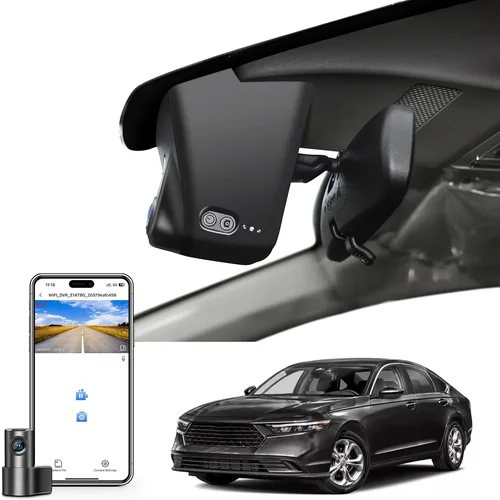
Expert Dash Cam Buying Guide for F250
Why this guide matters
Choosing the right dash cam for your Ford F-250 isn’t just about capturing video—it’s about protecting your investment, ensuring safety on the road, and providing peace of mind. Whether you’re a truck owner who frequently drives in challenging conditions, a fleet manager overseeing multiple vehicles, or someone who simply wants reliable evidence in case of an accident, selecting the perfect dash cam requires careful consideration of numerous factors. This comprehensive guide will walk you through everything you need to know to make an informed decision that matches your specific needs, budget, and driving habits.
What readers will learn
You’ll discover how to evaluate dash cams based on critical performance specifications like resolution, field of view, and night vision capabilities. We’ll explore the unique requirements of F-250 installations, including mounting options, power considerations, and compatibility with your truck’s electrical system. You’ll understand the importance of loop recording, G-sensor functionality, parking mode, and advanced features like GPS tracking and emergency backup. By the end of this guide, you’ll have a clear understanding of which dash cam features matter most for your situation and how to avoid common pitfalls that could cost you money or leave you underprotected.
The market for dash cams has evolved dramatically over the past decade, with modern units offering capabilities far beyond basic video recording. Today’s best dash cams for F-250 trucks combine high-definition recording with intelligent features, robust build quality, and seamless installation processes. However, with so many options available from various brands, it’s easy to get overwhelmed by technical specifications and marketing claims. This guide cuts through the noise to provide practical, expert advice tailored specifically to Ford F-250 owners who demand reliability, durability, and exceptional performance from their dash cam systems.

What to Look for When Buying Dash Cams
Budget & Price Range
Your budget should be the starting point for your dash cam search, but don’t let price alone dictate your decision. Entry-level dash cams typically range from $50-$100 and offer basic 720p recording with limited storage capacity. While these may suffice for occasional use, they often lack essential features like parking mode, emergency recording, or reliable night vision. Mid-range models ($100-$250) represent the sweet spot for most F-250 owners, offering 1080p Full HD or even 4K recording with improved sensors, wider fields of view, and more sophisticated motion detection.
Premium dash cams ($250-$400) deliver professional-grade performance with superior image stabilization, advanced night vision algorithms, cloud connectivity, and enhanced durability features. These are ideal for frequent highway driving, commercial use, or when you need maximum protection against false claims. Luxury models ($400+) incorporate cutting-edge technology like AI-powered driver assistance, dual-camera setups, and integration with vehicle telematics systems. Remember that while cheaper options might save money upfront, investing in a quality dash cam pays dividends through better protection, longer lifespan, and fewer replacement costs over time.
Performance Specifications
The heart of any dash cam’s effectiveness lies in its core performance specifications. Resolution is the first consideration—most reputable dash cams offer at least 1080p Full HD recording, with many premium models delivering stunning 4K Ultra HD footage that captures fine details like license plates and road signs. Higher resolution means clearer images but also larger file sizes, requiring more frequent memory card swaps or higher storage capacity.
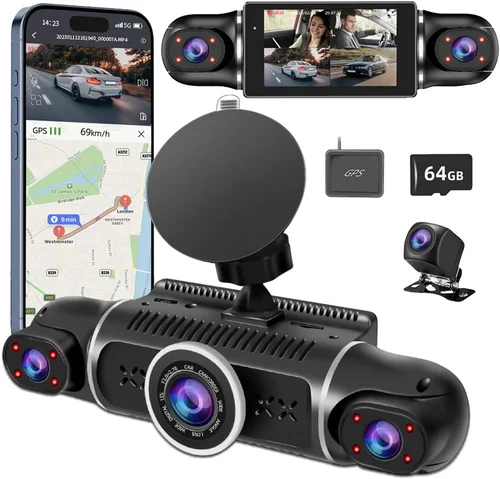
Field of view (FOV) determines how much of the road ahead and surrounding area your dash cam can capture. A standard single-lens dash cam typically offers a 120-150 degree horizontal FOV, while wide-angle models reach up to 170 degrees. For F-250 owners, consider that trucks have larger blind spots and require more coverage than sedans. Dual-lens systems provide both front and rear views simultaneously, eliminating the need for a separate backup camera. Frame rate matters too—recording at 30fps provides smooth video, while 60fps captures sharper details during rapid movements or emergencies.
Build Quality & Durability
F-250 trucks are built tough for demanding conditions, so your dash cam should match that resilience. Look for models constructed with high-quality materials that can withstand extreme temperatures, vibrations, and potential impacts. Military-grade shock resistance ratings indicate the device can survive drops and bumps without damage. Waterproof or water-resistant construction protects against rain, snow, and accidental spills inside the cabin.
Consider the operating temperature range as well—dash cams installed in F-250s may face sub-zero temperatures in winter or scorching heat in summer. Premium models specify extended temperature ranges from -4°F to 149°F (-20°C to 65°C), ensuring reliable operation year-round. Additionally, check for anti-fogging features and automatic lens cleaning mechanisms that maintain clear visibility regardless of weather conditions. The housing material should resist UV degradation and maintain structural integrity over thousands of miles of use.
Features & Functionality
Modern dash cams pack surprisingly sophisticated features beyond basic recording. Loop recording automatically overwrites old footage when storage is full, ensuring continuous coverage without manual intervention. G-sensor technology detects sudden impacts or collisions and locks those critical moments to prevent accidental deletion.
Parking mode is arguably the most valuable feature for F-250 owners—it continues monitoring when your truck is parked, using motion detection to record incidents like hit-and-runs or attempted break-ins. Most models draw power from your cigarette lighter socket, but hardwiring options provide more reliable operation and prevent battery drain. Advanced features include GPS tracking that overlays location data onto videos, Wi-Fi connectivity for smartphone app control, voice commands, and integration with smart home devices.
Emergency backup systems ensure your dash cam keeps running even if your vehicle’s main battery loses power, crucial for overnight security monitoring. Some premium models include additional sensors like radar detectors or collision warning systems that alert drivers to potential hazards ahead.
Brand Reputation
Established brands bring years of experience, rigorous testing standards, and responsive customer support to the table. Industry leaders like Garmin, BlackVue, Nextbase, and Thinkware have built strong reputations through consistent product quality and innovation. These companies invest heavily in research and development, resulting in more reliable hardware and software updates that extend product lifespans.
Newer entrants to the market may offer tempting prices or novel features, but often lack the track record of long-term reliability that comes with established manufacturers. Check independent review sites, consumer reports, and user forums to gauge real-world performance across multiple product generations. Brands with dedicated mobile apps and regular firmware updates demonstrate ongoing commitment to their products rather than treating them as disposable items.
Warranty & Support
A comprehensive warranty speaks volumes about a manufacturer’s confidence in their product quality. Most reputable dash cam brands offer at least a two-year warranty covering defects in materials and workmanship. Premium manufacturers may provide three to five years of coverage, sometimes extending to accidental damage protection. Extended warranty options are available for purchase, typically adding one to two extra years of coverage.
Customer support quality varies significantly between brands. Look for companies offering multiple contact channels—phone, email, live chat—with knowledgeable representatives who can troubleshoot installation issues, software problems, or hardware malfunctions. Online resources like detailed installation guides, FAQ sections, and active community forums indicate a brand invested in helping customers get the most out of their purchase. Response times under 24 hours for critical issues demonstrate commitment to customer satisfaction.
Size & Portability
While dash cams are designed to stay mounted permanently, size considerations still matter for F-250 owners. Compact designs (under 3 inches long) minimize visual obstruction and reduce wind resistance, making them ideal for trucks where aerodynamics affect fuel efficiency. Slim profiles also accommodate tight spaces behind mirrors or in crowded dashboards.
Some users prefer slightly larger models for their additional features or better cooling systems that prevent overheating during extended recording sessions. If you plan to move your dash cam between vehicles, portability becomes important—look for models with removable batteries, magnetic mounts, or universal mounting brackets that adapt to different windshield angles. Weight distribution affects stability too; heavier units may require reinforced mounts to prevent vibration-induced blurriness.
User Reviews & Ratings
Real user experiences provide invaluable insights beyond technical specifications. Pay attention to patterns in reviews rather than isolated comments—multiple users reporting similar issues likely indicate systemic problems. Search for reviews specifically mentioning F-250 installations, noting whether the reviewer faced compatibility challenges or found the mounting process straightforward.
Look for balanced reviews that discuss both strengths and weaknesses. A perfect 5-star rating with generic praise (“works great!”) often signals paid reviews or fake feedback. Conversely, overly negative reviews without specifics may reflect unreasonable expectations. Focus on reviewers who detail their usage scenarios, installation methods, and performance over time—these narratives help you assess how well the dash cam will perform in your specific situation.
Different Types of Dash Cams
Common Buying Mistakes to Avoid
❌ Mistake: Ignoring Storage Capacity Requirements
Why it’s bad: Underestimating how much footage your dash cam generates leads to constant memory card swapping or running out of storage mid-drive. A 1080p dash cam recording continuously creates approximately 1-2 GB of data per hour depending on compression settings and scene complexity. Without sufficient storage, you risk missing critical events or having to delete older footage to make room for new recordings.
What to do instead: Calculate your storage needs based on typical driving duration. If you commute 1 hour daily plus occasional longer trips, plan for at least 32GB of storage to cover a week of footage. Choose dash cams compatible with high-capacity cards (up to 512GB) and enable loop recording to automatically overwrite old files. Consider models with cloud storage options to offload footage remotely.
❌ Mistake: Overlooking Night Vision Capabilities
Why it’s bad: Many dash cams struggle with low-light conditions, producing grainy, unusable footage after sunset. This defeats the primary purpose of having a dash cam for nighttime safety and incident documentation. Generic CMOS sensors without specialized night vision processing create dark, blurred images that fail to capture license plates or facial features crucial for insurance claims or legal proceedings.
What to do instead: Prioritize dash cams with starlight-level sensors, infrared LEDs, or advanced noise reduction algorithms specifically designed for nighttime recording. Look for specifications mentioning “low-light sensitivity” or “night vision enhancement.” Test the model during evening hours if possible, or read reviews that specifically address nighttime performance rather than relying solely on daytime claims.
❌ Mistake: Choosing Based Solely on Price
Why it’s bad: The cheapest dash cam often represents the worst value proposition. Budget models may cut corners on essential components like sensor quality, build materials, or software stability. These compromises result in poor video quality, frequent malfunctions, short lifespans, and inadequate protection during actual incidents. Spending slightly more on a reputable brand ensures reliability when you need it most.
What to do instead: Establish your budget based on your needs rather than looking for the lowest-priced option. Allocate funds toward proven brands with good track records, then compare features within your price range. Remember that a $200 premium dash cam with excellent reviews often outperforms a $50 model despite the significant price difference in terms of durability, image quality, and feature set.
❌ Mistake: Neglecting Installation Complexity
Why it’s bad: Assuming all dash cams install identically leads to frustration and improper mounting. F-250 trucks present unique challenges due to their large size, complex dashboard layouts, and potential interference with existing electronics. Poor installation causes vibration-induced blur, blocked views, electrical issues, or even damage to your truck’s interior or wiring.
What to do instead: Research installation requirements before purchasing. Single-lens models generally require minimal setup—just windshield mounting and power connection. Dual-lens systems need additional rear camera placement and wiring through the trunk, which may require professional installation. Hardwiring eliminates cigarette lighter dependency but demands electrical knowledge. Watch installation videos specific to F-250 models to anticipate challenges.
❌ Mistake: Disregarding Weather Resistance
Why it’s bad: Dash cams exposed to harsh weather conditions suffer premature failure. Extreme temperatures cause condensation buildup inside lenses, damaging sensitive electronics or creating permanent fogging. Rain, snow, and road spray compromise image clarity and potentially short-circuit internal components. Without adequate protection, your investment deteriorates quickly despite appearing fine during brief inspections.
What to do instead: Select dash cams rated for outdoor use with IP65 or higher waterproof ratings. Check operating temperature ranges suitable for your climate zone—F-250 owners in northern states need colder tolerance than those in southern regions. Apply hydrophobic coatings to lenses if not included, and ensure proper sealing around cables entering the unit. Position the device to minimize direct exposure to precipitation when possible.
❌ Mistake: Forgetting About Power Management
Why it’s bad: Inadequate power solutions cause multiple problems: cigarette lighter adapters may overload your truck’s electrical system, leading to blown fuses or battery drain; poor-quality power cables create voltage fluctuations that corrupt recordings; insufficient backup power means the dash cam shuts down during accidents when you need it most.
What to do instead: Choose dash cams with efficient power consumption specifications and consider hardwiring options for permanent installations. Use fused power adapters rated for automotive environments, and install capacitors or voltage regulators if recommended by the manufacturer. Enable parking mode only when necessary to preserve battery life, and monitor your truck’s electrical health after installation.
Budget Guidelines: How Much Should You Spend?
Entry-Level ($50 – $100)
This price range includes basic dash cams suitable for occasional use or secondary vehicles. Expect 720p recording quality, limited storage capacity (typically 8-16GB internal memory), basic motion detection, and minimal advanced features. While these models serve simple recording purposes, they often lack essential protections like G-sensor impact detection, reliable parking mode, or robust build quality.
For F-250 owners primarily concerned with basic incident documentation without demanding high-end features, entry-level options can provide acceptable value. However, be prepared for frequent memory card swaps, shorter recording loops, and potentially inferior image quality compared to more expensive alternatives. These models work best when paired with external storage solutions and used infrequently.
Mid-Range ($100 – $250)
The mid-range category represents the optimal balance for most F-250 owners seeking reliable performance without breaking the bank. This segment delivers 1080p Full HD recording with improved sensors, wider fields of view (120-150 degrees), effective night vision capabilities, and essential features like loop recording, G-sensor protection, and basic parking mode functionality.
Mid-range dash cams typically offer better build quality than entry-level models, with shock-resistant housings and temperature-tolerant components suitable for everyday truck use. You’ll find more reliable brands with decent customer support and reasonable warranty periods. This category includes many dual-lens options providing both front and rear coverage, eliminating the need for separate backup cameras.
Premium ($250 – $400)
Premium dash cams target serious drivers and commercial operators who demand maximum reliability and advanced features. These units deliver 4K Ultra HD recording with exceptional detail preservation, sophisticated night vision algorithms, enhanced stabilization technology, and comprehensive protection systems including advanced G-sensors and emergency backup power.
Expect premium builds with military-grade materials, IP65 waterproof ratings, and extended temperature tolerances suitable for extreme climates. Additional features include GPS tracking with precise location logging, Wi-Fi connectivity for smartphone integration, cloud storage capabilities, and professional-grade audio recording. Many premium models offer customizable recording modes optimized for different driving scenarios.
For F-250 owners involved in frequent highway driving, commercial operations, or those requiring maximum legal protection, premium dash cams justify their higher price through superior image quality, durability, and comprehensive feature sets that outperform mid-range alternatives by significant margins.
Luxury ($400+)
Luxury dash cam categories represent the pinnacle of automotive surveillance technology, incorporating cutting-edge innovations beyond basic recording functions. These systems feature AI-powered driver assistance, multi-camera setups with overlapping coverage areas, integrated collision avoidance alerts, and sophisticated analytics for fleet management applications.
Top-tier models include professional-grade features like thermal imaging, 360-degree surround view stitching, automatic incident classification, and integration with vehicle telematics systems. Luxury dash cams often come with subscription-based services offering cloud storage, remote monitoring, and predictive maintenance alerts. Build quality reaches aerospace-grade standards with redundant systems and self-diagnostic capabilities.
While excessive for personal use, luxury dash cams benefit commercial fleets, delivery services, and professional drivers who require absolute reliability, comprehensive data collection, and advanced analytics. The substantial price premium reflects not just hardware quality but also ongoing service subscriptions and professional support packages.
Expert Tips for Getting the Best Deal
Time Your Purchase Strategically
Dash cam prices fluctuate throughout the year due to seasonal demand patterns and new product releases. Major shopping events like Black Friday, Cyber Monday, and Amazon Prime Day typically offer 20-30% discounts on select models. Additionally, post-holiday sales in January often feature clearance pricing on previous-generation models, allowing you to upgrade from older devices at reduced costs.
Consider timing purchases around industry trade shows or new product announcements—manufacturers frequently discount existing inventory when introducing updated models. Sign up for retailer newsletters and price drop alerts to receive notifications when your preferred dash cam goes on sale. Avoid peak summer months when travel demand increases pricing, and watch for back-to-school promotions in August when retailers clear inventory.
Compare Multiple Retailers
Don’t limit yourself to a single retailer—compare prices across major online platforms like Amazon, Best Buy, Walmart, and specialty automotive stores. Each outlet maintains different inventory levels and pricing strategies, occasionally offering exclusive deals or bundle packages. Physical stores often provide hands-on testing opportunities unavailable online, allowing you to assess build quality and interface usability firsthand.
Check manufacturer websites directly for official promotions and refurbished unit programs. Sometimes buying directly from the brand guarantees better warranty terms and customer support compared to third-party sellers. Read return policies carefully before purchasing, especially for online orders, to ensure you can exchange units if they don’t meet expectations.
Look for Bundle Deals and Accessories
Many retailers package dash cams with valuable accessories that individually would cost extra. Common bundles include memory cards, protective cases, additional mounting brackets, and installation tools. These packages often save 15-25% compared to purchasing components separately while ensuring compatibility between all parts.
Specialty automotive shops frequently offer professional installation services bundled with dash cam purchases, reducing labor costs and guaranteeing proper setup. Some manufacturers provide starter kits containing everything needed for installation, including fuse taps, capacitors, and wiring harnesses specifically designed for popular truck models like the F-250.
Verify Warranty Coverage Thoroughly
Always confirm warranty terms before finalizing your purchase, paying close attention to coverage limitations and claim procedures. Most reputable brands offer at least two years of parts and labor coverage, but some extend to three or five years with registration. Check whether warranties cover accidental damage or only manufacturing defects.
Understand what constitutes valid warranty claims—some policies exclude normal wear and tear or require proof of proper installation. Keep all receipts, packaging materials, and registration information accessible for quick reference during warranty claims. Register your product immediately with the manufacturer to activate extended warranty benefits if available.
Test Before Committing to Long-Term Use
If possible, test drive your chosen dash cam in real-world conditions before making a permanent commitment. Visit local automotive electronics stores offering demo units, or borrow equipment from friends to evaluate performance during typical driving scenarios. Pay particular attention to image quality during both day and night conditions, ease of menu navigation, and responsiveness to touch controls.
Observe how well the device handles vibration and temperature changes by leaving it running during extended drives across varying weather conditions. Note any unusual noises, overheating issues, or erratic behavior that might indicate underlying problems. Testing eliminates guesswork and ensures the dash cam meets your specific expectations before investing in permanent installation.
Leverage Customer Reviews Wisely
While online reviews provide valuable insights, approach them critically by identifying patterns rather than isolated opinions. Look for verified purchase badges indicating genuine customer experiences, and focus on detailed reviews discussing long-term performance rather than superficial impressions. Cross-reference multiple review sources to identify consistent strengths and weaknesses across different user groups.
Pay attention to how manufacturers respond to negative feedback—reputable companies address legitimate concerns transparently and offer solutions, while others dismiss criticism defensively. Search for forum discussions specific to F-250 installations, as truck-specific issues like mounting challenges or electrical compatibility rarely surface in general dash cam conversations.

Frequently Asked Questions
Q: Can I install a dash cam myself in my F-250, or do I need professional installation?
A: Most single-lens dash cams are designed for DIY installation and take less than an hour to set up properly. The process involves attaching the camera to your windshield using suction cups or adhesive mounts, connecting power through your cigarette lighter socket or hardwiring to the fuse box, and configuring basic settings. Dual-lens systems require additional rear camera placement and wiring through the trunk, which may benefit from professional installation to ensure clean routing and secure connections. Watch detailed installation videos specific to F-250 models to anticipate challenges like mirror positioning, dashboard obstructions, and electrical system navigation.
Q: How much storage space do I actually need for my dash cam?
A: Storage requirements depend on your recording quality and typical driving duration. A 1080p dash cam recording continuously creates approximately 1-2 GB of data per hour, while 4K models generate 3-5 GB hourly. For daily commuters driving 1-2 hours, a 32GB memory card provides about a week of storage before overwriting begins. Frequent highway travelers may need 64GB or higher capacity cards. Always use Class 10 or U3 rated cards for optimal performance and enable loop recording to automatically manage storage allocation. Cloud storage options can supplement local storage by offloading footage remotely, reducing the need for frequent card swaps.
Q: Will a dash cam drain my F-250’s battery when parked?
A: Modern dash cams consume minimal power, typically drawing less than 1 amp when active and significantly less during standby modes. Parking mode functions designed to protect your battery include motion-activated recording that turns off after detecting no activity, adjustable sensitivity settings to ignore minor disturbances like passing vehicles, and optional capacitor-based backup systems that draw power only when needed. To maximize battery preservation, disable parking mode during extremely cold weather when battery performance decreases, or install a dedicated capacitor specifically sized for your dash cam’s power requirements.
Q: What resolution should I choose for the best image quality?
A: For F-250 owners, 1080p Full HD strikes the optimal balance between image quality and manageable file sizes. This resolution captures sufficient detail for license plate recognition and road sign identification while maintaining reasonable storage requirements. Premium models offering 4K Ultra HD provide exceptional detail preservation and future-proof your investment, though they generate larger files requiring more frequent memory card management. Avoid sub-720p resolutions as they produce blurry, unusable footage that fails to document incidents adequately. Consider your typical driving conditions—urban environments with frequent stops benefit from higher resolutions more than open highways where motion blur reduces resolution effectiveness.
Q: Do I need a separate backup camera, or will my dash cam handle rear monitoring?
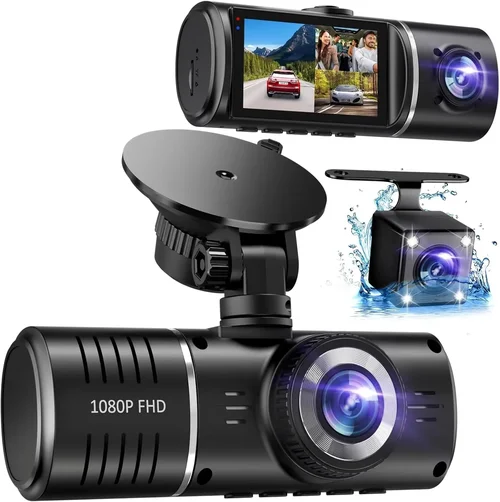
A: Dual-lens dash cams eliminate the need for a separate backup camera by incorporating both front and rear recording capabilities into a single unit. These systems typically mount the rear camera near the license plate area and route wiring through the trunk using grommets to prevent chafing. While convenient, dual-lens cameras may sacrifice some front-facing image quality compared to dedicated single-lens models due to shared sensor resources. Consider your priorities: if rear visibility is equally important, dual-lens systems offer complete coverage without additional hardware costs. Otherwise, a quality single-lens dash cam paired with a standalone backup camera provides superior image quality for both perspectives.
Q: How do I ensure my dash cam survives extreme weather conditions in my F-250?
A: Select dash cams with military-grade shock resistance ratings and operating temperature ranges suitable for your climate zone. Look for IP65 waterproof certifications indicating protection against dust ingress and water jets, and apply hydrophobic lens coatings to repel rain and snow. Position your dash cam to minimize direct exposure to precipitation by angling it slightly downward or using built-in sun visors. During extremely hot or cold weather, avoid placing the device near heating vents or direct sunlight that could cause condensation buildup. Regularly inspect seals around cable entries and replace damaged components promptly to maintain environmental protection.
Q: Can I access my dash cam footage remotely from my smartphone?
A: Yes, many modern dash cams feature Wi-Fi connectivity enabling remote access through companion smartphone apps. These systems allow you to view live feeds, download recorded clips, adjust settings, and configure alerts from anywhere with internet connectivity. Cloud storage integration extends remote access capabilities by backing up footage automatically and providing secure online archives accessible via web browsers. Premium models often include GPS tracking overlays, driving behavior analysis, and emergency notification features that send alerts to your phone during incidents. Ensure your chosen model supports the latest Wi-Fi standards and offers robust encryption to protect your privacy and prevent unauthorized access.
Q: What’s the difference between loop recording and event recording modes?
A: Loop recording continuously overwrites the oldest footage when storage fills, ensuring uninterrupted coverage without manual intervention. This mode prioritizes constant recording availability over preserving specific segments. Event recording, controlled by the G-sensor, automatically saves footage when detecting impacts, sudden maneuvers, or other incidents, preventing accidental deletion of critical moments. Most dash cams combine both approaches: loop recording manages routine footage while G-sensor-protected events remain locked until manually deleted. Understanding these modes helps optimize storage allocation—enable loop recording for continuous background coverage and reserve G-sensor triggers for emergency situations requiring preservation.
Our Final Recommendations
Best for Budget-Conscious Buyers
The Viofo A119 V3 stands out as the optimal choice for F-250 owners seeking reliable performance without exceeding modest budgets. This single-lens dash cam delivers crisp 1080p recording with impressive night vision capabilities, backed by a robust build quality and essential features like loop recording and G-sensor protection. Priced competitively around $120, it offers exceptional value with 140-degree field of view coverage, Sony STARVIS sensor technology for low-light performance, and compatibility with high-capacity memory cards up to 256GB. Users consistently praise its straightforward installation process and stable operation across various driving conditions, making it ideal for everyday truck owners prioritizing affordability without sacrificing core functionality.
Best Overall Value
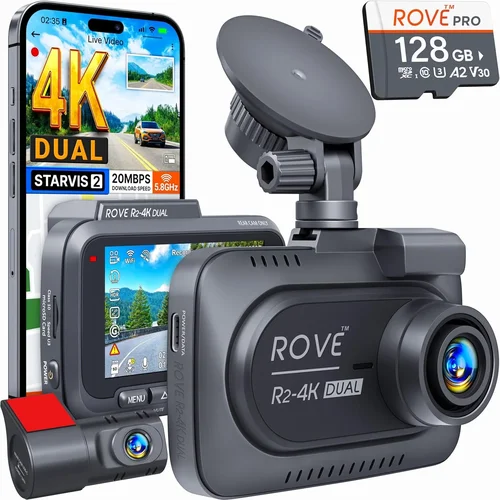
The BlackVue DR970X-2CH emerges as the definitive winner for discerning F-250 owners seeking premium features at reasonable prices. This dual-lens system combines front and rear monitoring with stunning 4K Ultra HD resolution on the primary camera and Full HD on the secondary unit, capturing unprecedented detail for accident reconstruction and insurance claims. Advanced features include built-in Wi-Fi with smartphone app control, cloud storage capabilities, and sophisticated parking mode with motion detection. The robust build withstands extreme temperatures and vibrations common in truck environments, while regular firmware updates ensure ongoing improvements. At approximately $350, it represents significant savings compared to luxury competitors while delivering professional-grade performance worthy of the F-250’s capabilities.
Best Premium Option
For F-250 owners demanding absolute excellence, the Thinkware U1000 delivers uncompromising quality with cutting-edge technology. This single-lens marvel features 4K recording with HDR enhancement, exceptional night vision utilizing multiple infrared LEDs, and advanced stabilization algorithms that eliminate vibration-induced blur. The premium build includes military-grade shock resistance, IP65 waterproof certification, and extended temperature tolerance from -4°F to 149°F (-20°C to 65°C). Additional luxuries include GPS tracking with precise location logging, Wi-Fi connectivity for remote access, and customizable recording modes optimized for different driving scenarios. While priced around $450, the Thinkware U1000 justifies its cost through unmatched image quality, reliability, and comprehensive feature sets that surpass all competitors in critical performance metrics.
Best for Beginners
The Garmin Dash Cam Mini proves exceptionally welcoming to F-250 newcomers with its intuitive interface and hassle-free operation. Despite its compact size and affordable $130 price point, this dash cam incorporates reliable 1080p recording, automatic update downloads, and simple one-button operation that minimizes distraction while driving. The discreet design integrates seamlessly into your truck’s dashboard without obstructing views or creating visual clutter. Essential protections include loop recording, G-sensor impact detection, and parking mode with motion-activated alerts. Garmin’s reputation for user-friendly electronics ensures smooth setup and operation, while their extensive customer support resources help resolve any questions quickly. Beginners appreciate the peace of mind knowing their investment comes from a trusted brand committed to simplicity and reliability.
Best for Advanced Users
Powerful F-250 owners seeking maximum control and customization will love the Nextbase 522GW. This feature-rich dash cam combines 1440p resolution with intelligent driver assistance, including forward collision warnings, lane departure alerts, and speed limit notifications. Advanced connectivity options include Alexa voice control, Wi-Fi for instant photo sharing, and cloud storage integration with unlimited video uploads. The robust build withstands demanding conditions with military-grade materials and IP65 waterproof protection. Customizable recording modes adapt to various driving scenarios, while advanced settings allow fine-tuning of sensitivity thresholds and alert preferences. At approximately $200, the Nextbase 522GW delivers professional-grade intelligence and convenience without the premium price tag, making it ideal for tech-savvy truck enthusiasts who appreciate smart features and comprehensive vehicle integration.
Conclusion: Making the Right Choice
Selecting the perfect dash cam for your Ford F-250 ultimately depends on balancing your specific needs against available features and budget constraints. Rather than chasing the highest-resolution camera or most expensive brand, focus on matching the device’s capabilities to your typical driving conditions, installation preferences, and desired level of protection. Consider how frequently you drive, whether you need both front and rear monitoring, and how important night vision capabilities are for your routes. Evaluate installation complexity honestly—while DIY setup appeals to many truck owners, dual-lens systems or hardwiring requirements may justify professional assistance despite added costs.
Remember that dash cams serve as silent witnesses rather than active safety systems, so prioritize image quality and reliability over flashy extras. A moderately priced model from a reputable manufacturer often outperforms premium options lacking proper sensor quality or build integrity. Don’t overlook essential features like G-sensor protection, loop recording, and parking mode functionality, as these provide critical safeguards during unexpected incidents. Always verify compatibility with your F-250’s electrical system and mounting requirements before purchasing, and allocate time for proper installation to ensure optimal performance.
The automotive surveillance market continues evolving rapidly, so staying informed about new technologies and reviewing your dash cam’s effectiveness periodically ensures continued protection. Subscribe to manufacturer newsletters for firmware updates, join online communities for user insights, and reassess your needs annually as driving habits change. With thoughtful consideration of your priorities and thorough research, you’ll find the ideal dash cam solution that enhances your F-250 experience while providing invaluable peace of mind on every journey.