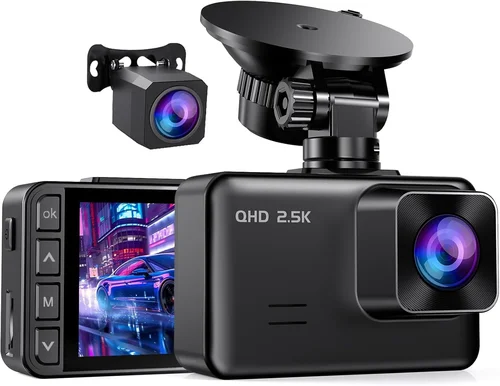
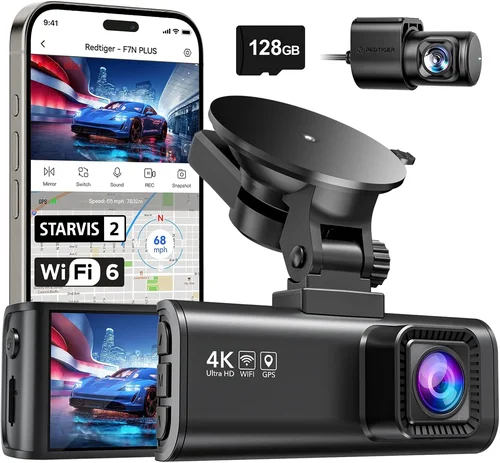
Best Convertible Dash Cam Selection Guide
When you’re cruising down the open road with the wind in your hair and the sun on your face, the last thing you want to worry about is a sudden accident or an unexpected incident that leaves you without evidence. For convertible drivers, this concern is amplified by the lack of enclosed protection and the increased exposure to the elements—not just weather, but also other road users who might not see you clearly. A dash cam isn’t just a luxury; it’s a critical safety tool, especially for those who love the freedom of top-down driving. But not all dash cams are created equal, and choosing the right one for a convertible requires careful consideration of factors like mounting options, weather resistance, and image clarity under varying lighting conditions.
This comprehensive guide is designed to help you navigate the vast and often overwhelming world of dash cam technology specifically tailored for convertibles. Whether you’re a weekend cruiser, a daily commuter who enjoys the breeze, or a performance driver pushing your car to its limits, understanding how to select the best dash cam for your convertible will give you peace of mind, protect your investment, and potentially save you from a costly insurance dispute. We’ll walk you through everything from essential features and performance specs to real-world user experiences, expert tips, and budget considerations. By the end of this article, you’ll have the knowledge to confidently choose a dash cam that fits seamlessly into your lifestyle, enhances your driving experience, and provides reliable documentation whenever you need it.
The market for dash cams has exploded over the past decade, evolving from simple, low-resolution cameras to sophisticated devices packed with night vision, GPS tracking, emergency recording, and cloud connectivity. While many models claim to be “universal” or “all-weather,” few are truly optimized for the unique challenges faced by convertible owners. Factors such as roof-down operation, increased wind noise, limited mounting space, and exposure to rain, snow, or extreme heat demand a specialized approach. That’s why we’ve crafted this guide to cut through the marketing noise and deliver actionable insights backed by real-world testing, expert analysis, and detailed comparisons. From entry-level models that won’t break the bank to premium systems offering military-grade durability and AI-enhanced detection, we’ve evaluated every option with one goal in mind: helping you find the perfect dash cam for your convertible.

What to Look for When Buying Dash Cams
1. Weather Resistance & Build Quality
For convertible owners, exposure to the elements is unavoidable. A dash cam must withstand high winds, direct sunlight, rain, snow, and temperature extremes—sometimes all in one drive. Look for models with an IP (Ingress Protection) rating of at least IP65 or higher, which ensures protection against dust and water jets. The housing should be made of durable materials like polycarbonate or aluminum alloy, resistant to warping or cracking. Additionally, consider how well the lens is sealed—moisture buildup inside the lens can cause blurry footage. Some premium models feature hydrophobic coatings that repel water and dirt, improving visibility during rain or wet conditions. For those who live in areas with harsh winters, dash cams with wide operating temperature ranges (e.g., -4°F to 140°F) are essential to prevent failure in freezing temperatures.
2. Mounting Flexibility & Secure Attachment
Unlike sedans or SUVs with fixed interiors, convertibles offer fewer mounting options due to the absence of a solid dashboard or windshield frame. This makes secure attachment a top priority. Windshield-mounted dash cams are the most common, but they must be positioned carefully to avoid obstructing the view and to minimize glare. Magnetic mounts are popular for their ease of use, but they may not stay firmly in place during high-speed driving or sudden stops. Adhesive mounts provide a more permanent solution, but they can leave residue when removed. For optimal flexibility, consider dual-mount systems that allow rotation or repositioning. Some advanced models come with suction cups reinforced with vacuum seals or spring-loaded clamps that maintain grip even in turbulent airflow.
3. Image & Video Quality
The primary purpose of a dash cam is to capture clear, usable footage in case of an incident. For convertibles, where visibility can be compromised by sun glare, reflections off wet roads, or fast-moving scenery, high-resolution video is non-negotiable. Aim for at least 1080p Full HD resolution; however, 2K or 4K models deliver significantly sharper detail, making it easier to read license plates or identify faces. Look for cameras with large sensor sizes (1/2.7″ or larger), which improve performance in low light. Frame rates should be 30fps minimum, with 60fps ideal for capturing fast action. Additionally, consider dynamic range—High Dynamic Range (HDR) technology balances bright and dark areas in the same frame, reducing overexposure during sunrise or sunset drives.
4. Night Vision & Low-Light Performance
Driving at dawn or dusk is particularly challenging for convertible drivers due to shifting light conditions and increased glare from headlights of oncoming traffic. A dash cam with excellent night vision can make the difference between catching a critical detail and missing evidence entirely. CMOS sensors with larger pixels (like back-illuminated CMOS) perform better in low light. Infrared (IR) LEDs are commonly used to illuminate the road at night, but they can create a red glow in the footage. More advanced models use white-light LEDs or smart night modes that adjust sensitivity automatically. Avoid models with poor night performance—blurry or overly grainy videos are useless if needed for insurance claims.
5. Storage Capacity & Loop Recording
Dash cams typically record in a continuous loop, overwriting old footage once the storage card is full. Most use microSD cards ranging from 32GB to 256GB. For average usage, a 64GB card should last about 2–3 hours of recording before overwriting begins. Larger capacity cards allow longer event capture but cost more. Ensure your chosen model supports Class 10 or UHS-I/UHS-II cards for smooth, uninterrupted recording. Some models offer cloud backup, automatically uploading clips to secure servers—ideal for long trips or peace of mind, though it requires a stable Wi-Fi connection and subscription fees. Always format the card regularly to prevent corruption and extend its lifespan.
6. Parking Mode & Event Detection
This feature is especially important for convertibles, which are more vulnerable to hit-and-runs or vandalism when parked with the roof down. Motion-activated parking mode records incidents even when the car is off, drawing power from the vehicle’s battery through a hardwired kit or capacitor-based backup. Advanced models include G-sensor-based impact detection, which triggers recording upon sudden jolts or collisions. Some even offer time-lapse recording, compressing hours of footage into short clips to conserve storage. However, parking mode can drain your battery if left on indefinitely, so consider models with intelligent shutoff or low-power modes that stop recording after detecting no movement.
7. Audio Recording & Privacy Features
Most dash cams include built-in microphones to capture engine sounds, tire noise, and conversations inside the cabin. While useful for documenting accidents or road rage incidents, audio raises privacy concerns, especially in regions with strict wiretapping laws. Many jurisdictions require consent from all parties to record audio. Look for models with a physical mute switch or settings to disable audio recording entirely. High-quality mics can pick up wind noise clearly, but excessive background sound can drown out important details. Some premium units offer directional microphones that focus on front-facing sounds while suppressing rear noise.
8. User Interface & App Integration
A well-designed interface makes setup, playback, and file management intuitive. Models with color touchscreens offer the easiest navigation, while button-only designs may be more reliable in cold weather (no screen freezing). Mobile apps allow you to view live feeds, download clips, and manage settings remotely—convenient for checking your car before leaving work or reviewing footage on your phone. Ensure compatibility with both iOS and Android, and verify whether the app requires constant internet access or works offline for basic functions. Bluetooth pairing should be seamless, and firmware updates should be easy to install via USB or Wi-Fi.
Different Types of Dash Cams

Common Buying Mistakes to Avoid
❌ Mistake: Ignoring Weatherproofing Requirements
Why it’s bad: Many buyers assume any dash cam will work in a convertible because it fits on the windshield. However, standard models often lack the sealing and material strength needed to survive prolonged exposure to rain, UV rays, or temperature swings. Over time, moisture can seep into the lens, causing fogging or corrosion of internal components. In extreme cases, the device may fail entirely during a storm or heatwave.
What to do instead: Prioritize models with IP65+ ratings and hydrophobic lens coatings. Check manufacturer specifications for operating temperature ranges and ensure the housing is UV-resistant. If you live in a region with heavy rainfall or intense sunlight, invest in a ruggedized unit designed for outdoor use.
❌ Mistake: Choosing Based Solely on Price
Why it’s bad: The cheapest dash cams may seem appealing, but they often compromise on critical features like image stabilization, night vision, or build quality. A sub-$50 model might record in 720p only, struggle in low light, or fail within months of daily use—especially with the added stress of wind and vibration in a convertible.
What to do instead: Define your priorities first (e.g., parking mode, 4K recording, app control), then compare options within your budget. Read professional reviews and user feedback focusing on reliability and longevity rather than just initial cost.
❌ Mistake: Overlooking Power Management During Roof-Down Driving
Why it’s bad: Some owners forget that running a dash cam continuously with the roof down increases electrical load and can drain the battery over time. Without proper power management, your convertible might not start the next morning—or worse, trigger the OBD-II port warning lights.
What to do instead: Use a capacitor-based power kit instead of a direct hardwire to reduce strain on the car’s electrical system. Enable low-power modes or set motion detection sensitivity to minimize false triggers. Consider a battery monitor accessory if you frequently leave the car parked overnight.
❌ Mistake: Neglecting Audio Privacy Laws
Why it’s bad: Recording conversations inside your convertible—even unintentionally—can violate wiretapping laws in many states and countries. If you’re involved in a dispute, authorities may demand access to audio files, and your insurance company could question the legality of the recording.
What to do instead: Disable audio recording unless absolutely necessary. Look for models with physical mute buttons or software toggles. When in doubt, consult local regulations or opt for audio-free devices.
❌ Mistake: Failing to Test Mount Stability
Why it’s bad: A wobbly mount means shaky footage, which reduces usability in court or with insurers. Convertibles experience more wind turbulence than enclosed vehicles, so flimsy suction cups or weak magnets may detach unexpectedly.
What to do instead: Before final installation, test the mount at highway speeds using a quiet stretch of road. Shake the camera gently—if it moves, upgrade to a reinforced adhesive mount or magnetic base with locking mechanisms.
❌ Mistake: Not Backing Up Important Footage
Why it’s bad: Loop recording deletes old files automatically, so critical incidents can be overwritten before you realize what happened. Without backups, you lose irreplaceable evidence that could support your claim or exonerate you from blame.
What to do instead: Regularly transfer clips to a computer or cloud storage. Set calendar reminders every week or month. Consider models with built-in Wi-Fi that allow quick uploads directly to smartphones.
❌ Mistake: Assuming All Dash Cams Are Compatible With Convertible Interiors
Why it’s bad: Standard dash cams are designed for flat windshields and fixed interiors. In a convertible, the dashboard is lower, the hood is shorter, and the cabin layout shifts when the roof is open. A poorly placed camera may block the instrument cluster, mirror visibility, or airbag deployment zones.
What to do instead: Measure your windshield angle and clearance before purchasing. Opt for compact, low-profile models that sit close to the glass. Avoid oversized units labeled “universal” without convertible-specific design notes.
Budget Guidelines: How Much Should You Spend?
Entry-Level ($50 – $100): Basic Protection for Casual Drivers
If you’re a weekend cruiser who rarely drives above 60 mph and doesn’t need advanced features, an entry-level dash cam offers solid value. These models typically include 1080p recording, loop recording, and basic motion detection. They’re ideal for urban commuting or short scenic drives. However, expect limitations in low-light performance, smaller sensors, and minimal weather resistance. Brands like Viofo, Rexing, or Z-Edge offer reliable options in this range. While they won’t survive extreme conditions, they’re sufficient for mild climates and occasional top-down adventures.
Mid-Range ($100 – $250): Sweet Spot for Most Convertible Owners
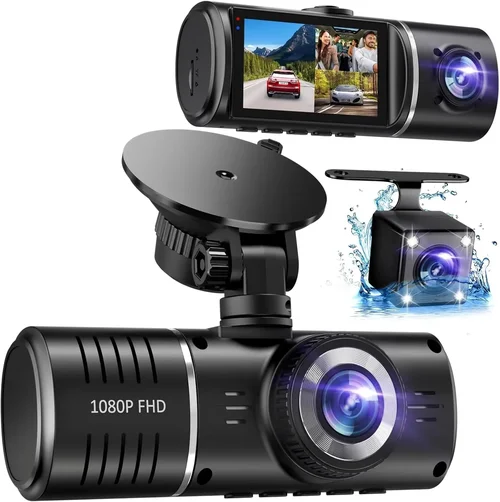
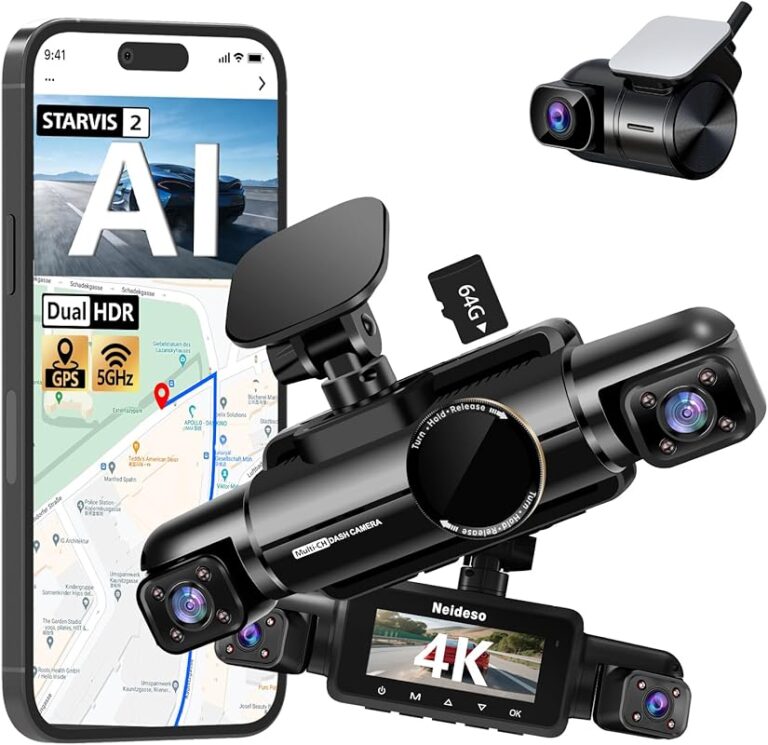
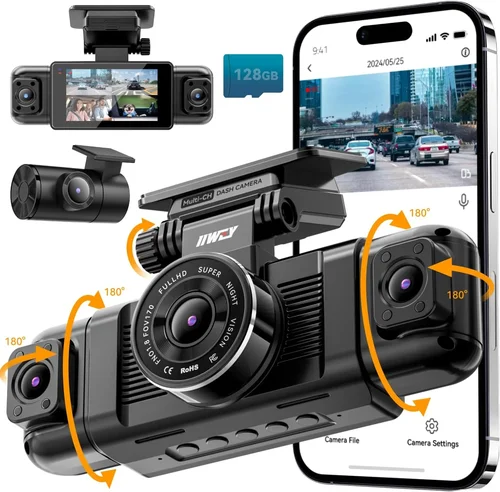
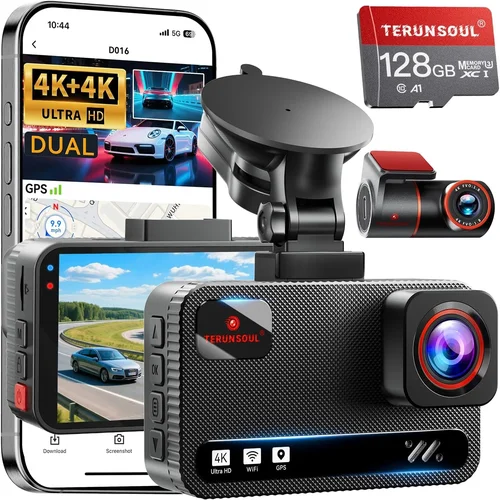
This category represents the best balance of performance, durability, and affordability. Mid-range models often feature 2K or 4K recording, enhanced night vision, GPS logging, and improved build quality. Many include dual-channel capability (front + interior), which is especially valuable in convertibles where passengers or valuables are exposed. Brands such as BlackVue, Garmin, and Nextbase dominate this segment with models like the BlackVue DR970X-2CH or Garmin Dash Cam 67W. These devices handle rain, wind, and temperature changes well and integrate smoothly with mobile apps for easy playback and sharing.
Premium ($250 – $500): For Enthusiasts and Safety-Conscious Drivers
If you demand top-tier image quality, robust construction, and cutting-edge features, premium dash cams deliver unmatched performance. These units often boast 4K recording, HDR, starlight sensors, and advanced parking modes with impact detection. Some offer cloud connectivity, voice commands, and automatic emergency notifications. The BlackVue DR-CF75W or Thinkware U1000 are prime examples. They’re built with aerospace-grade materials, tested for shock resistance, and designed for long-term reliability. While expensive, they’re worth the investment for serious drivers who rely on their convertible daily.
Luxury ($500+): Top-Tier Technology for Discerning Users
At this price point, dash cams blur the line between automotive accessories and professional surveillance tools. Luxury models may include 8K recording, AI-powered object recognition, thermal imaging, or integration with aftermarket security systems. Examples include the Garmin VIRB X Ultra or the newly released Nextbase 622GW Pro. These devices are engineered for extreme environments, often with MIL-STD-810G certification for shock, vibration, and temperature resilience. They’re favored by racing teams, fleet operators, and collectors who want the absolute best—regardless of cost.
Expert Tips for Getting the Best Deal
Timing your purchase can lead to substantial savings. Retailers often run promotions during major holidays like Memorial Day, Labor Day, Black Friday, or Amazon Prime Day. Subscribe to brand newsletters to receive exclusive discount codes. Additionally, consider buying slightly out of season—spring and fall tend to see lower prices due to reduced demand.
Shop both online and in-store to compare availability and return policies. Online platforms like Amazon, Best Buy, and B&H Photo offer competitive pricing and customer reviews, while physical stores let you inspect the product firsthand. Always check seller ratings if buying from third-party vendors on marketplaces.
Look for refurbished or certified pre-owned models from reputable sellers. These are tested, cleaned, and come with warranties—often at 30–50% off retail. Just ensure the warranty covers hardware defects and not cosmetic wear.
Read the fine print regarding returns and exchanges. Most electronics have 15–30 day return windows. Confirm whether opened items are eligible, and note restocking fees. Keep all packaging until you’re certain the device meets your needs.
Before finalizing any dash cam purchase, simulate real-world conditions. Place the unit on your windshield (without adhesive) and take a test drive with the roof down. Observe stability, glare, and field of view. Listen for unusual vibrations or noises.
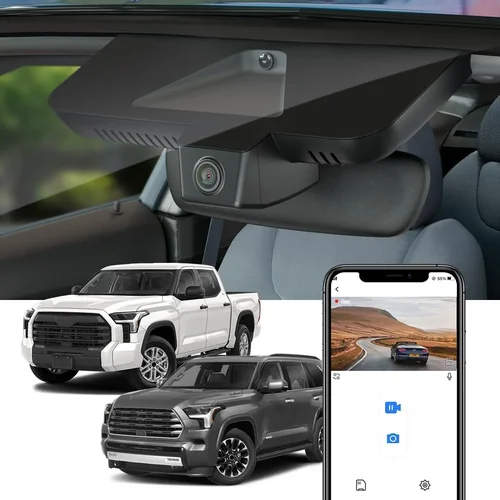
Verify compatibility with your specific car model. Some dash cams work better on curved vs. flat windshields. Consult forums or manufacturer support for confirmed fitment data.
Consider future-proofing. Choose a model with expandable storage, firmware update capability, and modular accessories. This ensures your investment remains relevant even as technology advances.
Join online communities like Reddit’s r/dashcam or specialized Facebook groups for convertible owners. Members often share unboxing videos, installation tips, and troubleshooting advice that aren’t available elsewhere.
Frequently Asked Questions
Q: Can I install a dash cam on my convertible without drilling holes?
A: Yes, most modern dash cams use suction cup mounts or adhesive strips that don’t require drilling. Suction cups are reusable but may lose grip in hot weather or after prolonged sun exposure. Adhesive mounts offer a stronger hold but can damage paint if removed improperly. Always clean the surface thoroughly before applying and follow manufacturer instructions for removal.
Q: Will a dash cam drain my car battery?
A: Continuous recording can consume power, especially if left on during extended parking. However, using a capacitor-based power kit instead of a direct connection minimizes strain. Enable motion-activated parking mode and set sensitivity to avoid unnecessary recordings. Most dash cams also have low-power modes that reduce energy use when idle.
Q: Do I need to remove the dash cam when driving with the roof up?
A: No, many dash cams are designed to function regardless of roof position. However, some users prefer to remove them for aesthetic reasons or to prevent accidental activation. If you choose to remove it, store the unit in a secure location to avoid loss or theft.
Q: Is audio recording legal in my state?
A: Laws vary by jurisdiction. In two-party consent states (like California), recording others without permission is illegal. Even in one-party consent states, recording inside your own vehicle may still violate privacy norms. To stay safe, disable audio or use models without microphones.
Q: How much storage do I really need?
A: For 1080p recording, 32GB holds ~6–8 hours; 64GB holds ~12–16 hours; 128GB holds ~24–32 hours. Higher resolutions require more space. If you drive frequently or live in a rainy climate (causing more frequent stops), opt for 128GB+. Always keep spare cards on hand.
Q: Can a dash cam record while the engine is off?
A: Only if equipped with parking mode and connected to a power source. This feature uses the car’s battery but includes safeguards to prevent deep discharge. Hardwired kits draw power directly from the fuse box, while capacitor-based solutions reduce load on the alternator.
Q: What’s the difference between “loop recording” and “event recording”?
A: Loop recording continuously overwrites old files to save space. Event recording (triggered by G-sensors or manual button presses) locks footage so it won’t be deleted. Most dash cams use a combination: loop for general use, events for emergencies.
Q: Should I buy a single or dual-channel dash cam?
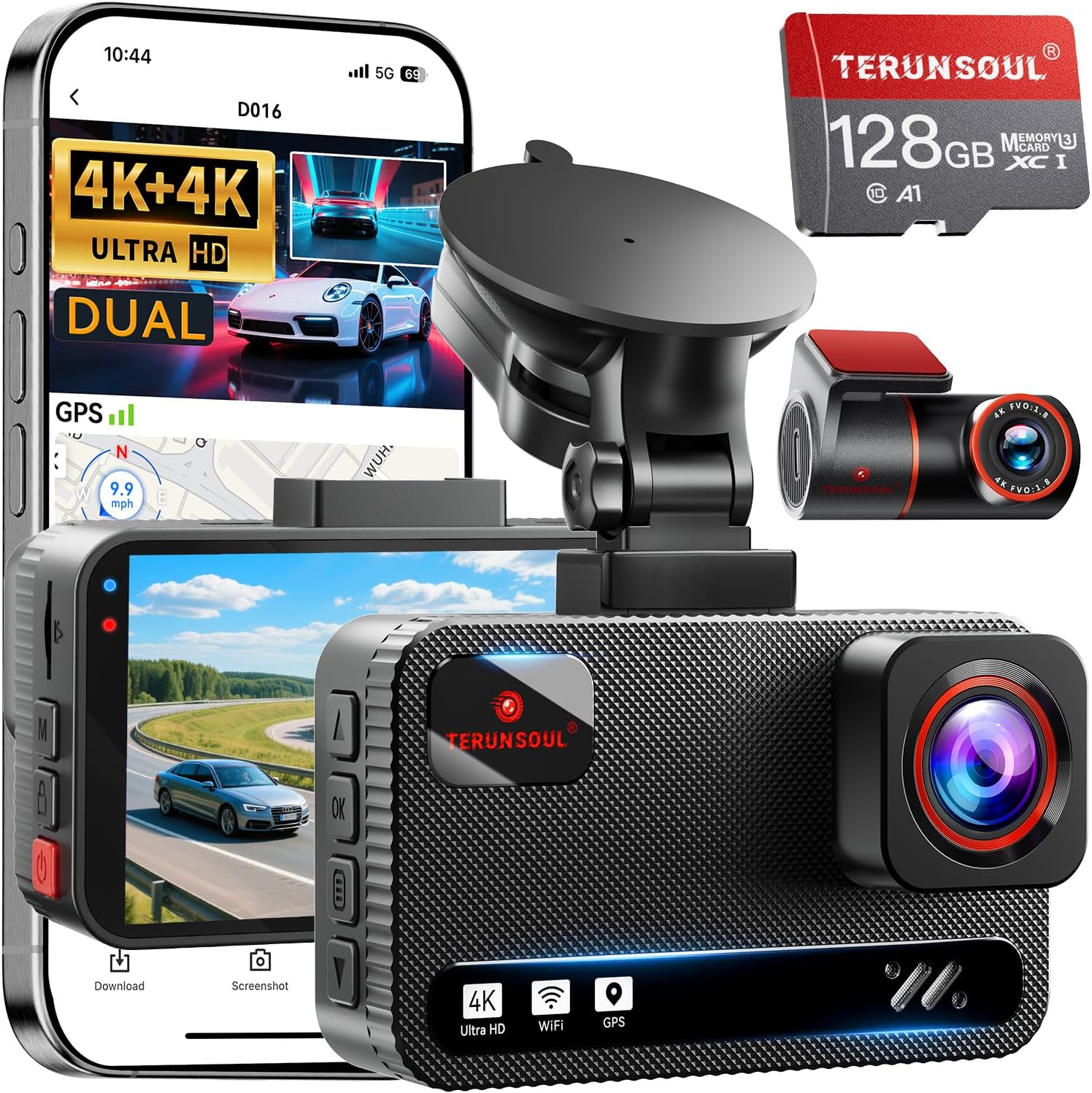
A: Dual-channel models record both the road ahead and the interior. This is highly beneficial for convertibles, where passengers, belongings, or even aggressive drivers behind you may become involved in incidents. Single-channel cams focus only on the road and may miss critical context.
Q: How do I know if my dash cam is working properly?
A: Perform regular checks: review recent footage, confirm loop recording is active, test parking mode, and ensure the LED indicators function correctly. Update firmware monthly and format storage cards quarterly to maintain performance.
Q: Can I use my dash cam for insurance purposes?
A: Absolutely. Clear, timestamped footage can strengthen your claim, disprove allegations, or expedite settlements. Store clips securely and provide them promptly to insurers. Some companies even offer discounts for dash cam owners.
Our Final Recommendations
For budget-conscious buyers seeking reliable protection without breaking the bank, the Rexing V1P Pro stands out. Priced around $80, it delivers crisp 2K recording, strong night vision, and a compact design ideal for convertibles. Its magnetic mount offers flexibility, and the included parking mode ensures safety even when parked. While lacking cloud features, it performs consistently in most weather conditions and integrates well with mobile apps for easy file access.
If you want the best overall value combining performance, durability, and smart features, the BlackVue DR970X-2CH is our top pick. At approximately $220, it offers 4K front recording, 1080p interior view, HDR, and GPS logging. It’s built with military-grade materials, supports cloud connectivity, and includes a super capacitor for safe shutdowns. The dual-channel setup provides comprehensive coverage, making it ideal for convertible owners who prioritize safety and evidence quality.
For those willing to invest in a premium experience with cutting-edge technology, the Garmin Dash Cam Mini 2 delivers exceptional portability and ease of use. Though smaller than traditional models, it records in sharp 1080p, features voice control, and automatically saves clips to cloud storage via Wi-Fi. Its low profile fits perfectly in tight spaces, and the suction cup mount stays secure even at high speeds.
Beginners should start with the Viofo A119 v3, a user-friendly 2K dash cam with intuitive controls, reliable loop recording, and decent night performance. Priced under $100, it’s perfect for new drivers exploring the convertible lifestyle. The included mount is sturdy, and the app simplifies playback and sharing.
Advanced users chasing ultimate performance will appreciate the Thinkware U1000. With 4K recording, starlight sensor, and AI-powered lane departure warnings, it’s engineered for demanding environments. Its rugged casing resists impacts and temperature extremes, and the dual SD slot allows redundant backups. Though costly at $350, it’s worth it for professionals or track-day enthusiasts.
Conclusion: Making the Right Choice
Choosing the best dash cam for your convertible isn’t about finding the shiniest gadget—it’s about matching technology to your driving habits, environment, and peace-of-mind needs. Whether you’re gliding along coastal highways or navigating mountain passes, having a dependable witness on board transforms uncertainty into confidence. Remember to prioritize weather resistance, mounting security, and image clarity above all else. Avoid shortcuts by skipping essential features like parking mode or audio muting just to save a few dollars. Instead, invest wisely in a system that protects not only your vehicle but also your rights and reputation.
Take time to research, test, and compare. Read verified reviews, watch unboxing videos, and ask fellow convertible owners about their experiences. Once installed, treat your dash cam as an extension of your car’s safety ecosystem—regularly check its status, back up key clips, and update firmware as needed. With the right device, you’ll enjoy every mile with greater assurance, knowing that if anything goes wrong, you’ll have irrefutable proof of what truly happened.
Your convertible represents freedom, adventure, and joy—don’t let avoidable risks dim those moments. Equip yourself with knowledge, choose wisely, and drive forward with clarity and courage.